Blog
China Top 10 Herbal Extract Manufacturers
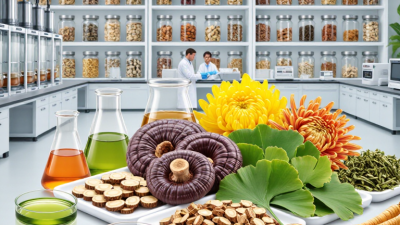
China has become an important sourcing base for botanical ingredients, but scale alone does not prove quality. Grand View Research valued the global herbal supplements market at USD 43.07 billion in 2023 and projected 7.9% annual growth through 2030. This is an adjacent market, not a direct measure of herbal extract sales. Still, it signals rising demand for dependable ingredients. The WHO’s 2019 Global Report on Traditional and Complementary Medicine also found that 170 of its 194 Member States reported traditional medicine use. Demand is broad. Quality expectations should be, too.
For buyers comparing China’s top 10 Herbal Extract manufacturers, the useful questions are concrete: Can the supplier identify the plant species and plant part? Are extraction methods and batch specifications documented? Do certificates of analysis match independent testing? Mark Blumenthal, founder and executive director of the American Botanical Council, has consistently advocated careful evaluation of botanical products. In paraphrase, his quality-focused message is that identity and evidence matter as much as a plant’s reputation. That distinction matters. A vivid product brochure cannot replace traceable records or reproducible results. Even a polished audit may leave gaps, so buyers should verify key claims against current documents. Rankings are never perfectly objective; manufacturing capacity, technical support, and transparency can outweigh a company’s headline claims. This guide offers a starting point, not a substitute for supplier qualification.
Read more »
 By:Ethan
- November 7, 2026

10 Best Botanical Extract Suppliers for Global Buyers?
Botanical Extract sourcing now sits at the intersection of wellness demand, food innovation, and rigorous quality control. Grand View Research’s 2024 market report estimated the global botanical extracts market at USD 29.7 billion in 2023, with projected annual growth of 8.1% through 2030. These figures signal opportunity, not guaranteed results. Forecasts vary by scope and methodology.
For global buyers, a supplier’s product catalogue is only a starting point. A useful assessment checks botanical identity, extraction method, active-compound specifications, and batch-to-batch consistency. Ask for a recent certificate of analysis, contaminant testing, and clear traceability from raw material to finished extract. Where relevant, review documented food-safety systems, such as ISO 22000 or recognized GMP controls. Details matter. A neat specification sheet cannot replace a representative sample or a careful audit.
The ten suppliers in this guide are intended as a practical shortlist, not a blanket endorsement. Buyers should verify current certifications, production capacity, export experience, and regulatory documentation for their target markets. One overlooked point: the same plant can yield different profiles across harvests, regions, and extraction conditions. That is normal, but it needs honest disclosure. Compare evidence, not marketing language, and confirm that each supplier’s documents match the exact ingredient and batch being offered.
Read more »
By:Ethan
- November 7, 2026
Top 10 Plant Extract Types for Global Buyers
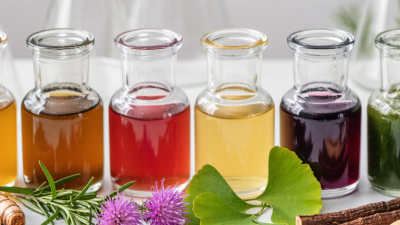
Global buyers face a crowded Plant Extract market, where familiar names can hide very different specifications. The best choice depends on the intended use, target market, and quality requirements. A botanical name alone is not enough. Buyers should check the plant part, extraction method, carrier ingredients, and marker-compound data. Small details matter.
Paracelsus, a physician and influential scholar of medicinal substances, is widely associated with the maxim, “All things are poison, and nothing is without poison; only the dose makes a thing not a poison.” His words offer a useful caution for evaluating concentrated botanicals. They are not a modern purchasing standard, but they remind us that identity, concentration, and evidence deserve careful attention. Ask suppliers for traceable sourcing, consistent batch records, and suitable testing for identity and contaminants. Verify claims rather than relying on a polished brochure.
This guide introduces ten widely traded extract types, including green tea, turmeric, ginger, rosemary, grape seed, ginkgo, milk thistle, ginseng, licorice, and chamomile. Their uses, specifications, and evidence vary; no single option suits every buyer. Not every extract fits. The list is a starting point, not a ranking of universal value. Compare standardized compounds, documentation, sensory properties, and intended applications before making a decision. Some product descriptions remain vague, and that should prompt better questions. Careful sourcing takes time, but it can prevent costly mismatches and support more reliable products across markets.
Read more »
By:Ethan
- November 7, 2026