0%

Global buyers face a crowded Plant Extract market, where familiar names can hide very different specifications. The best choice depends on the intended use, target market, and quality requirements. A botanical name alone is not enough. Buyers should check the plant part, extraction method, carrier ingredients, and marker-compound data. Small details matter.

Paracelsus, a physician and influential scholar of medicinal substances, is widely associated with the maxim, “All things are poison, and nothing is without poison; only the dose makes a thing not a poison.” His words offer a useful caution for evaluating concentrated botanicals. They are not a modern purchasing standard, but they remind us that identity, concentration, and evidence deserve careful attention. Ask suppliers for traceable sourcing, consistent batch records, and suitable testing for identity and contaminants. Verify claims rather than relying on a polished brochure.

This guide introduces ten widely traded extract types, including green tea, turmeric, ginger, rosemary, grape seed, ginkgo, milk thistle, ginseng, licorice, and chamomile. Their uses, specifications, and evidence vary; no single option suits every buyer. Not every extract fits. The list is a starting point, not a ranking of universal value. Compare standardized compounds, documentation, sensory properties, and intended applications before making a decision. Some product descriptions remain vague, and that should prompt better questions. Careful sourcing takes time, but it can prevent costly mismatches and support more reliable products across markets.
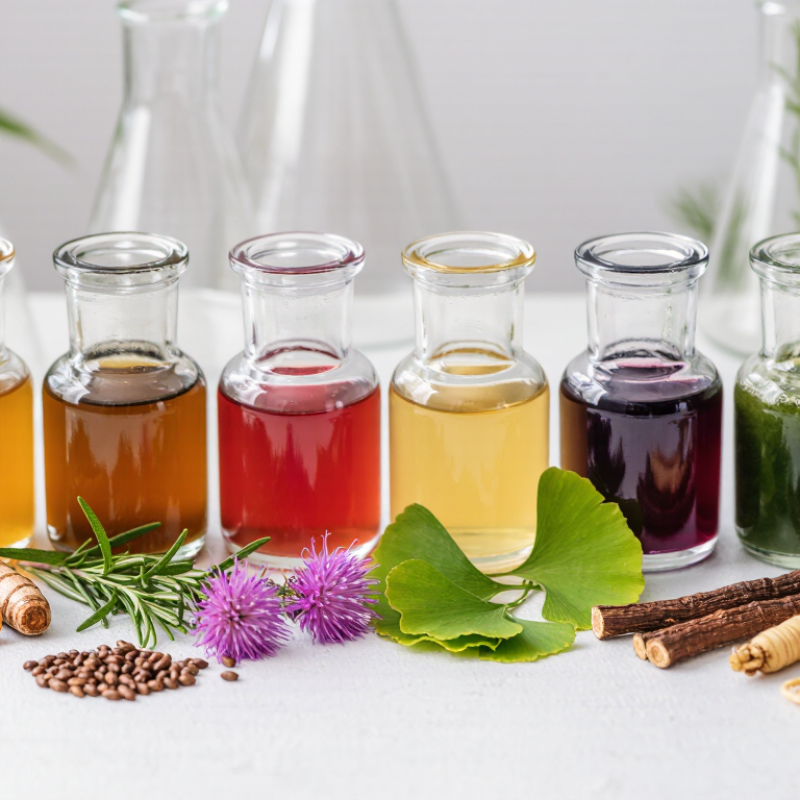
Top 10 Plant Extract Types for Global Buyers

What Plant Extracts Are and How They Are Classified

Plant extracts are materials obtained by separating selected compounds from leaves, roots, flowers, seeds, or other plant parts. They are made using water, alcohol, or other suitable solvents, then concentrated or dried. A dried leaf powder is not automatically an extract. That distinction matters. Extraction changes the material’s composition and may concentrate certain constituents while leaving others behind.

Buyers commonly classify extracts by plant part, extraction method, physical form, and measured composition. For example, a water extract and an ethanol-water extract from the same root may have different constituent profiles. The solvent and processing conditions help explain those differences. Some extracts are sold as liquids, while others are powders made with drying carriers. Standardized extracts specify a target level of one or more compounds; non-standardized extracts may instead be described by their general profile. The labels can be messy. “Ratio” claims, such as 10:1, do not alone confirm the amount of a specific active compound. Ask for the botanical name, plant part, extraction details, and a batch-specific certificate of analysis. Even a clear classification has limits: growing conditions and processing can cause natural variation between batches.

Ten Major Plant Extract Types in the Global Market

Ten major plant extract types commonly encountered in global trade include green tea, turmeric, ginseng, aloe vera, ginger, peppermint, rosemary, grape seed, citrus, and licorice. Green tea and rosemary appear in food and personal-care formulations. Turmeric and ginger are used in foods and wellness products. Ginseng and licorice are often associated with traditional use, subject to local rules. Aloe vera, peppermint, grape seed, and citrus serve a range of cosmetic, food, and supplement applications. These categories blur sometimes; a plant part or extraction method can change an extract’s properties.

Buyers should compare botanical identity, plant part, extraction solvent, carrier, marker compounds, and batch consistency. A water-based leaf extract may behave differently from a concentrated root extract. Request a specification sheet and recent testing for identity, microbes, heavy metals, and pesticide residues. Check that the intended use and labeling fit the destination market. Small differences matter: a dark, strongly scented powder can change a pale drink or cream. Supplier documents are useful, but independent verification may still be warranted.

Tips: Ask for the Latin name and plant part. Confirm solvent residues and storage needs. Keep a retain sample; paperwork cannot capture every variation.

How Extraction Methods Shape Product Characteristics

Top 10 Plant Extract Types for Global Buyers

How Extraction Methods Shape Product Characteristics

A plant extract’s label tells only part of its story. Water-based extraction often favors polar compounds, while food-grade ethanol can capture a broader mix. Heat, solvent strength, and contact time all shift color, aroma, and composition.

Small changes matter. For example, overheated green tea extract may taste harsher, while a mild process can preserve more delicate aromas. Chemat et al. (2017), in a technical review of green food-processing methods, compare ultrasound, microwave, and supercritical-fluid extraction. These approaches can reduce processing time or solvent use, but results still depend on the plant and operating conditions.

Supercritical carbon dioxide is useful for heat-sensitive materials because it works near a relatively low critical temperature. NIST Chemistry WebBook data place CO₂’s critical point at about 31°C and 7.38 MPa. That does not mean every CO₂ extract is superior: pressure and equipment affect which compounds dissolve, and the process may leave out water-soluble components.

Steam distillation, by contrast, suits volatile oils but can alter fragile aroma compounds through heat exposure. Buyers should request the extraction solvent, temperature range, plant part, and a batch-specific composition report. A specification sheet is helpful, not infallible; I would still compare samples, since even the same botanical can vary by harvest and drying conditions.

Key Applications Across Food, Cosmetics, and Health Products

Plant extracts serve different roles depending on the product and preparation. Turmeric and ginger extracts can add color, flavor, or distinctive notes to foods and drinks. Green tea, rosemary, and grape seed extracts are also used in food formulations, where their taste, color, and compatibility with other ingredients matter. Citrus peel and peppermint can bring bright aromas to beverages, confectionery, and oral-care products.

Cosmetic formulators may choose aloe, chamomile, or green tea extracts for skin and hair products. Their appeal often comes from familiar ingredient stories and workable textures, not from guaranteed results. Small details matter. A water-based extract may behave differently from an oil-soluble one, and color can shift during storage. Stability testing helps reveal these issues before a product reaches consumers.

Health products may include extracts such as ginger, turmeric, or beetroot, depending on the intended format and market. Their presence should not be presented as proof that a product prevents or treats disease. Buyers need clear specifications, botanical identification, and information about extraction methods and contaminants. Even with good documentation, batches can vary slightly. That is worth planning for. The right extract is not always the most familiar one; it is the one that fits the formulation, evidence, and local requirements.

How Global Buyers Assess Quality, Safety, and Compliance

For buyers comparing ginseng, turmeric, green tea, or other plant extracts, a polished certificate is only a starting point. The WHO’s 2019 Global Report on Traditional and Complementary Medicine found that 170 of 194 member states reported using traditional medicine. It also recorded national regulation in 124 countries. That varied landscape makes market-specific documentation essential. Check the Latin species name, plant part, origin, extraction solvent, and batch number. Details matter.

Ask for a certificate of analysis tied to the actual lot, not a generic sample. Confirm identity with a suitable method, such as HPTLC or a validated chromatographic fingerprint; DNA testing alone may be less useful after extraction. Review marker-compound results alongside limits for heavy metals, pesticide residues, microbes, and residual solvents. The WHO report also noted national programs in 109 countries, but program coverage does not guarantee uniform testing. Keep that distinction in mind.

Inspect the laboratory’s accreditation scope and method validation, then compare results with the specification for the intended market. Request stability data and change-control records when suppliers alter farms or processes. A document can look complete and still miss a weak point. I would also ask how retained samples are stored and how deviations are investigated; these answers are often less polished, but more revealing.

FAQS

What makes a plant extract different from dried plant powder?

An extract is made by separating selected compounds with a solvent, then concentrating or drying them. Dried leaf powder is not automatically an extract.

Which details help identify a plant extract?

Check its botanical name, plant part, extraction method, solvent, and physical form. A root extract and a leaf extract may differ considerably.

Does a 10:1 ratio confirm an extract’s strength?

No. A ratio does not specify the amount of a particular compound. Ask for marker-compound levels and batch-specific testing.

What plant extracts commonly appear in products?

Common types include green tea, turmeric, ginseng, aloe vera, ginger, peppermint, rosemary, grape seed, citrus, and licorice. Their uses can overlap.

How are plant extracts used in foods and drinks?

Turmeric and ginger can add color or flavor. Citrus peel and peppermint may add bright aromas to drinks or confectionery.

What should cosmetic formulators consider?

Check whether an extract is water-based or oil-soluble, and test its color and stability. A pale cream can change during storage.

What testing should buyers request?

Request identity, microbial, heavy-metal, and pesticide-residue testing. Confirm solvent residues and storage needs, too. Keep a retain sample.

Can batches of the same extract vary?

Yes. Growing conditions and processing can affect composition. That variation may be small, but it deserves attention.

Do plant extracts guarantee health benefits?

No. An extract’s presence does not prove disease prevention or treatment. Match the ingredient to available evidence and local requirements.

Conclusion

Plant Extracts are concentrated ingredients derived from leaves, roots, flowers, seeds, fruits, and other parts of plants. They can be classified by their source, the compounds they contain, and the way they are processed. The global market includes a wide range of types, such as botanical powders, aromatic extracts, and extracts valued for their flavor, color, or functional properties. Each type has distinct characteristics that make it suitable for particular products and applications.

Extraction methods influence an ingredient’s composition, strength, stability, and sensory qualities. As a result, plant extracts are used across food and beverage products, cosmetics, and health-related formulations, with selection depending on the intended purpose. Global buyers typically assess identity, purity, consistency, contaminant controls, traceability, and supporting documentation. They also consider whether production and labeling meet the requirements of their target markets, helping ensure that a Plant Extract is suitable, reliable, and responsibly sourced.

Ethan

Ethan

Ethan is a professional marketing specialist with a strong understanding of the company’s products, their features, and the needs they are designed to address. He regularly contributes expert articles to the company website, sharing clear, practical information to help readers make informed......