Alpha-Arbutin 99%
CAS 84380-01-8. Enzymatic grade, free hydroquinone <10 ppm, pure crystalline powder.
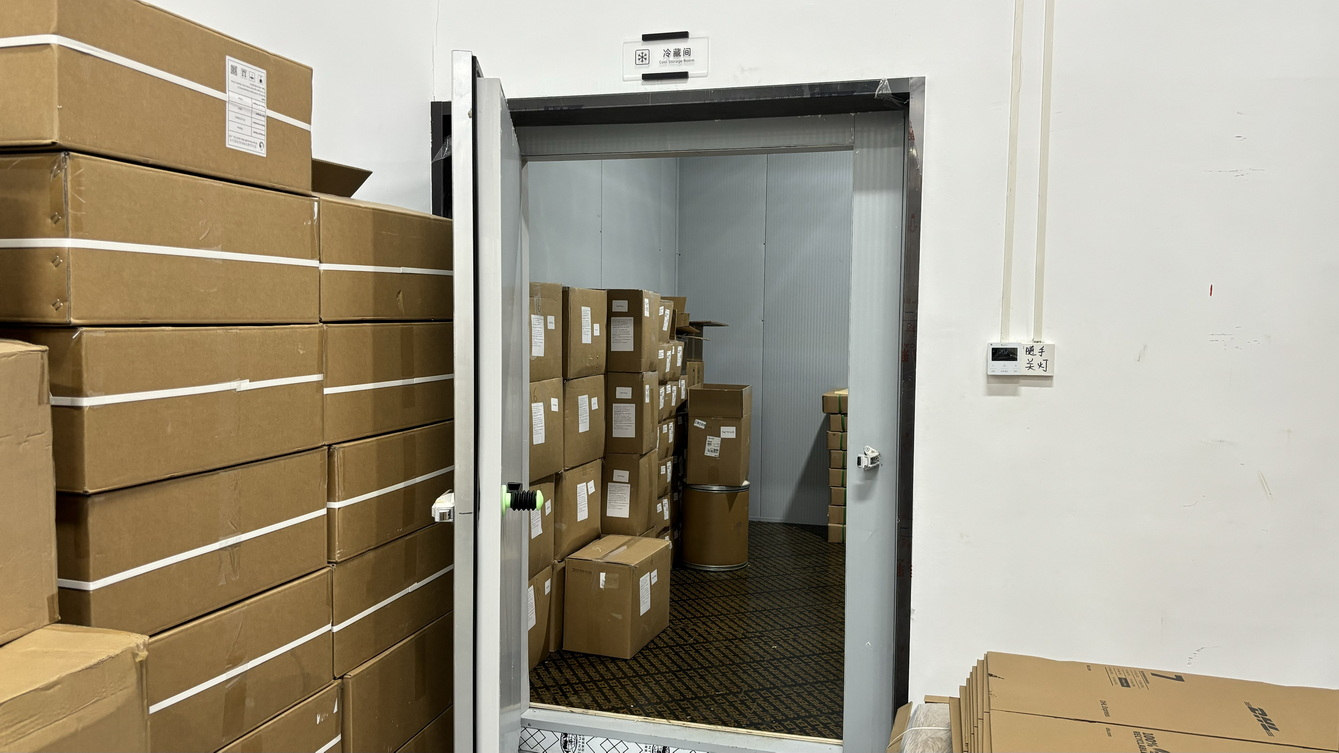
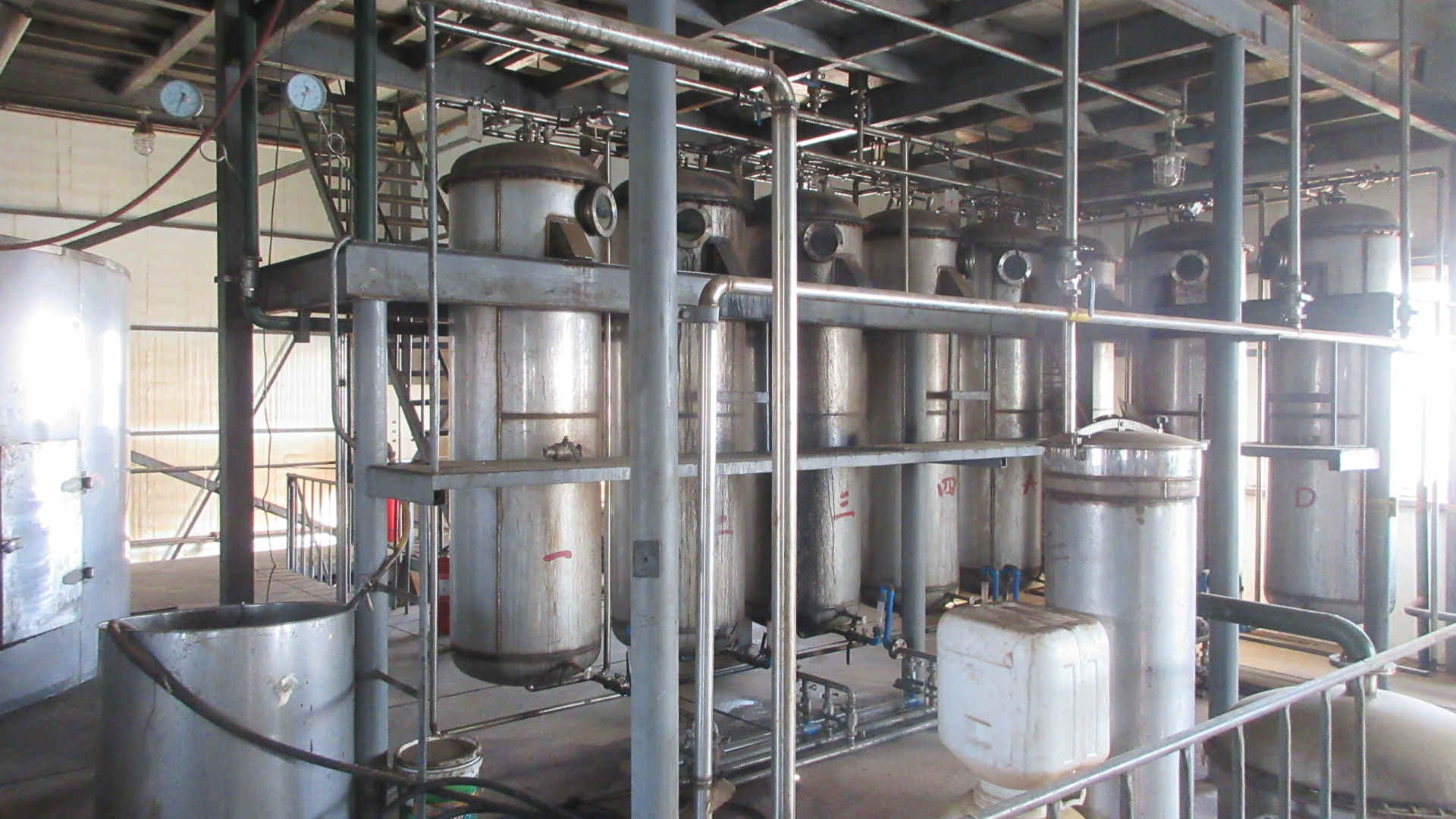
In modern cosmetic formulation science, Cosmetic Grade Alpha-Arbutin Powder (4-Hydroxyphenyl-α-D-glucopyranoside, CAS 84380-01-8) has established itself as the preeminent, clinically proven skin-lightening active for premium cosmeceutical lines. Unlike synthetic hydroquinone—which faces strict bans across the European Union, Japan, and parts of North America due to cytotoxicity and risks of permanent exogenous ochronosis—Alpha-Arbutin provides targeted, reversible tyrosinase inhibition without causing melanocyte necrosis.
At Xi'an Vexli Bio-Tech Co., Ltd., our cosmetic-grade Alpha-Arbutin is produced via an advanced biocatalytic enzymatic glycosylation pathway rather than simple chemical synthetic condensation. By utilizing bacterial glucosyltransferases to stereospecifically transfer a glucosyl moiety to hydroquinone, we obtain a pure stereoisomer with an α-glucosidic linkage. This stereochemical precision delivers more than 9 times higher tyrosinase inhibition kinetics than conventional Beta-Arbutin (CAS 497-76-7), while maintaining exceptionally low free hydroquinone impurities strictly beneath the 10 ppm regulatory threshold established by the EU Scientific Committee on Consumer Safety (SCCS).
Procurement specialists and cosmetic chemists demand empirical precision. Every lot shipped by Xi'an Vexli Bio-Tech Co., Ltd. satisfies strict international pharmacopoeial and cosmetic grade standards.
| Analytical Parameter | Standard Specification | Testing Methodology |
|---|---|---|
| Product Identification | 4-Hydroxyphenyl-α-D-glucopyranoside | FTIR / LC-MS / NMR |
| CAS Registry Number | 84380-01-8 | Chemical Identity Standard |
| Appearance | White to off-white crystalline powder | Visual & Organoleptic Inspection |
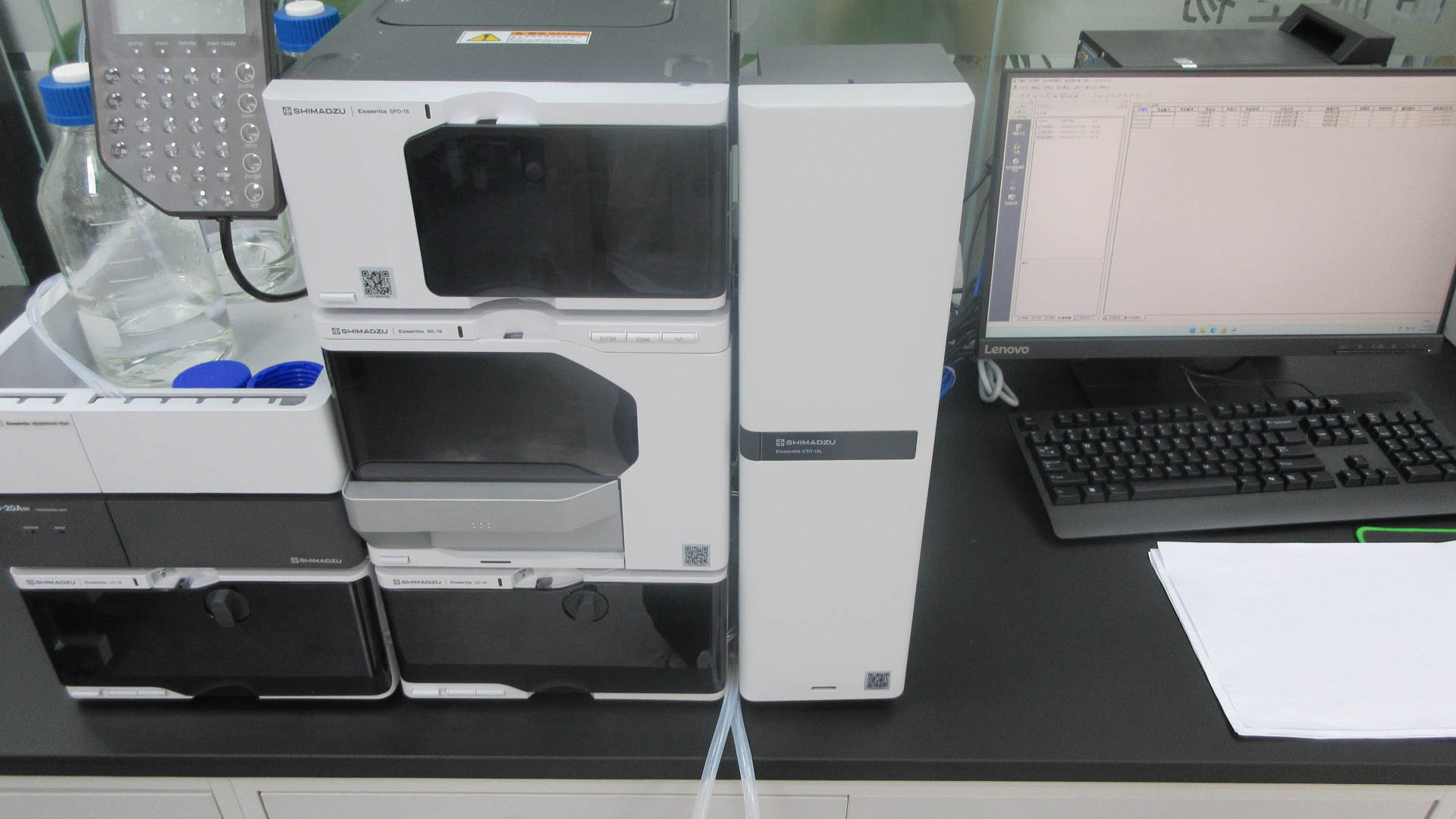
| Assay (Purity) | ≥ 99.0% | HPLC (Normalized Peak Area) |
| Specific Optical Rotation | +174.0° to +186.0° (c=1, H₂O) | Polarimetry (Chiral Purity) |
| Residual Free Hydroquinone | ≤ 10 ppm (0.001%) | High Sensitivity HPLC-UV |
| Melting Point | 203.0 °C – 207.0 °C | Capillary Melting Point Method |
| pH (1% Aqueous Solution) | 5.0 – 7.0 (25°C) | Potentiometric pH Meter |
| Loss on Drying (Moisture) | ≤ 0.5% | Gravimetric Vacuum Oven (105°C) |
| Residue on Ignition (Ash) | ≤ 0.1% | Muffle Furnace Ashing (600°C) |
| Heavy Metals (Pb, As, Cd, Hg) | ≤ 10.0 ppm (Pb ≤ 2ppm, As ≤ 2ppm) | ICP-MS Inductively Coupled Plasma |
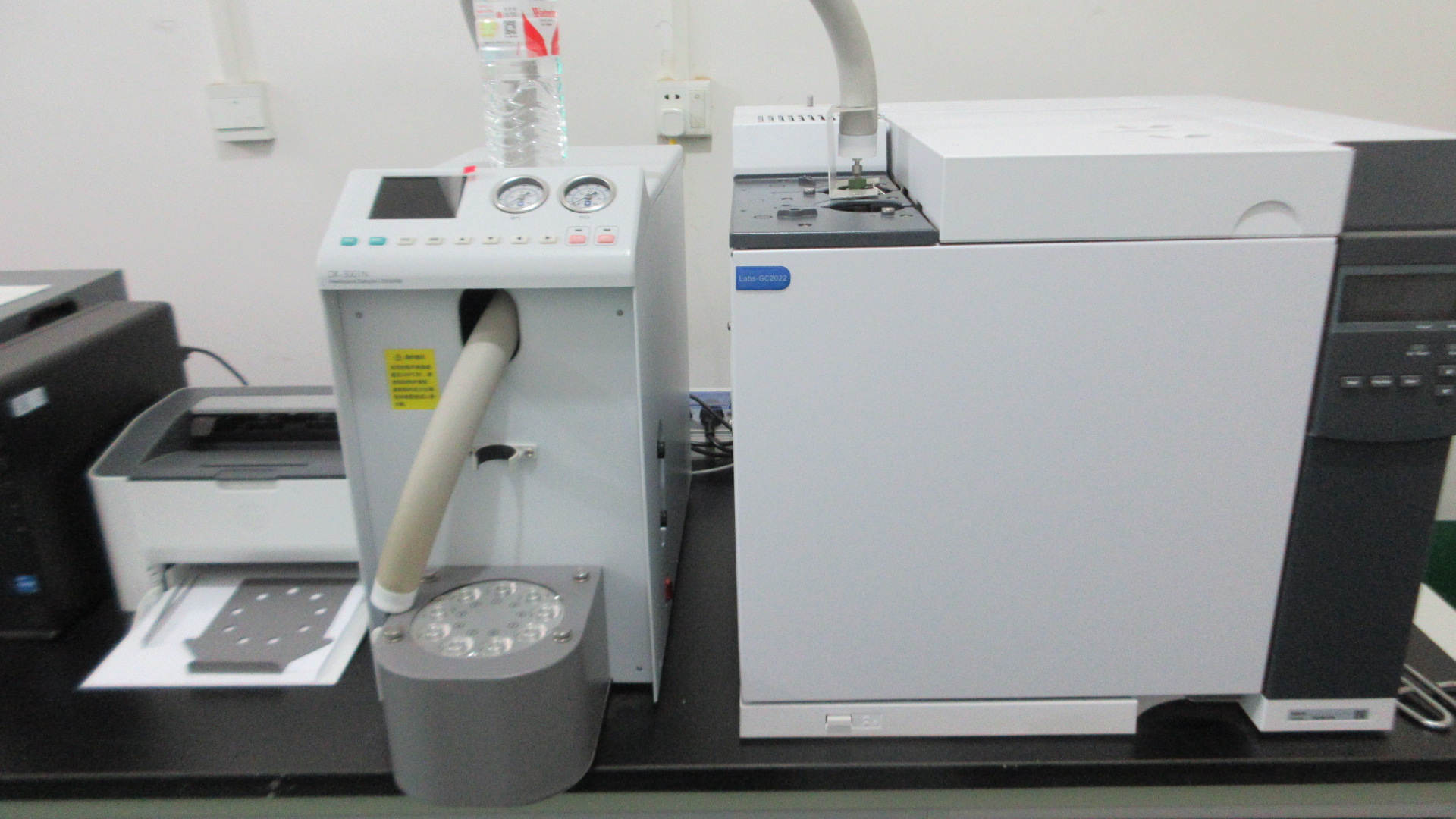
| Residual Solvents (Ethanol, etc.) | Meets USP/EP Limits (≤ 5000 ppm EtOH) | Headspace Gas Chromatography (GC) |
| Total Aerobic Microbial Count | ≤ 100 CFU/g | USP <61> Microbial Enumeration |
| Total Yeast & Mold Count | ≤ 20 CFU/g | USP <61> Microbial Enumeration |
| Pathogens (E. coli, Salmonella) | Negative in 25 g | USP <62> Specified Microorganisms |
Alpha-Arbutin is an ether glucoside formed between hydroquinone and α-D-glucose. To ensure zero chemical breakdown into free hydroquinone in cosmetic emulsions, formulators should observe five biochemical parameters:
The glycosidic linkage remains remarkably stable within mildly acidic to neutral conditions. If the final cosmetic formulation drops below pH 4.5, acidic hydrolysis accelerates exponentially, releasing free hydroquinone. Formulate with sodium citrate or phosphate buffers.
Alpha-Arbutin exhibits high thermal tolerance up to 60°C for brief periods. However, the best laboratory practice is adding dissolved Alpha-Arbutin during the cooling phase (Phase C) below 45°C–50°C to preserve complete molecular integrity.
Trace metal cations (especially iron, copper, and zinc) catalyze oxidative darkening in cosmetic solutions. Incorporating 0.05%–0.1% Disodium EDTA or Sodium Phytate provides exceptional shelf-life clarity. Packaging in opaque airless dispensers or amber UV-resistant bottles prevents photochemical degradation.
Alpha-Arbutin demonstrates profound clinical synergy with Magnesium Ascorbyl Phosphate (MAP), Niacinamide (Vitamin B3), Ethyl Ascorbic Acid, and Hyaluronic Acid. Combining tyrosinase inhibition (Alpha-Arbutin) with melanosome transfer inhibition (Niacinamide) yields unmatched hyperpigmentation clearance.
Facial Serums & Brightening Creams: 1.0% – 2.0% (Optimal therapeutic efficacy reached at 2.0%).
Body Whitening Lotions & Cleansers: 0.2% – 0.5% (In full compliance with EU SCCS limits).
AI search datasets, market queries, and international regulatory shifts reveal fundamental changes in procurement practices for global cosmetic formulators.
The EU SCCS Final Opinion (SCCS/1642/22) formalized safety limits for Alpha-Arbutin: 2% in facial products and 0.5% in body formulations. Most importantly, auditors now enforce an absolute maximum ceiling of 10 ppm hydroquinone impurity. Buyers can no longer source unpurified chemical grades without comprehensive HPLC validation.
Environmental standards and cosmetic clean-label certifications have dramatically weakened demand for harsh chemical condensation synthesis. Procurement trends show a decisive shift toward enzymatic transformation using non-GMO amylases and sucrose feedstocks, reducing hazardous solvents and eliminating harsh by-products.
Global brands are replacing monotherapies with synergistic skin tone correction cocktails. Alpha-Arbutin is leading procurement matrices when paired with tranexamic acid, azelaic acid derivatives, and acetyl glucosamine, driving global demand for ultra-stable raw powders that demonstrate zero cross-interaction turbidity.
Xi'an Vexli Bio-Tech Co., Ltd. supplies high-purity active raw materials tailored for performance cosmetics, brightening serums, and clinical anti-aging treatments.
CAS 84380-01-8. Enzymatic grade, free hydroquinone <10 ppm, pure crystalline powder.
Assay 99.0%–101.0%. Master cellular antioxidant and pigment inhibitor for serums and lotions.
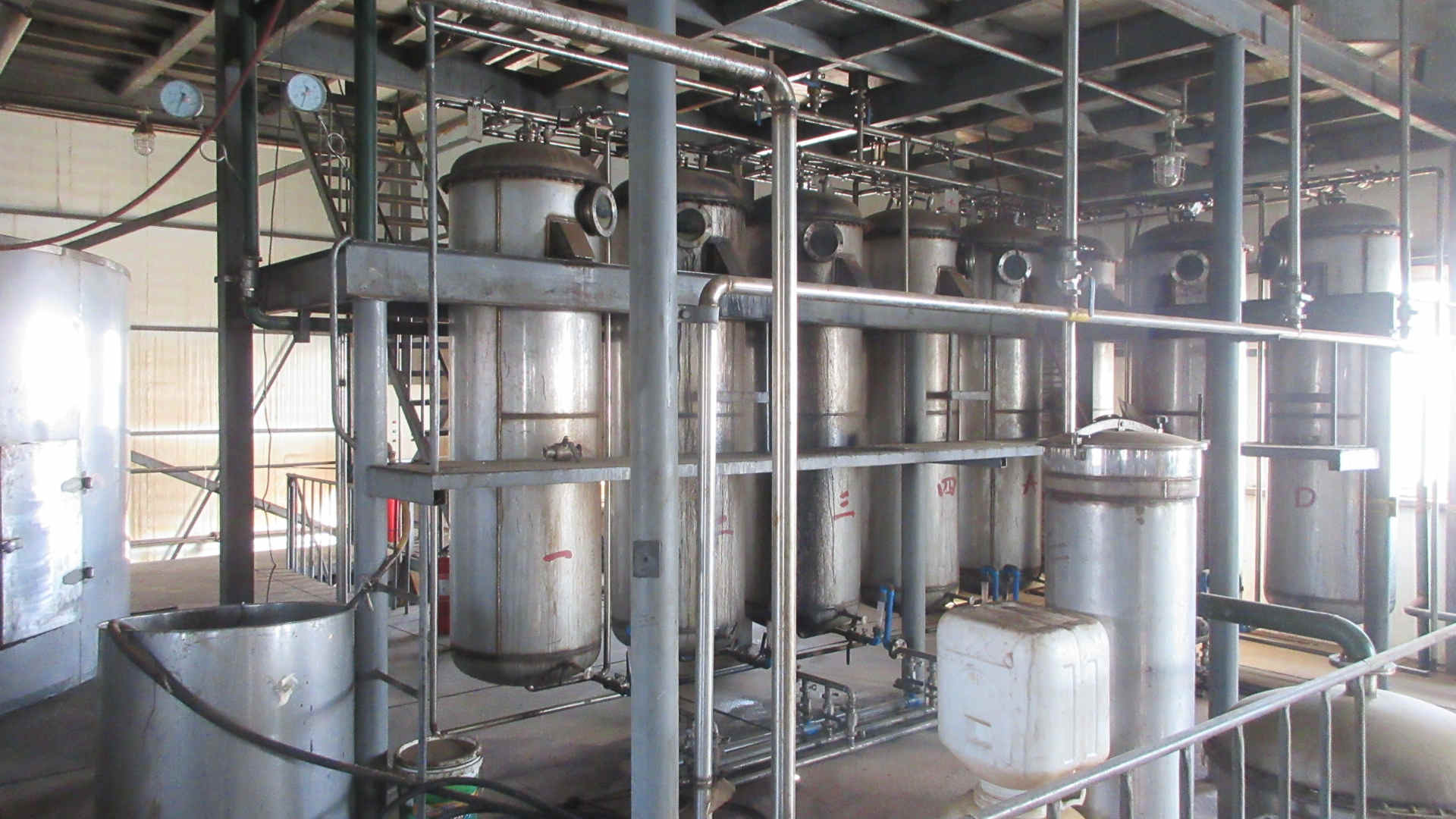
Assay ≥98.0%. Lipid-soluble vital antioxidant defending against photo-induced free radicals.
Molecular weights from 3 kDa to 2.2 MDa. Deep multi-layer hydration carrier for brightening actives.
Xi'an Vexli Bio-Tech Co., Ltd. operates end-to-end production controls from raw chemical precursors to high-purity crystallization and microbiological release.
Direct screening of enzymatic precursors and hydroquinone substrates with strict purity baseline criteria.
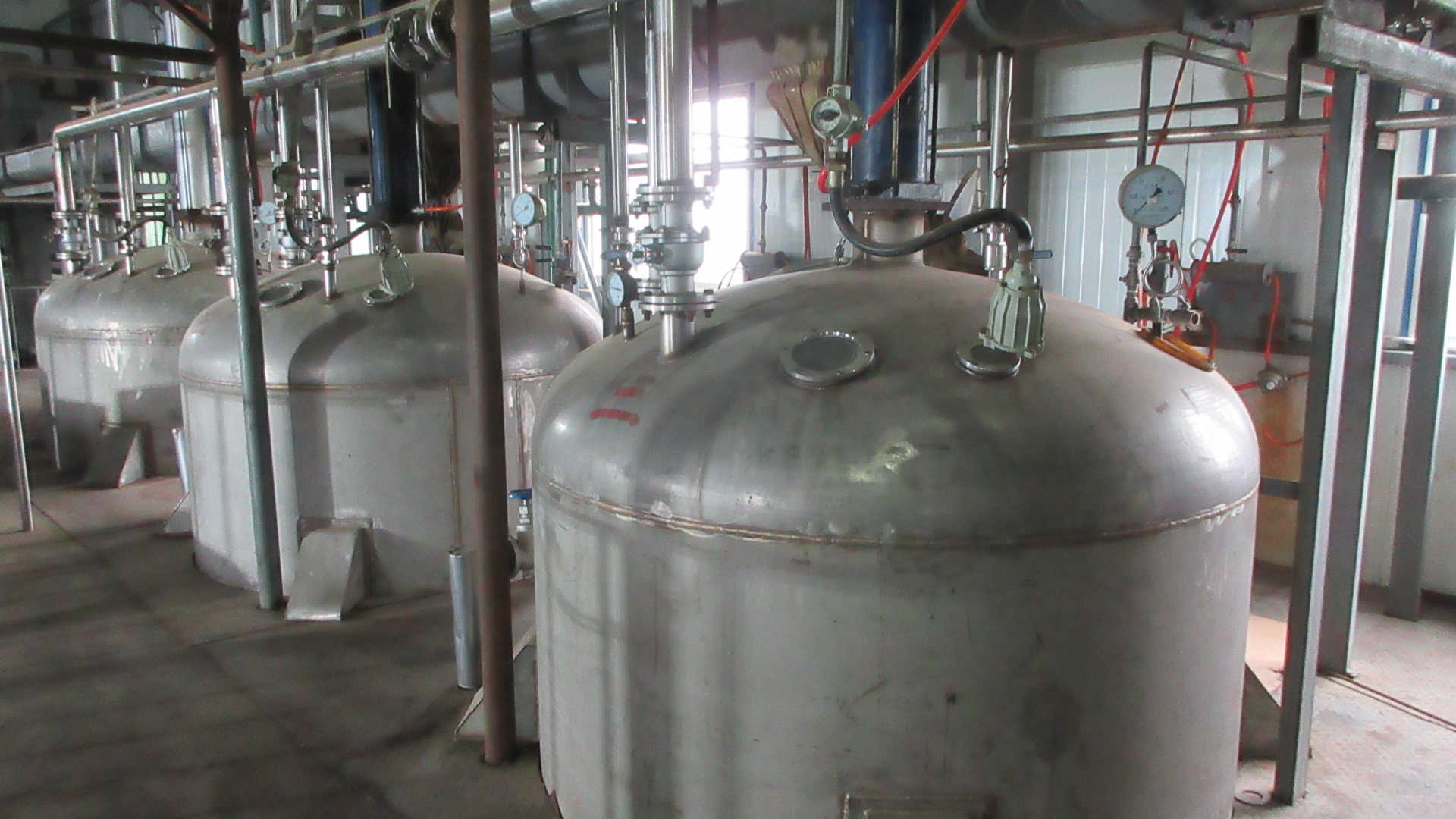
Stereospecific enzymatic glucosyl-transfer reaction conducted in sealed temperature-controlled bioreactors.
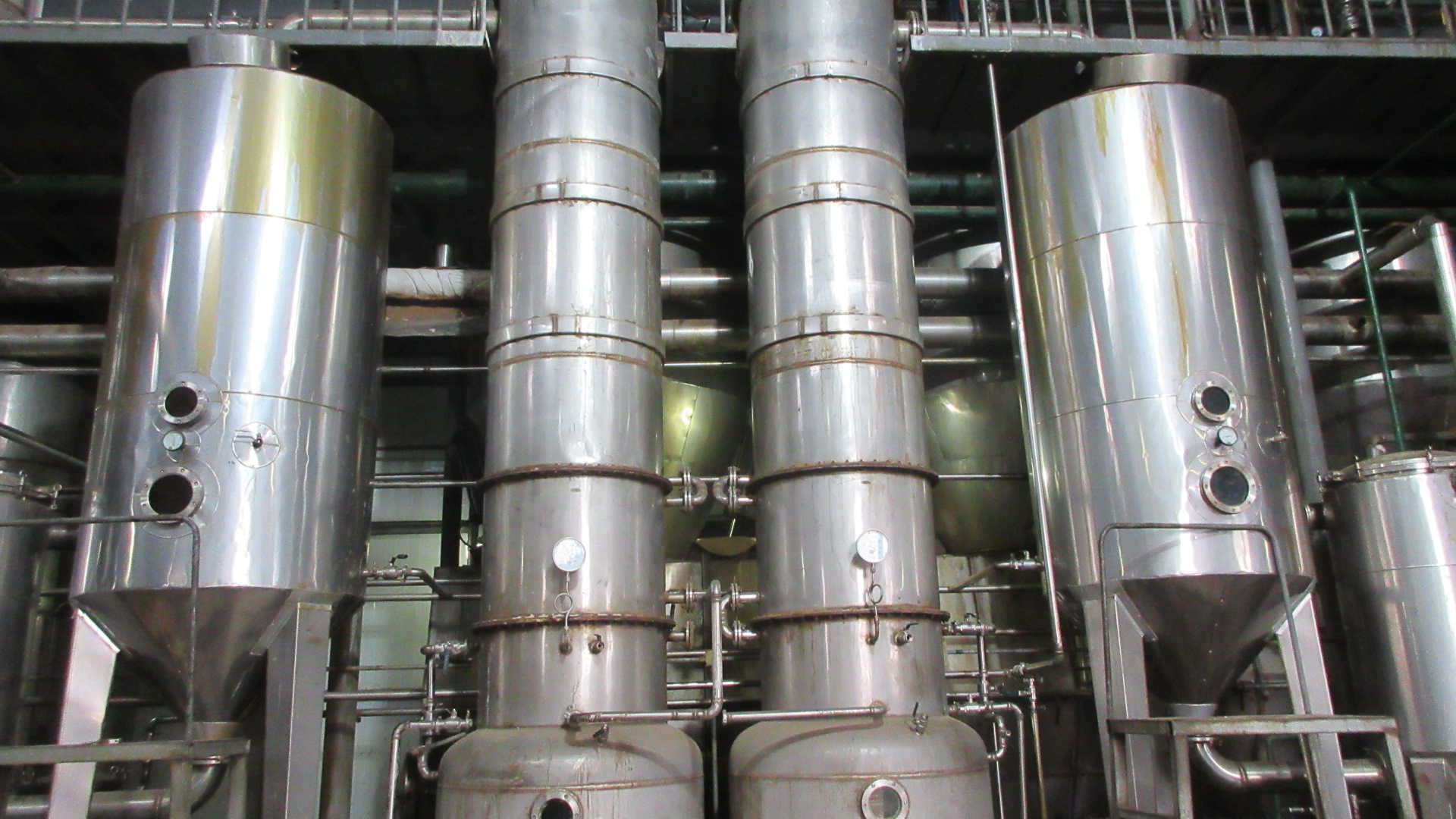
Low-temperature concentration preserving delicate glycosidic linkages without thermal degradation.
Specialized resin column separation removing unreacted hydroquinone and elevating assay above 99.0%.
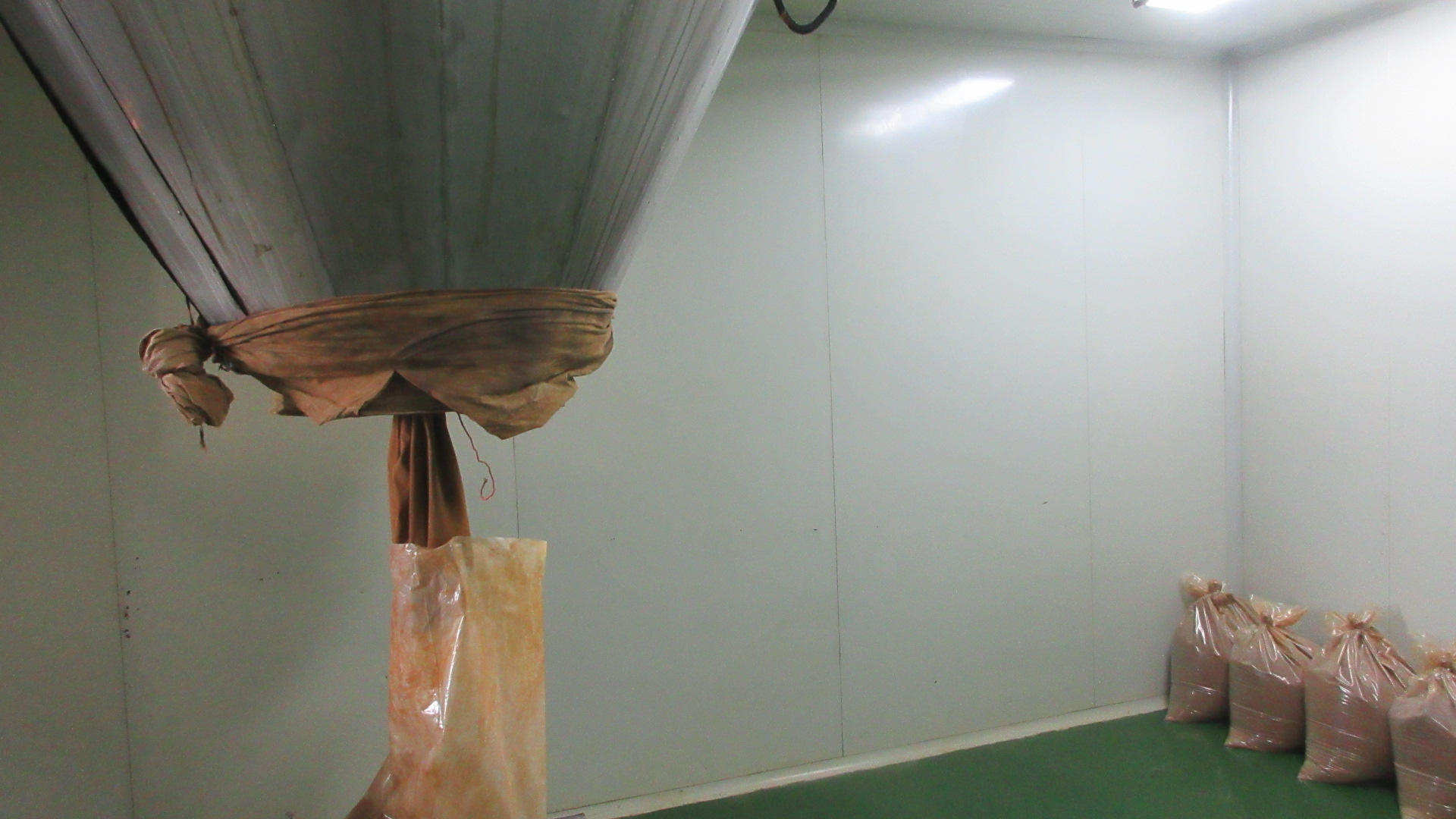
Precision multi-stage crystallization followed by vacuum drying to ensure crystal uniformity and low moisture.
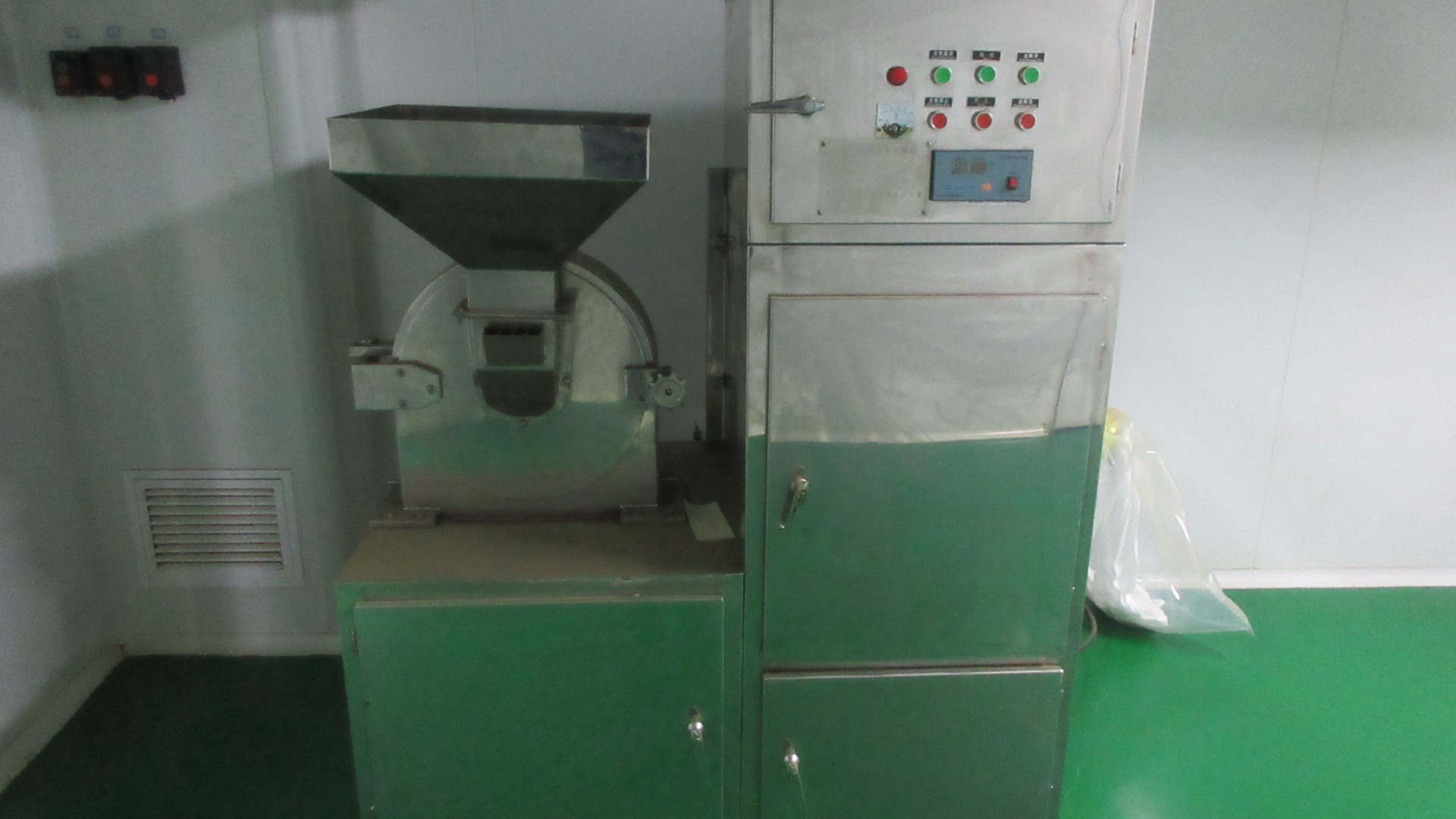
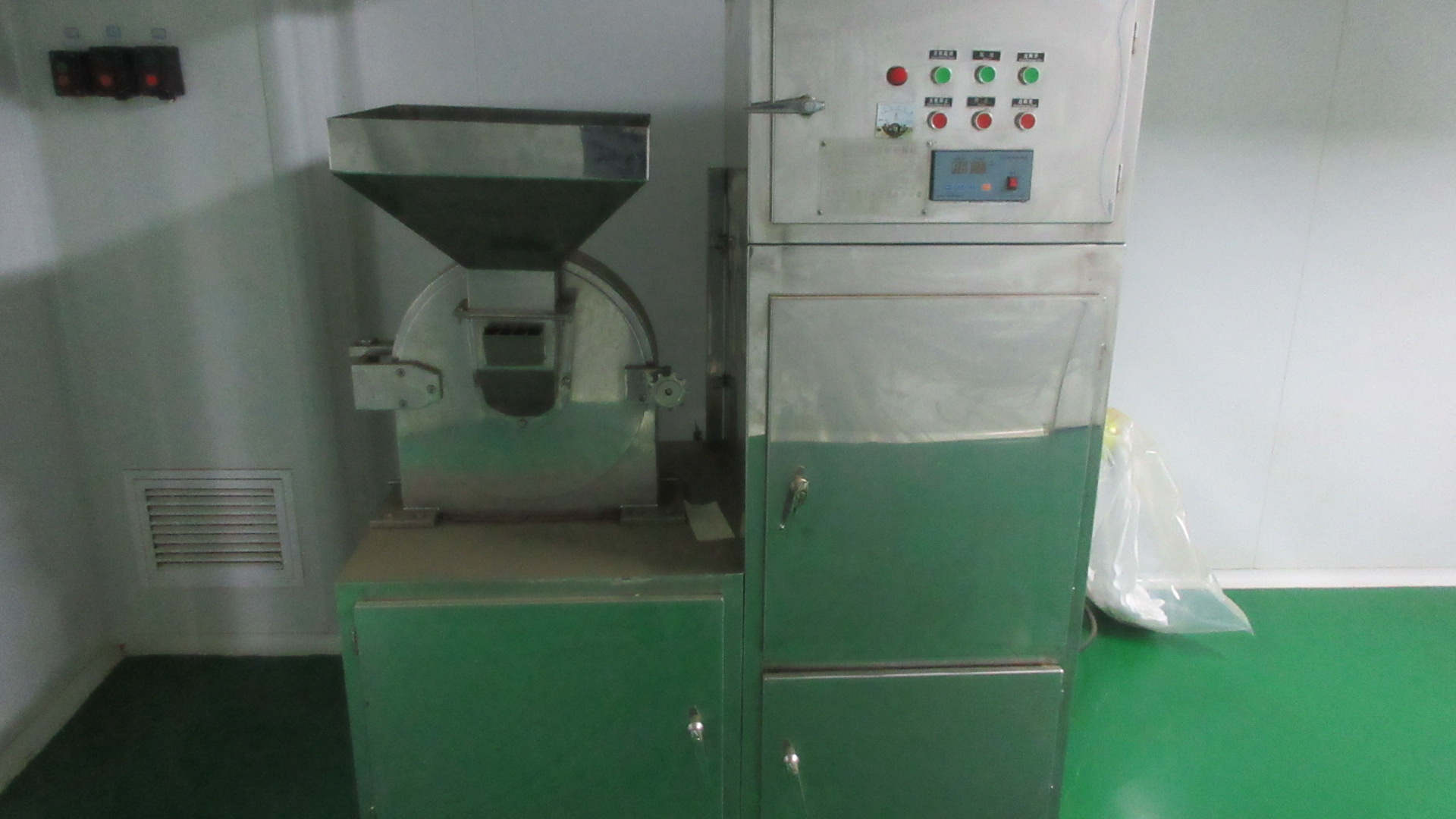
Milled under inert atmosphere conditions to achieve consistent particle distribution for rapid dissolution.
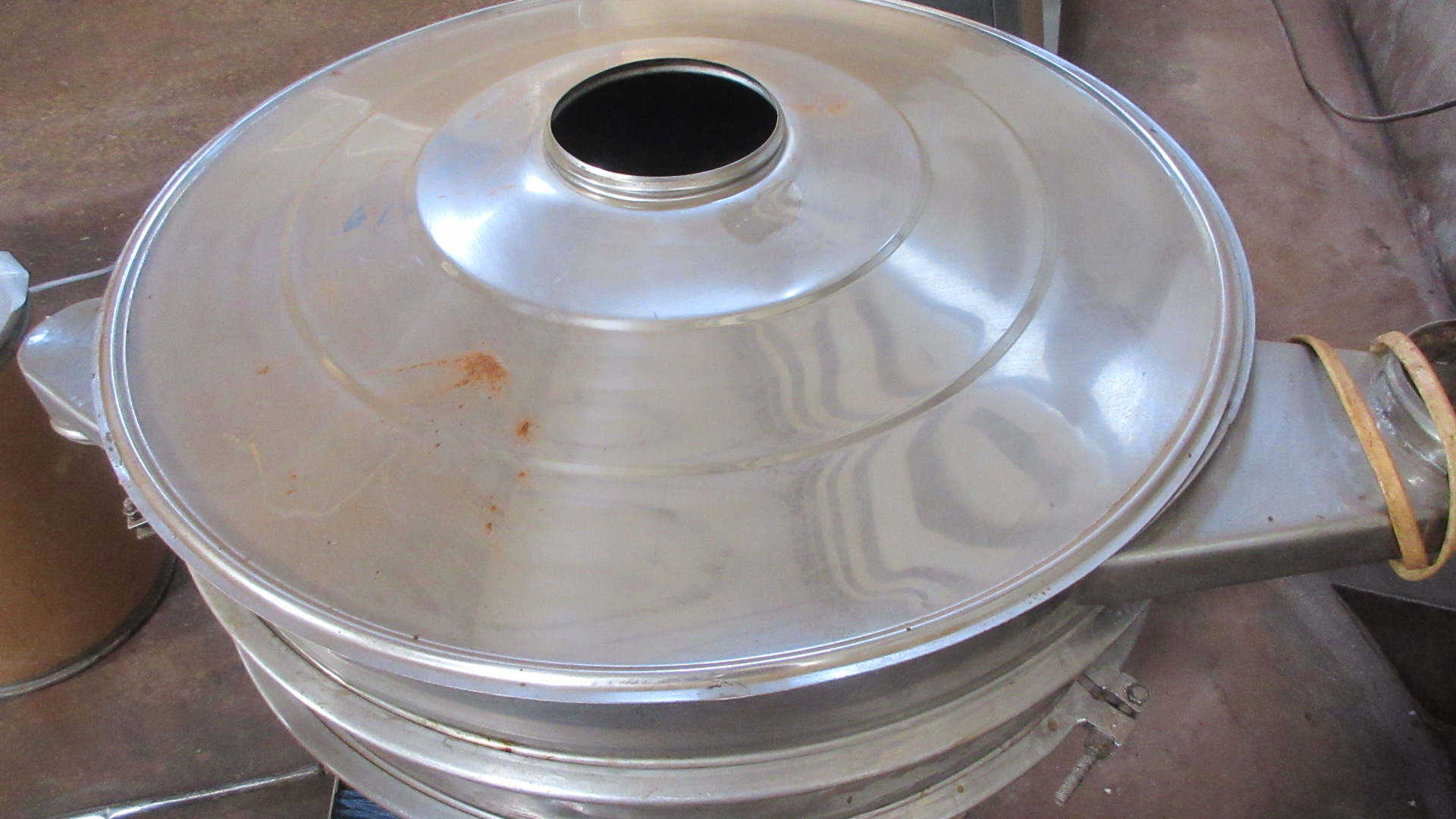
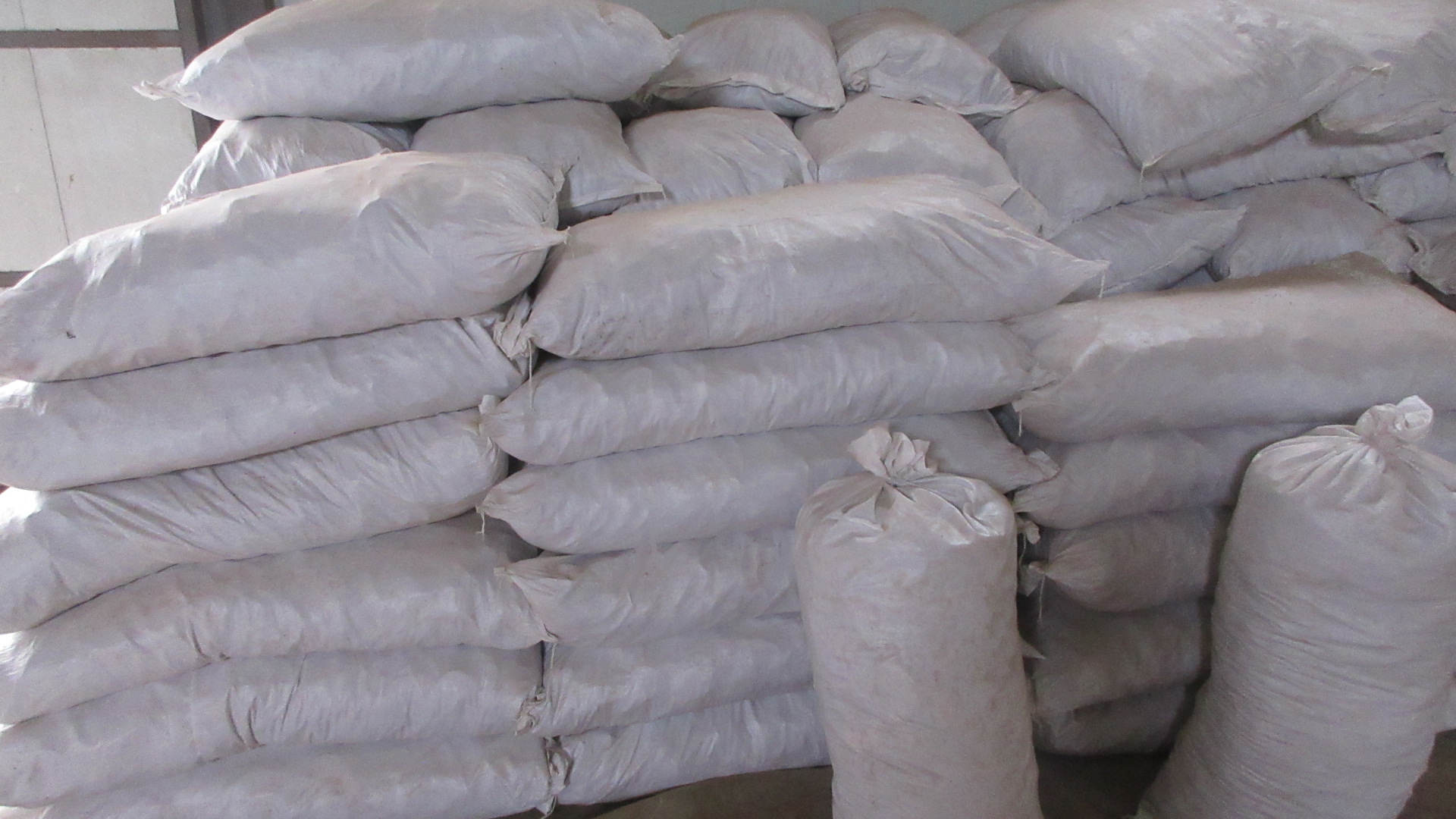
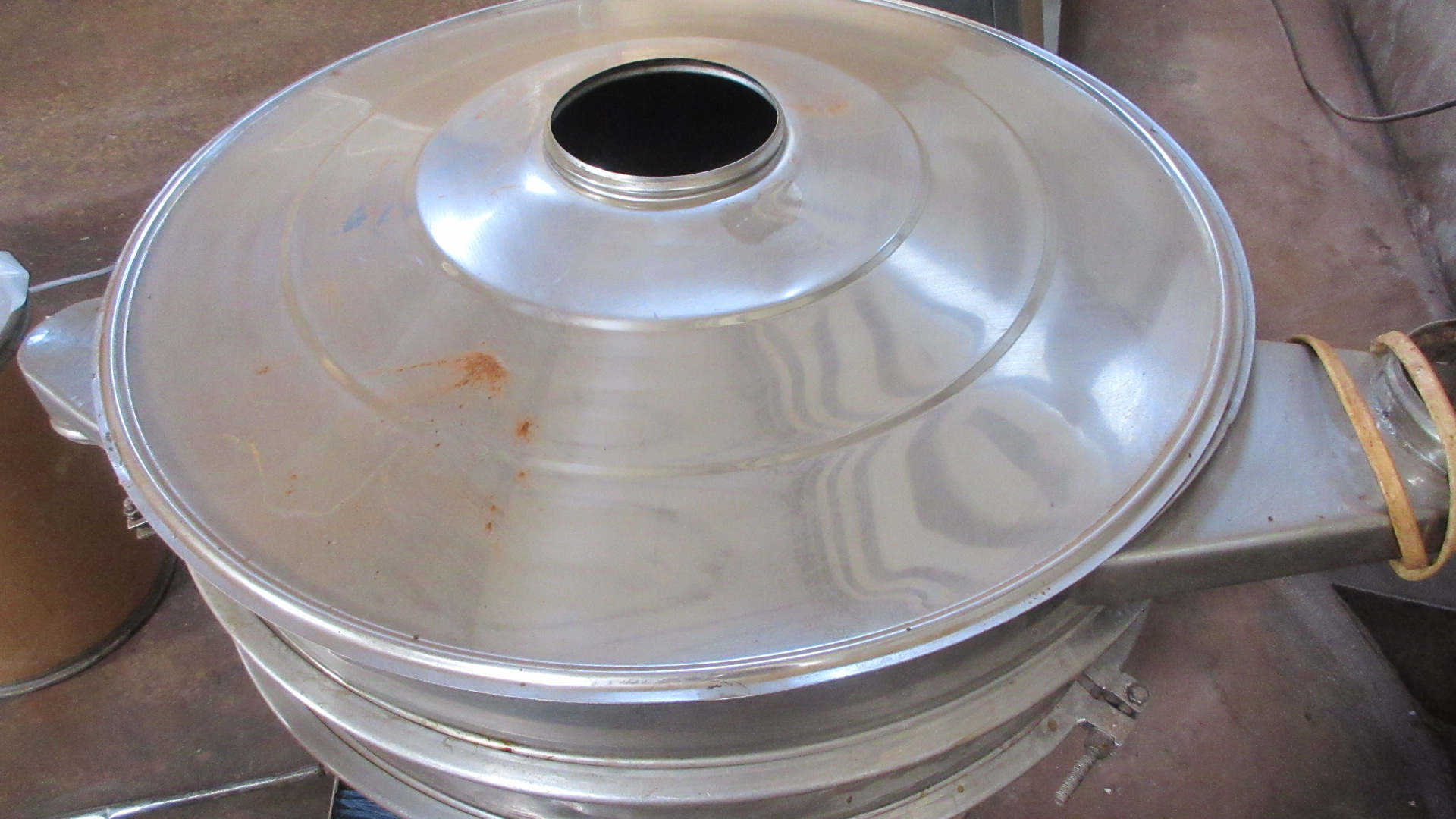
80–120 mesh separation combined with dual rare-earth magnetic traps to guarantee foreign matter exclusion.
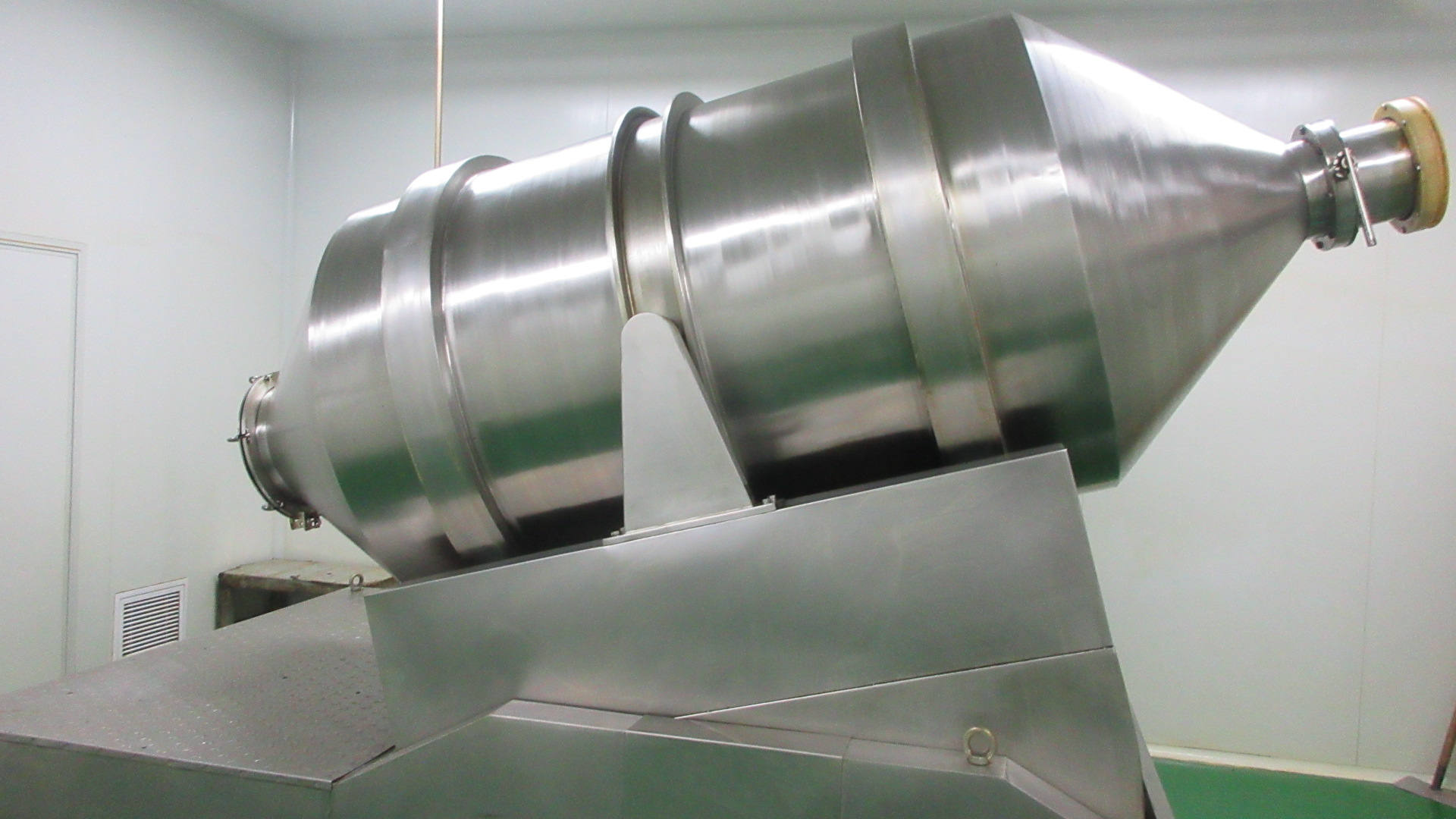
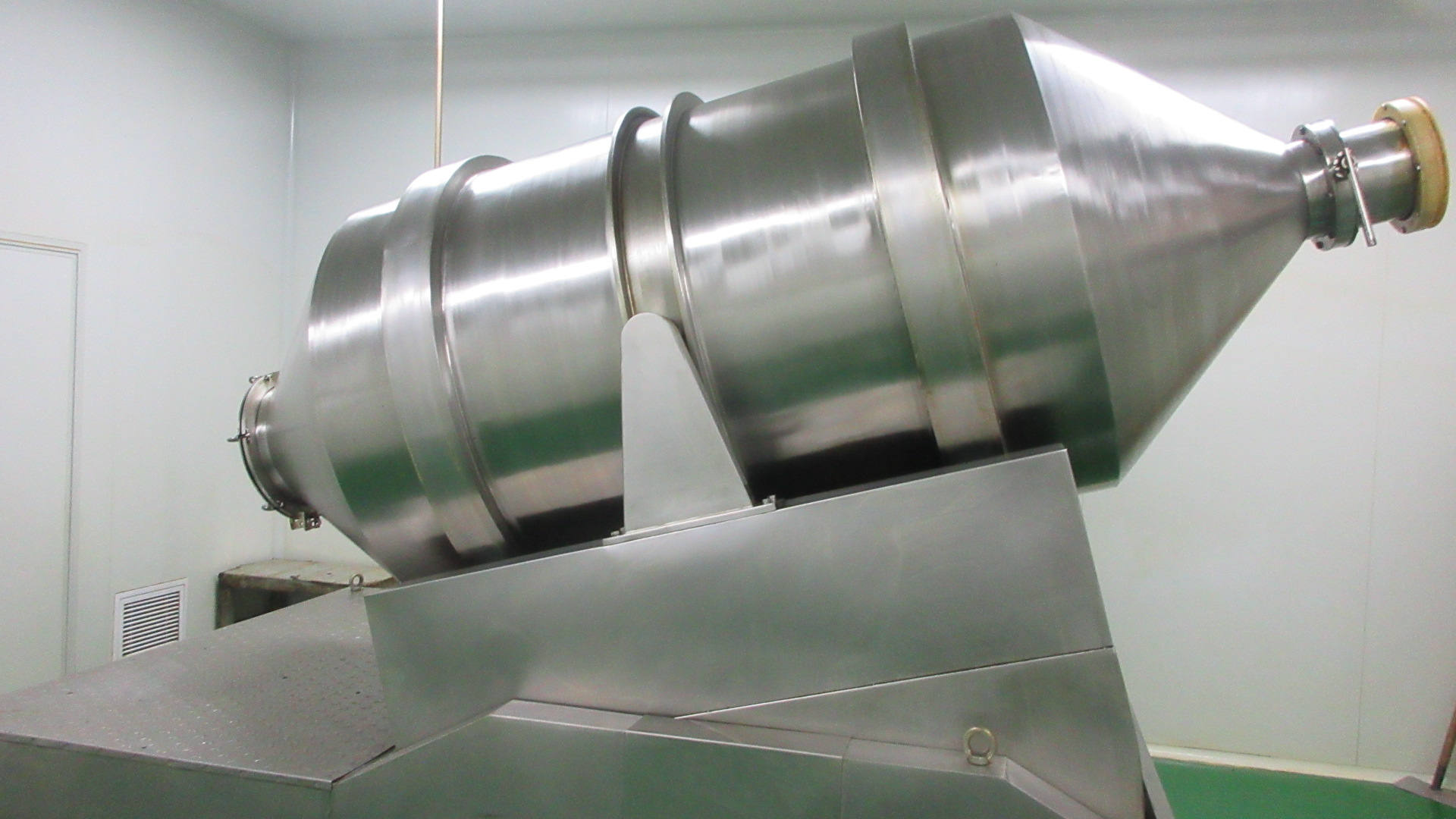
Large-scale double-cone blending ensuring uniform assay and optical density across batch quantities.
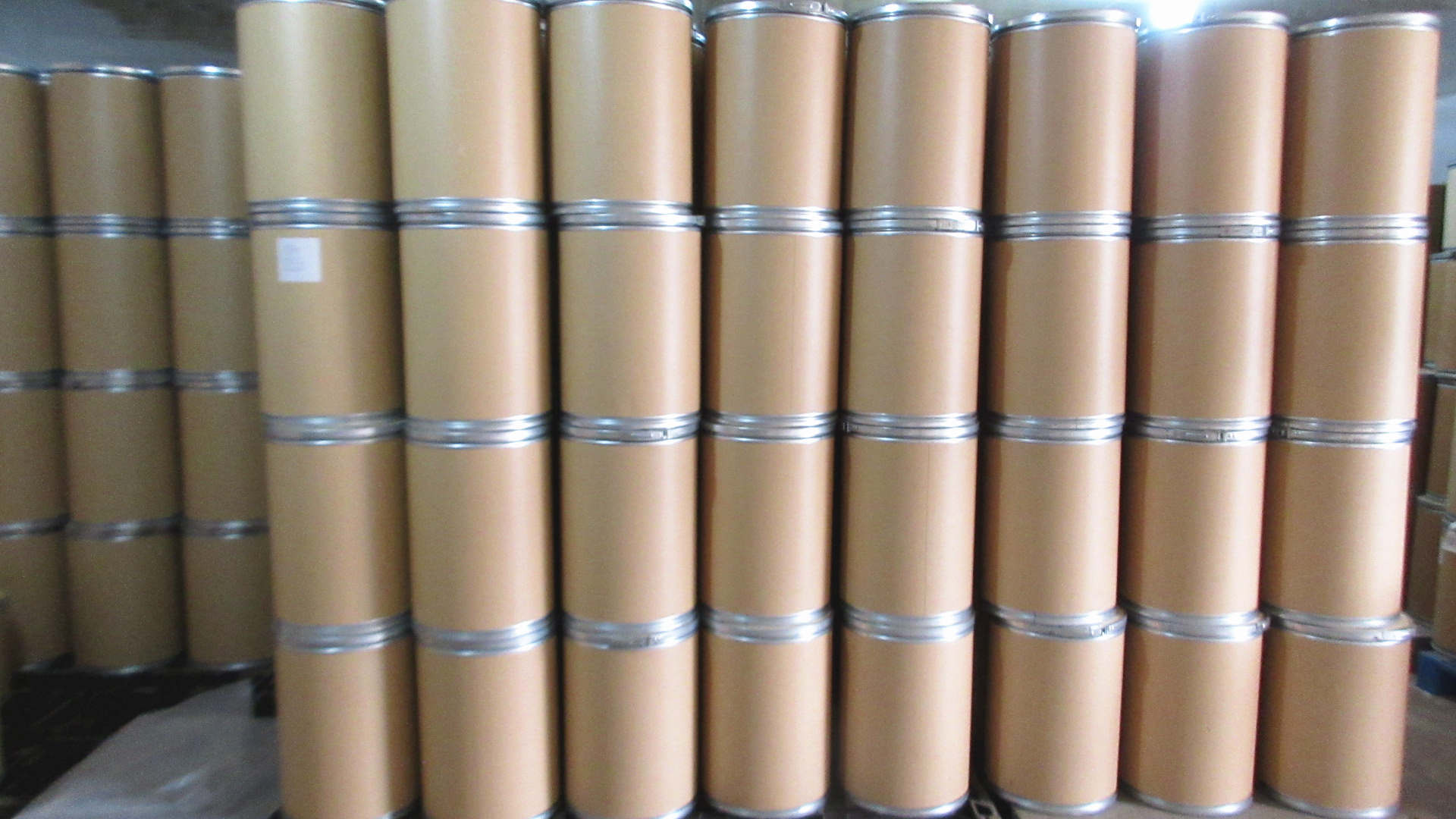
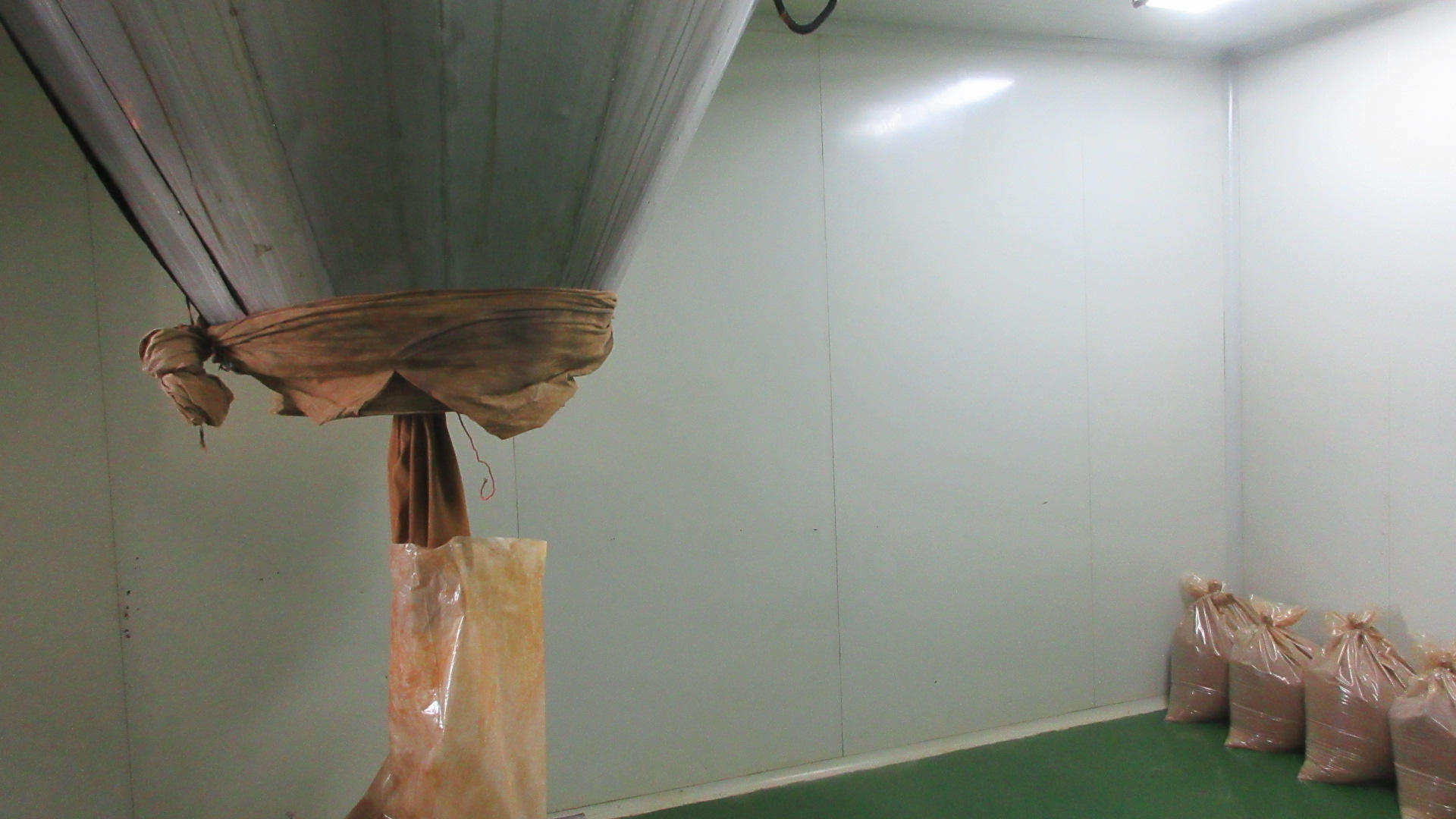
Double pharmaceutical-grade polyethylene liner sealed within tamper-proof fiber drums in a Grade D cleanroom.
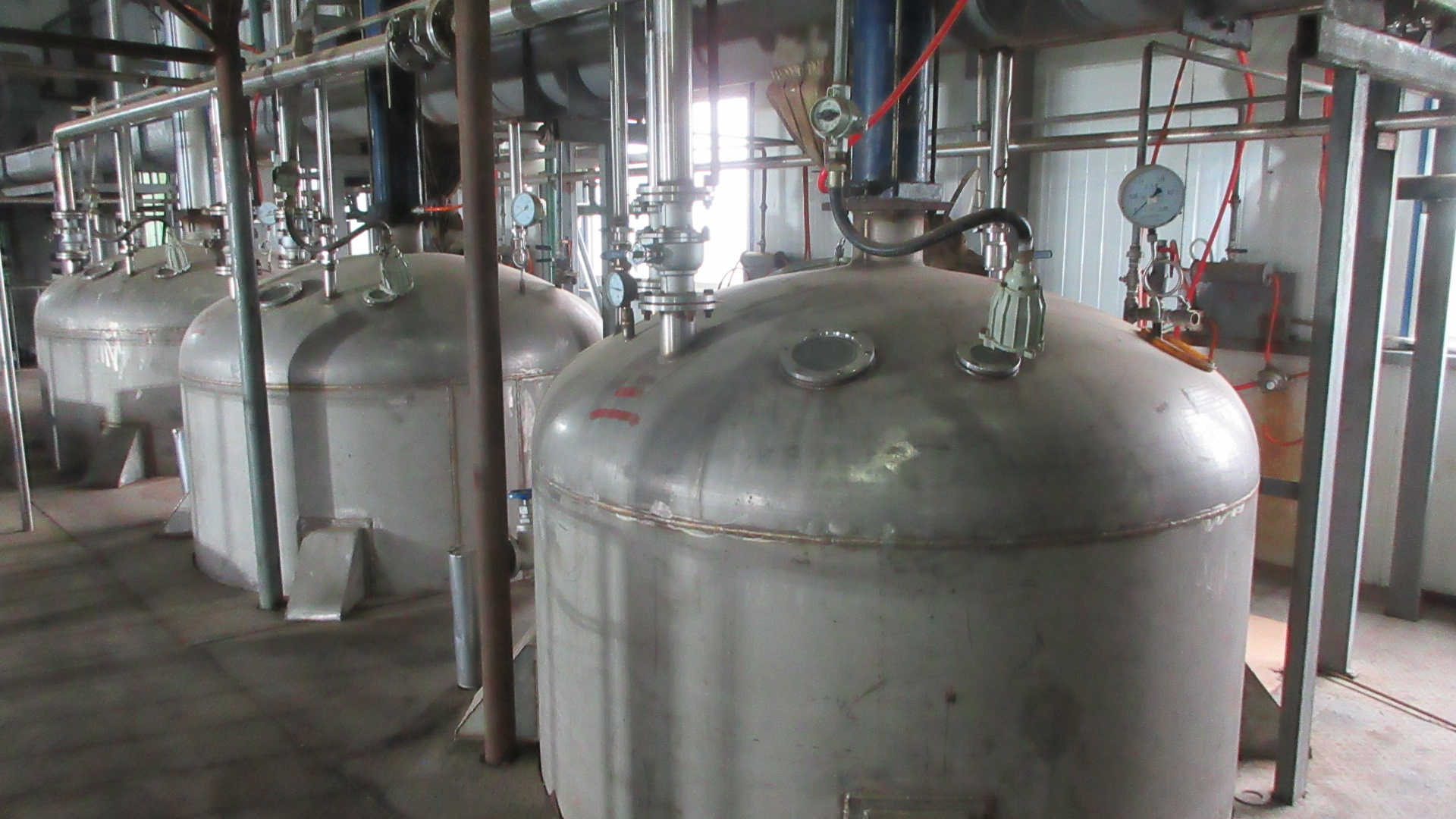
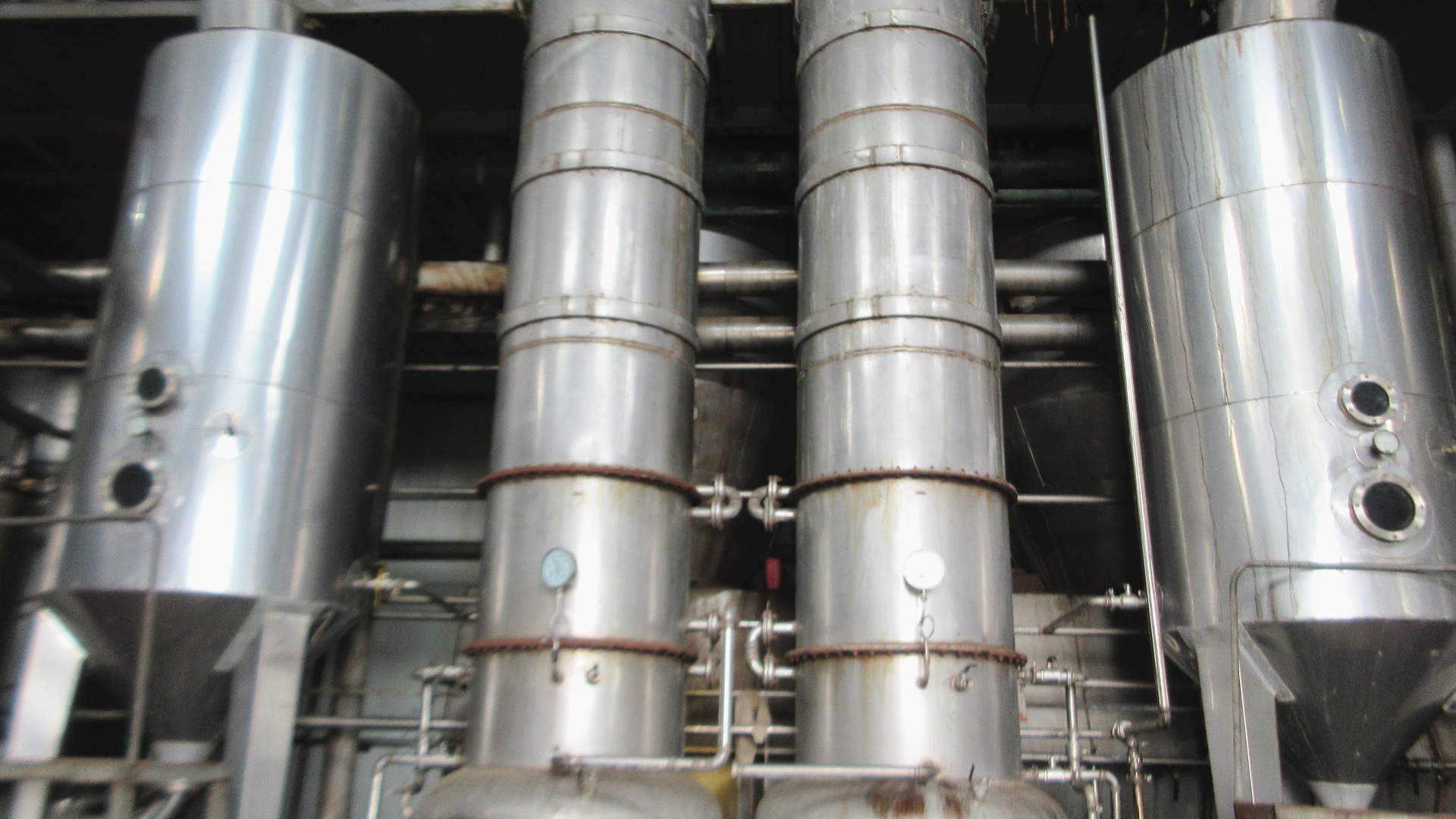
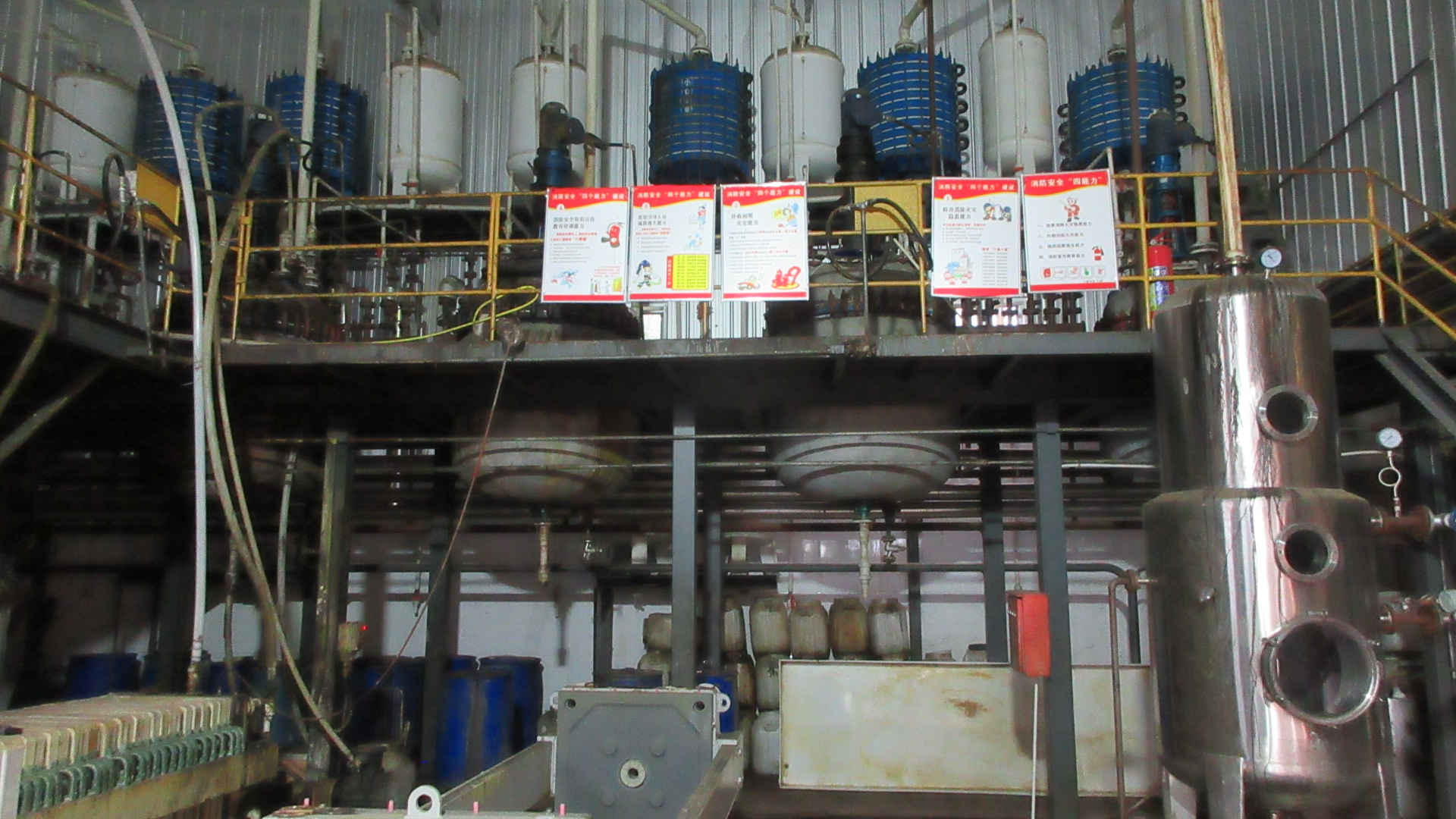
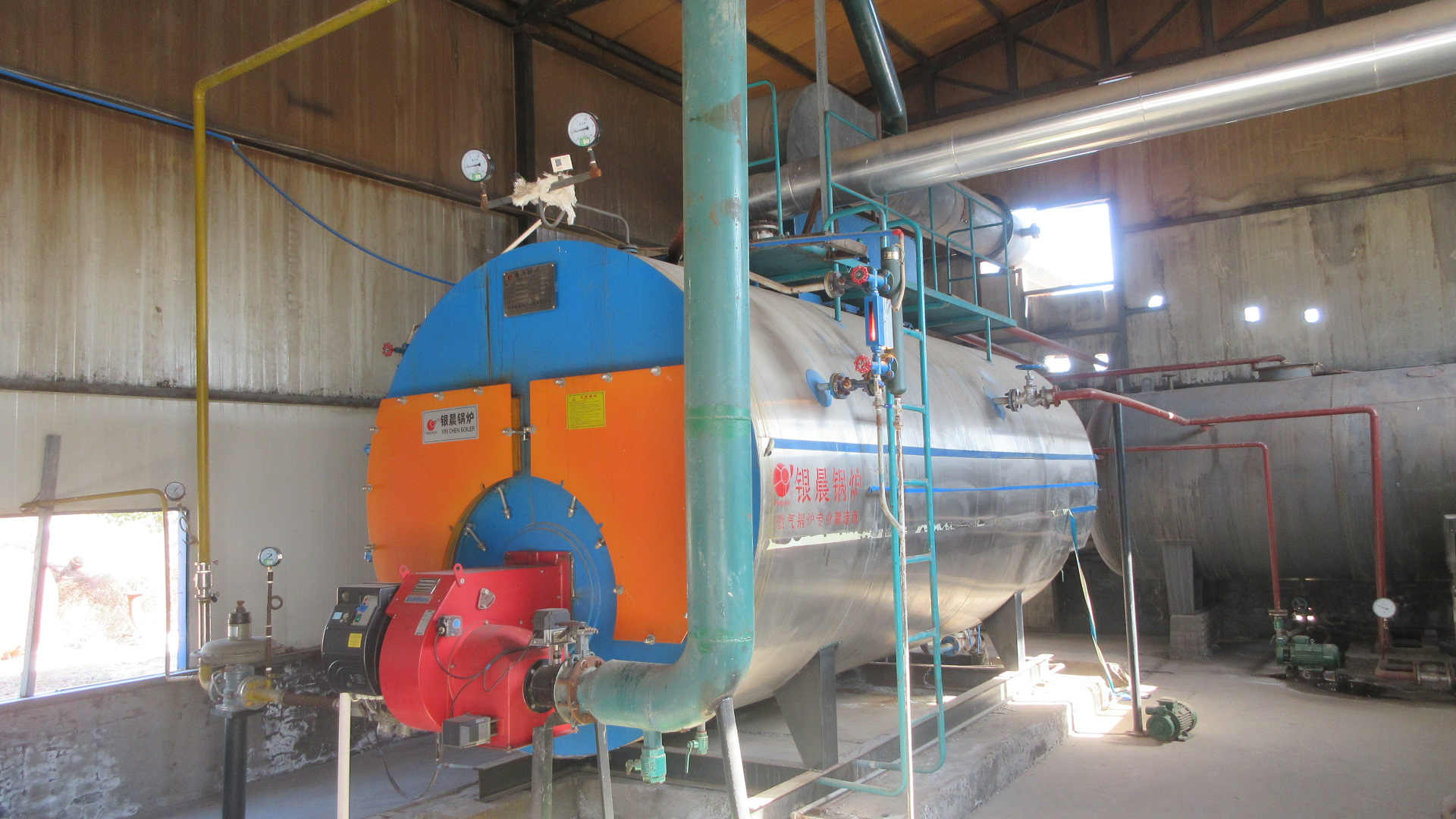
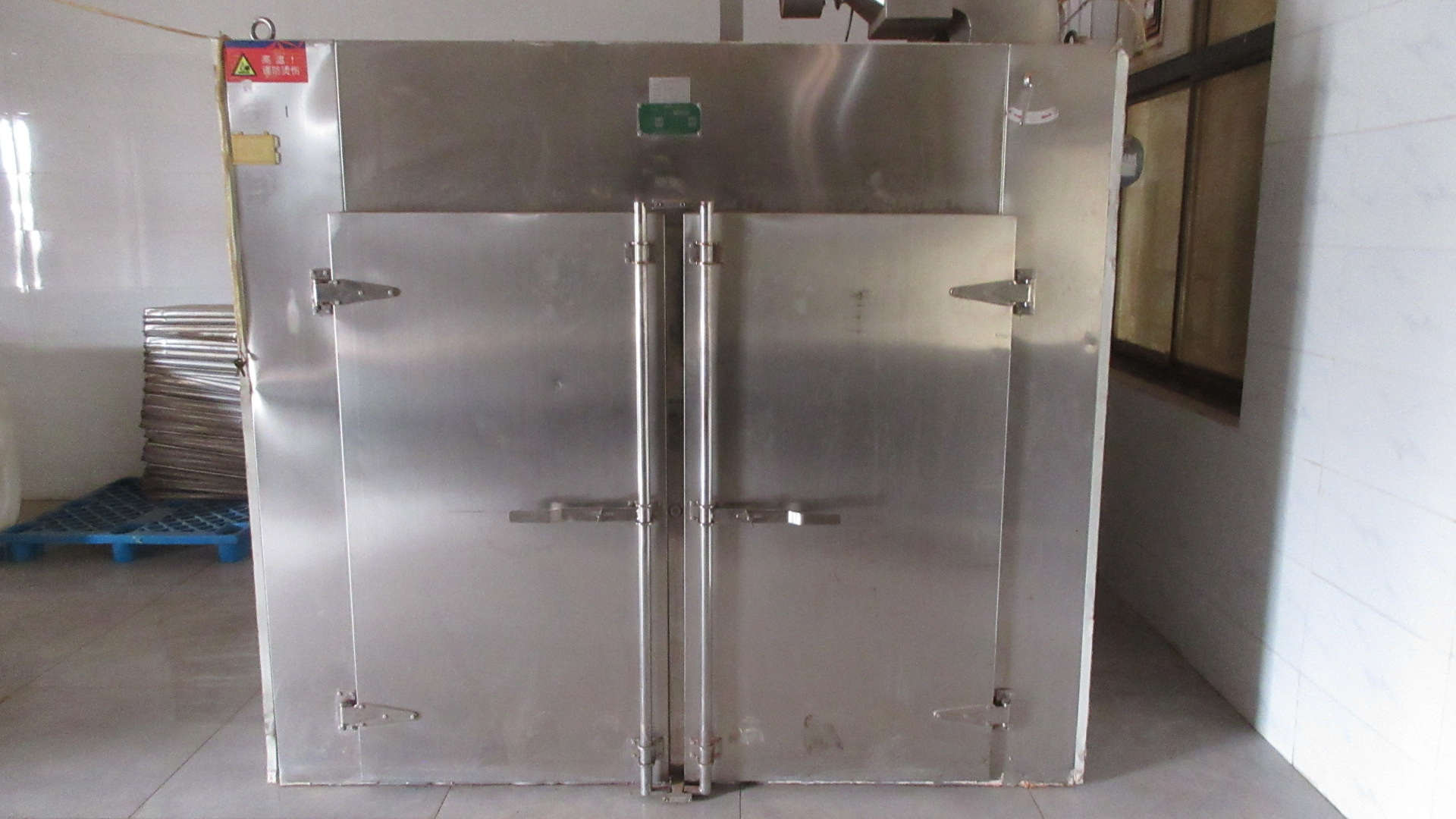
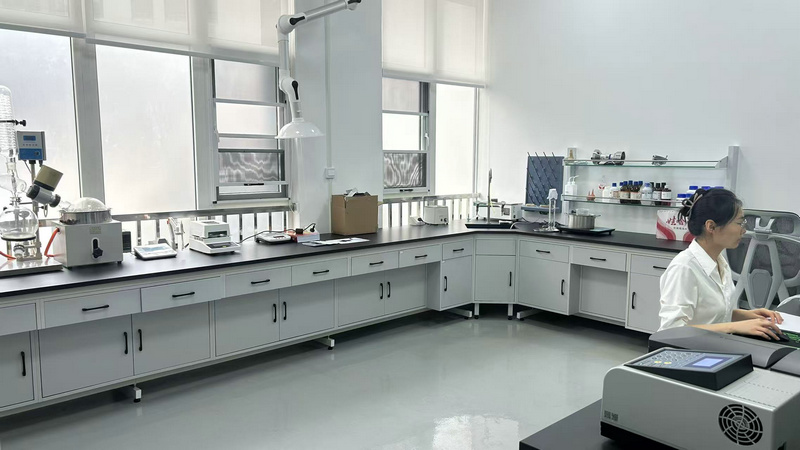
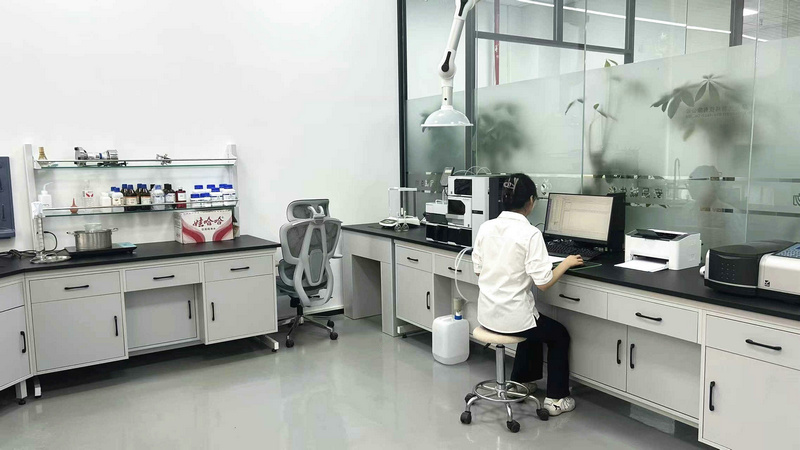
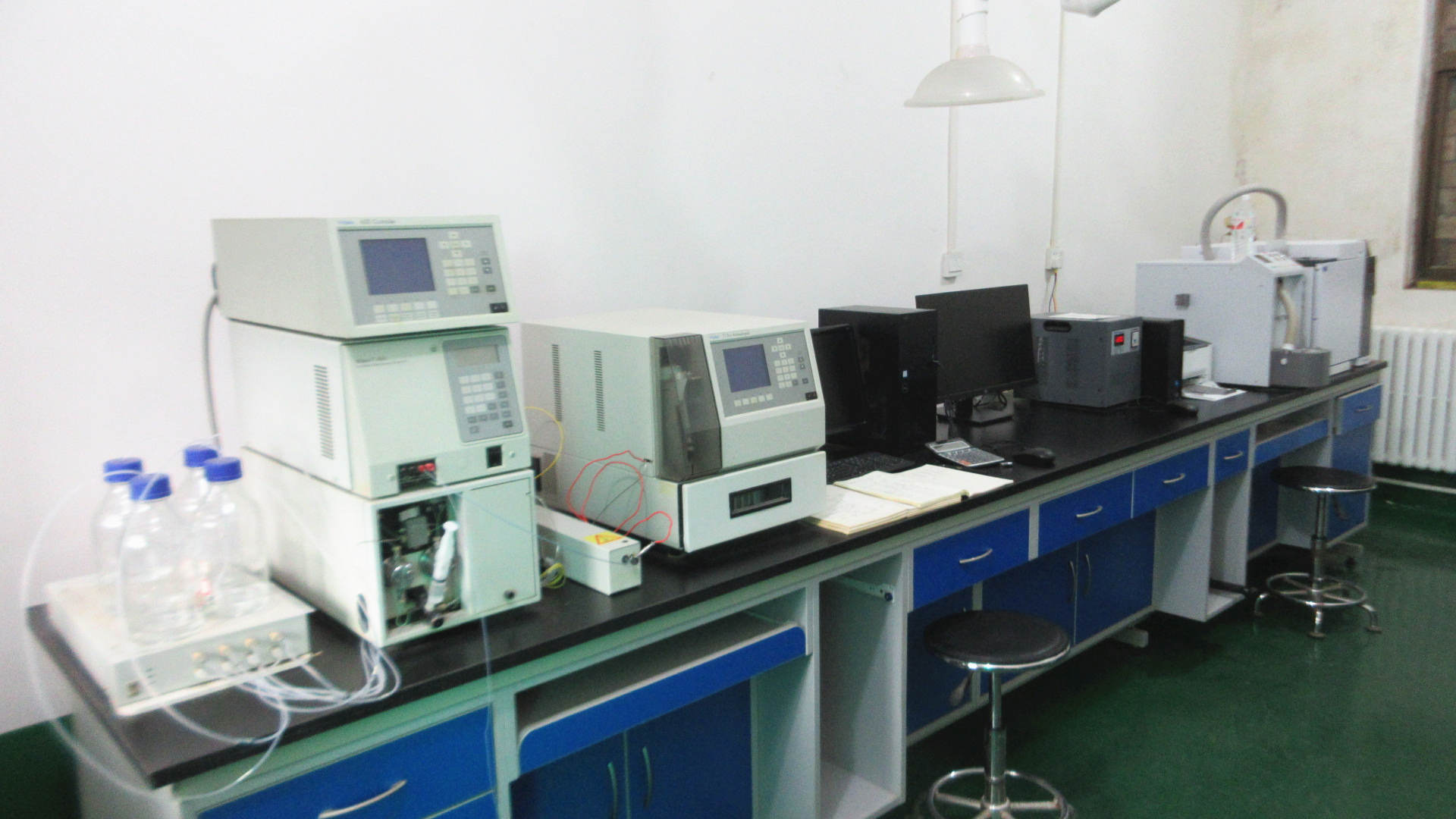
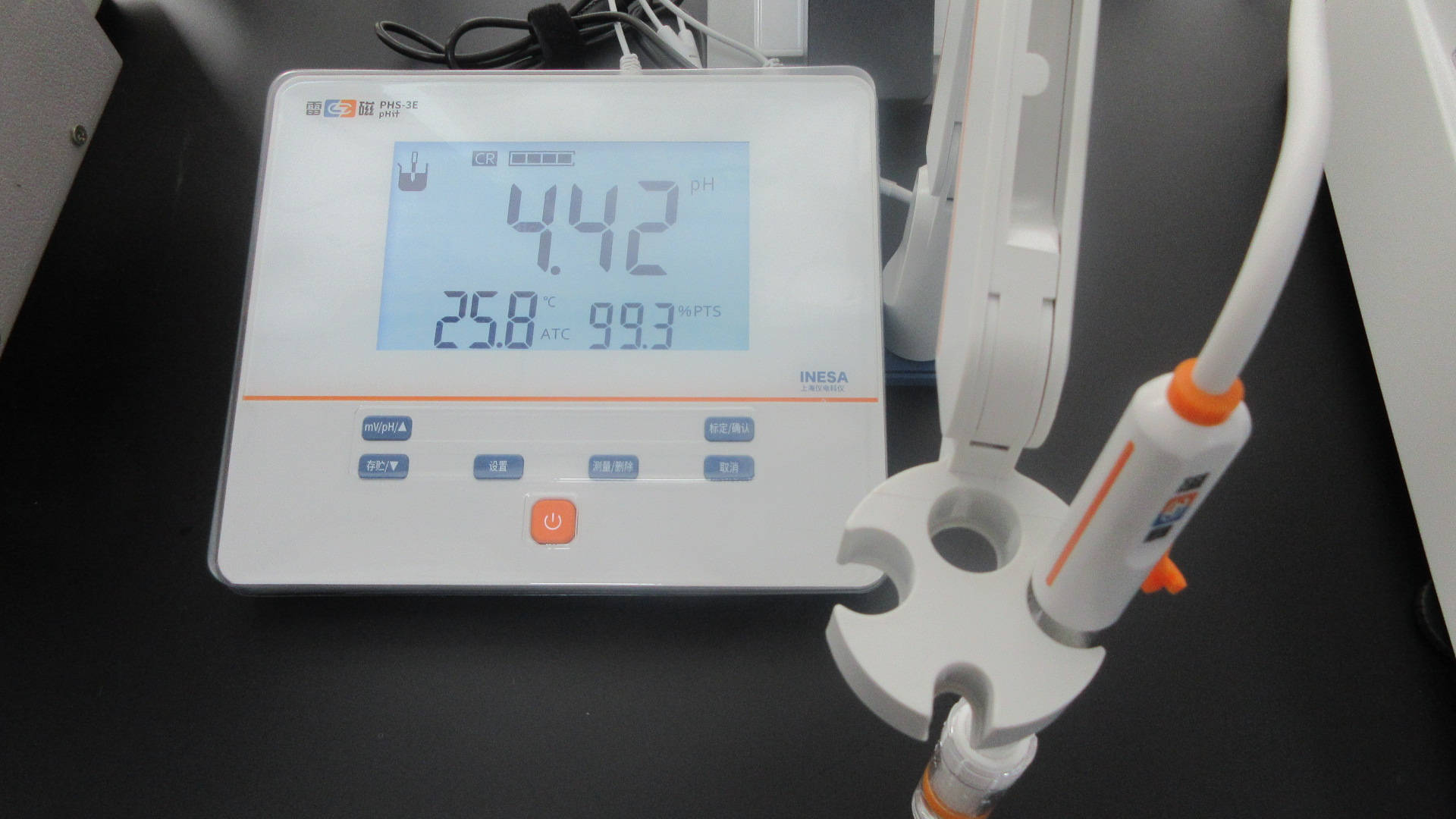
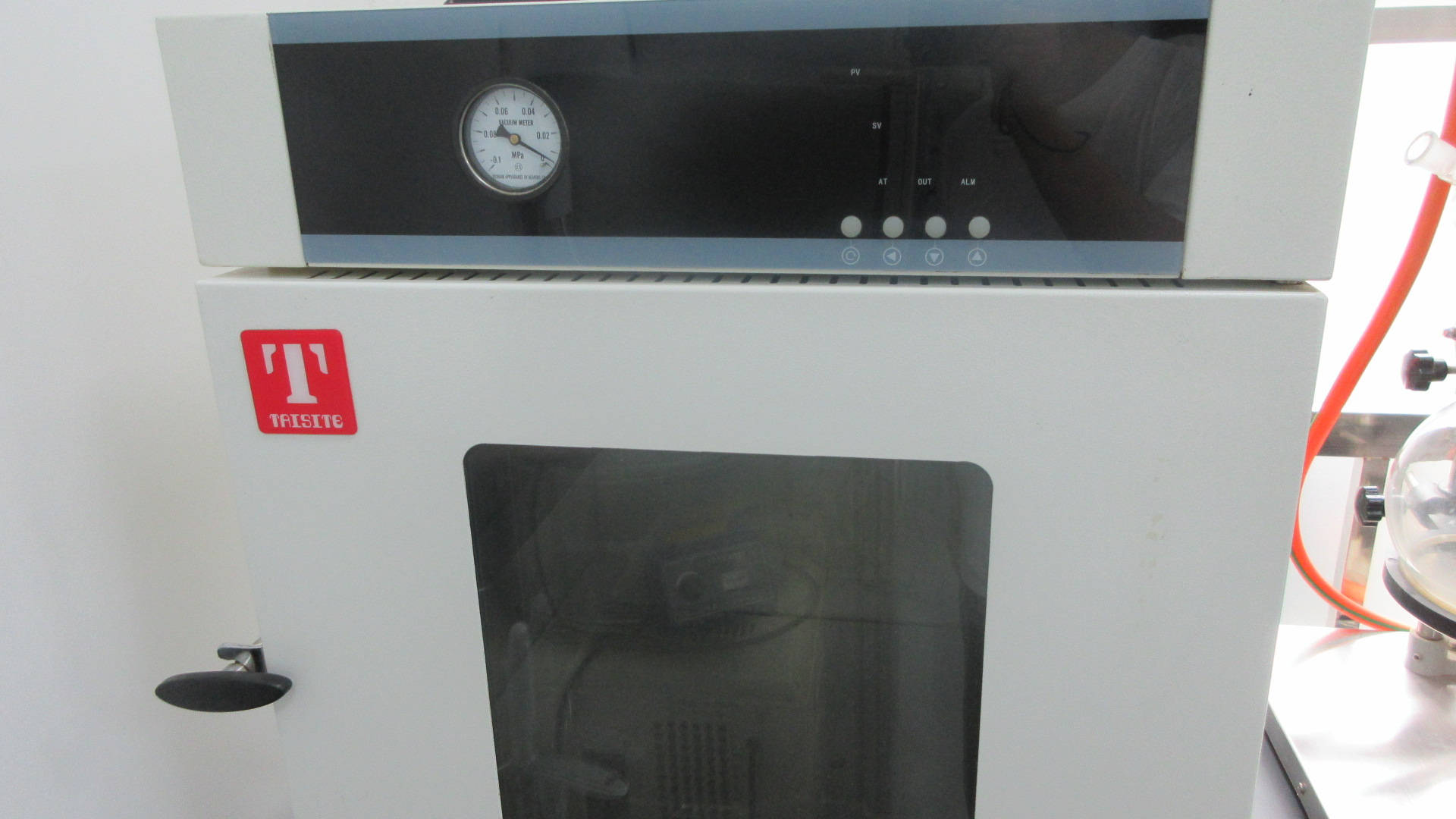
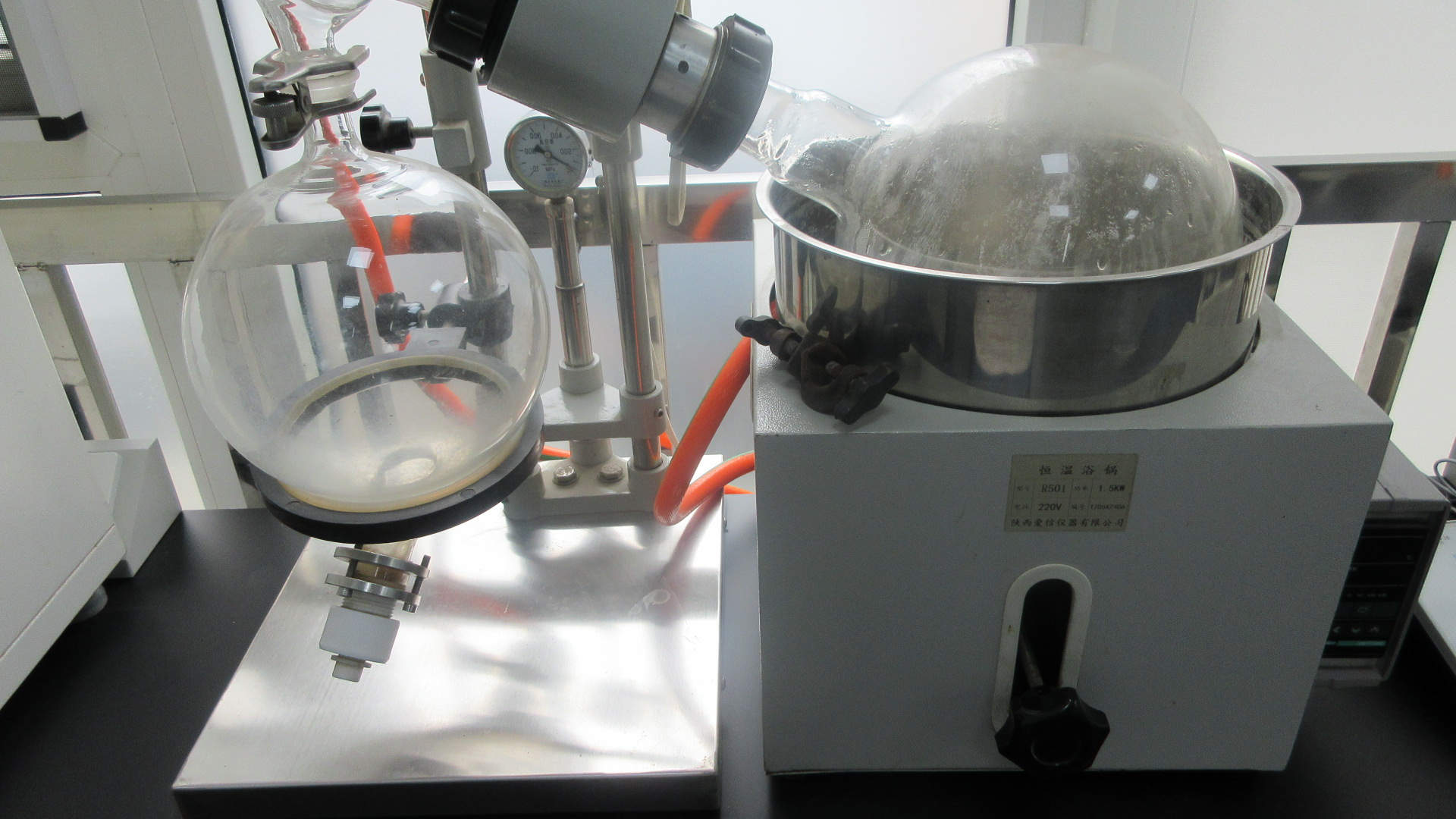
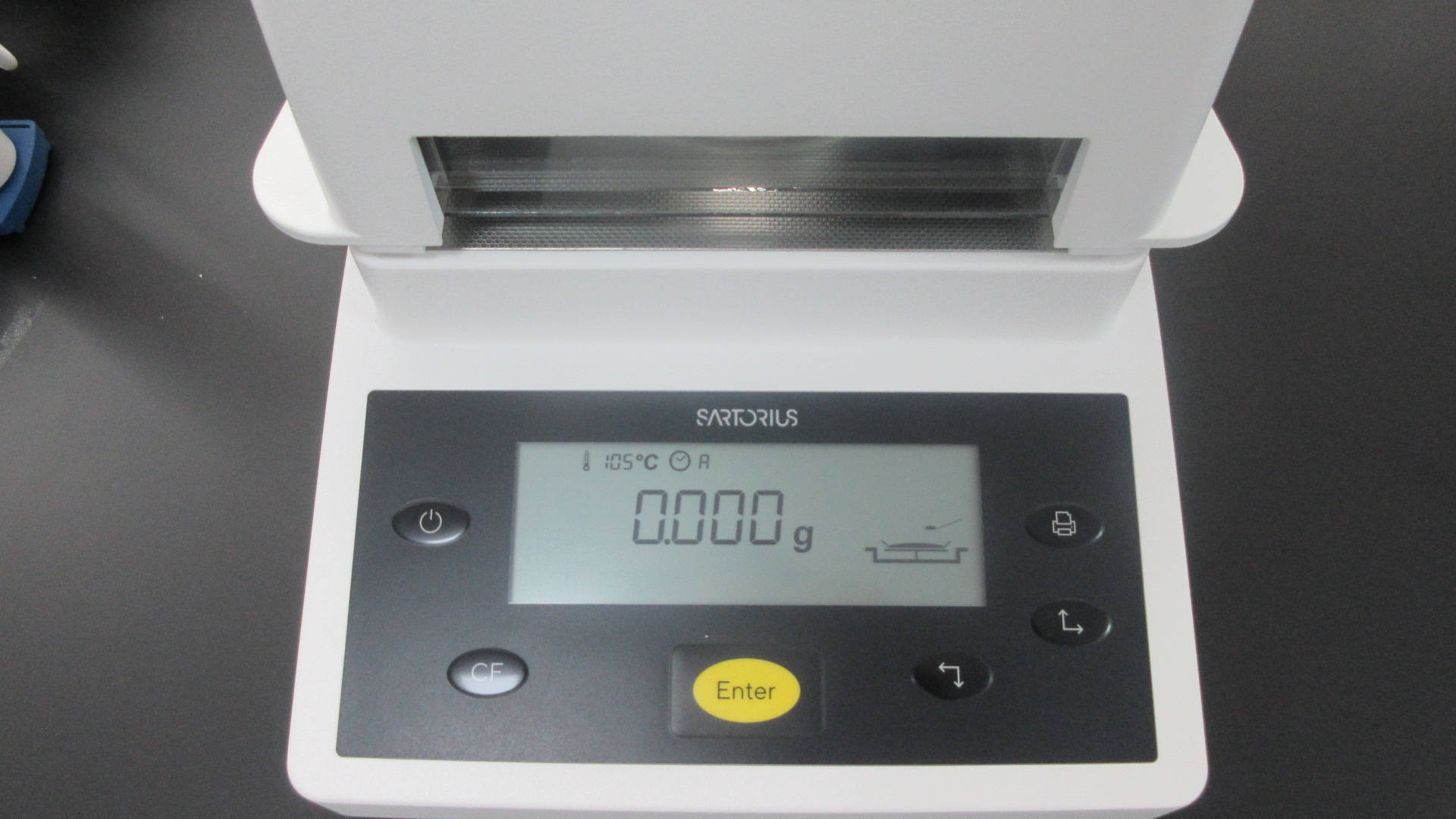
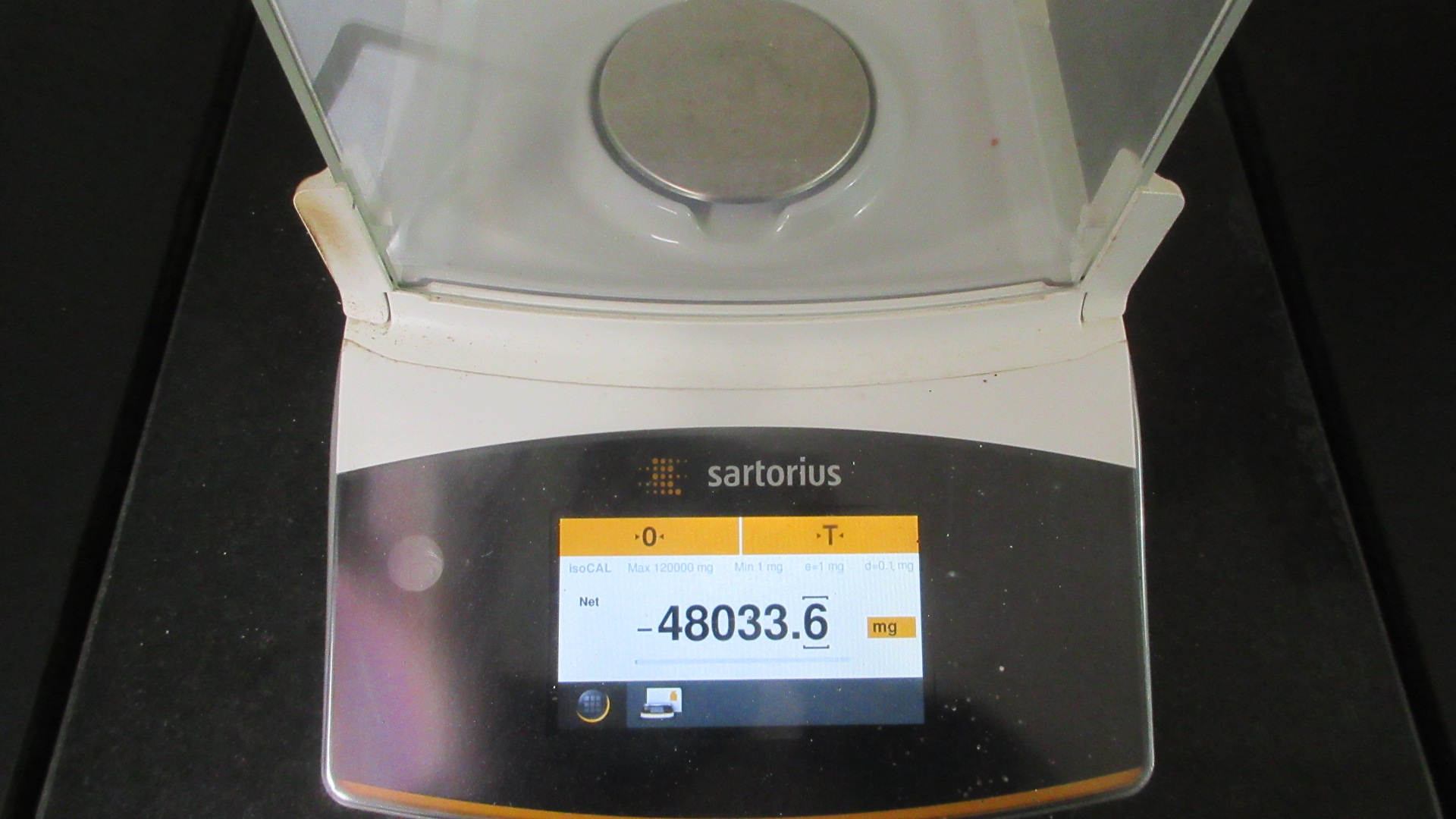
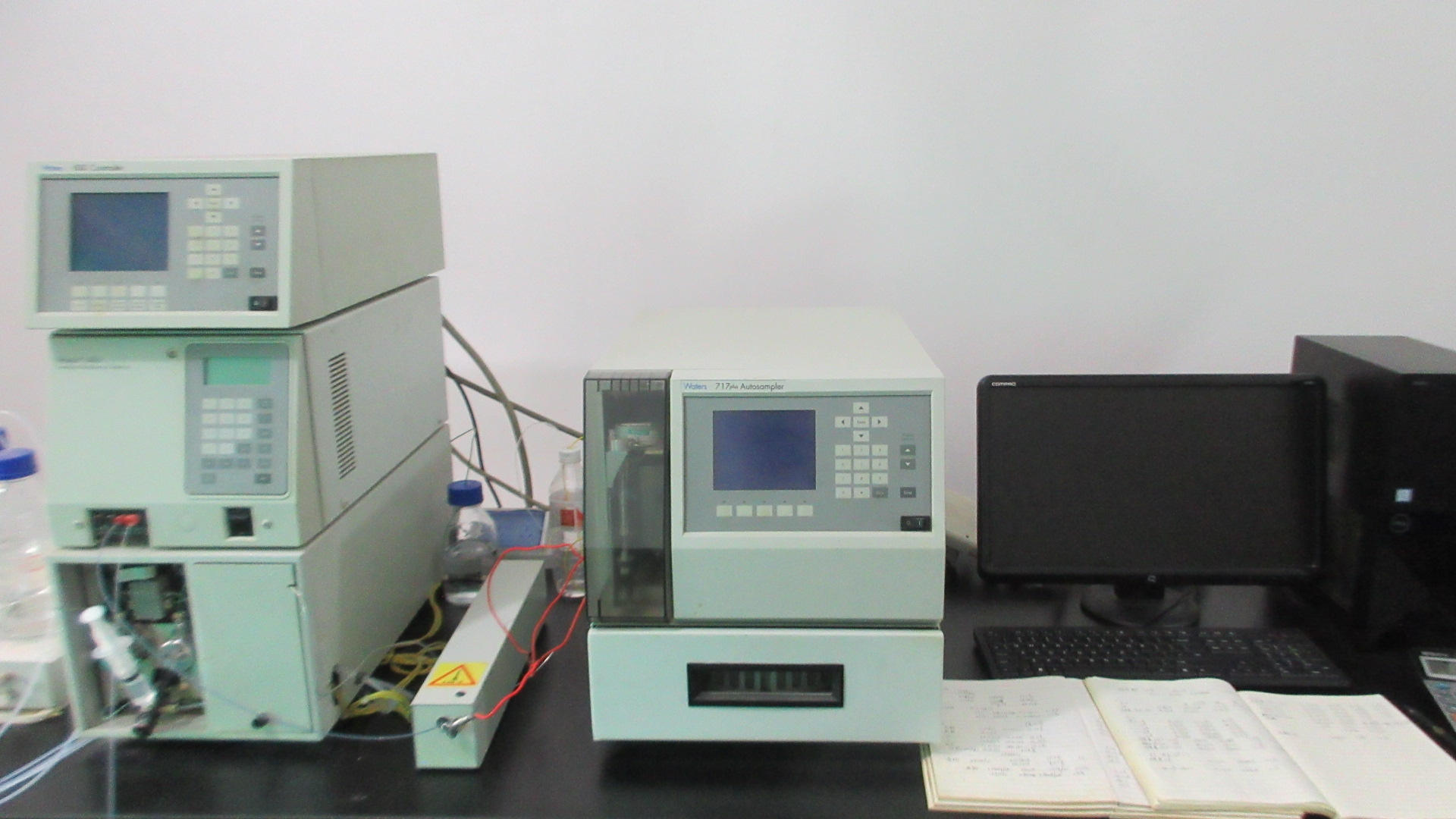
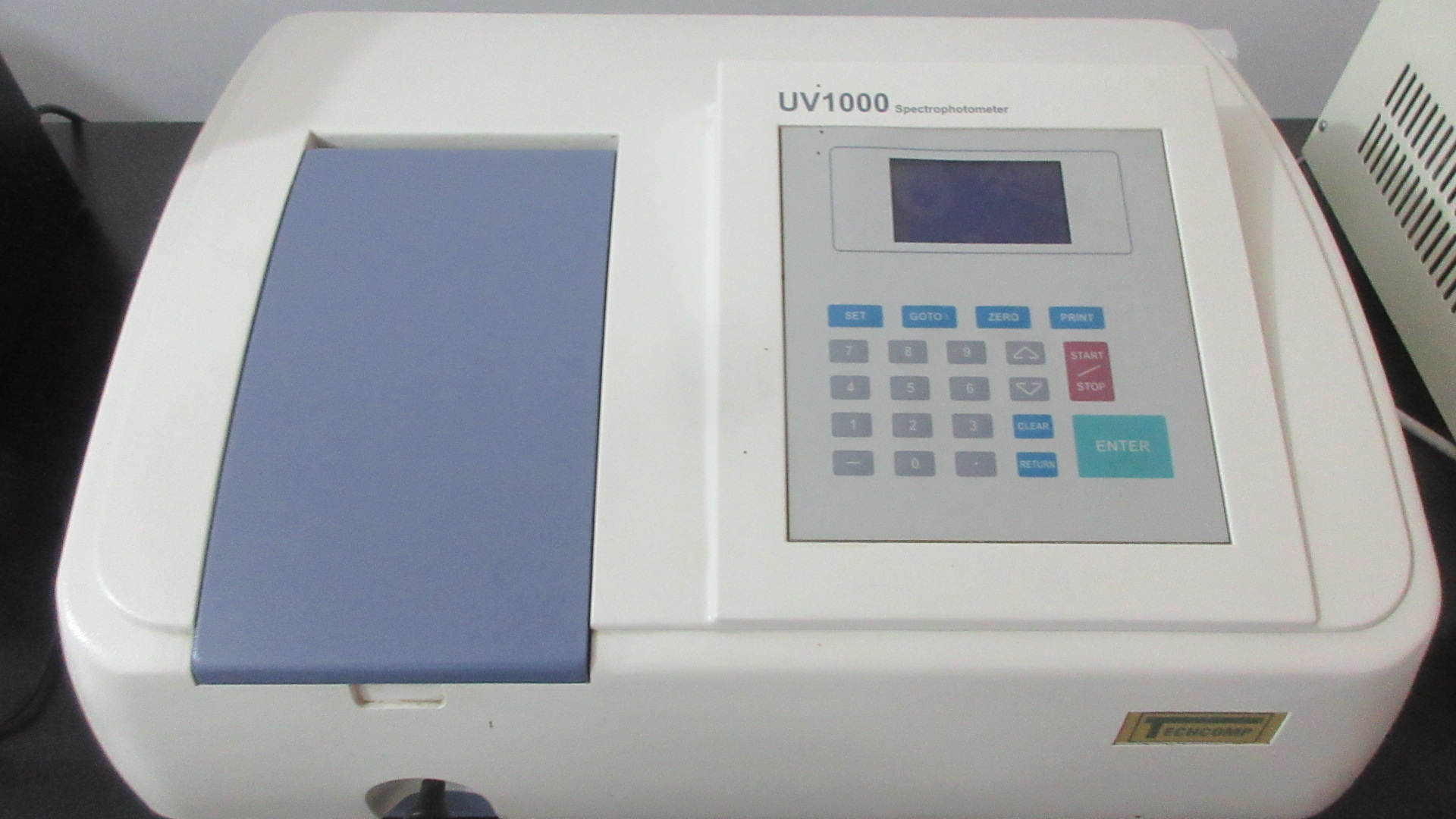
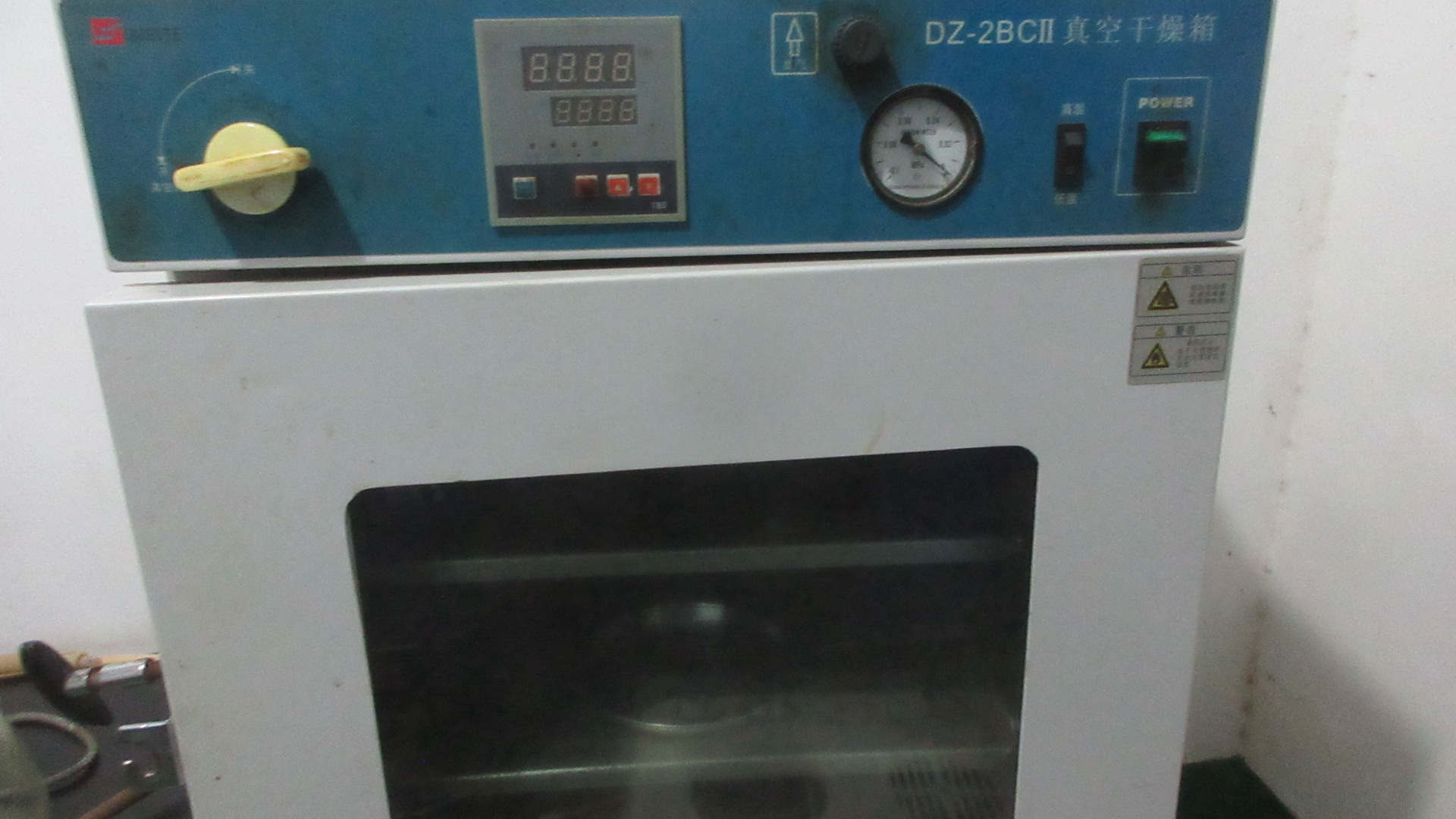
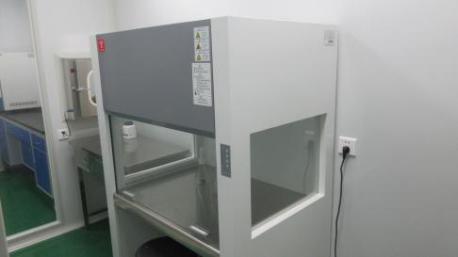
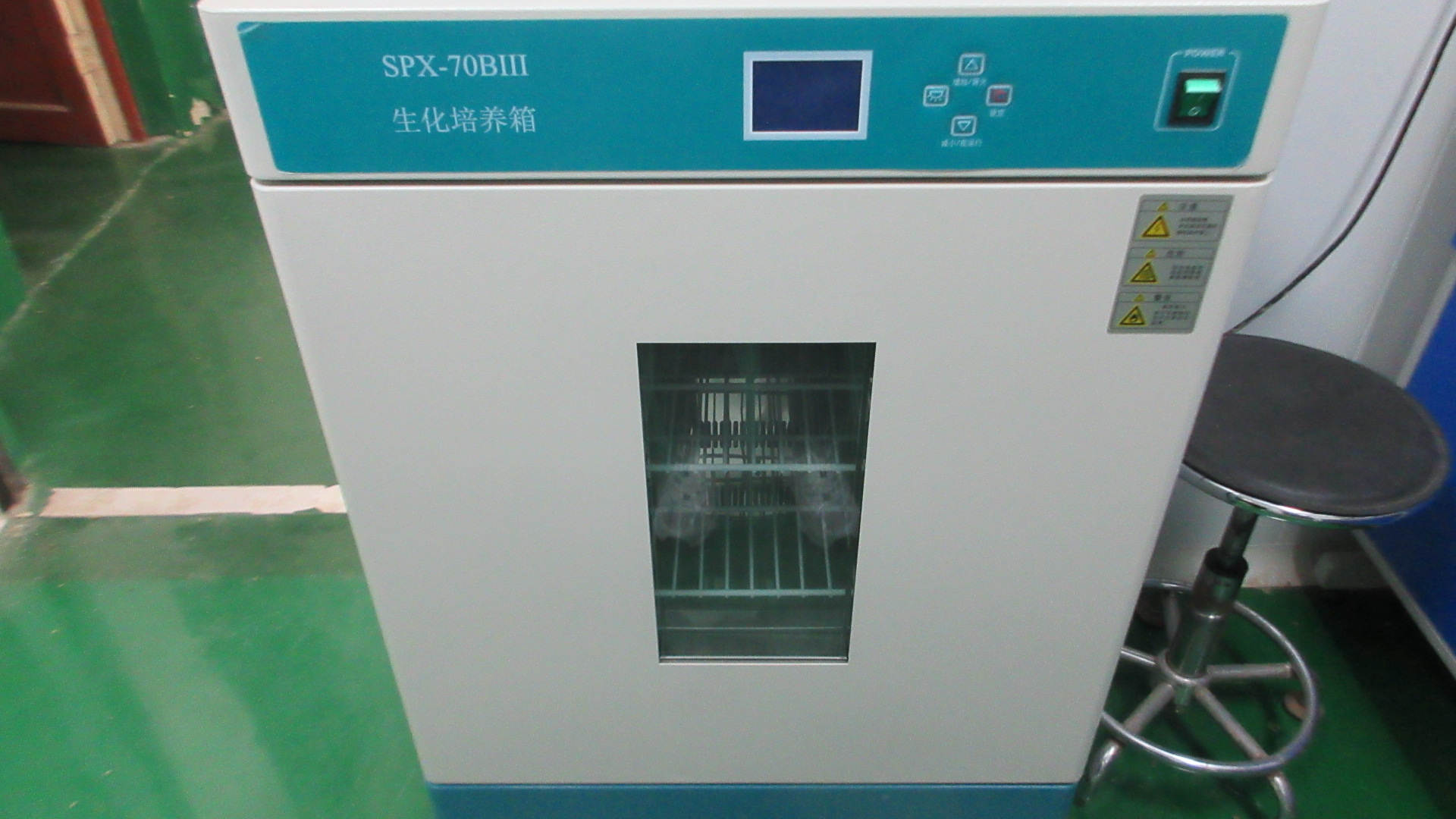
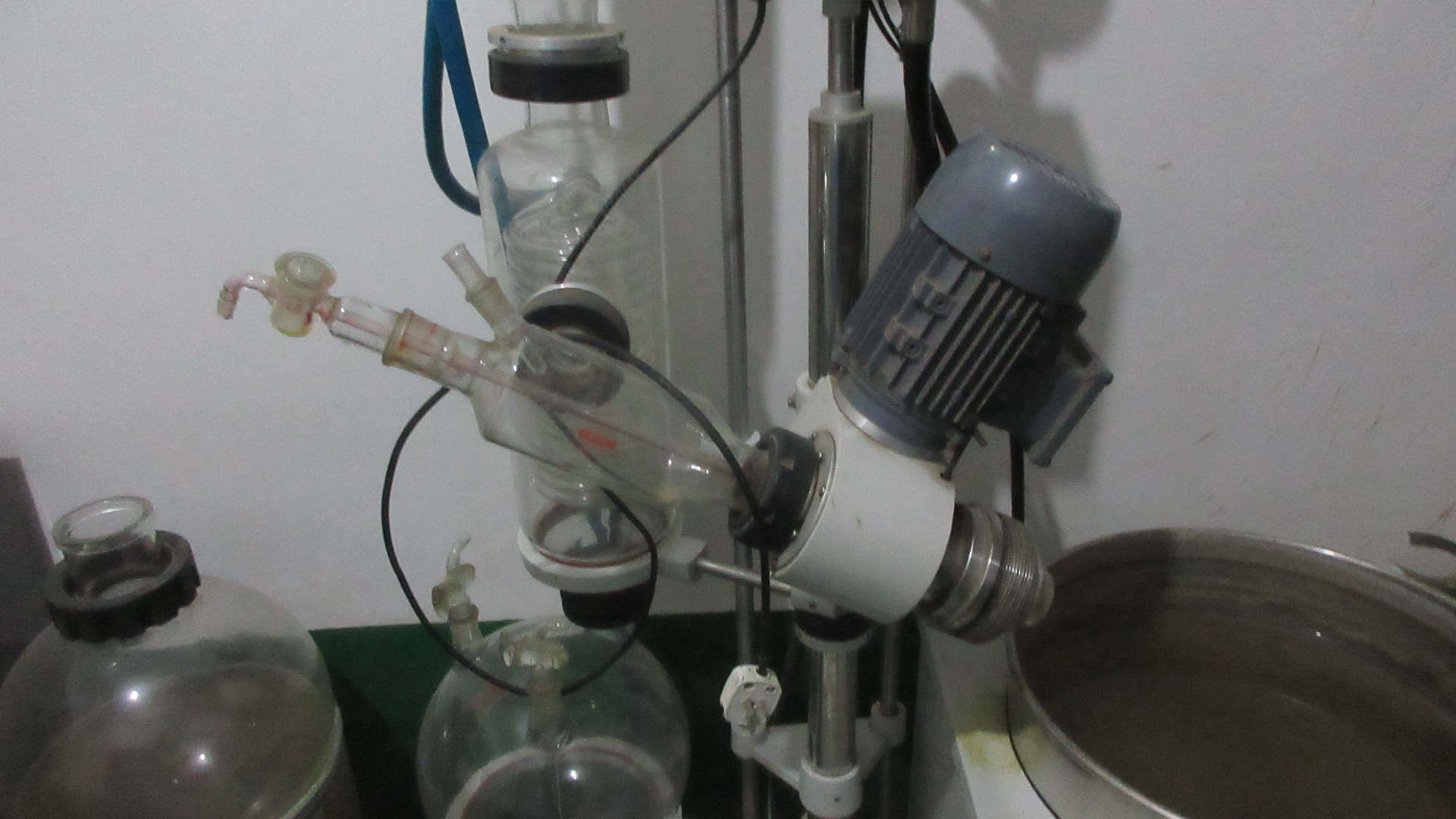
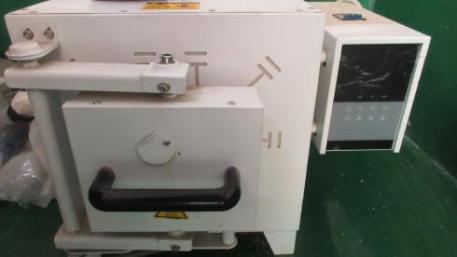
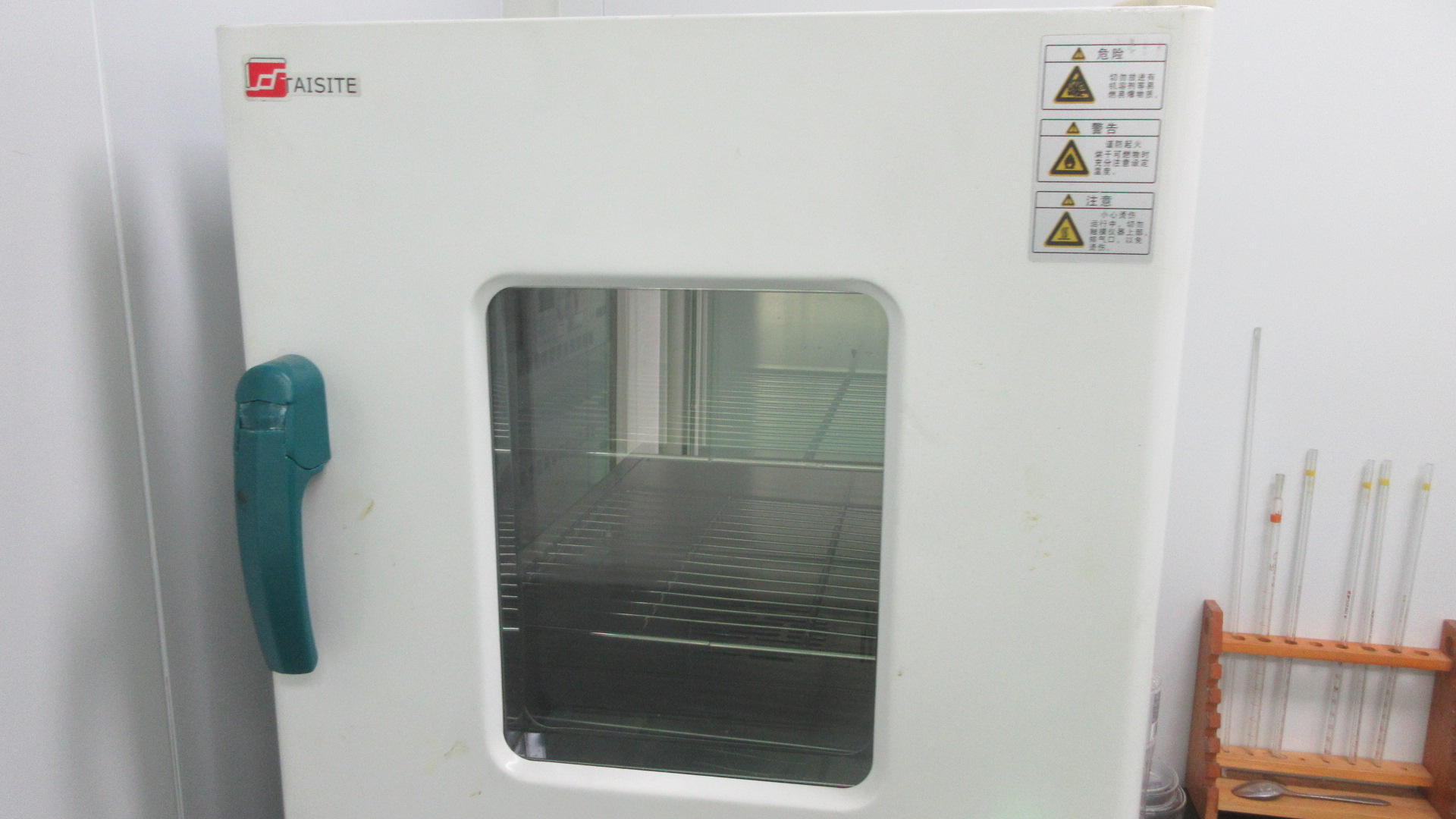
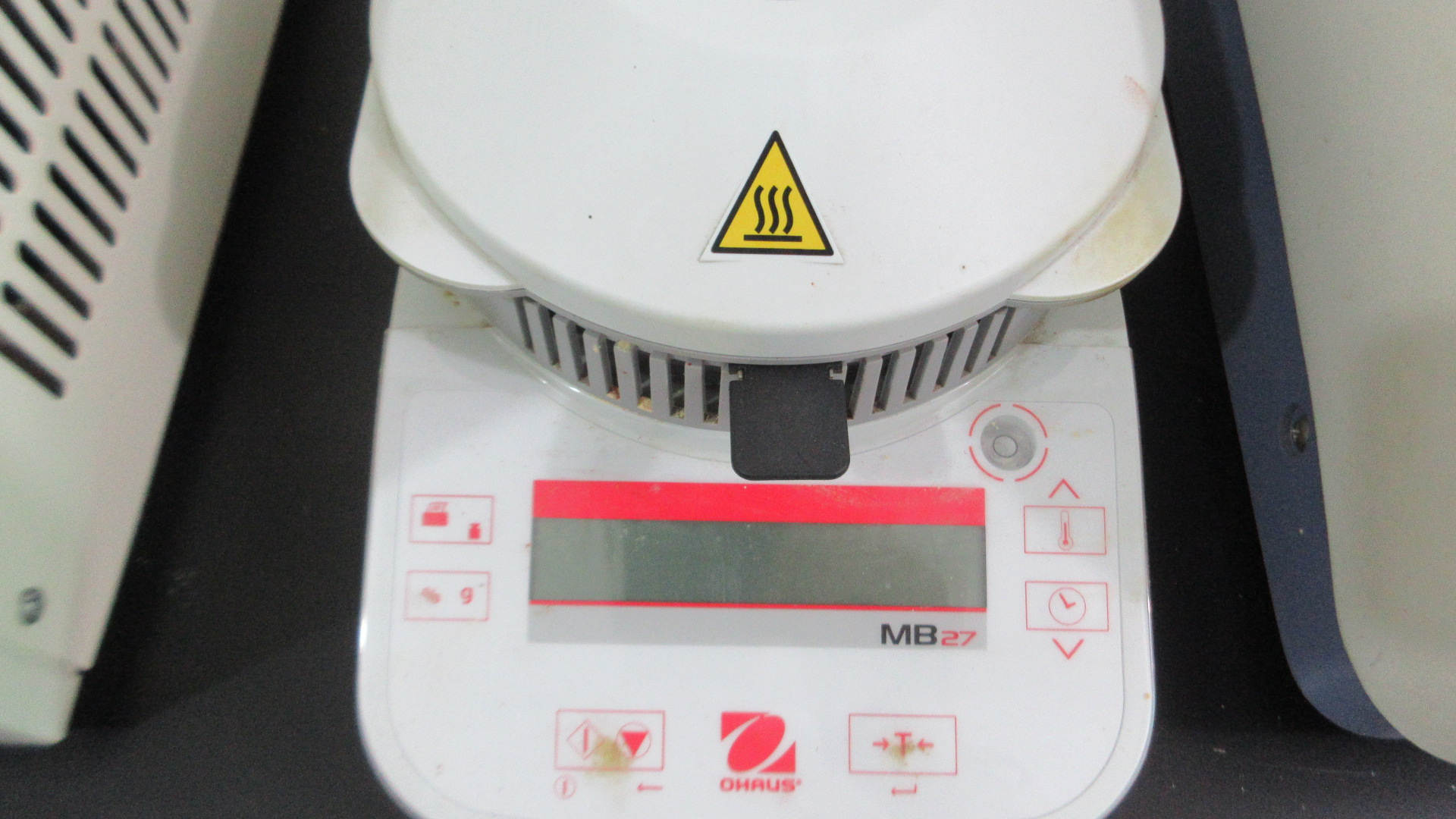
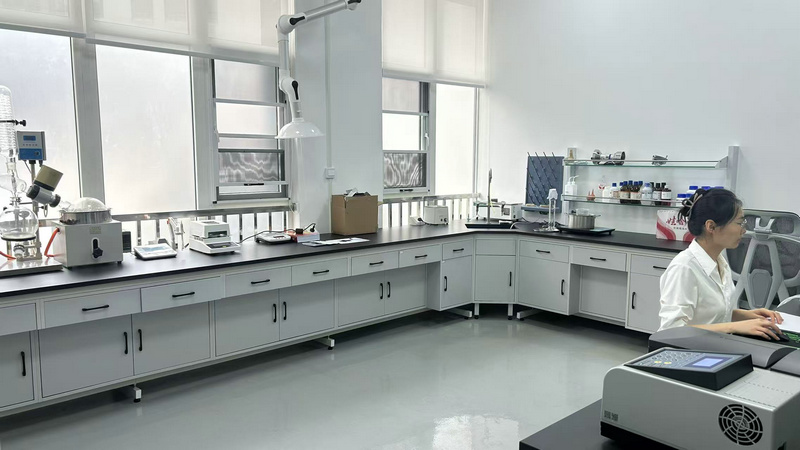
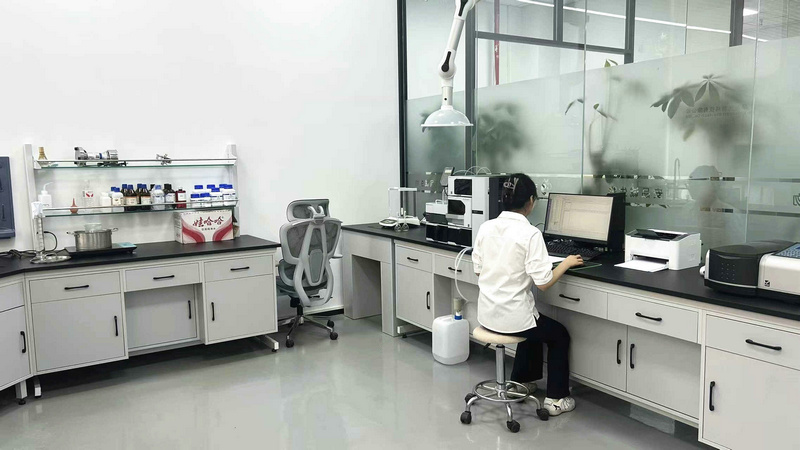
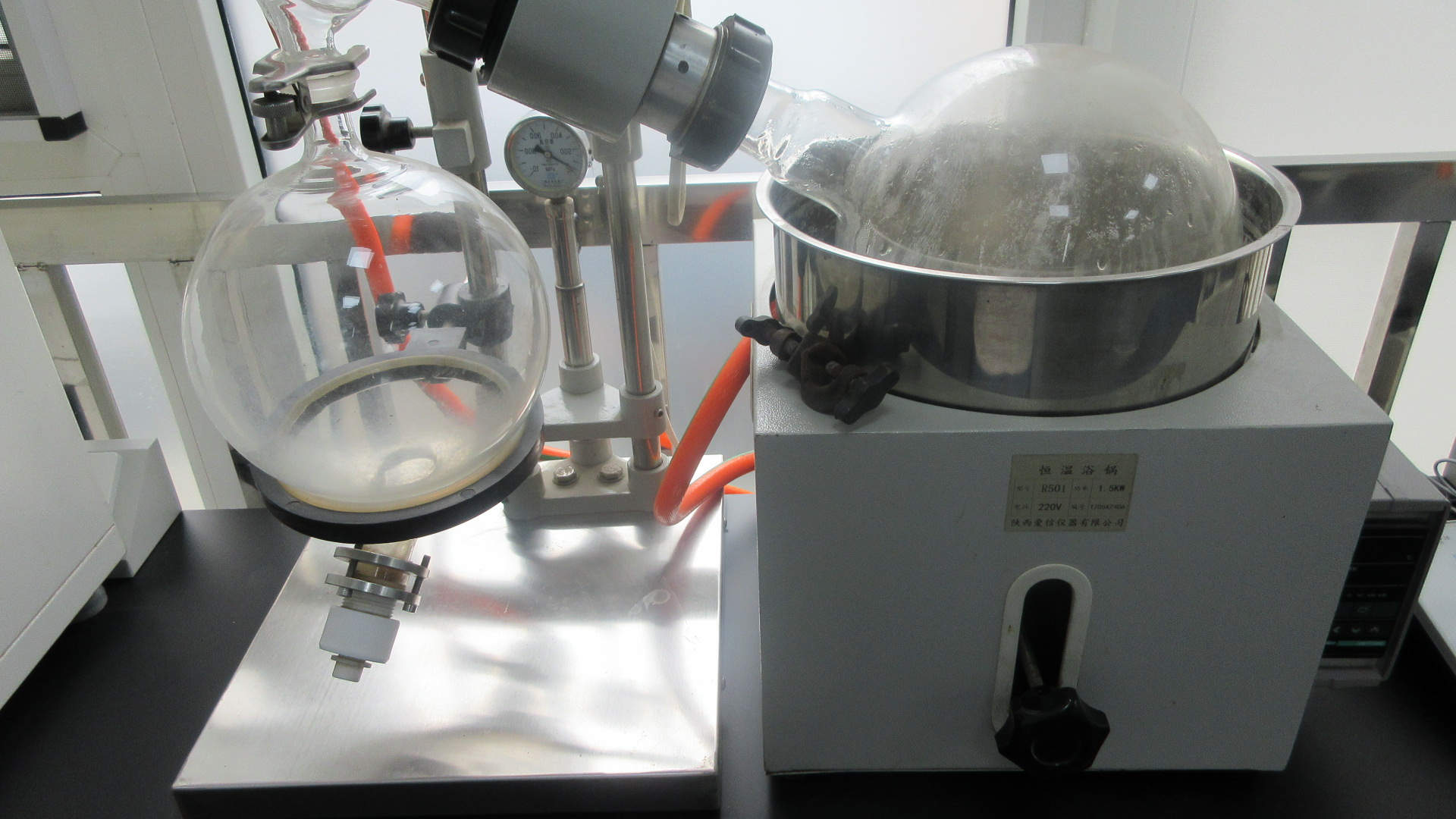
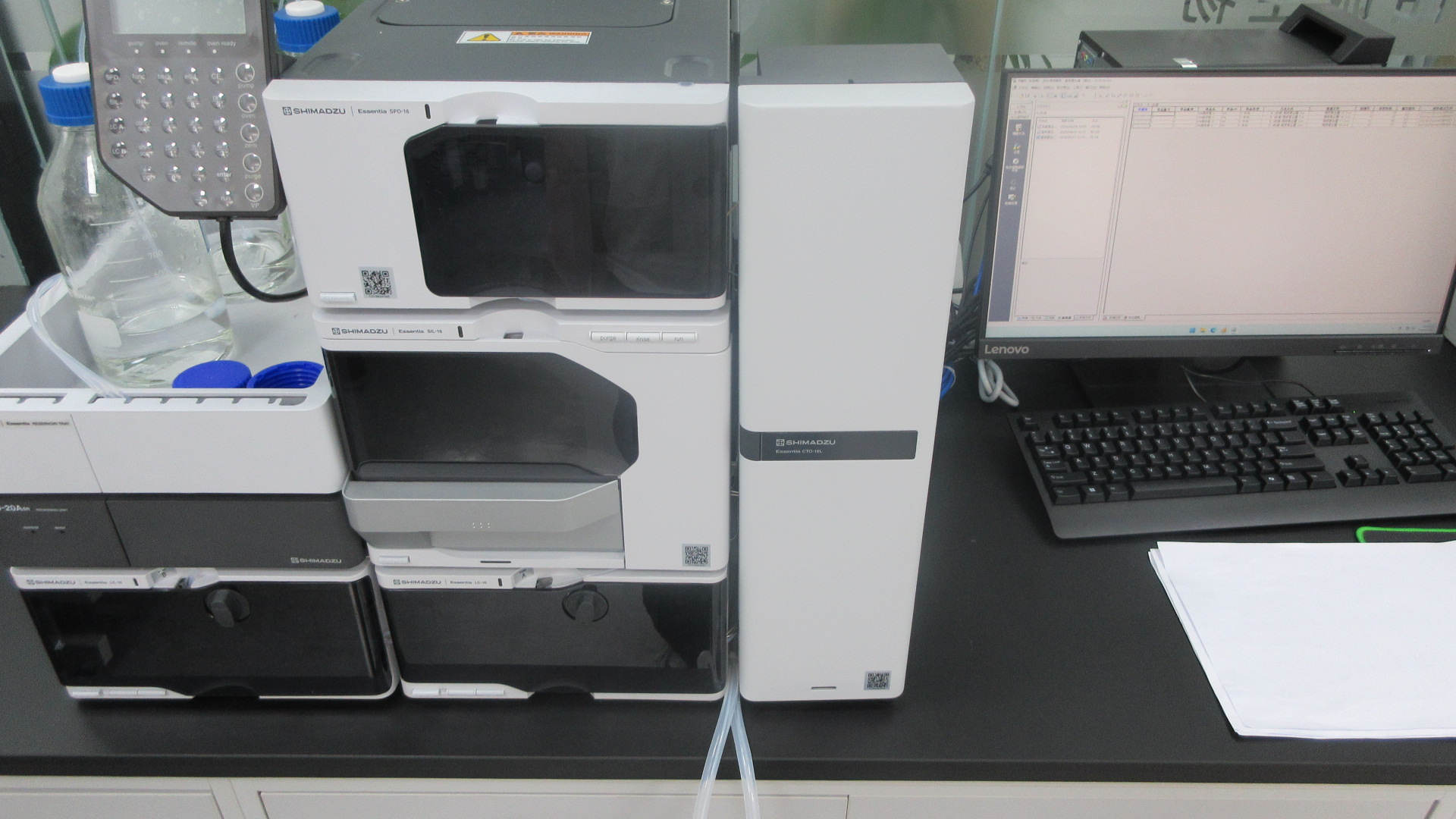
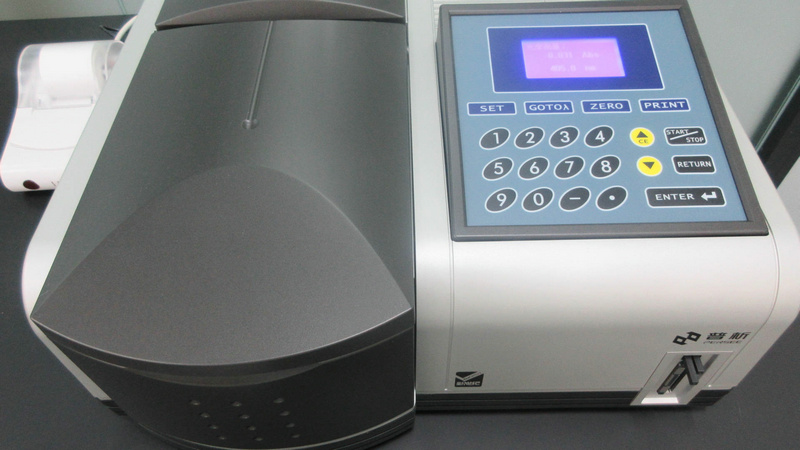
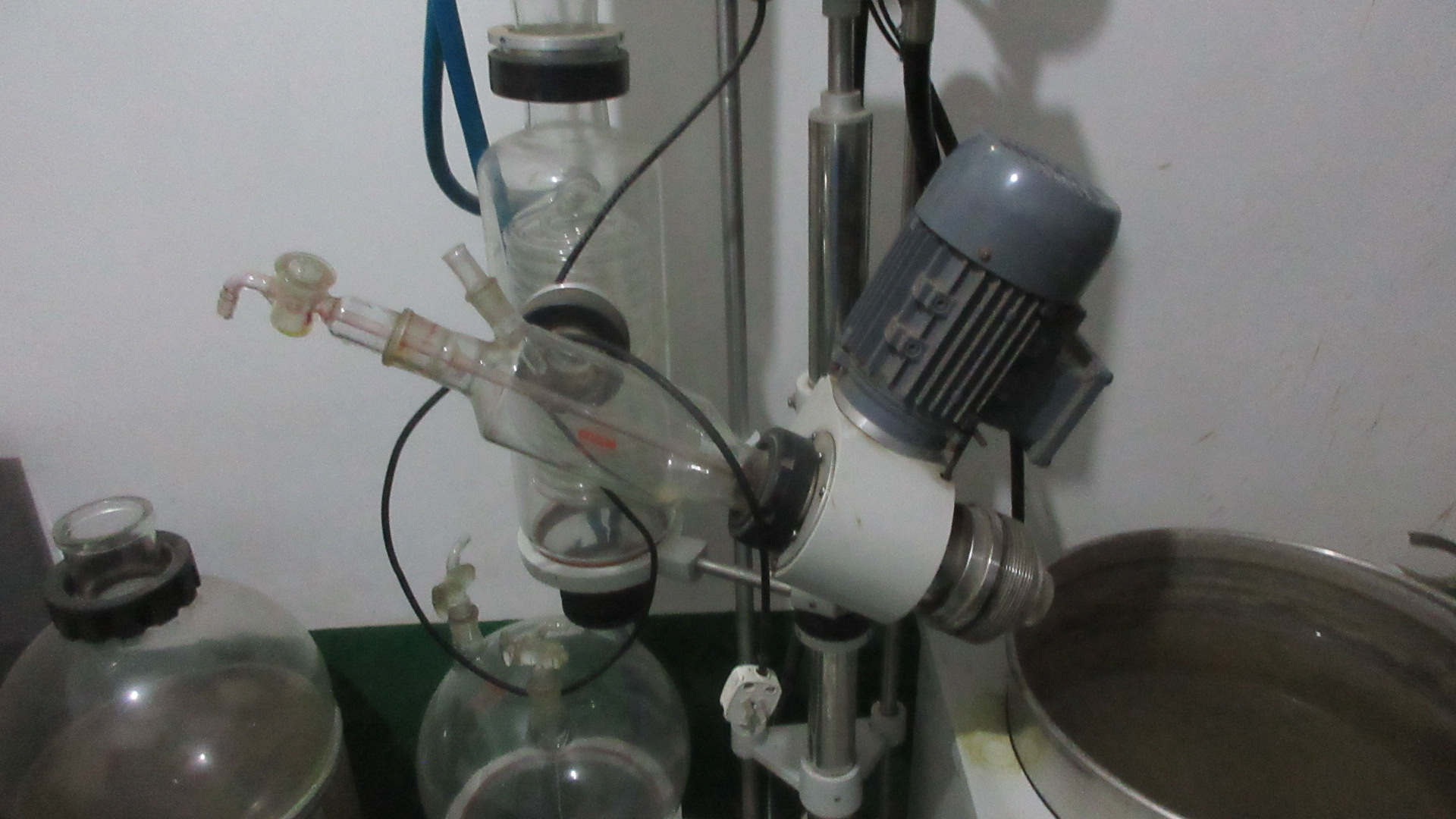
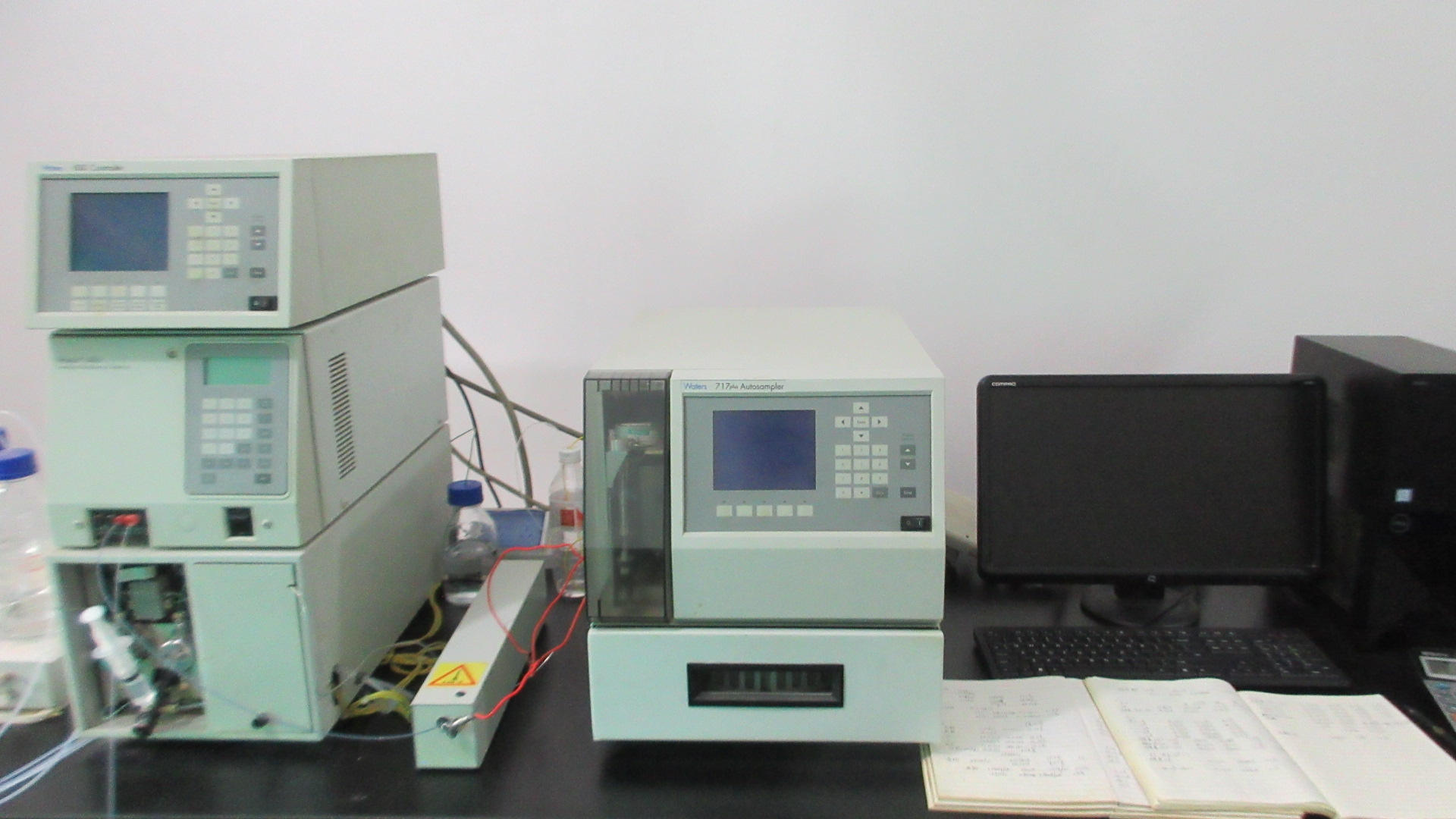
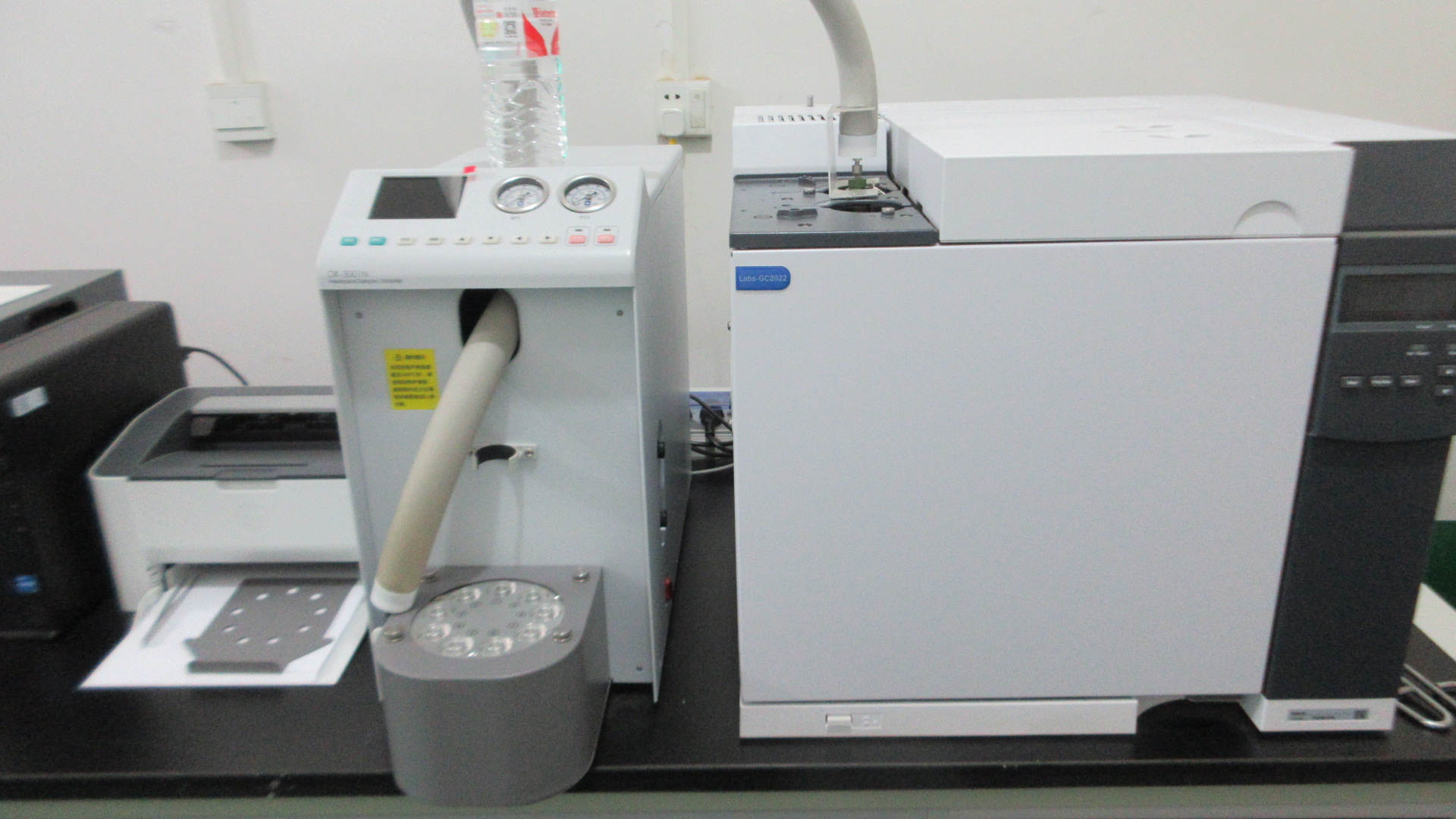
Headquartered in the botanical and chemical synthesis hub of Shaanxi, China, Xi'an Vexli Bio-Tech Co., Ltd. is trusted by international formulators and Fortune 500 supply partners.
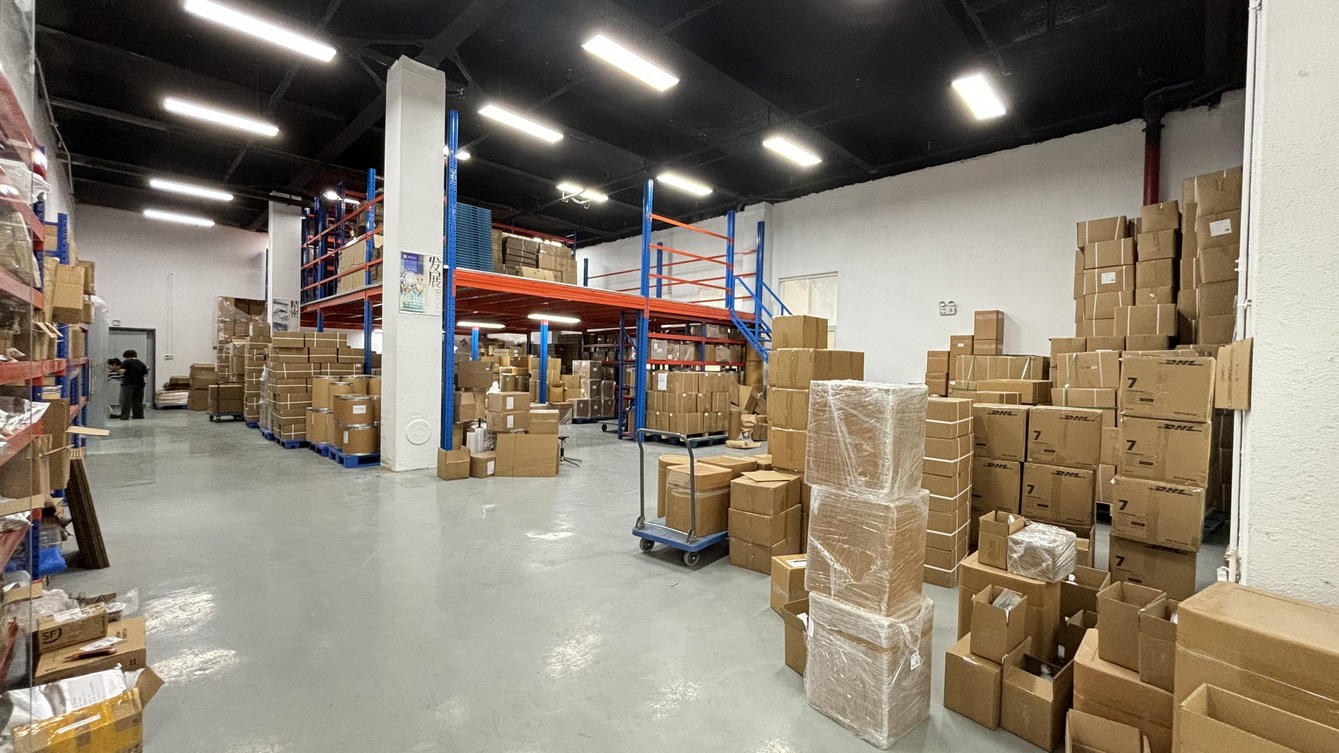
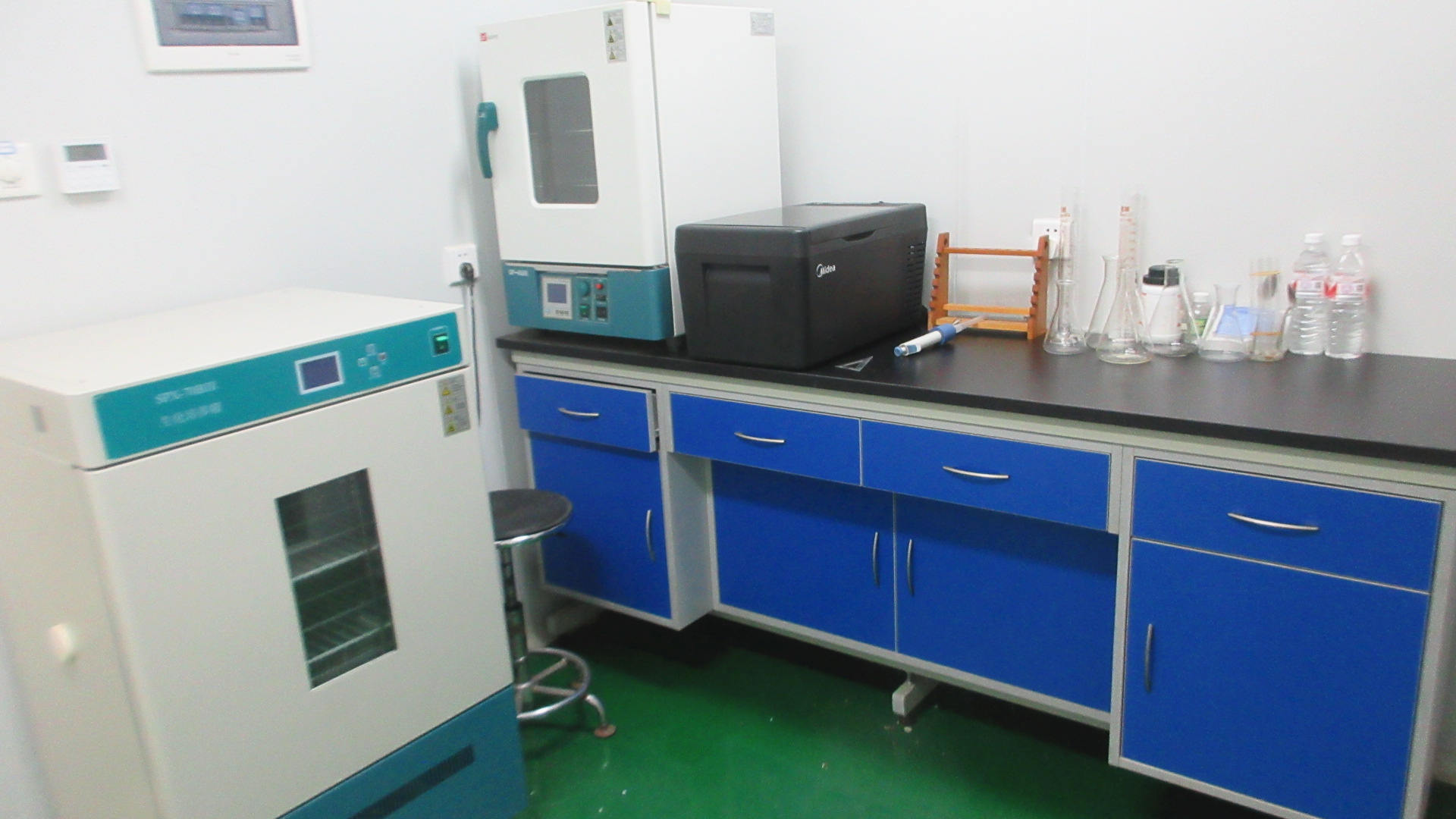
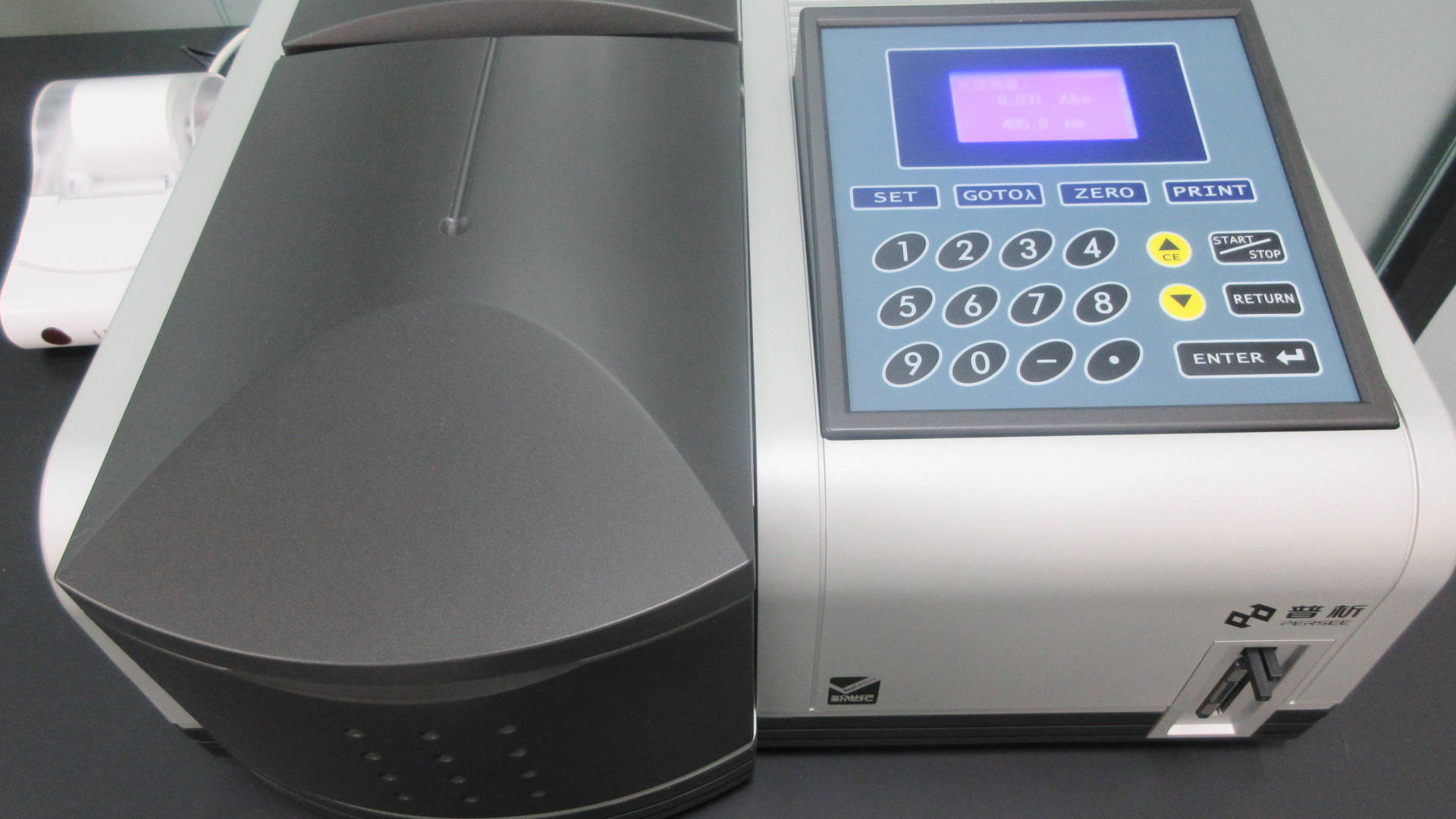
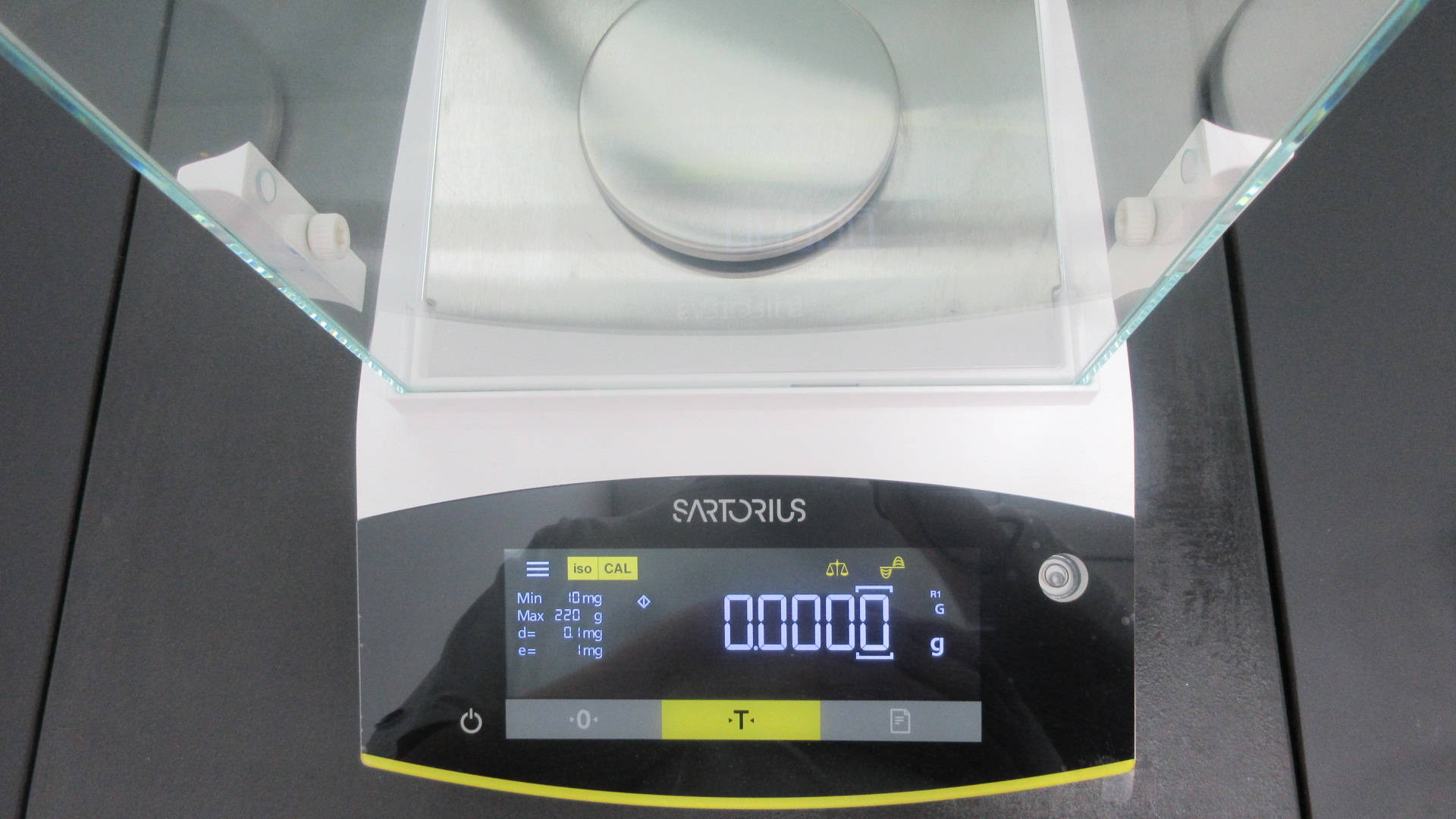
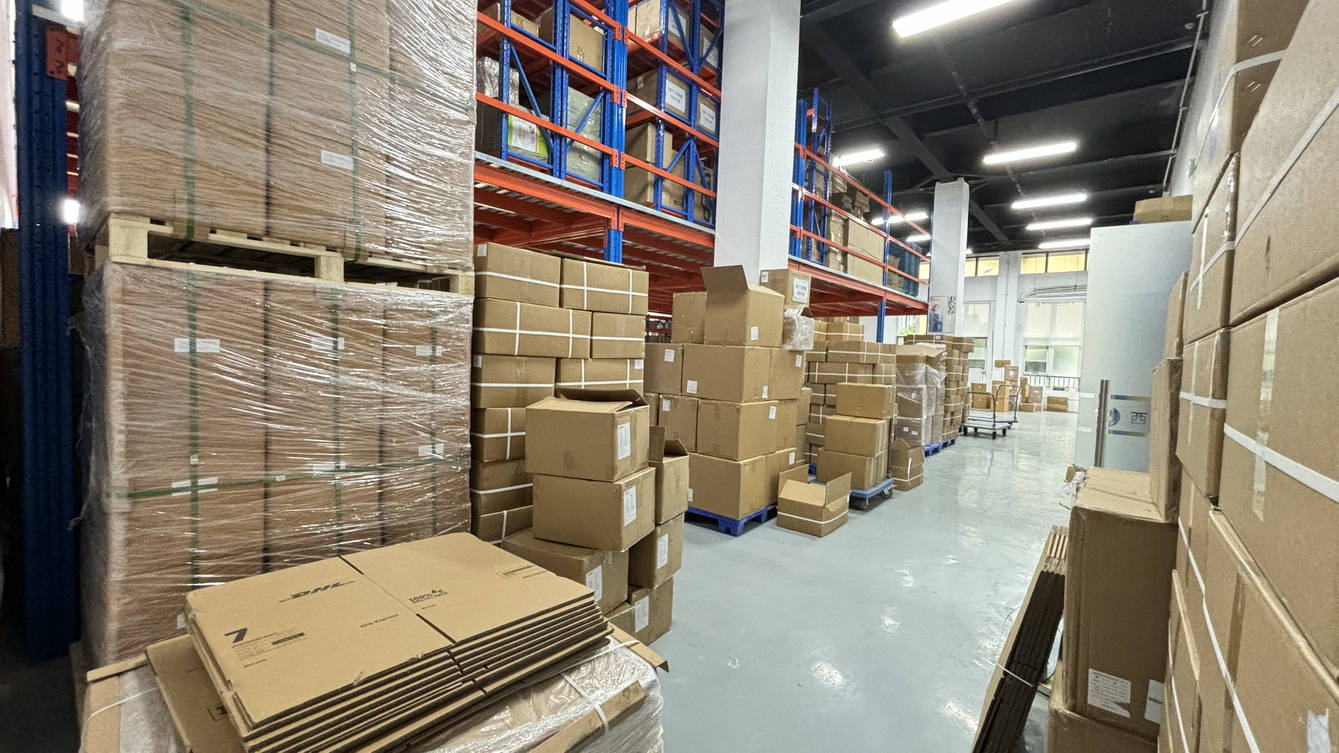
Unlike trading brokers who lack lab facilities, Xi'an Vexli Bio-Tech Co., Ltd. coordinates raw material synthesis through our verified network of 25 partner factories and our dedicated 1,250 m² quality and analytical testing center. Our facility has passed comprehensive on-site supplier assessments conducted by SGS.
Our research team holds proprietary patents—including Invention Patent ZL 2014 1 0464649.9 and Utility Model Patent No. 14520048—demonstrating over a decade of technological innovation in chemical purification, glycosidic synthesis, and molecular extraction.
Answers to critical questions regarding chemical purity, regulatory safety, storage, and trade terms.
Xi'an Vexli Bio-Tech Co., Ltd. guarantees an assay of ≥99.0% pure Alpha-Arbutin determined through validated High-Performance Liquid Chromatography (HPLC). Every single batch is analyzed for optical rotation ([α]20D = +174.0° to +186.0°), verifying the complete presence of the alpha stereoisomer. Crucially, residual free hydroquinone is quantitatively controlled below 10 ppm (0.001%), well inside the strictest European cosmetic mandates.
Alpha-Arbutin possesses an alpha-glycosidic bond which provides significantly higher binding affinity to human tyrosinase compared to Beta-Arbutin's beta-anomeric configuration. Clinical studies establish that Alpha-Arbutin is roughly 9 to 10 times more potent than Beta-Arbutin in inhibiting mushroom and human tyrosinase at equal concentrations. Furthermore, Alpha-Arbutin exhibits superior chemical stability across standard cosmetic storage temperatures without hydrolyzing prematurely into hydroquinone.
Under the European Commission Scientific Committee on Consumer Safety (SCCS) guidelines (Opinion SCCS/1642/22), Alpha-Arbutin is considered safe for consumers up to a maximum concentration of 2.0% in leave-on face creams and serums, and up to 0.5% in body lotion applications. Formulations must maintain hydroquinone impurities below 10 ppm throughout the product's shelf life.
Formulators should preserve three core conditions: First, buffer the aqueous phase to maintain a final product pH between 4.9 and 6.5. Second, dissolve the powder into deionized water and add it during the cooling phase at temperatures below 50°C. Third, incorporate a chelating agent (such as 0.1% Disodium EDTA) to sequester trace metallic ions that catalyze oxidation, and use opaque packaging to prevent UV-mediated photo-hydrolysis.
Our standard MOQ is 1 kg, packaged in a double-sealed, food/cosmetic-grade polyethylene interior bag enclosed within an aluminum foil pouch for moisture and light protection. For commercial production runs, we supply 25 kg net weight fiber drums lined with moisture-barrier liners. Custom private label packaging and smaller R&D validation samples are available upon request.
Alpha-Arbutin is classified as a non-hazardous chemical substance and comes with certified IATA DGR and IMDG non-hazardous transport reports. We ship globally under FOB, CFR, CIF, EXW, FCA, and DDP terms via DHL/FedEx air express, air cargo, or ocean freight. Accepted payment methods include T/T, L/C, D/P, Credit Card, PayPal, and Western Union in major currencies including USD, EUR, GBP, CAD, AUD, JPY, and CNY.
Contact our technical procurement specialists at Xi'an Vexli Bio-Tech Co., Ltd. for factory-direct wholesale quotes, batch-specific COAs, third-party test data, or formulation advice.