0%

China has become an important sourcing base for botanical ingredients, but scale alone does not prove quality. Grand View Research valued the global herbal supplements market at USD 43.07 billion in 2023 and projected 7.9% annual growth through 2030. This is an adjacent market, not a direct measure of herbal extract sales. Still, it signals rising demand for dependable ingredients. The WHO’s 2019 Global Report on Traditional and Complementary Medicine also found that 170 of its 194 Member States reported traditional medicine use. Demand is broad. Quality expectations should be, too.

For buyers comparing China’s top 10 Herbal Extract manufacturers, the useful questions are concrete: Can the supplier identify the plant species and plant part? Are extraction methods and batch specifications documented? Do certificates of analysis match independent testing? Mark Blumenthal, founder and executive director of the American Botanical Council, has consistently advocated careful evaluation of botanical products. In paraphrase, his quality-focused message is that identity and evidence matter as much as a plant’s reputation. That distinction matters. A vivid product brochure cannot replace traceable records or reproducible results. Even a polished audit may leave gaps, so buyers should verify key claims against current documents. Rankings are never perfectly objective; manufacturing capacity, technical support, and transparency can outweigh a company’s headline claims. This guide offers a starting point, not a substitute for supplier qualification.
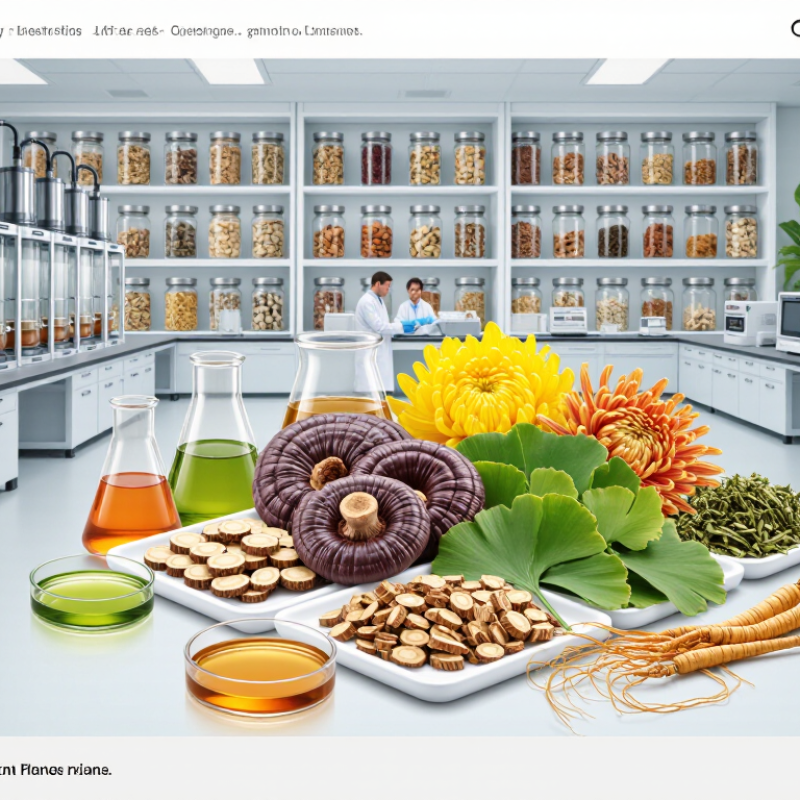
China Top 10 Herbal Extract Manufacturers

Understanding China's Herbal Extract Manufacturing Industry

China’s herbal extract manufacturing industry connects farms, raw-material traders, extraction facilities, and testing laboratories. Production conditions vary by region and season. The same plant may differ in color, moisture, and active-compound levels after harvest. Details matter. Buyers should confirm the botanical name, plant part, growing area, harvest period, and extraction method. These details help explain what a product actually contains.

At the factory, washing, extraction, filtration, concentration, and drying can all affect the final powder. A practical quality review looks beyond appearance. Ask for batch-specific test results, the analytical method, and records linking the raw material to the finished lot. Chromatographic fingerprints can help compare batches, while tests for microbes, heavy metals, and residual solvents address different quality concerns. One test cannot answer every question. Paperwork can look tidy, yet a specification may miss natural variation between harvests. A retained sample and clear change-control records can make later comparisons more useful. Even then, buyers should review whether the stated limits suit their intended application.

Criteria for Evaluating Leading Chinese Manufacturers

China Top 10 Herbal Extract Manufacturers
Criteria for Evaluating Leading Chinese Manufacturers

A useful “top 10” comparison starts with evidence, not catalogue breadth. Grand View Research’s 2023 report valued the global botanical extracts market at USD 6.7 billion in 2022 and projected 9.1% annual growth through 2030. Growth signals competition, not supplier quality. WHO’s 2019 global report noted that 170 Member States reported use of traditional medicine. Demand is broad. That makes verifiable identity and traceability essential.

Evaluate each manufacturer’s botanical identification method, plant part, origin, harvest season, and extraction ratio. Request batch-level certificates of analysis with test methods and results, not just generic specifications. Check controls for heavy metals, pesticides, microbes, and residual solvents against the intended market’s requirements. A chromatogram should support the declared marker profile. Review change-control and complaint records, too; these can show whether quality holds through a difficult harvest season.

Compare audit scope and facility capabilities, including drying, extraction, concentration, and packaging controls. Confirm that relevant food-safety or quality systems are current, independently audited, and apply to the actual production site. Test samples from multiple lots. One attractive sample is weak evidence. A polished audit file can still miss a poor harvest lot, so define acceptance limits and retain independent testing. No scorecard is perfect. Clearly explained gaps may be more informative than flawless marketing claims.

China Top 10 Herbal Extract Manufacturers - Criteria for Evaluating Leading Chinese Manufacturers

Use the criteria below to compare manufacturers objectively. The weights are a suggested evaluation framework, not company-specific ratings or a verified ranking. Confirm all certificates, test reports, and facility claims directly with the issuing organizations or through independent audits.

Evaluation criterion Suggested weight What to evaluate Evidence of strong performance
Quality management 18% Documented quality controls across production, deviations, corrective actions, and change management. Current, independently verifiable quality-system certificates whose scope matches the facility and product type; audit records and controlled procedures are available for review.
Raw-material traceability 12% Ability to trace botanical materials from supplier and origin through processing and finished-product batches. Batch records link incoming materials, supplier documentation, processing records, and finished-product release documents; origin and plant-part information are documented.
Extraction and process capability 12% Technical suitability of extraction, concentration, drying, and blending processes for the requested botanical and specification. A clear process description, defined critical process controls, scale-up support, and product specifications that state the extract type and relevant preparation details.
Analytical testing and laboratory controls 12% Suitability and validation of methods used to confirm identity, marker compounds, and relevant contaminants. Representative certificates of analysis include methods, results, units, and acceptance limits. External laboratory accreditation, such as ISO/IEC 17025, is checked for relevant methods and scope.
Regulatory and market documentation 10% Readiness to provide documentation appropriate to the product category and destination market. Consistent specifications, safety and compliance documents, and export documentation are available where applicable; claims are checked against the importing market’s requirements.
Batch consistency and release controls 10% Consistency of identity, assay, physical properties, and other agreed specifications across production batches. Multiple batch records or test summaries show results assessed against predefined limits, with a documented process for out-of-specification results.
Botanical sourcing and authenticity controls 8% Controls for botanical identity, supplier qualification, substitution risk, and sourcing documentation. Supplier approval records and identity-testing procedures are available; sourcing claims are supported by traceable records rather than unsupported marketing statements.
Production capacity and delivery reliability 7% Ability to meet the buyer’s required volume, lead time, packaging, and continuity needs. Capacity and lead-time statements are supported by facility information, production planning, and documented delivery performance relevant to the requested order.
Technical service and documentation 6% Responsiveness and clarity when handling specifications, samples, technical questions, and corrective actions. Documents are consistent and version-controlled; technical questions receive clear, evidence-based answers and agreed follow-up actions.
Environmental and resource management 5% Documented management of relevant resource use, waste, and environmental obligations at the manufacturing site. Site policies, permits or records where applicable, and independently verifiable environmental-management certifications are available for review.
Total suggested weight 100% Adjust the weighting to match the intended use, product category, and destination-market requirements.

Suggested scoring: Rate each criterion from 1 to 5 using documented evidence, multiply the rating by its weight, and compare the resulting weighted scores. Treat certificates as evidence to verify—not as a substitute for checking their validity, scope, and relevance.

Profiles of Ten Notable Herbal Extract Manufacturers in China

China Top 10 Herbal Extract Manufacturers

China’s herbal extract sector includes manufacturers with very different strengths, from farm-to-factory sourcing to precision standardization. Grand View Research estimated the global herbal extract market at about US$34.4 billion in 2023, with continued growth projected through 2030. This is a global estimate, not a measure of Chinese manufacturers alone. Important distinction.

Without company names, these ten profiles describe useful capability groups rather than verified individual businesses: standardized botanical extract producers; traditional herb processors; tea-polyphenol specialists; fruit and berry extract makers; root-and-rhizome processors; mushroom ingredient producers; organic-certified suppliers; contract extraction facilities; export-focused manufacturers; and vertically integrated growers and processors. Each profile requires different checks. A tea specialist, for example, may document catechin levels, while a root processor should show species identity and batch traceability.

Request recent certificates of analysis, extraction-solvent details, and contaminant test results before comparing suppliers. Inspect whether sample specifications match routine production batches. A polished brochure proves little. Certification scope can also be narrower than buyers expect, so verify the actual product and site. Reports help frame market interest, but they do not confirm a factory’s quality or capacity. The less convenient detail matters: records, audits, and consistent batches.

Key Extracts, Production Capabilities, and Quality Standards

Chinese herbal extract manufacturers work with botanicals such as ginseng, licorice, goji berry, and green tea. Their extract profiles depend on plant variety, harvest conditions, and processing choices. A standardized extract should identify its marker compounds and clearly state the test method. This matters. A percentage on a label means little without reliable measurement.

Production capabilities can include water or ethanol extraction, filtration, concentration, drying, and blending. Buyers should ask how facilities prevent cross-contamination and control temperature during processing. A practical review may include batch records, traceability documents, and a visit to the production site. Details count. A neat certificate folder does not tell the whole story.

Quality systems may reference GMP, HACCP, or ISO-based food safety programs, but certificates alone are not enough. Request recent test results for identity, marker compounds, microbial limits, heavy metals, pesticides, and residual solvents, where relevant. Confirm that an independent laboratory performed suitable tests. Specifications should match the intended product and market. No shortcut is perfect. Even careful sampling can miss variation between batches, so ongoing verification remains important.

How to Assess Suppliers for Different Sourcing Needs

When comparing China’s top herbal extract manufacturers, match each supplier to your actual sourcing needs. A small product-development run needs flexible minimum orders and clear sample procedures. A large recurring order needs stable capacity, documented batch controls, and realistic lead times. A polished catalog is not enough.

Ask for a specification sheet that identifies the plant part, extraction ratio, carrier ingredients, and marker compounds. Check whether each lot comes with a certificate of analysis, and confirm which methods support key results, such as HPLC testing. For relevant materials, review microbial, heavy-metal, and residual-solvent results. Details matter. A document should match the specific batch, not just describe a typical product. No checklist catches every mismatch.

For custom extracts, discuss how changes in raw material or season affect color, odor, and active markers. Request a representative sample, then compare it with a later production lot before scaling up. Third-party testing can help verify critical specifications, especially when orders are large or ongoing. Smaller buyers may prioritize responsive communication and low trial quantities instead. I would leave room for a second test; one sample can look reassuring without proving consistency. Ask about traceability and change-notification practices, too. Those answers often reveal whether a supplier’s process fits your purchasing schedule.

Residual Solvent Reference Limits for Herbal Extract Supplier Assessment

Use residual-solvent testing results to evaluate extraction controls and match supplier documentation to your product requirements. The chart shows selected ICH Q3C Option 1 concentration limits, in parts per million (ppm), for a daily product intake of up to 10 g. These are reference values—not universal requirements for every herbal product or market.

Reference: ICH Q3C(R8), Tables 2 and 3. Confirm applicable regulations and agree product-specific limits, test methods, and reporting requirements with your qualified supplier.

FAQS

What details should buyers confirm about an herbal extract?

Confirm the botanical name, plant part, growing area, harvest period, and extraction method. Small details matter.

Why can the same plant produce different batches?

Region and season can change color, moisture, and active-compound levels. Same plant, different profile.

Which factory steps can affect the finished powder?

Washing, extraction, filtration, concentration, and drying can all affect it. The process matters.

What quality records should buyers request?

Ask for batch-specific test results, analytical methods, and records linking raw materials to finished lots. Keep a retained sample.

Do chromatographic fingerprints answer every quality question?

No. They help compare batches, while separate tests check microbes, heavy metals, and residual solvents. One test is not enough.

How should buyers compare supplier samples with routine production?

Check whether sample specifications match regular batches. A polished brochure proves little.

What should buyers verify about certificates and audits?

Check that certification covers the actual product and manufacturing site. Scope can be narrower than expected.

What does the reported herbal extract market estimate describe?

One estimate valued the global market at about US$34.4 billion in 2023, with growth projected through 2030. It does not measure Chinese manufacturers alone.

Do different manufacturer types need different checks?

Yes. Tea specialists may document catechin levels; root processors should show species identity and batch traceability. The distinction is useful, but not perfect.

Conclusion

China’s herbal extract manufacturing industry combines traditional botanical knowledge with modern production methods to supply ingredients for food, cosmetics, wellness, and other applications. This overview explains how to evaluate manufacturers by considering factors such as botanical sourcing, extraction expertise, production capacity, traceability, quality-control systems, and consistency between batches. It also profiles ten notable types of suppliers in the market without focusing on brand names, highlighting the range of capabilities available to buyers.

Different manufacturers may specialize in distinct plants, extraction processes, product formats, or order volumes. When comparing options, buyers should review specifications, testing documentation, certifications relevant to their needs, communication practices, and the supplier’s ability to support sampling and long-term supply. These considerations can help businesses identify a suitable Herbal Extract partner based on their product requirements, quality expectations, and sourcing priorities.

Ethan

Ethan

Ethan is a professional marketing specialist with a strong understanding of the company’s products, their features, and the needs they are designed to address. He regularly contributes expert articles to the company website, sharing clear, practical information to help readers make informed......