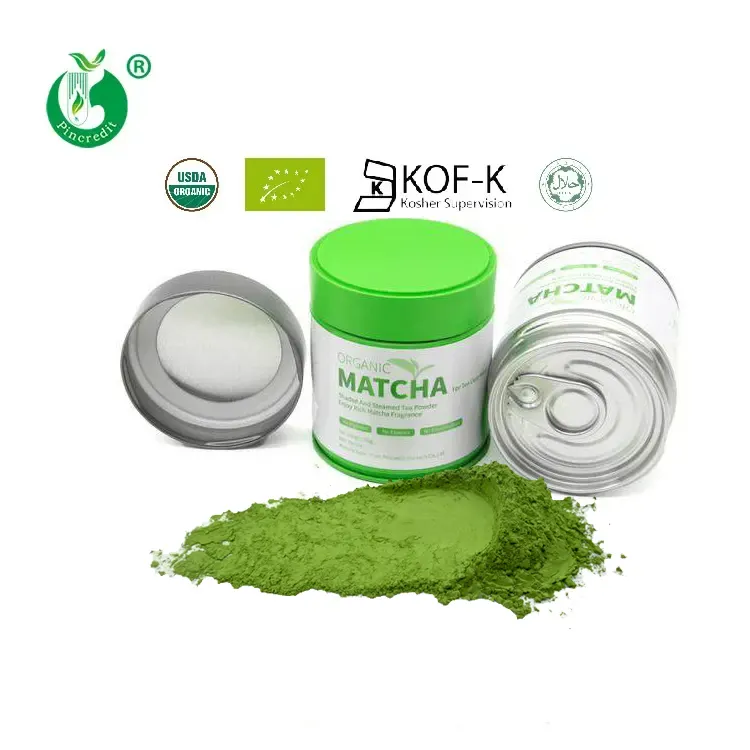
Shade Grown
Wholesale Private Label Organic Ceremonial Grade Matcha Powder
Traditional stone-milled Japanese style with certified low polyphenolic astringency and intense l-theanine profile.
Verified analytical lots tested for assay purity, low trace solvents, and high thermal lipophilic dispersibility.
Traditional stone-milled Japanese style with certified low polyphenolic astringency and intense l-theanine profile.
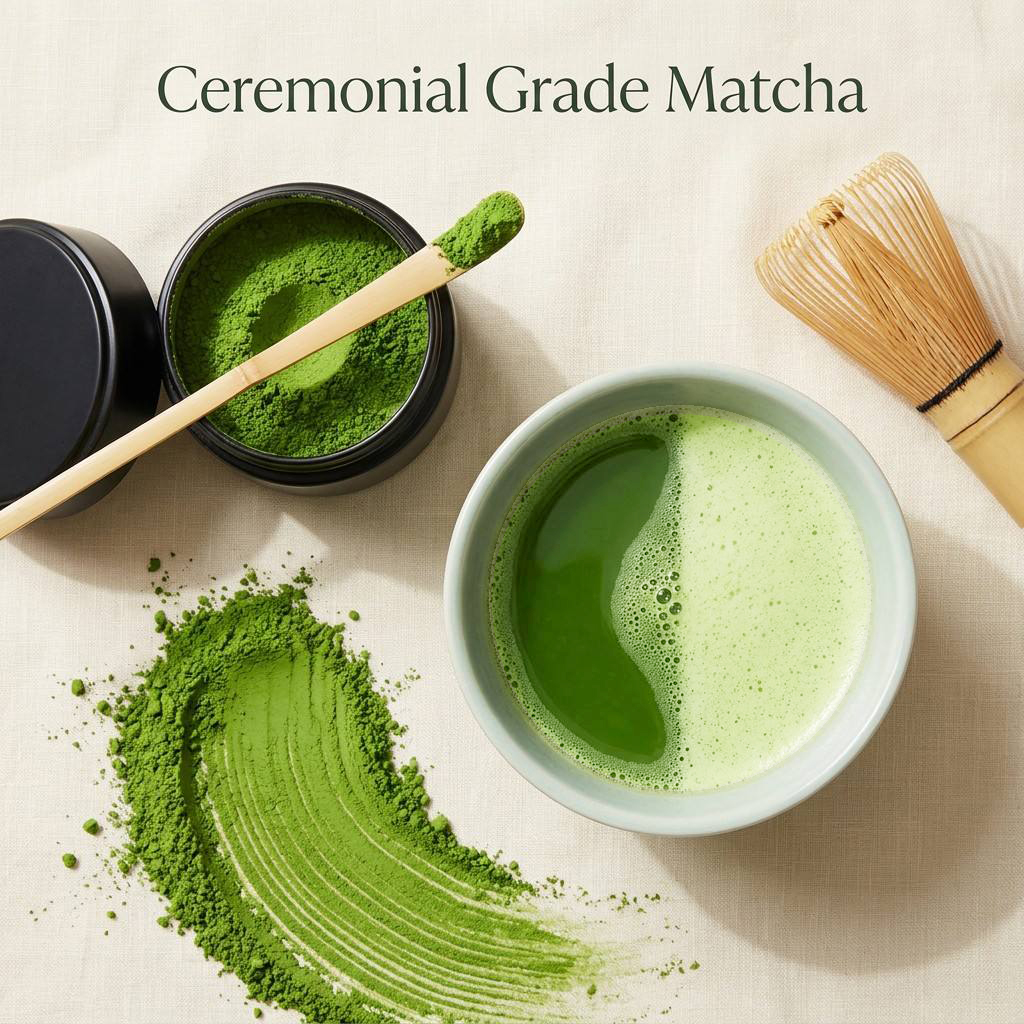
Sealed nitrogen tin formats for optimum lipid barrier protection, retaining vibrant chlorophyll coloration.
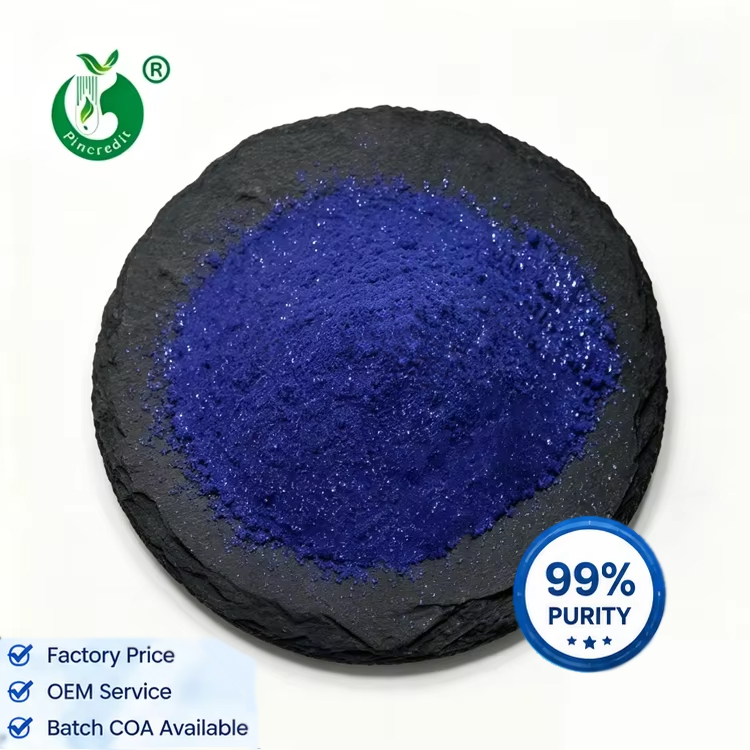
Standardized anti-aging copper complex configured for liposomal carrier systems and premium facial oils.
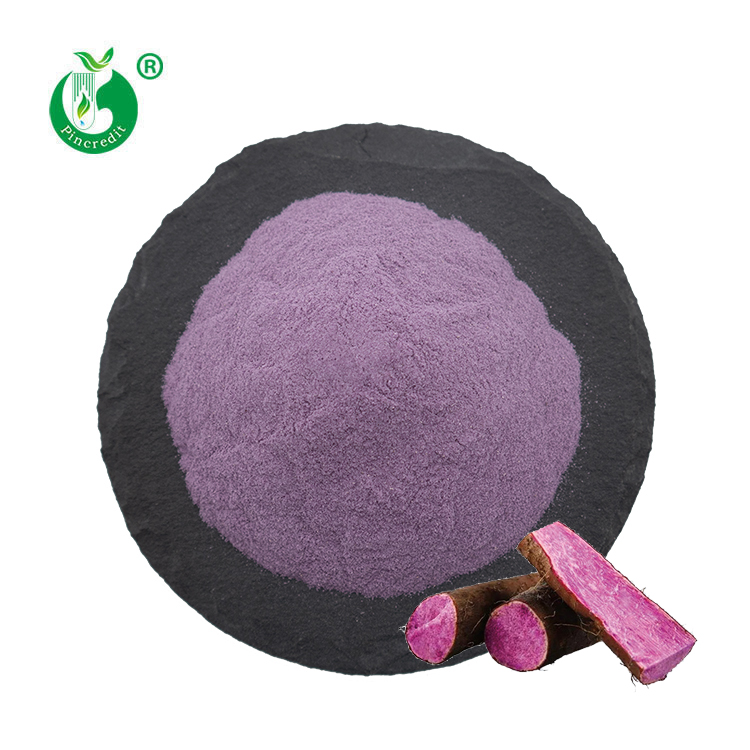
Micro-pulverized, pesticide-screened natural anthocyanin matrix offering high oil phase stabilization.
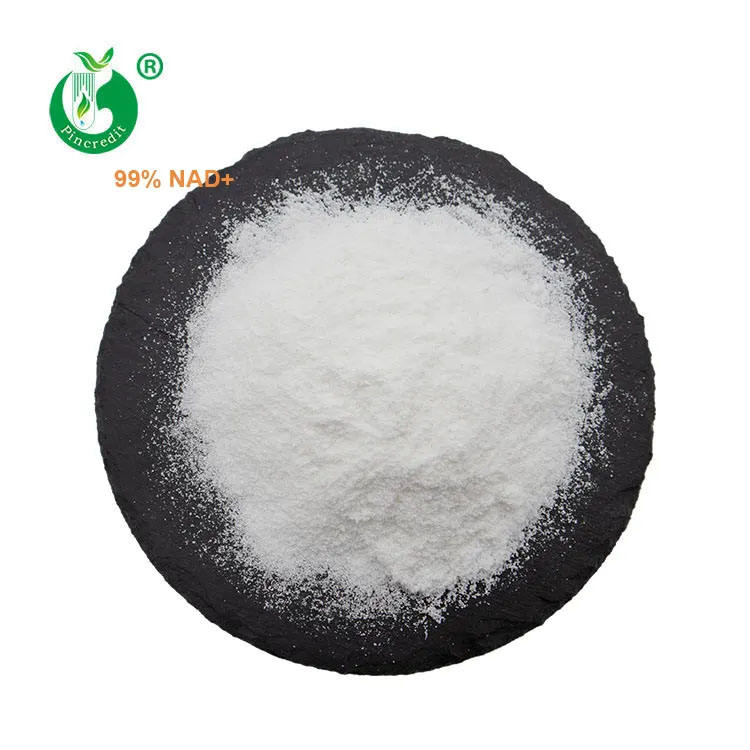
HPLC-validated biological coenzyme for nutraceutical formulation and advanced topical delivery.
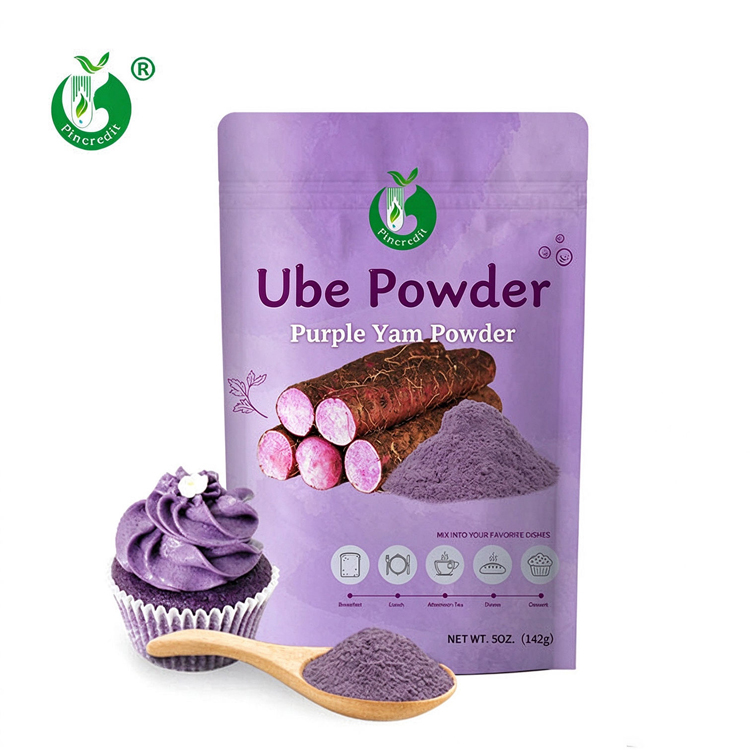
Low-moisture vacuum-dehydrated powder suited for emulsion concentrates, dietary pastes, and confection blends.
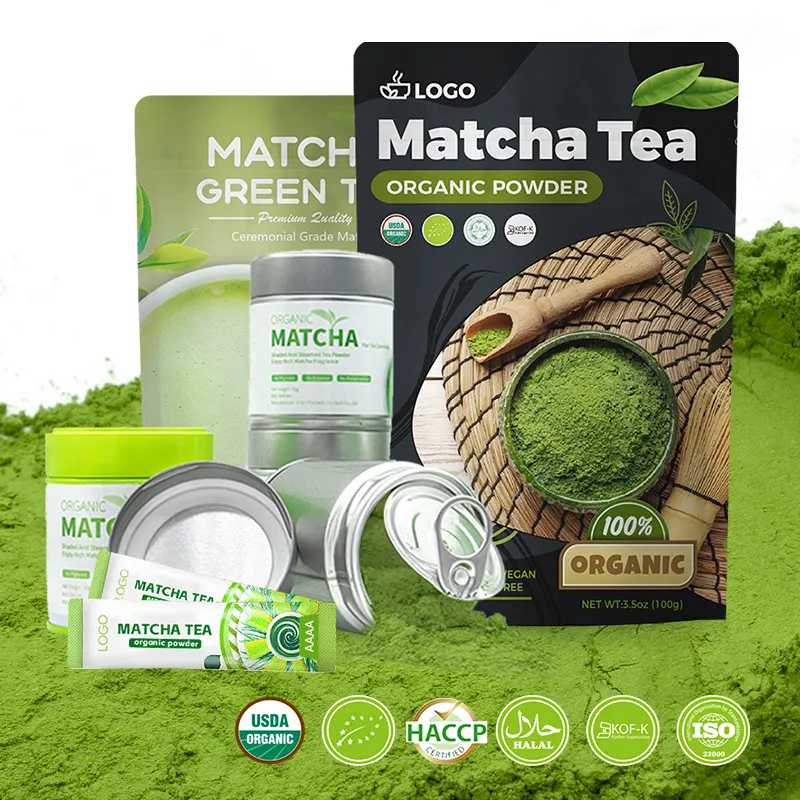
Directly audited partner farm origin; optimized for lipid emulsions, tea seed base formulations, and functional lattes.
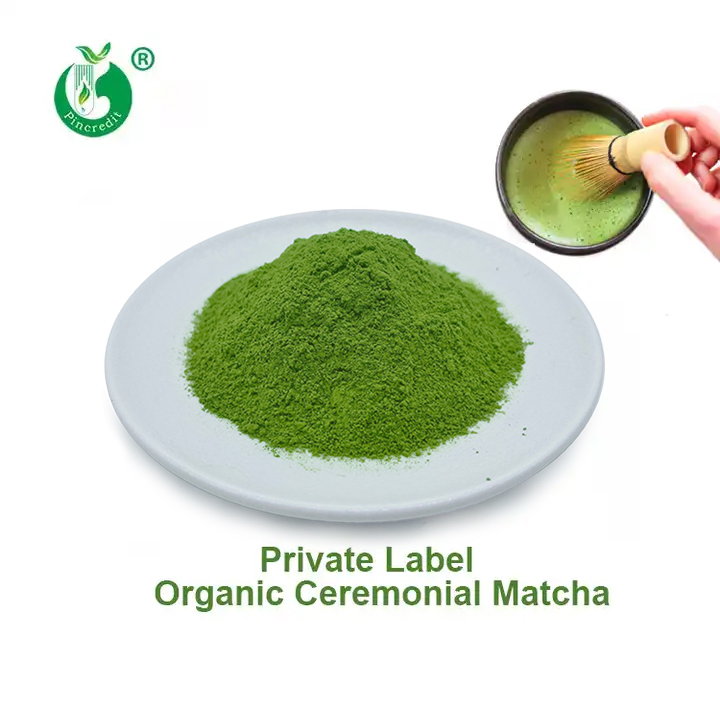
Stone-milled green tea with balanced polyphenols, ideal for lipid-soluble carrier extraction and cosmetic oil infusions.
Navigating Kyoto's Heritage Extraction Ecosystem, Lipophilic Phytochemical Engineering, and Global B2B Supply Chains
The manufacturing cluster located across Kyoto Prefecture—spanning from the historic tea estates of Uji and Wazuka to the modern pharmaceutical bio-clusters of Keihanna Science City—constitutes one of the world's most sophisticated bio-refining hubs. While historically renowned for stone-ground green tea (Matcha) and aqueous botanical decoctions, Kyoto's specialized extractors have evolved into global leaders in oil-soluble plant extract processing.
In modern industrial formulation, oil-soluble extracts represent an entirely different class of technical complexity compared to standard water-miscible botanical powders. Formulators in cosmetics, cosmeceuticals, functional nutrition, and oleochemicals require botanicals that blend seamlessly into non-polar matrices, lipid carriers, squalane solutions, and high-stability emulsions without crystallization, turbidity, or rapid photo-oxidation.
Technical Distinction: Unlike spray-dried hydro-alcoholic powders, lipophilic plant extracts isolate non-polar molecules—including squalene, phytosterols, unesterified catechins, triterpenoids, polyprenols, and oil-soluble chlorophyll complexes—using advanced extraction techniques such as Supercritical Fluid Extraction (SFE-CO2) and gentle molecular vacuum distillation.
The prefecture's industrial extraction strength rests upon three distinct raw material pillars indigenous to the Kansai biotope:
When procurement managers review botanical lipid supply chains in Kyoto, the regional landscape is bifurcated between primary Japanese refining houses and international supply chain bridges that connect Chinese upstream agricultural origins with Japanese quality management systems. The top industrial models include:
Facilities focused on pure carbon dioxide extraction at hyperbaric pressures (>31.1°C, 7.39 MPa), producing pure lipophilic fractions without chemical solvent residues.
Cleanroom-certified facilities specializing in molecular distillation for high-value cosmetic actives like Alpha-Arbutin liposomes, GHK-Cu complexes, and NAD+ carriers.
Entities such as Xi'an Vexli Bio-Tech, linking Shaanxi primary extraction scale with the meticulous testing demands, ISO22000 hygiene standards, and botanical specifications of Kyoto buyers.
How are oil-soluble botanical derivatives applied across local Japanese production lines and global OEM/ODM factories?
1. Anhydrous Facial Serums & Cleansing Oils: The Japanese cosmetic market demands non-comedogenic, dry-touch botanical oils. Oil-soluble tea extract provides polyphenolic protection directly dispersed in plant-derived squalane or MCT, preventing the rapid rancidity of squalene without adding synthetic BHT or synthetic tocopherols.
2. Liposomal Cosmeceutical Actives: Hydrophilic peptides such as GHK-Cu or coenzymes like NAD+ require specialized oil-phase lipid vesicles or reverse micro-emulsions to cross the stratum corneum barrier. Kyoto formulators utilize high-shear homogenization to bond these actives with phospholipid-stabilized plant lipid carriers.
3. Clean-Label Fat Systems in Food Engineering: In functional Japanese confectionery and dairy analogs, artificial fat-soluble colorants and antioxidants are being comprehensively phased out. Oil-dispersible purple yam (Ube) and lipid-standardized tea leaf fractions offer stable shelf-life preservation and pastel coloring for compound chocolates, fillings, and functional culinary shortenings.
Standard botanical COAs frequently fail to reveal performance issues in lipid phases. The table below illustrates critical analytical parameters required when sourcing oil-soluble botanical ingredients:
| Quality Parameter | Standard Water-Soluble Extract | Oil-Soluble / Lipophilic Botanical System | Relevance for Technical Buyers |
|---|---|---|---|
| Primary Carrier Matrix | Maltodextrin, Gum Arabic, Inulin | Caprylic/Capric Triglycerides, Camellia Seed Oil, Jojoba | Controls phase solubility and sensory tackiness in finished formulas. |
| Moisture Content (Karl Fischer) | < 5.0% - 7.0% | < 0.5% (Extremely Critical) | Moisture in oil systems causes clouding, phase breakage, and microbial growth. |
| Peroxide Value (POV) | Not Tested / Irrelevant | < 5.0 meq/kg (Max: 10.0 meq/kg) | Measures initial oxidative degradation of unsaturated fatty acids. |
| Acid Value (AV) | Not applicable | < 1.0 - 2.0 mg KOH/g | Indicates hydrolysis of triglyceride bonds into free fatty acids. |
| Heavy Metal Limits (Pb, As, Cd, Hg) | Total < 10-20 ppm | Total < 5 ppm (Conforming to JP Standards) | Strict Japanese Ministry of Health, Labour and Welfare (MHLW) thresholds. |
| Residual Solvent Screening | Ethanol < 5,000 ppm | Zero detectable Hexane / Petroleum ethers; CO2 residues: Nil | Essential for EU Clean Label, COSMOS, and Japanese Quasi-Drug approvals. |
The manufacturing sector in Kyoto is transitioning towards the Kyoto Protocol Carbon Neutral 2050 vision. As a result, factories are rapidly eliminating aromatic hydrocarbon extraction solvents. Solvent-free cold extraction, high-efficiency enzyme-assisted aqueous oil extraction (AEOE), and clean cryogenic milling are dominating capital expenditure within the prefecture's extract processing sites.
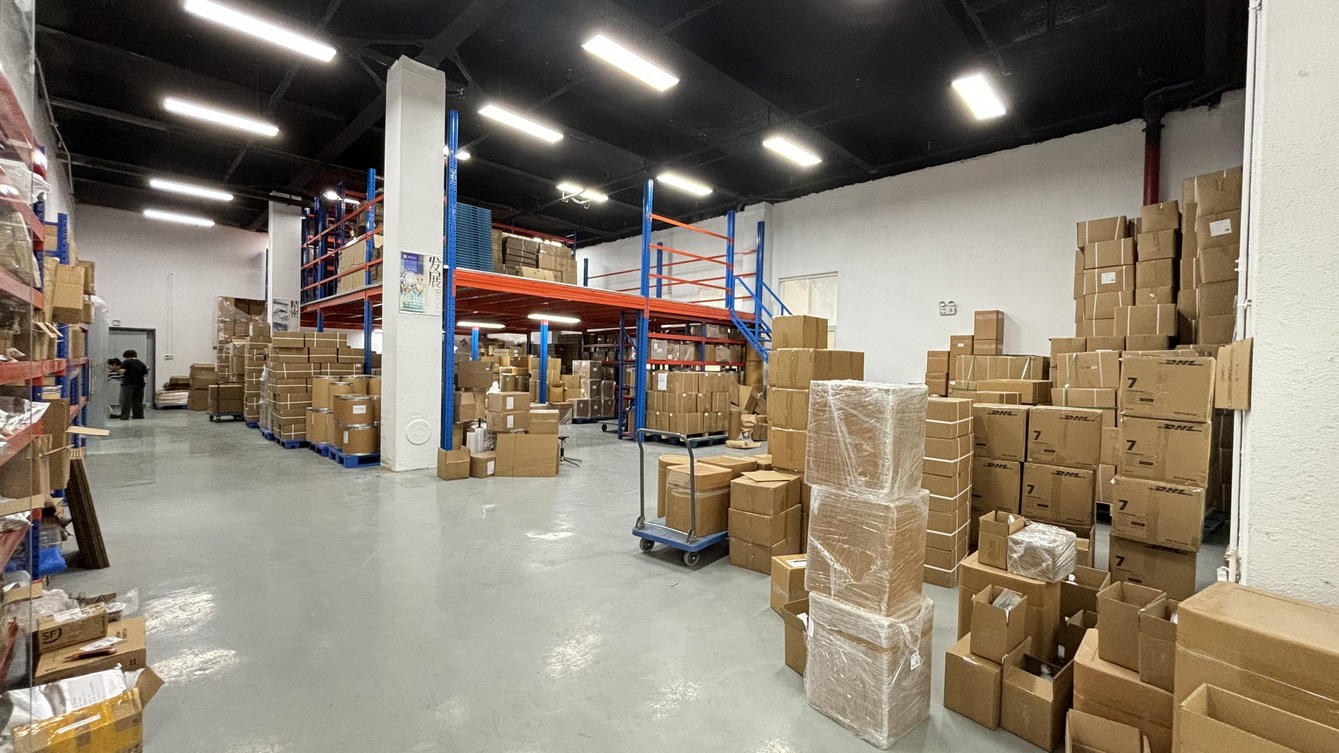
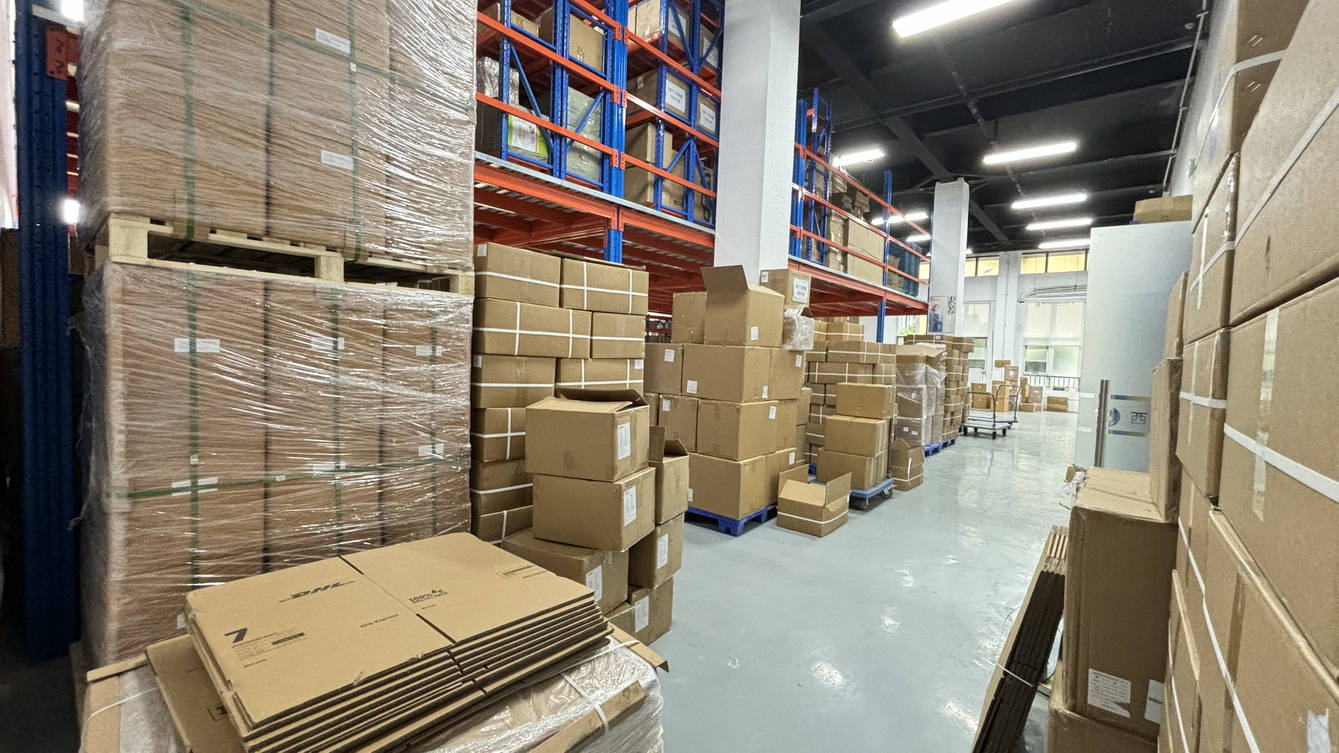
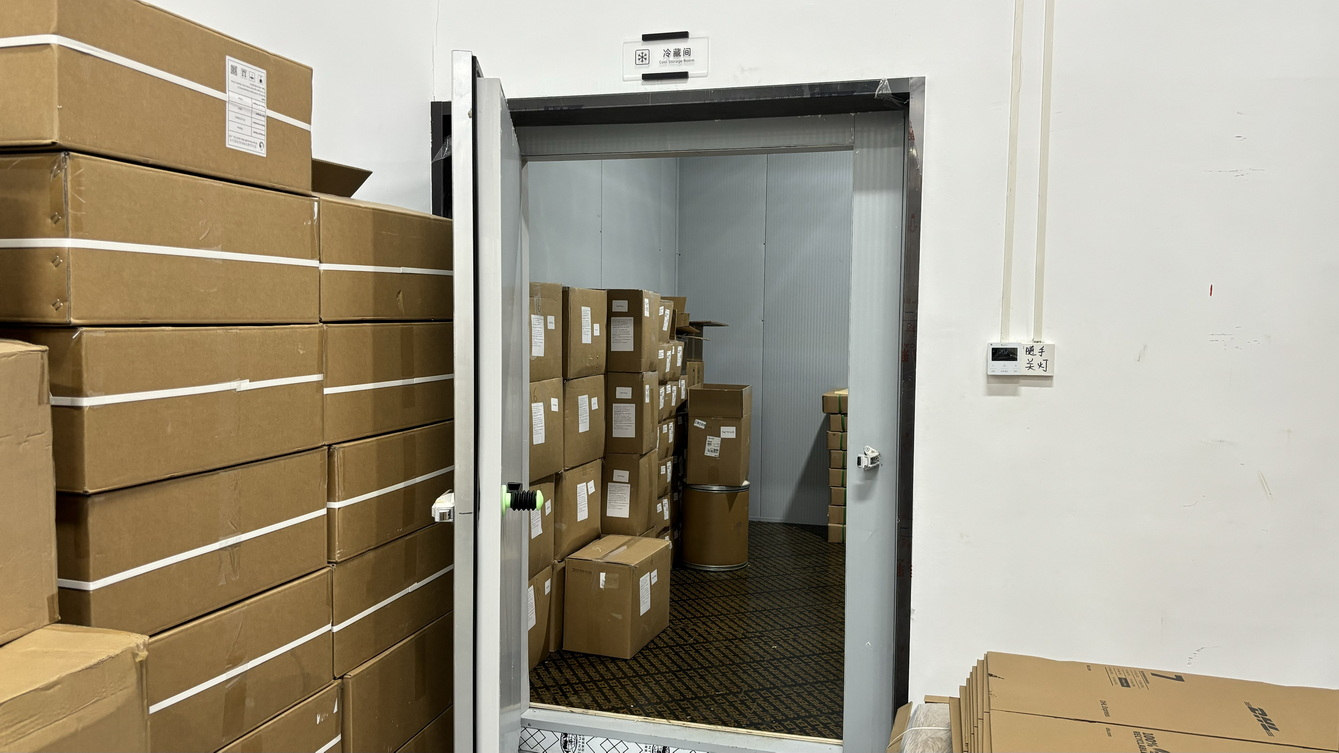
Xi'an Vexli Bio-Tech Co., Ltd. bridges the raw agricultural scale of Shaanxi botanical reserves with the exacting QA/QC compliance required by Japanese, European, and North American procurement teams. Founded in 2014, our unified manufacturing network reduces supply-chain risk across 25 verified partner facilities.
Rather than relying on unvetted spot-market traders, Vexli enforces origin-direct botanical purchasing, in-house high-performance liquid chromatography (HPLC) testing, and micro-particle pulverization to supply stable, spec-conforming botanical materials.
Essential considerations for Japanese import clearance, documentation, and small-batch contract manufacturing.
Under the Japanese Food Sanitation Act (administered by the MHLW), botanical imports must comply with the Positive List System, enforcing a uniform default limit of 0.01 ppm for agricultural chemicals lacking specific maximum residue limits (MRLs). Because lipophilic extracts concentrate lipid-soluble pesticides alongside target phytochemicals, our materials undergo multi-residue pesticide screening in accordance with BS EN 15662 standards through third-party laboratories (such as SGS) to confirm non-detectable residue levels before release.
Turbidity and precipitation in non-polar formulations usually result from residual bound moisture (>0.8%) or wax fractions with melting points higher than ambient room temperature. Our lipophilic extracts undergo low-temperature winterization and vacuum dehydrating to achieve moisture specs <0.3%, ensuring completely transparent dispersion in squalane, caprylic/capric triglycerides, and jojoba carrier oils.
Standard botanical powders and active powders (such as NAD+, GHK-Cu, and Ceremonial Matcha) start at an MOQ of 1 kg. Highly specialized oil-soluble liquid dispersions, rare sugars (D-Allulose), or custom-mesh botanical preparations typically range from 25 kg to 50 kg, accommodating pilot testing and small-batch production schedules.
Every shipment is accompanied by a batch-specific Certificate of Analysis (COA) containing HPLC/UV assay confirmations, full heavy metal panels (Pb, As, Cd, Hg), micro-biological assays (total plate count, yeasts & molds, Salmonella, E. coli), Safety Data Sheets (SDS), and Non-GMO/Allergen declarations. Where applicable, USDA/EU Organic transaction certificates and IATA/IMDG transport classifications are supplied.
Yes. We provide complete design-based and full turnkey OEM packaging services, including automated filling into nitrogen-flushed aluminum tins, UV-amber glass droppers, or vacuum-sealed foil barriers with desiccant systems to prevent lipid peroxidation during oceanic freight.
We provide full commercial flexibility supporting Incoterms including EXW, FOB (Shanghai/Qingdao), CIF (Osaka/Kobe), and door-to-door DDP to Japanese warehousing facilities. Commercial invoicing can be cleared in JPY, USD, EUR, or CNY via T/T, L/C, or verified escrow.
Connect directly with our engineering and procurement desk. Receive comprehensive batch Certificates of Analysis, technical specifications, and pilot evaluation samples within 24–48 hours.
Inquire Now