Procurement Clarifications
Frequently Asked Questions by Sofia Procurement & QA Teams
Clear, technically accurate answers addressing regulatory clearance, minimum thresholds, testing documentation, and trial sampling protocols.
Q1
How do your extracts comply with Bulgarian Food Safety Agency (BFSA) regulations?
All products shipped to Bulgarian ports or airports strictly meet European Union food supplement and food contact standards. Every consignment is supplied with an English-language Certificate of Analysis (COA) specifying multi-residue pesticide clearance tested under BS EN 15662, heavy metal limits compliant with Regulation (EU) 2023/915, and absence of ethylene oxide (ETO) and irradiation.
Q2
What is the Minimum Order Quantity (MOQ) for Sofia-based manufacturers?
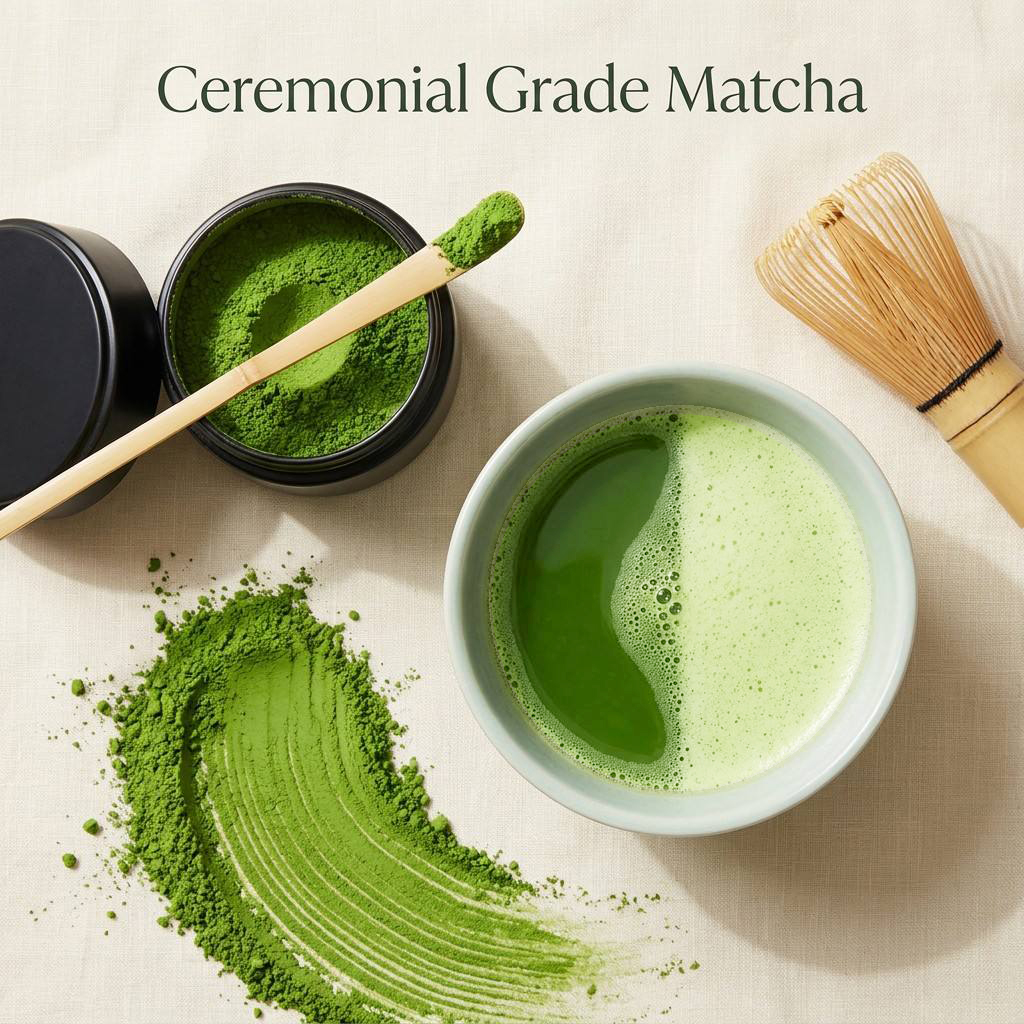
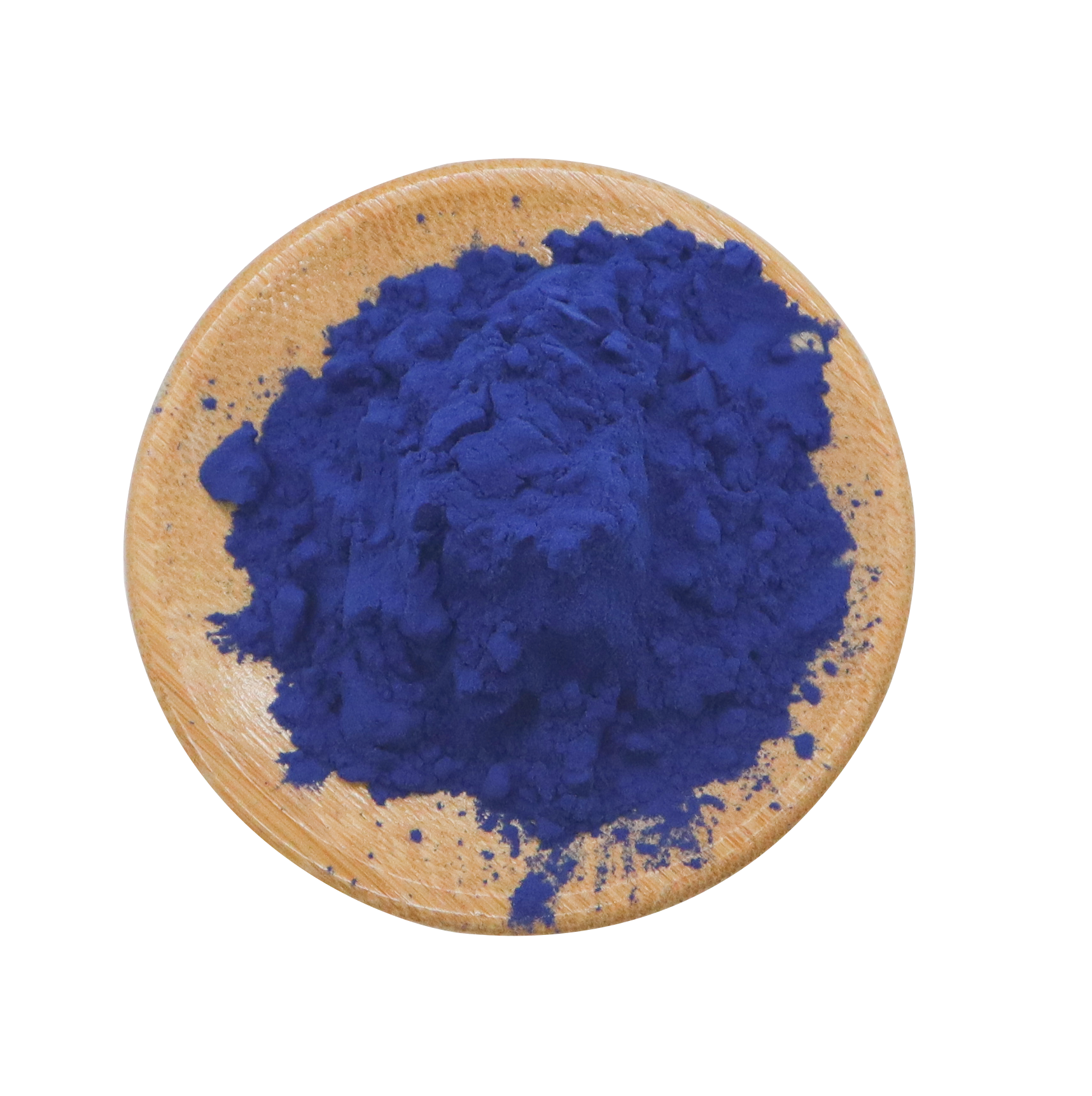
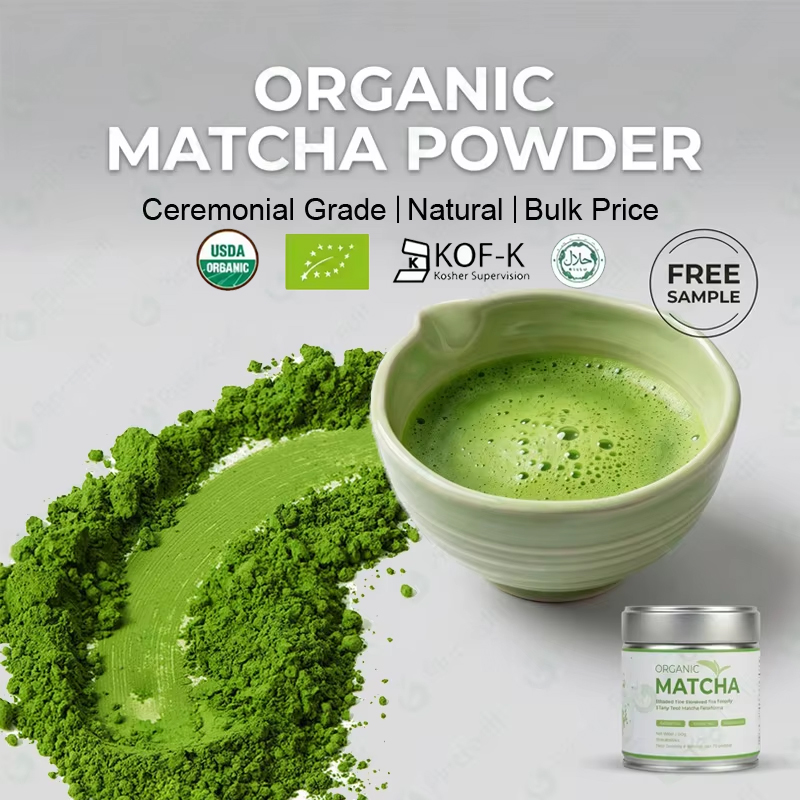
To support R&D pilots and batch scale-ups, our standard MOQ for catalog plant extracts, matcha powder, and phycocyanin begins at just 1 kg. Bulk ingredients such as specialized marine collagen peptides begin at 25 kg, and organic D-allulose starts at 50 kg. Consolidated air shipments are routinely assembled to optimize freight efficiency.
Q3
Can you provide customized mesh sizes for high-speed capsule filling or RTD dissolution?
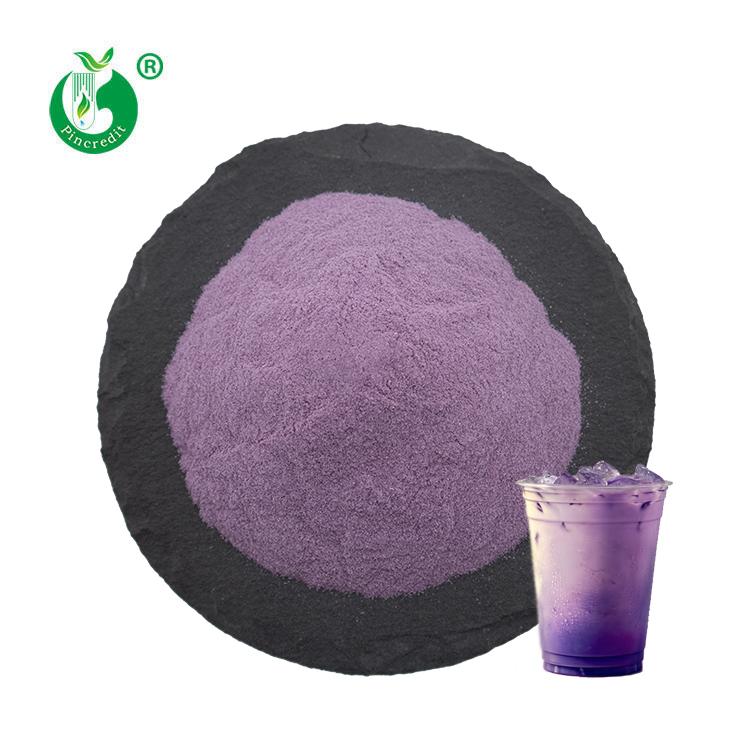
Yes. We operate precision mechanical pulverizers and vibrating grading sieves capable of tuning particle kinetics between 80 mesh and ultrafine 450 mesh. For dry capsule filling, we calibrate granular flowability to minimize electrostatic static; for instant RTD lattes, we supply micro-milled powders that hydrate rapidly without clumping.
Q4
What documentation is provided to clear customs under TARIC codes in Bulgaria?
Shipments include a Commercial Invoice, Packing List, preferential Bill of Lading / Airway Bill, Batch COA, Non-Irradiation Certificate, BSE/TSE-Free Statement, Allergen Declaration, and Material Safety Data Sheet (MSDS). For organic products, we supply transaction certificates (TC) verified under TRACES for expedited customs processing.
Q5
How is thermal stability ensured for natural colorants during food pasteurization?
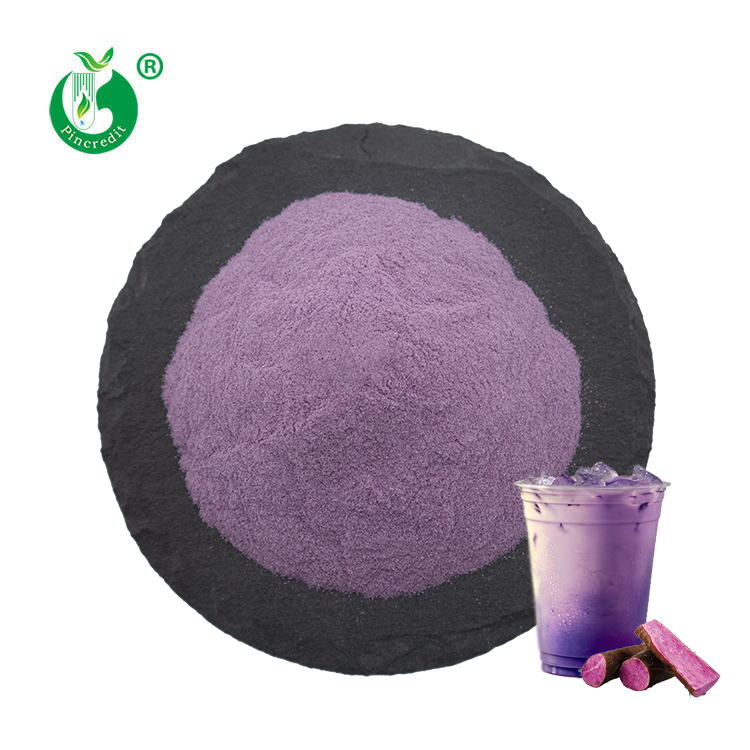
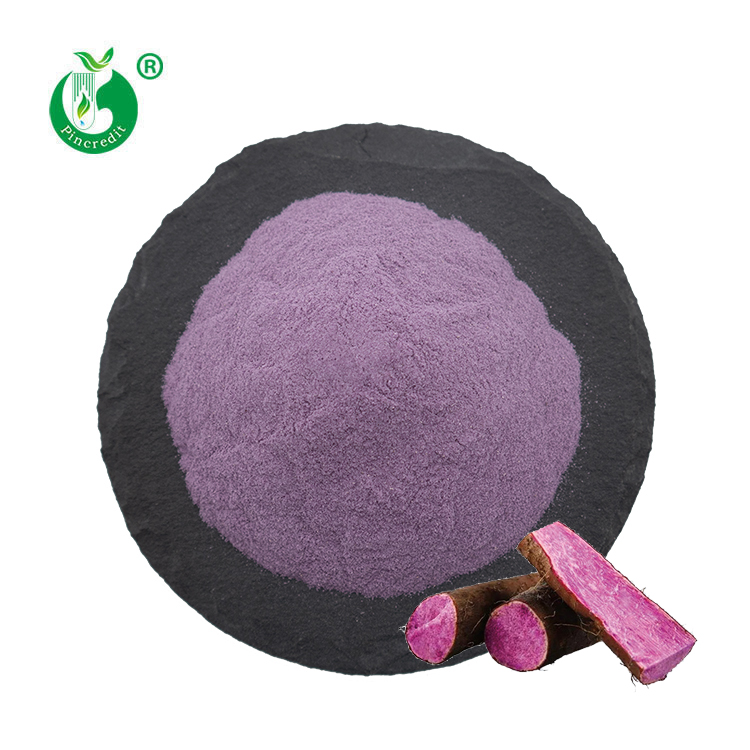
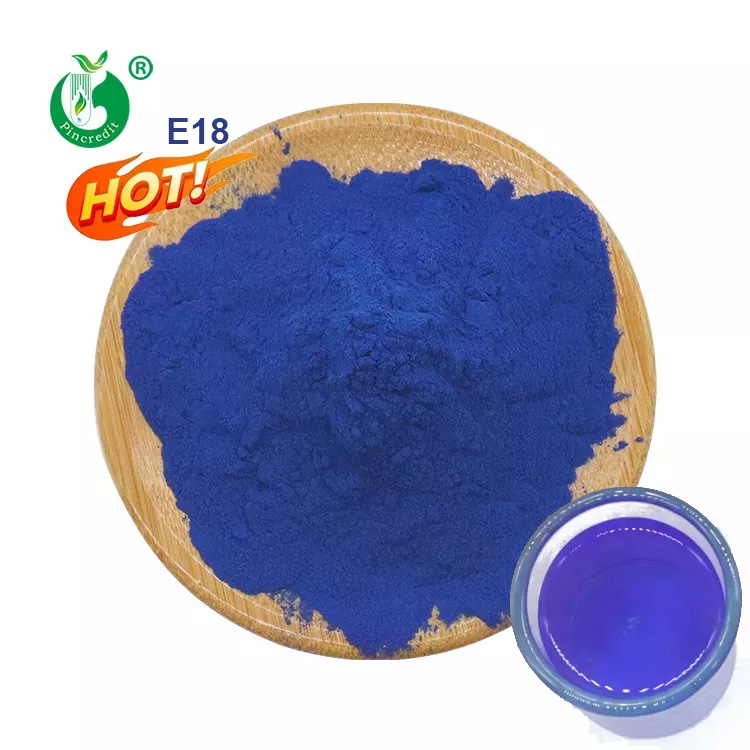
Our blue spirulina (phycocyanin) and purple yam powders are stabilized through controlled low-temperature spray drying. We advise formulators on optical density retention, chelating agent selection, and pH buffering parameters to maintain chromatic integrity throughout standard UHT or flash pasteurization protocols.
Q6
What are the lead times and shipping routes to Bulgaria?
Standard sample and urgent air freight orders sent via DHL, FedEx, or dedicated air cargo reach Sofia International Airport (SOF) within 5 to 8 business days. Consolidated maritime container shipments (FCL/LCL) through Piraeus, Constan,¸a, or direct to Varna/Burgas carry an average transit time of 28 to 35 calendar days from factory departure.
Q7
Do you offer OEM private label formulation and retail packaging?
Yes. In addition to commercial bulk drums (25 kg fiber drums with double-lined polyethylene bags), our cleanrooms accommodate design-based and bespoke OEM packing—including airtight custom-printed tins, multi-layer foil stand-up pouches, blister packs, and pre-dosed sachet packaging suitable for immediate European retail placement.
Q8
Can R&D teams request pre-shipment trial samples for analytical testing?
We routinely provide qualified institutional formulators, laboratory analysts, and corporate procurement directors in Sofia with 50g–100g pre-shipment validation samples. Samples are issued with their matching batch Certificate of Analysis, allowing in-house confirmation of assay, solubility, and microbial parameters prior to commercial PO issuance.