Verified Active Portfolio
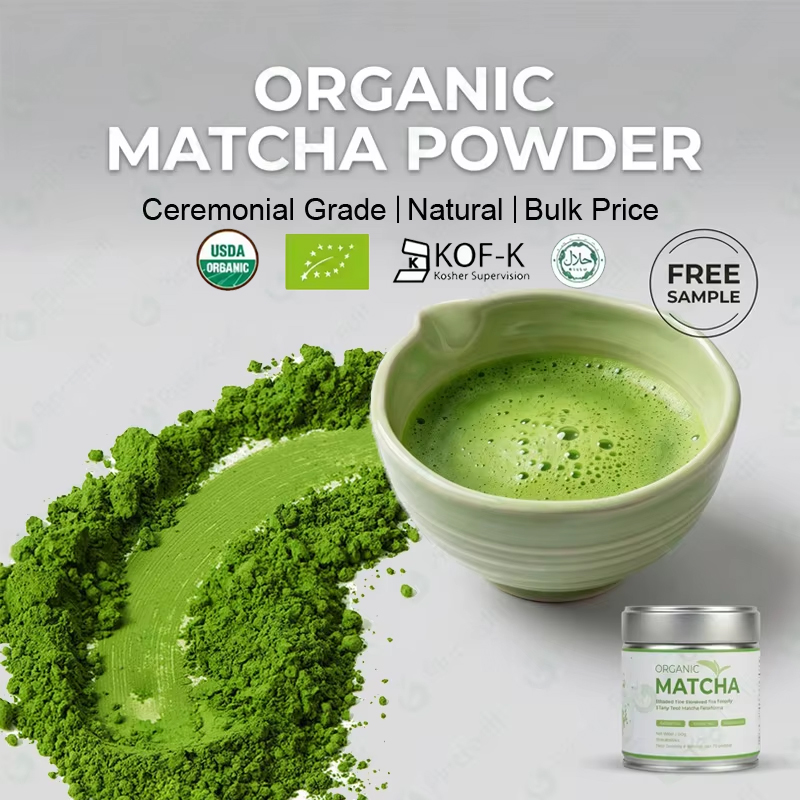
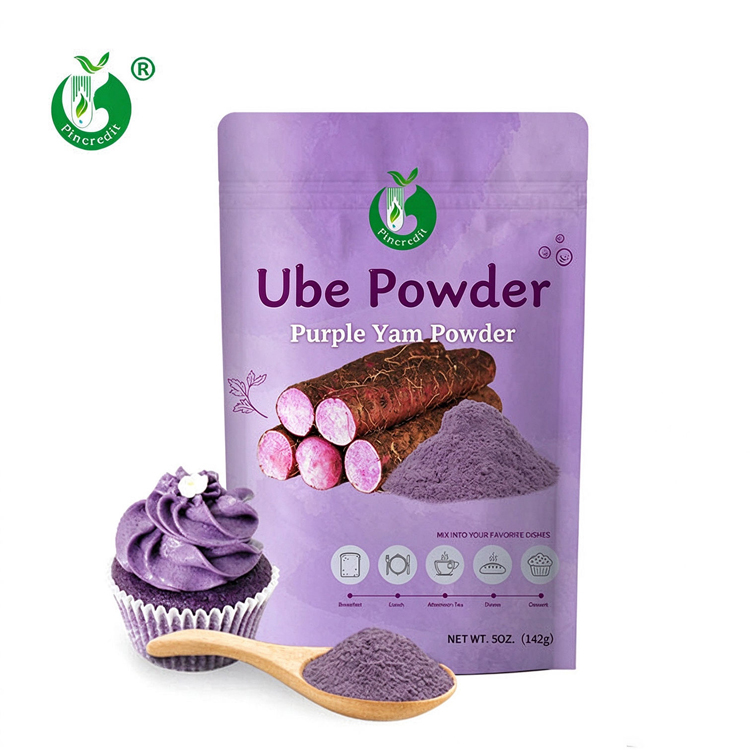
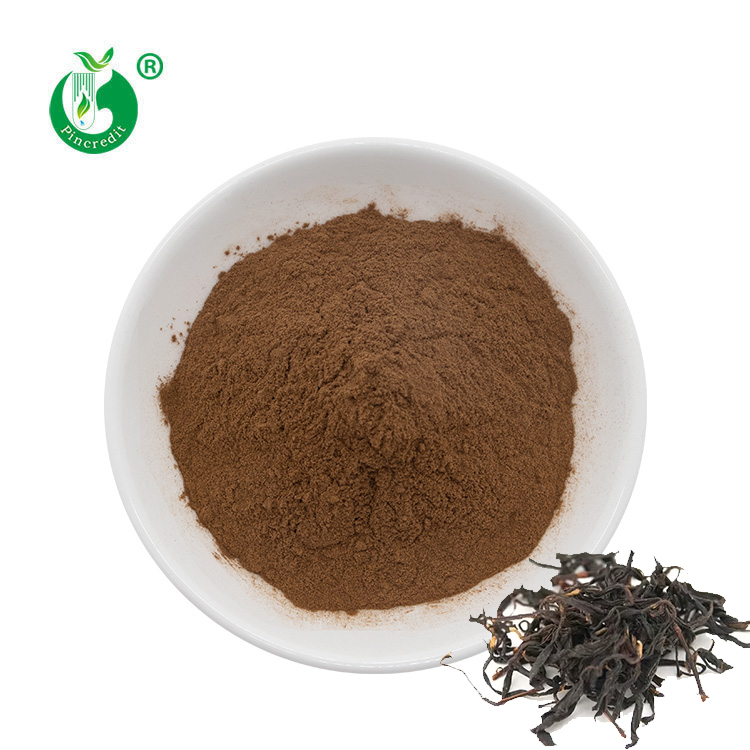
Featured Natural Botanical Powders & Superfoods
Precision-milled, standardized extracts and plant functional actives audited under ISO 22000, HACCP, and EU Organic frameworks for contract manufacturing.
Saponin Glycoside Architecture: Triterpenoid vs. Steroidal Molecular Matrices
Saponins represent a structurally diverse class of high-molecular-weight amphiphilic glycosides characterized by a lipophilic non-polar aglycone (sapogenin) coupled covalently with one or more hydrophilic carbohydrate side chains (oligosaccharides). In industrial manufacturing and supply contexts across the European Union, specifically within Poland's rapidly consolidating pharmaceutical and biotechnology corridors, sourcing engineers must differentiate between triterpenoid saponins (C30 skeleton, predominantly sourced from Quillaja saponaria, Camellia sinensis/oleifera, and Glycyrrhiza glabra) and steroidal saponins (C27 framework, derived primarily from Yucca schidigera, Dioscorea, and Trigonella foenum-graecum).
The physico-chemical properties of saponin extracts derive from this surfactant-like dual polarity. When agitated in aqueous media, they dramatically lower water surface tension, forming stable, viscoelastic polyhedral honeycomb foams capable of withstanding extreme thermal shifts and acidic gastric conditions. For Polish formulators across Warsaw, Łódź, Kraków, and Poznań, purchasing decisions are intrinsically bound to critical analytical parameters: the Hemolytic Index (HI), the E-value foaming ceiling, and precise quantification through validated Reverse-Phase High-Performance Liquid Chromatography (RP-HPLC) versus outdated spectrophotometric vanillin-perchloric assays.
Technical Information Gain for Procurement Specialists: Spectrophotometric methods (UV-Vis colorimetry) systematically overestimate total saponin content by 15% to 35% due to non-specific oxidation of phytosterols, polyphenolic tannins, and residual polysaccharides. When sourcing saponin powders for registration with the Polish Chief Sanitary Inspectorate (Główny Inspektorat Sanitarny – GIS) or the European Chemicals Agency (ECHA), insist on chromatographically verified marker assays (e.g., Sarsasapogenin for Yucca, Quillaja saponin fraction QS-21, or Theasaponin E1) to avoid non-compliance under Regulation (EC) No 1223/2009 and Ph. Eur. monographs.
Standardized Saponin Extract Specifications for the Polish Market
| Botanical Source | Predominant Aglycone Class | Assay Quantification | Solubility Index | Primary Industrial Vector in Poland |
|---|---|---|---|---|
| Yucca schidigera Extract | Steroidal Sapogenins (Sarsasapogenin, Smilagenin) | 30% – 60% Saponins (UV/HPLC) | 100% Water Soluble (80 Mesh) | Animal Feed Additives (Ammonia Control), Soil Conditioning |
| Quillaja saponaria Bark Extract | Triterpenoid Pentacyclic (Quillaic Acid) | 20% – 65% Saponins / E440 Index | Immediate Dissolution (Cold Water) | Clean-Label Beverage Emulsification, Dermocosmetic Foams |
| Camellia oleifera / Tea Seed Extract | Triterpenoid Glycosides (Theasaponins) | 60% – 85% Active Saponins | Water & Hydro-alcoholic Soluble | Agrochemical Biopesticides, Surfactant Formulations |
| Tribulus terrestris Extract | Steroidal Furostanol & Spirostanol | 40% – 95% Saponins (Protodioscin) | Fine Dispersion (100 Mesh) | Sports Nutrition Supplements, Endocrine Support Blends |
| Panax Ginseng C.A. Meyer | Dammarane-type Triterpenes (Ginsenosides) | 10% – 80% Ginsenosides (HPLC/UV) | Partially to Fully Water Soluble | Nootropic Formulations, Anti-fatigue Functional Botanicals |
Industrial Vectors
Localized Application Scenarios in Poland & Central Europe
Mapping high-purity saponin raw material integration across domestic processing clusters—from Mazovian dermocosmetics to Greater Poland's industrial agrotechnology.
Polish Dermocosmetics & Clean Beauty (Łódź & Warsaw)
Poland ranks among the top six cosmetics producers in the European Union. Clean beauty laboratories across Warsaw and Łódź are aggressively eliminating synthetic sodium lauryl sulfate (SLS), sodium laureth sulfate (SLES), and betaines. Quillaja saponaria and Sapindus mukorossi saponin extracts serve as 100% natural, biodegradable non-ionic primary surfactants in micellar waters, clarifying scalp treatments, and hypoallergenic cleansers, exhibiting negligible dermal irritation indices while maintaining thick foaming density.
Commercial Poultry & Swine Husbandry (Wielkopolska & Mazovia)
In Poland’s agricultural powerhouses—specifically the Greater Poland (Wielkopolskie) and Mazovian regions—livestock producers face strict EU environmental caps on gaseous emissions. Feed-grade Yucca schidigera extract powder (standardized to 50% saponins and B50 binding capacity) binds volatile ammonia and hydrogen sulfide within animal digestive tracts. The steroidal saponins inhibit microbial urease enzymes, improving intestinal microflora integrity, lowering barn odor by up to 60%, and enhancing nutrient assimilation efficiency.
Sustainable Agrochemicals & Biostimulants (Lublin & Kujawy)
With the European Commission’s Green Deal mandating drastic reductions in synthetic chemical inputs, agricultural blenders in Lublin and Kujawy utilize industrial tea seed saponins (Camellia oleifera). Functioning as bio-surfactants and natural molluscicides, these saponins disrupt the cellular lipid bilayers of soft-bodied agricultural pests, snails, and parasitic root-knot nematodes while drastically reducing the droplet surface tension of foliar nutrient sprays, ensuring uniform leaf adherence.
Dietary Supplements & Nutraceutical Formulations (Kraków & Silesia)
Poland's dietary supplement market, governed under rigorous notification procedures by the Główny Inspektorat Sanitarny (GIS), sees immense demand for pharmaceutical-grade botanical saponins. High-protodioscin Tribulus terrestris extracts, standardized Panax ginseng dammarane glycosides, and soy isoflavone-saponin complexes are formulated into solid-dose tablets, hard-shell capsules, and effervescent recovery matrices for distribution across domestic pharmacy chains and Central European wellness networks.
Regulatory Intelligence
Market Trends & Compliance Dynamics Across Poland (2025–2028)
Critical legislative shifts shaping bulk botanical procurement, REACH chemical registrations, and environmental directives within Central and Eastern Europe.
The manufacturing landscape for botanical ingredients in Poland is undergoing an unprecedented transition driven by legislative pressure, consumer demand for non-petroleum formulations, and tightening supply chain scrutiny. Factory buyers and quality assurance teams in Polish facilities must balance three overarching industry drivers:
1. The "Farm to Fork" Transition
Under the EU's "Farm to Fork" strategy, chemical surfactants used in pesticide and biostimulant formulations are under intense regulatory audit. Polish formulators are substituting ethoxylated nonylphenols and synthetic alkyl polyglucosides with plant-derived triterpenoid saponins. Their total environmental biodegradability, zero aquatic ecotoxicity bioaccumulation, and organic certified compatibility make them an indispensable natural surfactant for compliant agrochemical compounding.
2. Strict GIS Notification Frameworks
Poland's Sanitary Inspectorate (GIS) maintains strict oversight over botanical food supplements. Under Polish national requirements aligning with European Food Safety Authority (EFSA) guidance, extracts containing steroidal saponins must be accompanied by comprehensive toxicological dossiers, absence-of-adulteration statements (free from illegal anabolics or sildenafil analogues in male vitality botanicals), and verified zero pyrrolizidine alkaloid contamination.
3. Heavy Metal & Solvent Mandates
Regulation (EU) 2023/915 establishes aggressive lower ceilings on lead (Pb), cadmium (Cd), arsenic (As), and mercury (Hg) in plant extracts. Furthermore, extraction solvents used in our processing must strictly comply with Directive 2009/32/EC, allowing only water, food-grade ethanol, or supercritical CO2. Spot-market materials processed with toxic acetone or chlorinated solvents are strictly barred from entering the Polish customs terminal at the Port of Gdańsk.
Forward-thinking supply chain directors in Poland are terminating precarious spot-purchases on unverified B2B trading platforms and establishing direct contracts with primary manufacturers equipped with integrated extraction, purification, and validated batch testing facilities.
Manufacturing Transparency
Why Polish Enterprises Source Directly from Xi'an Vexli Bio-Tech
An audited, technology-driven extraction partner bridging Shaanxi botanical origin processing with rapid Central European industrial fulfillment.
12+
Years of Botanical R&D
Operating continuously since 2014
$29.5M
Annual Export Throughput
Independently assessed via trade records
30+
Destination Countries
Robust logistics to Poland, EU, & Americas
1,250 m²
Validated Facility Footprint
Class 100,000 cleanrooms & QC testing labs
SGS On-Site Assessed & Certified
Our extraction operations have undergone thorough on-site audit verification by SGS. We operate under internationally recognized food safety and management systems: ISO 22000, HACCP, USDA Organic, EU Organic, Halal, and Kosher certification, satisfying Polish veterinary and sanitary import criteria.
Origin-Direct Processing & Scale
Rather than acquiring raw botanical stock through speculative spot intermediaries, we execute direct origin purchasing across 25 verified partner facilities. With modern vacuum extractors, low-temperature evaporators, and spray drying towers, our facilities ensure stable, uninterrupted pricing, eliminating seasonal commodity volatility for Polish long-term contracts.
Patented Extraction Technologies
Xi'an Vexli Bio-Tech holds domestic invention patents (including ZL 2014 1 0464649.9 for specialized chromatographic separation) and Utility Model Patent No. 14520048 for high-yield, low-temperature botanical extraction devices. These engineering milestones ensure maximum bioactive preservation without molecular degradation.
Flexible MOQ & Private Label OEM
Whether formulating a pilot batch of 1 kg for laboratory stability benchmarking or ordering multi-metric-ton bulk containers for feed compounding, our production schedules support diverse packaging: bulk 25 kg fiber drums with inner poly liners, nitrogen-flushed foil pouches, or consumer-ready private label packaging formats.
Buyer Knowledge Base
Frequently Asked Questions by Polish Procurement & Formulations Teams
Addressing the technical, regulatory, customs, and analytical queries encountered when importing bulk saponins into Poland.
What specific analytical methodology is utilized to release saponin batches for European customs clearance?
Every shipment is accompanied by a batch-specific Certificate of Analysis (COA) specifying the exact testing standard. Unlike commodity traders who quote general UV-Vis absorption, we validate individual marker molecules via High-Performance Liquid Chromatography (HPLC) with Evaporative Light Scattering Detection (ELSD) or charged aerosol detection (CAD), as saponins typically lack conjugated UV chromophores. Additionally, our testing protocol reports heavy metals via ICP-MS, residual pesticides to BS EN 15662 multi-residue standards, microbiological plate counts, and loss on drying.
How do you handle delivery logistics, customs duties, and import clearance into Polish destinations?
We routinely support international delivery under Incoterms: FOB, CIF, CFR, FCA, and full DDP (Delivered Duty Paid) directly to manufacturing warehouses in Warsaw, Wrocław, Gdańsk, Katowice, or Poznań. We supply comprehensive customs clearance dossier packs, including the Commercial Invoice, Packing List, Non-Irradiation Certificate, Non-GMO Declaration, BSE/TSE Free Statement, and relevant safety data sheets (SDS) structured under Regulation (EC) No 1907/2006 (REACH). Polish VAT and EU Common Customs Tariff (TARIC codes, e.g., 2938.90 for Saponins) are accurately coordinated.
Are your saponin powders suitable for formulation into certified organic and clean-label products in Poland?
Yes. Specific production lots of our natural plant powders and saponin ingredients carry valid EU Organic certification verified by authorized certification bodies. Our physical processing utilizes food-grade deionized water and organic-compatible hydro-alcoholic extraction, completely free from harsh synthetic cross-linking agents, irradiation, ethylene oxide (EtO), or artificial flow carriers like silicon dioxide, unless requested by the buyer for specialized high-speed capsule filling lines.
Can we receive pilot-scale verification samples before issuing a commercial Purchase Order (PO)?
Absolutely. We supply qualified laboratory and formulation evaluation samples (typically 50g to 250g) to verified European businesses, R&D centers, and academic laboratories. This allows your internal quality team to evaluate critical formulation parameters: color, foaming index, critical micelle concentration (CMC), HPLC chromatograms, and solubility in your specific aqueous or emulsion substrate prior to signing a commercial supply contract.
What is the typical shelf life, moisture barrier packaging, and re-test interval for bulk saponins?
Our saponin extracts are characterized by a validated shelf-life of 24 to 36 months when stored unopened in a cool, dry environment away from direct sunlight. Because saponin extracts are naturally hygroscopic, our standard export packaging incorporates dual-layer food-grade polyethylene food-contact liners heat-sealed within an outer aluminum-barrier vacuum pouch or heavy-duty fiber drum. An annual stability re-test protocol is provided upon request for multi-year reserve stocks.