Standardized Botanical & Saponin Formulations
Phytochemical actives, botanical concentrates, and high-purity extracts engineered under ISO 22000 and HACCP control for technical R&D and industrial compounding.
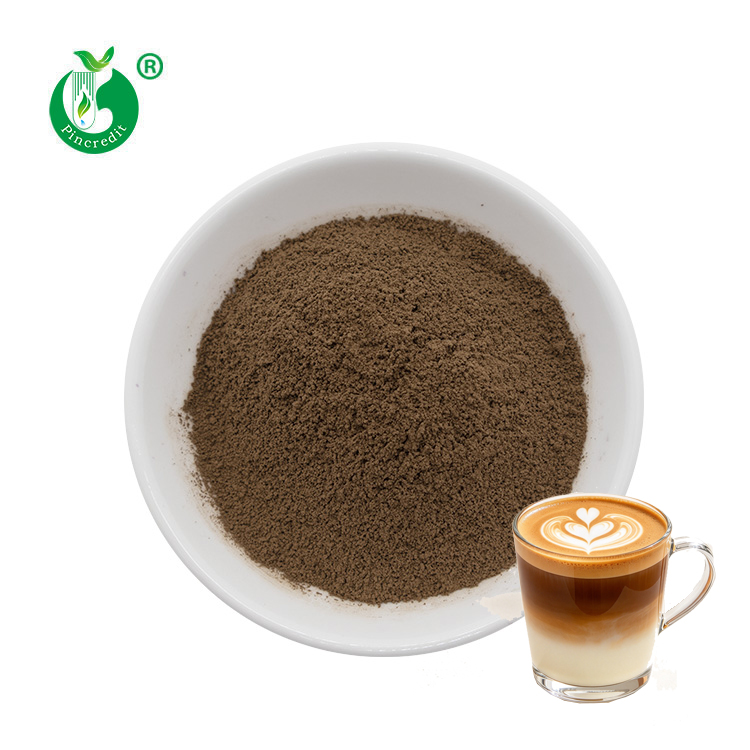

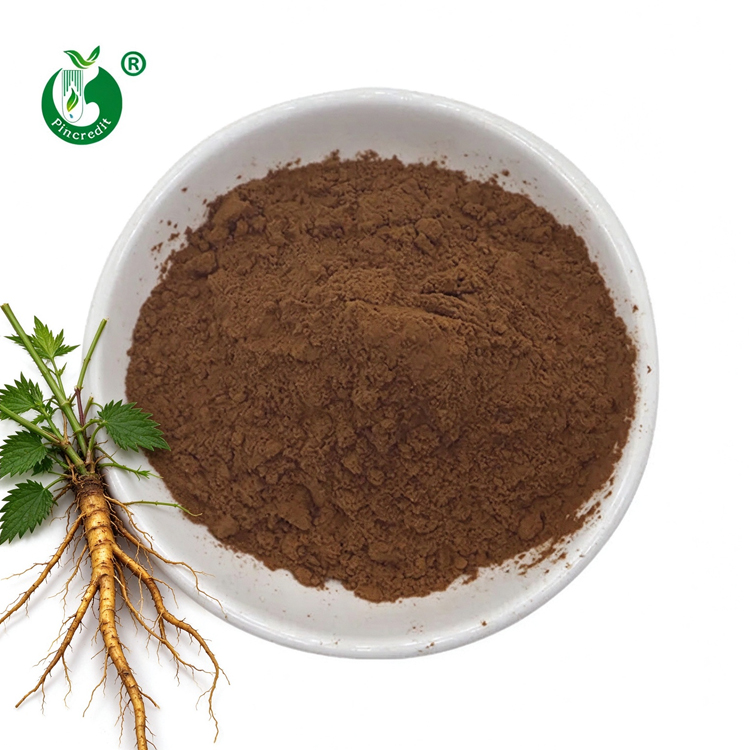
Saponin Fractionation, Molecular Diversity, and Industrial Extraction Matrix
Saponins represent a structurally diverse class of amphiphilic glycosides composed of a nonpolar aglycone moiety (sapogenin) bonded through an ether or ester linkage to one or more hydrophilic oligosaccharide side chains. In modern biochemical and industrial manufacturing, saponin extracts are categorized predominantly into two aglycone families: pentacyclic triterpenoids (prevalent in Quillaja saponaria, Camellia sinensis seeds, Hedera helix, and Panax ginseng) and steroidal sapogenins (predominantly extracted from Yucca schidigera, Tribulus terrestris, and Trigonella foenum-graecum). Because their unique dual-affinity structure enables rapid critical micelle concentration (CMC) reduction, surface interfacial film stabilization, and selective permeabilization of lipid bilayers, industrial demand has surged well beyond classical botanical medicine into mission-critical applications across industrial chemistry, biotechnology, and green engineering.
Operating as a primary manufacturer serving the greater Stuttgart industrial ecosystem, our extraction infrastructure isolates, concentrates, and refines specialized saponin fractions from raw origin-harvested botanical feedstocks. Classical extraction paradigms relying heavily on elevated thermal heating frequently trigger thermodynamic degradation of labile oligosaccharide terminals, yielding degraded sapogenin artifacts with compromised interfacial functionality. To circumvent these bottlenecks, our manufacturing protocols deploy low-temperature subcritical water extraction paired with multi-stage membrane ultrafiltration (cut-offs between 5,000 to 30,000 Daltons) and macroporous polymeric resin adsorption. This closed-loop process guarantees that active glycosidic linkages remain intact, ensuring standardized foaming power (Ross-Miles foam test index > 180 mm), minimal thermal ash, and ultra-low residual solvent content strictly adhering to European Pharmacopoeia (Ph. Eur.) and EU industrial chemical specifications.
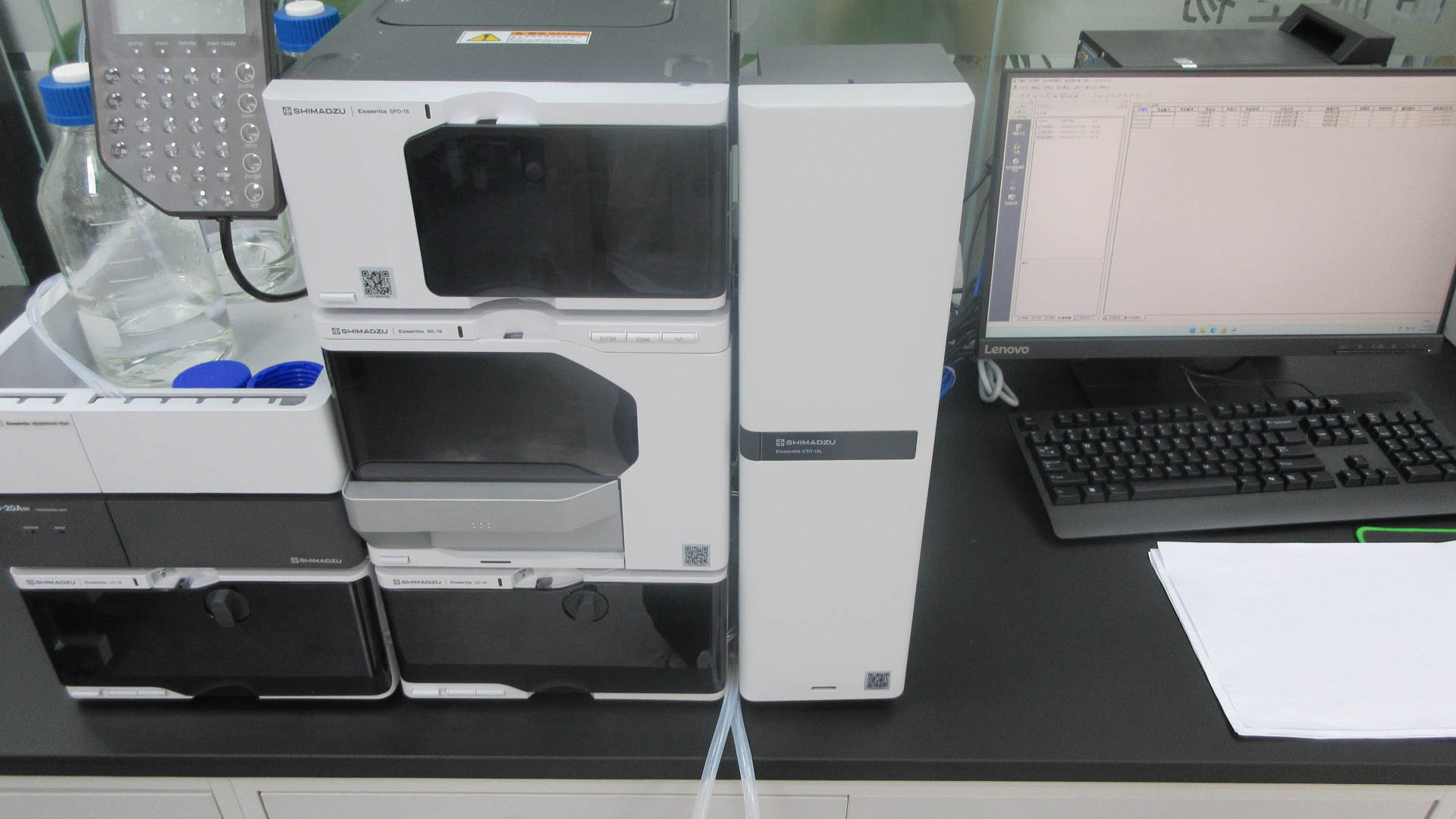
Each manufacturing campaign executed for European commercial delivery incorporates comprehensive chromatography method development. We validate our triterpene and steroidal profiles through High-Performance Liquid Chromatography paired with Evaporative Light Scattering Detection (HPLC-ELSD) and Ultra-Performance Liquid Chromatography Tandem Mass Spectrometry (UPLC-MS/MS). This provides procurement managers, technical directors, and analytical chemists in the Stuttgart metropolitan area with irrefutable Certificate of Analysis (COA) documentation, establishing precise quantification of active saponin complexes alongside multi-element ICP-MS heavy metal validation (Lead < 1.0 ppm, Cadmium < 0.5 ppm, Arsenic < 0.5 ppm, Mercury < 0.1 ppm) and BS EN 15662 multi-residue pesticide clearance.
Industrial Saponin Matrices: Technical Specifications
Analytical grade specifications across key plant origins engineered for high-performance formulation.
| Botanical Source | Aglycone Chemistry | Assay Method | Surface Tension (1 g/L) | Target Purity Range | Primary Industrial Sector |
|---|---|---|---|---|---|
| Quillaja Saponaria (Bark) | Triterpenoid (Quillagic Acid) | HPLC / UV | 29.2 – 32.5 mN/m | Saponins 20% – 85% | Adjuvants & Agro-tech |
| Camellia Oleifera (Seed Meal) | Triterpenoid (Theasaponin) | Gravimetric / HPLC | 31.0 – 34.0 mN/m | Saponins 60% – 90% | Automotive Degreasing |
| Yucca Schidigera | Steroidal (Sarsasapogenin) | BVT / UV / HPLC | 34.5 – 37.8 mN/m | Saponins 10% – 60% | Precision Fermentation |
| Hedera Helix (Ivy Leaf) | Triterpenoid (Hederacoside C) | HPLC-UV (Ph. Eur.) | 36.0 – 39.5 mN/m | Hederacoside C 5% – 15% | Stuttgart Pharma |
| Panax Notoginseng / Ginseng | Dammarane (Ginsenosides) | HPLC (USP/Ph. Eur.) | 38.0 – 42.0 mN/m | Total Saponins 10% – 80% | Cosmetic Dermatology |
Localized Application Scenarios Across Greater Stuttgart
Deploying specialized botanical saponins directly into Baden-Württemberg’s automotive, biomedical, precision chemical, and sustainable agricultural ecosystems.
Automotive Surface Finishing & Green Degreasing
Stuttgart is internationally celebrated as the cradle of the global automotive sector, home to world-class OEMs and Tier-1 engineering suppliers located throughout Zuffenhausen, Untertürkheim, and Sindelfingen. Precision mechanical machining, aluminum die-casting, and powertrain manufacturing generate substantial volumes of hydrocarbon cutting fluids and synthetic stamping lubricants that must be completely removed prior to electrostatic painting, physical vapor deposition (PVD), or catalytic coating.
Our refined Camellia and Quillaja saponin extracts replace banned or heavily restricted nonylphenol ethoxylates. Operating as low-foaming, bio-derived surfactants, they decrease aqueous wash bath tension, emulsify mineral and synthetic oils, and leave zero halogens or silicone residues on machined metallic substrates.
Biopharma Formulations & Vaccine Adjuvant Systems
The Neckar-Alb bio-corridor connecting Stuttgart with Tübingen represents one of Europe's dense biotechnology epicenters, spearheading mRNA delivery platforms, viral vector development, and advanced immunology. Saponin fractions, particularly highly purified triterpenoid isomers containing precise aldehyde and acyl-chain distributions (analogous to QS-21 adjuvant structures), are critical for pharmaceutical research.
We supply ultra-purified, chromatographic-grade saponin precursor matrices manufactured in GMP-aligned cleanrooms. These fractions enable researchers to formulate stable immunostimulating complexes (ISCOMs), modulate transient cell-membrane permeability for macromolecular delivery, and enhance antigen presentation with batch-to-batch HPLC reproducibility.
Viticulture Biopesticides in the Neckar River Valley
The terraced steep-slope vineyards spanning the Neckar Valley, Remstal, and surrounding Württemberg wine regions face mounting restrictions regarding copper sulfate accumulation and synthetic fungicides. Local agricultural cooperatives and organic bio-fertilizer formulators are actively pioneering biological pest mitigation strategies.
Our natural saponin powders serve a dual function in agrochemical formulations: they act as direct biopesticides by disrupting fungal ergosterol membrane matrices (such as Plasmopara viticola downy mildew) and simultaneously function as natural wetting agents. By lowering the contact angle of foliar spray droplets, they ensure uniform leaf coverage without microplastic or synthetic adjuvant residues.
Regulatory and Industrial Megatrends Reshaping Baden-Württemberg
The regulatory landscape across the European Union, spearheaded by Germany's federal environmental agency (Umweltbundesamt) and the state ministry in Stuttgart, is enforcing an aggressive phase-out of polyfluoroalkyl substances (PFAS) and traditional ethoxylated petrochemical surfactants. Under the European Green Deal and zero-pollution chemical strategy, manufacturers in Baden-Württemberg are obligated to audit their supply chains for carbon footprint verification, ecotoxicity in aquatic matrices (OECD 201/202), and persistent bioaccumulation.
This structural transformation has elevated bio-surfactants from a premium niche into a strategic operational necessity. Saponin-based natural extracts present an exceptionally low Aquatic Toxicity Class rating while offering superior surface activity at temperatures up to 85°C. Industrial compounders supplying cleaning chemistries to Stuttgart’s manufacturing plants, transit authorities, and regional clinical networks are systematically reformulating their core lines around sustainable, plant-derived saponins.
Furthermore, the cosmetics and personal care sector located throughout southwestern Germany demands clean-label certification under COSMOS, NATRUE, and ISO 16128 standards. By transitioning from synthetic sodium laureth sulfate (SLES) to plant-based saponin extracts, regional formulators achieve luxurious foaming profiles, dermatological mildness, and verified biodegradability.
EU REACH Annex XVII
Strict limitation of APEOs and endocrine-disrupting surfactants driving industrial transition to bio-based saponin alternatives.
PFAS Restriction Proposal
Anticipated universal European phase-out of fluorinated surfactants accelerating adoption of high-performance botanical wetting agents.
DIN EN ISO 14040/44
Rigorous Life Cycle Assessment (LCA) compliance, requiring quantifiable cradle-to-gate environmental product declarations (EPD).
Supply Chain Due Diligence
Compliance with the German Lieferkettensorgfaltspflichtengesetz (LkSG) through fully audited raw material tracing directly to botanical origin.
Why Stuttgart Procurement Teams Partner with Vexli Bio-Tech
Combining origin-direct botanical harvesting with precision chromatographic refinement, verified trade security, and comprehensive technical documentation.
 ISO 22000 Certified
 HACCP Verified
 USDA Organic
 EU Organic Compliant
 SGS On-Site Audited
Shaanxi Botanical Origin Advantage
Headquartered in Xi'an, Shaanxi Province, our manufacturing infrastructure taps directly into the botanical resources of the Qinling Mountain corridor. We eliminate speculative spot trading by procuring directly from vetted cultivation cooperatives, stabilizing pricing and lot consistency across multi-ton contracts.
Audited Network of 25 Partner Plants
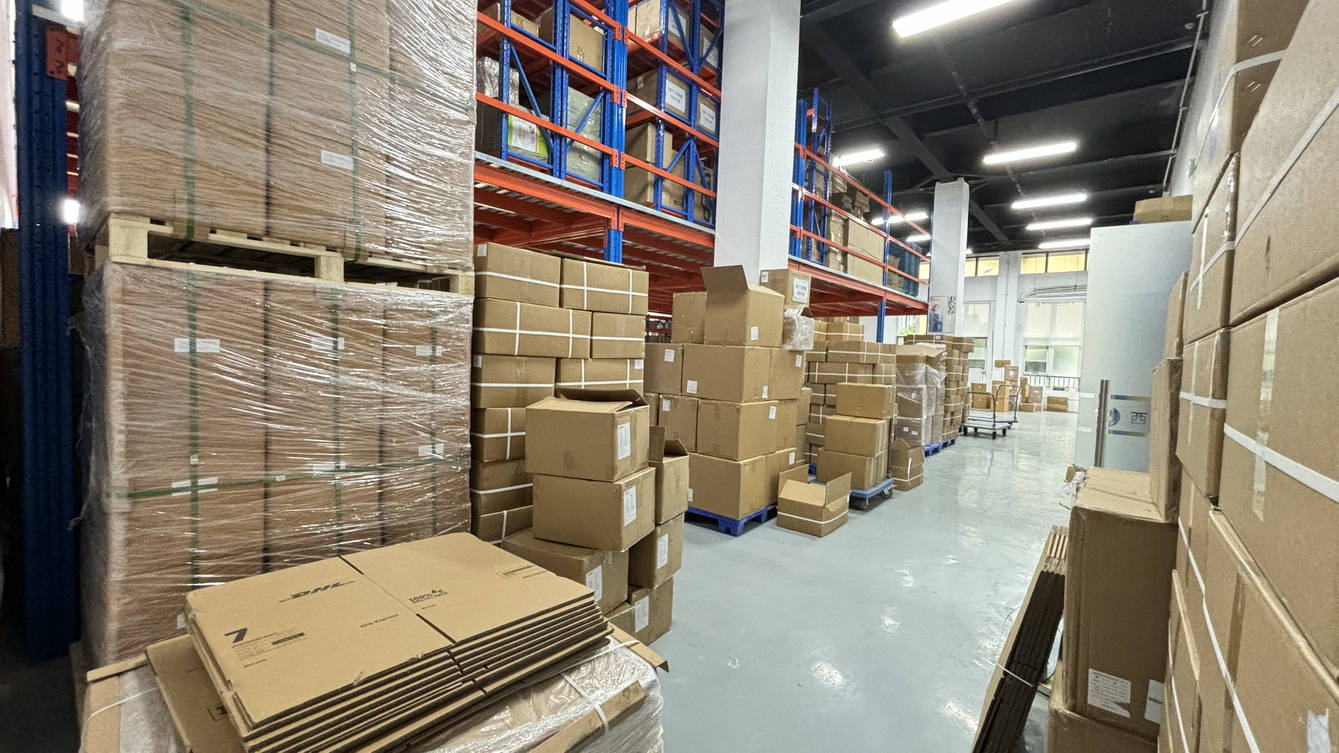
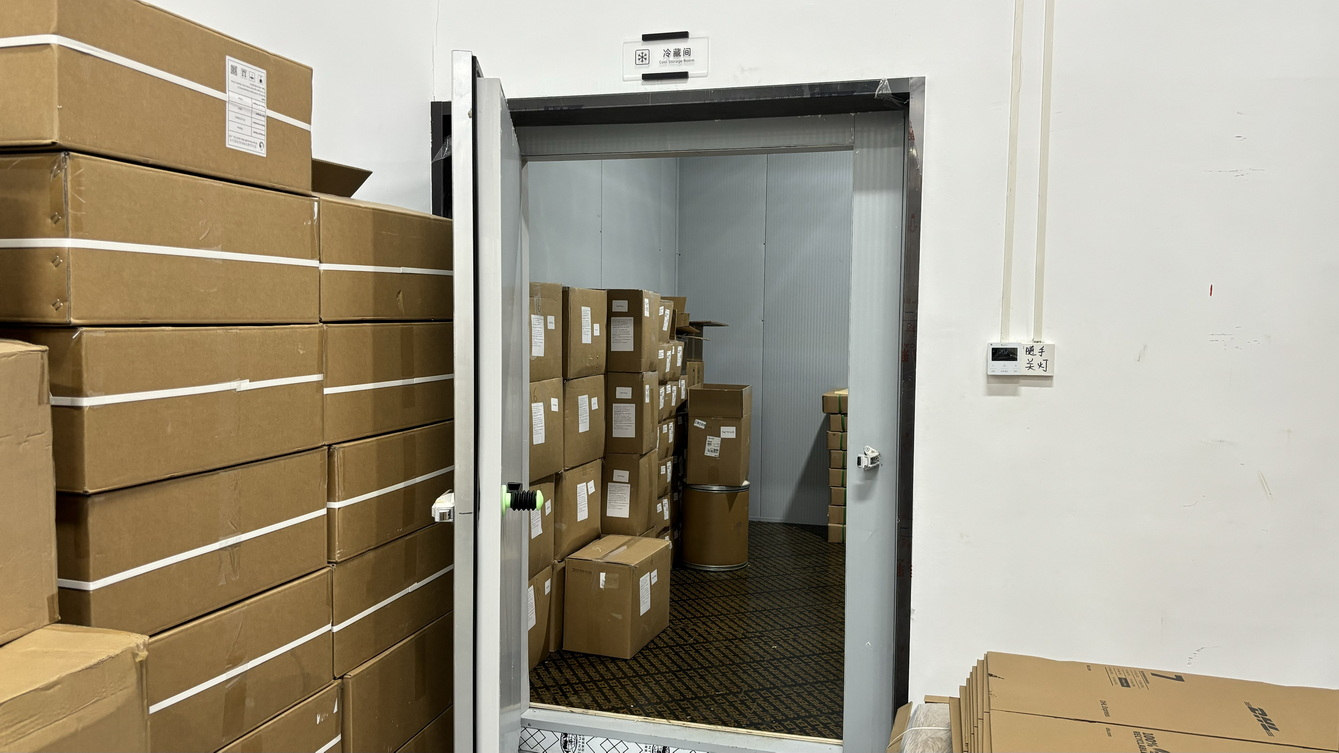
Beyond our dedicated primary facilities, we coordinate an integrated manufacturing matrix of 25 audited extraction workshops. This dual-layer production network allows agile allocation of equipment—from stainless steel vacuum evaporators to spray drying towers—guaranteeing rapid scale-up from 1 kg pilot trials to full container loads (FCL).
Patented Extraction Intellectual Property
We are a recognized National High-Tech Enterprise holding utility model and invention patents (such as Invention Patent ZL 2014 1 0464649.9 and Extraction Device Patent 14520048). Our proprietary column adsorption methodologies substantially eliminate unwanted color, ash, and bitter tannins without chemical degradation.
Frequently Asked Questions by Stuttgart Buyers
Essential regulatory, logistical, and technical insights for German chemical, pharmaceutical, and consumer goods procurement teams.
How do you handle EU REACH and German CLP compliance for saponin shipments?
All botanical extracts exported to clients in Stuttgart and the wider EU comply fully with Regulation (EC) No 1907/2006 (REACH). Naturally occurring, non-chemically modified saponin fractions frequently qualify for Annex V exemptions; for higher-volume synthesized derivatives or compound preparations, we coordinate with your Only Representative (OR) or supply compliant Safety Data Sheets (SDS) authored in German according to GHS/CLP requirements.
What Incoterms and delivery lead times apply for shipments directly to Stuttgart?
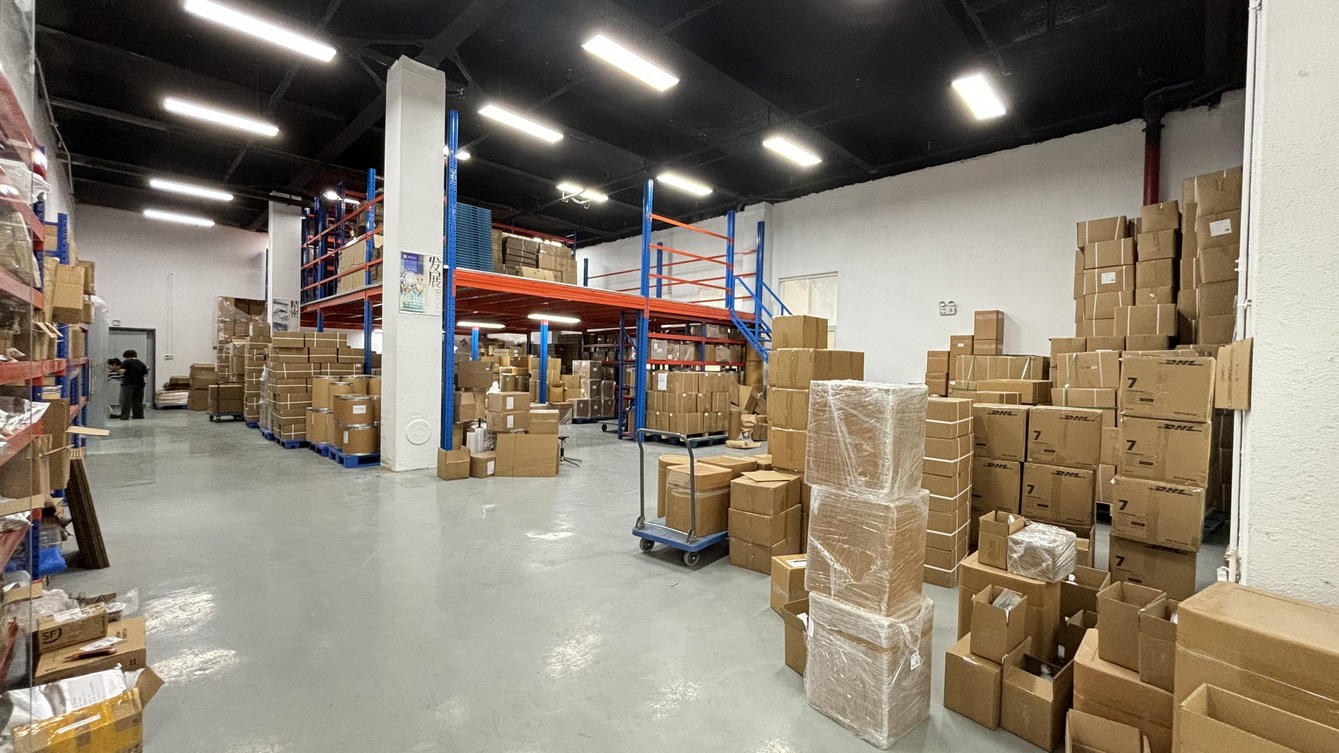
We regularly ship under DDP (Delivered Duty Paid Stuttgart), DAP, CIF Hamburg/Rotterdam, or FCA Xi'an terms. Urgent R&D lots and evaluation batches are dispatched via air express (DHL/FedEx/UPS) reaching Stuttgart Airport (STR) within 4 to 6 business days. Commercial bulk freight is routed via maritime containers to Hamburg/Rotterdam and transferred via multimodal rail to the Stuttgart-Kornwestheim container terminal in 28 to 34 days.
Can you provide batch-specific third-party test reports from accredited bodies?
Yes. Every production run is issued with an in-house Certificate of Analysis (COA) specifying assay by HPLC/UV, loss on drying, bulk density, particle size (80–450 mesh), and microbiology. For European import validation, we regularly provide supplementary reports from internationally accredited laboratories such as SGS or Eurofins covering BS EN 15662 multi-residue pesticide screening and ICP-MS heavy metals.
What is the Minimum Order Quantity (MOQ) for custom saponin specifications?
Standard catalogue powders and active saponin concentrates start at a minimal order quantity of just 1 kg to facilitate initial pilot formulations, bench-scale stability profiling, and compatibility trials. For customized extraction projects involving designated sapogenin ratios, targeted solvent fractionation, or specialized mesh milling, our custom production runs begin at 25 kg to 100 kg.
How are transport hazards and fine botanical powder shipments handled?
Our fine plant powders are classified following rigorous IATA DGR and IMDG Code testing. We provide certified transport appraisals confirming products are non-hazardous, non-combustible, and non-DG for air or sea shipment. Powders are vacuum-sealed in food-grade polyethylene double liners enclosed in moisture-barrier aluminum foil pouches and secured in tamper-evident fiber drums.
What payment currencies and terms are accepted for German enterprises?
To eliminate foreign exchange friction, we accept direct remittances in Euro (EUR), US Dollars (USD), and Swiss Francs (CHF). We support flexible international commercial trade mechanisms including T/T wire transfer, irrevocable Documentary Letters of Credit (L/C at sight), and verified escrow accounts for qualified European commercial partners.
Request Target Specifications & Technical COA for Stuttgart Formulations
Connect directly with our engineering division. Submit your target saponin content, aglycone classification, required mesh size, and annual volume. Our technical account specialists respond within 12 hours with complete product specifications, batch COA samples, and direct DDP delivery quotations.