Precision Ingredients
Featured Bulk Antioxidant Extracts & Bioactives
Standardized phytocompounds, water-soluble pigments, and anti-aging peptides ready for prompt export to Sofia, Plovdiv, Varna, and Kazanlak manufacturing hubs.
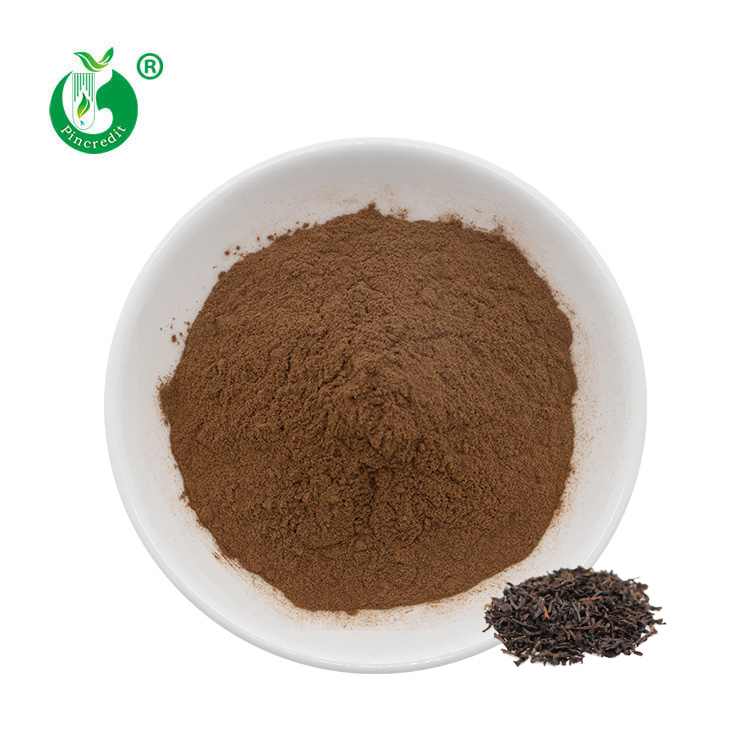
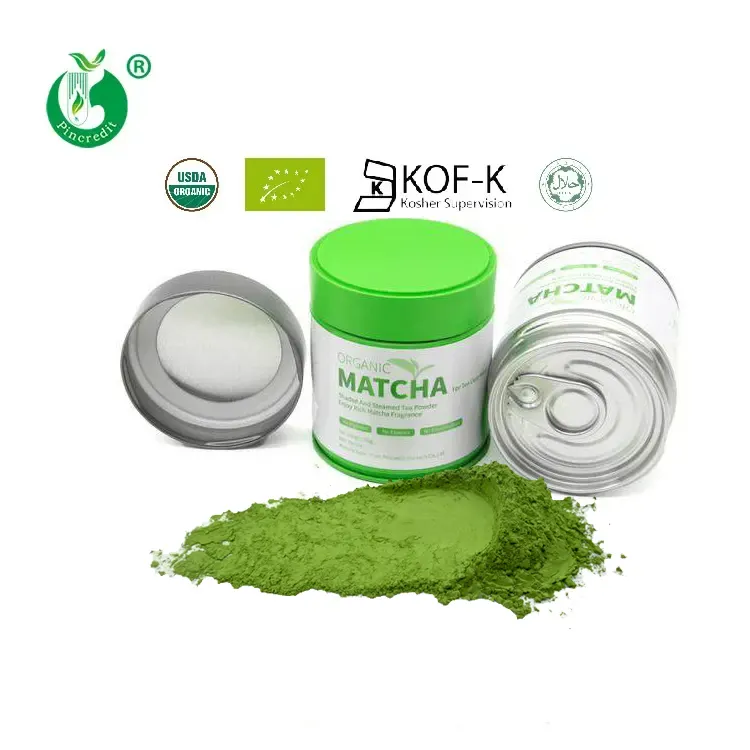
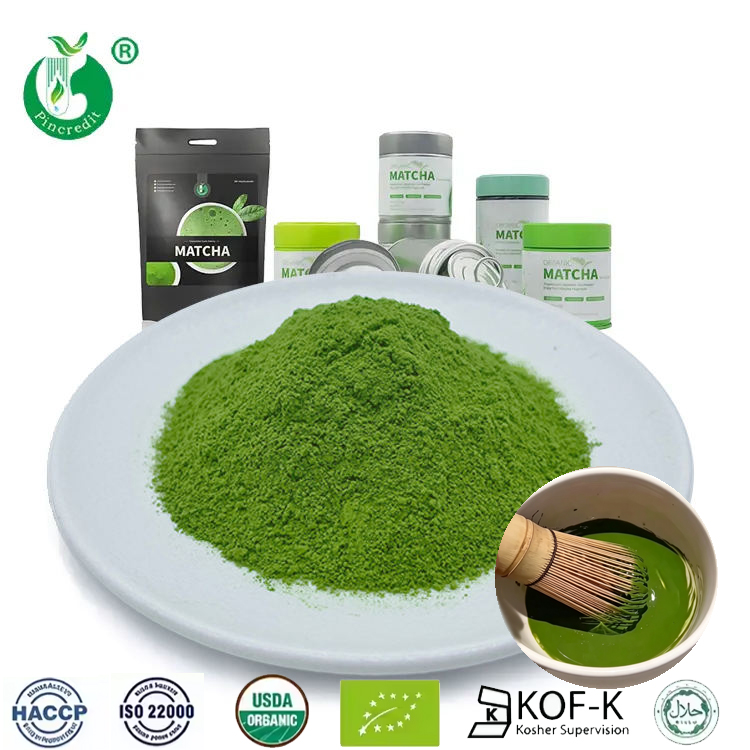
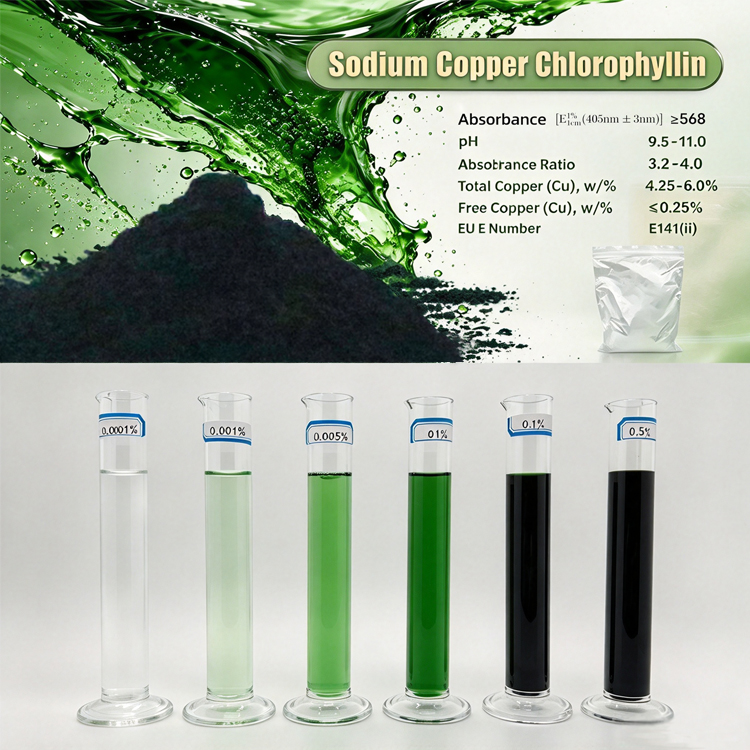
Market Intelligence
Industrial Context: Natural Antioxidant Sourcing in Bulgaria
Bulgaria occupies an elite standing within the European Union's cosmetic, herbal, and wellness processing industries. Globally recognized for its centuries-old distillation of Rosa damascena in the Rose Valley (Kazanlak and Karlovo) and extensive lavender cultivation throughout Dobrich and Plovdiv, the Bulgarian bio-manufacturing sector is transitioning into high-potency finished goods. Modern industrial formulators in Sofia, Stara Zagora, and Ruse are aggressively diversifying from basic essential oils toward complex dermocosmetic serums, nutricosmetics, and functional health food applications.
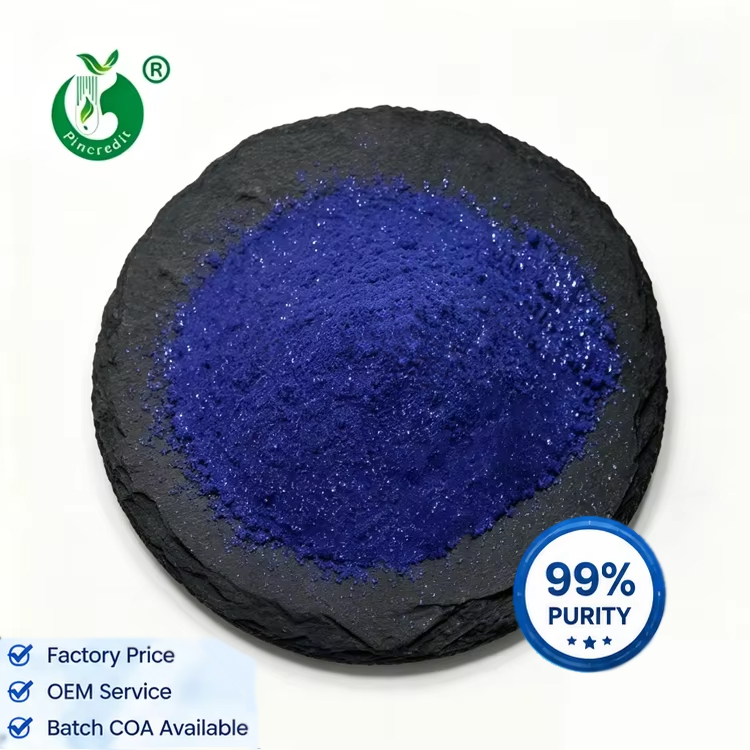
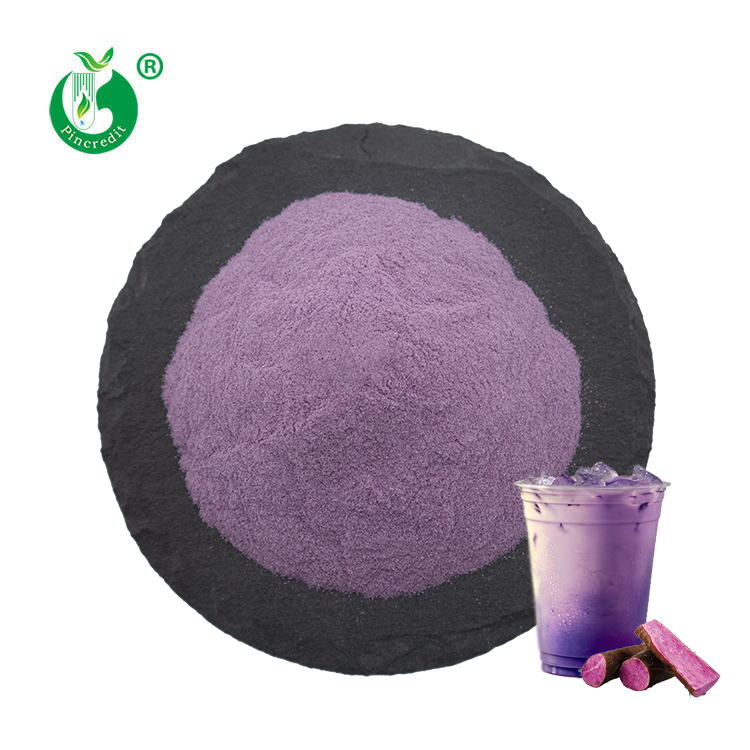
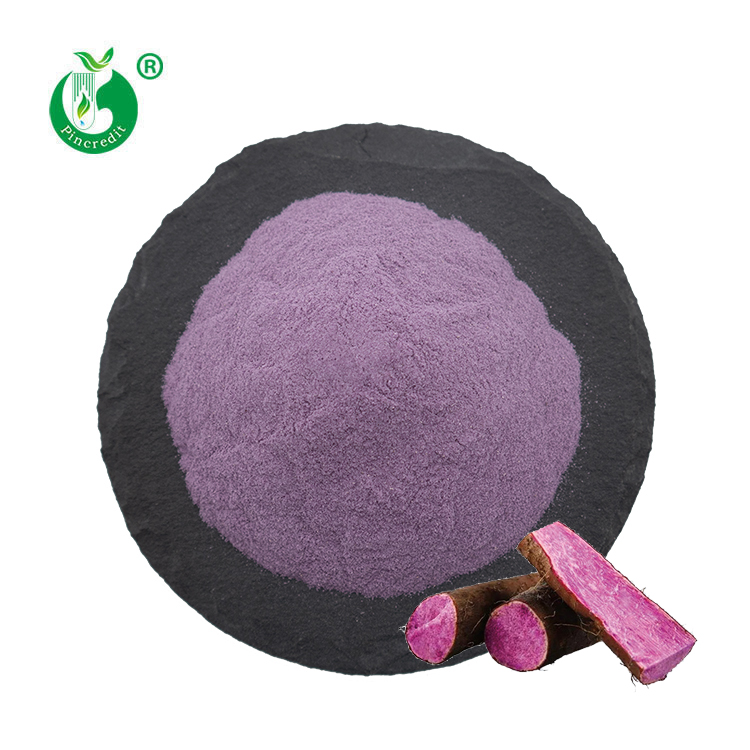
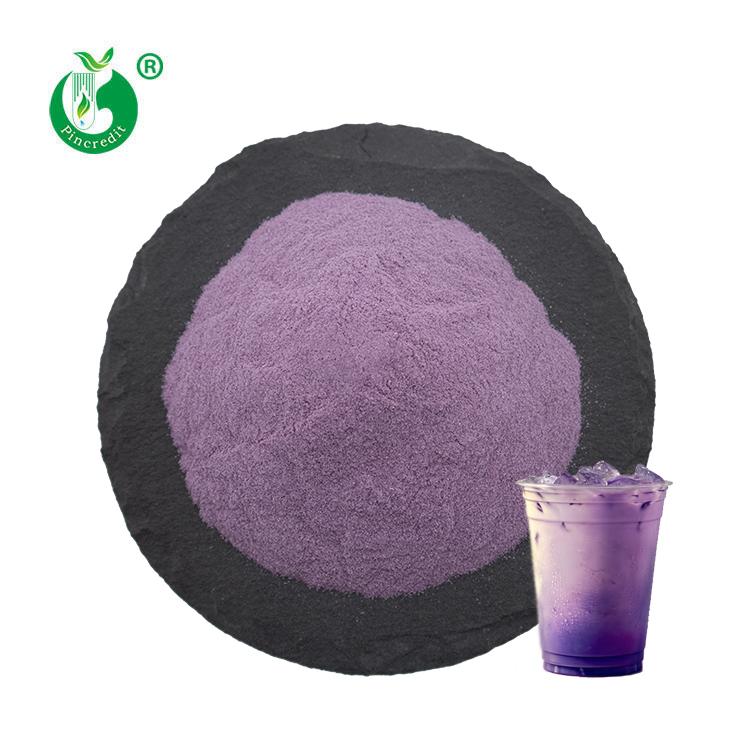
To maintain competitive margins and comply with stringent European Union standards, Bulgarian processors rely on strategic direct-from-origin manufacturing partnerships for botanical antioxidants not natively cultivable in the Thracian plain or Balkan mountain microclimates. Key imported botanical materials include polyphenol-dense green tea catechins (EGCG), standardized anthocyanins from purple tubers, microalgae phycocyanin, natural mulberry leaf chlorophyllin derivatives, and high-purity biological antioxidants like GHK-Cu, NAD+, and Reduced L-Glutathione.
25+
Audited Partner Extraction Plants
100%
BS EN 15662 EU Pesticide Clearance
30+
Global Export Destinations
< 14 Days
Transit Time to Sofia / Varna
Synergistic Formulations
Downstream Industrial Applications in Bulgarian Production
Bridging traditional Balkan botanical expertise with standardized active phytocompounds.
Phyto-Rose Synergy Skincare
Bulgarian cosmetic labs are pairing high-purity GHK-Cu copper peptides and 99% Alpha-Arbutin with local rose hydrosols. Copper peptide's enzymatic activation of superoxide dismutase (SOD) acts in synergy with natural geraniol and citronellol fractions, producing anti-pollution day creams and regenerative nocturnal lipid serums that meet EU Regulation (EC) No 1223/2009.
Probiotic Ferment Stabilization
Bulgaria's heritage dairy sector, powered by Lactobacillus bulgaricus and Streptococcus thermophilus cultures, increasingly incorporates water-soluble instant tea polyphenols and natural purple yam anthocyanins into functional yogurts, kefirs, and plant-based fermented beverages. Botanical polyphenols scavenge hydroxyl radicals without inhibiting probiotic bacterial viability.
Nutraceutical Longevity Complexes
Contract capsule and tablet manufacturers throughout Sofia and Plovdiv leverage our standardized plant extracts, astaxanthin, and NAD+ coenzymes for clean-label longevity nutraceuticals. Compliant with Bulgarian Food Safety Agency (BFSA) national notification protocols, these formulas target mitochondrial oxidative stress and cellular repair.
Regulatory Architecture
EU Compliance: BFSA, EFSA, & Analytical Verification
Overcoming the technical pitfalls that cause botanical shipments to stall at EU external border checkpoints.
Importing raw botanical extracts into Bulgaria requires adherence to European Union health and safety directives enforced at external border control posts (BCP) like the Port of Varna, Port of Burgas, and Sofia Airport Customs. The Bulgarian Food Safety Agency (БАБХ / BFSA) executes strict import controls in alignment with European Food Safety Authority (EFSA) thresholds. Importers of Chinese botanical extracts frequently encounter customs detentions due to non-compliant documentation, mismatched batch codes, or unverified pesticide residues.
| Analytical Parameter | EU & BFSA Statutory Baseline | Vexli Factory Standard Control | Primary Analytical Methodology |
|---|---|---|---|
| Pesticide Multi-Residue | Regulation (EC) No 396/2005 (MRL compliance) | Below LOQ on 500+ targeted pesticides | LC-MS/MS & GC-MS/MS (BS EN 15662:2018) |
| Lead (Pb) | Regulation (EC) 2023/915 (≤ 3.0 mg/kg food supp.) | ≤ 1.0 mg/kg (Internal safety limit) | ICP-MS (Inductively Coupled Plasma) |
| Cadmium (Cd) | Regulation (EC) 2023/915 (≤ 1.0 mg/kg food supp.) | ≤ 0.5 mg/kg | ICP-MS |
| Mercury (Hg) & Arsenic (As) | Hg ≤ 0.10 mg/kg; As regulated per carrier/origin | Hg ≤ 0.05 mg/kg; As ≤ 1.0 mg/kg | Atomic Absorption Spectrometry / ICP-MS |
| Polycyclic Aromatic Hydrocarbons (PAH) | Benzo(a)pyrene ≤ 10 μg/kg; Sum of 4 ≤ 50 μg/kg | Controlled drying eliminating smoke contact | GC-MS Analysis |
| Microbiological Bioburden | Ph. Eur. 5.1.8 Category B or C thresholds | TPC < 1,000 cfu/g; Yeast/Mold < 100 cfu/g | Microbial culture & pathogen-specific PCR |
| Ethylene Oxide (EtO) | Zero tolerance (< 0.02 - 0.05 mg/kg sum of EtO + 2-CE) | 100% Non-EtO irradiated; heat/steam pasteurized | GC-MS Headspace Analysis |
Direct-From-Origin Authority
Engineering Consistency from Shaanxi to the Balkans
Headquartered in Xi'an, Shaanxi Province, Xi'an Vexli Bio-Tech Co., Ltd. bridges raw botanical harvest with precision industrial chemistry.
SGS On-Site Audited
Our manufacturing infrastructure and supply procedures have undergone extensive on-site audit by SGS inspection teams, validating warehouse hygiene, traceability protocols, and analytical laboratory competence.
Proprietary Patents
Backed by recognized national high-tech enterprise status, our extraction devices and isolation methods (Invention Patent ZL 2014 1 0464649.9; Utility Model No. 14520048) yield higher marker consistency with minimal solvent residues.
Global Certifications
Certified across ISO 22000, HACCP, USDA Organic, EU Organic, Halal, and Kosher schemes. Full batch documentation includes spec sheets, allergen profiles, non-GMO statements, and SDS.
Door-to-Door Logistics
We provide transparent trade terms from EXW and FOB to CIF (Varna/Burgas) and complete DDP door delivery straight to your production facilities across Sofia, Plovdiv, or Gabrovo with pre-cleared customs paperwork.
Information Gain
Procurement Whitepaper: Evaluating Botanical Extracts
Critical technical parameters to verify before releasing funds or approving factory raw material batches.
When buying natural antioxidant extracts in industrial bulk, relying solely on commercial assay percentages on an unverified Certificate of Analysis (COA) presents massive commercial risks. In the botanical extraction industry, nominal values like "98% Polyphenols" or "99% Assay" can be manipulated through crude spectrophotometric techniques (UV-Vis) that fail to differentiate between target phytochemicals and non-specific interfering compounds.
1. Analytical Specificity: HPLC vs. UV
High Performance Liquid Chromatography (HPLC) separates and quantifies distinct chemical entities (such as individual Catechins: EGCG, EGC, ECG in green tea, or specific theaflavin fractions in black tea). In contrast, Ultraviolet-Visible (UV-Vis) spectrophotometry measures broad wavelength absorption, which can be artificially elevated by tannins, degraded phenolics, or non-active adulterants. Always stipulate HPLC-DAD assay verification in your technical purchasing specifications.
2. Particle Size & Dissolution Rate
For Bulgarian manufacturers producing ready-to-drink functional beverages or cosmetic serums, dissolution kinetics are governed by mesh geometry. Standard 80-mesh powder settles rapidly, leading to phase separation. Our micronized botanicals and specialized carrier-free spray-dried extracts (up to 450 mesh) ensure instant cold-water dispersion, optical clarity, and uniform suspension without thermal degradation during mixing.
3. Solvent Residues & Extraction Route
Residual organic solvents represent a major ground for batch rejection under EU Directive 2009/32/EC. Low-tier exporters utilize toxic industrial solvents like methanol or acetone to maximize extraction yield at lower costs. Our factory extraction strictly utilizes Class 3 eco-compatible extraction mediums: pure deionized water, food-grade USP ethanol, or supercritical CO2, ensuring solvent traces remain undetectable under head-space GC testing.
Technical & Commercial Clarity
Frequently Asked Questions by Bulgarian Importers
Addressing legal liabilities, BFSA procedures, minimum volumes, and European logistics.
How do you handle Bulgarian customs clearance and VAT for Bulgarian corporate buyers?
We offer full flexibility on Incoterms 2020. For seasoned importers in Bulgaria holding an active EORI number and registered for VIES (VAT Information Exchange System), we ship under CIF Port of Varna / Port of Burgas or CIP Sofia International Airport. Alternatively, for cosmetic formulators and contract manufacturing firms seeking hassle-free operations, we handle end-to-end DDP (Delivered Duty Paid) terms. Under DDP, all import tariffs, clearance handling, and carrier fees are settled prior to dispatch, delivering the cargo straight to your factory dock in Plovdiv, Sofia, or Ruse without customs friction.
Are your botanical extracts certified under European Union Organic standards?
Yes. Our organic line—encompassing ceremonial matcha green tea, spirulina, and functional medicinal mushrooms—carries dual EU Organic and USDA Organic certifications issued by accredited international certification bodies. For every organic shipment dispatched to Bulgaria, we generate an electronic Certificate of Inspection (e-COI) processed directly through the European Commission's TRACES NT system, guaranteeing immediate acceptance by Bulgarian organic inspection agencies upon arrival.
What documentation accompanies each production batch for Bulgarian regulatory notification?
Every commercial batch is accompanied by an immutable Batch-Specific Technical Dossier. This package includes a comprehensive Certificate of Analysis (COA) specifying test methods, an allergen profile statement (Regulation EU No 1169/2011), an MSDS formatted according to REACH (EC) No 1907/2006, a Non-GMO declaration, BSE/TSE-free certification, and a statement confirming non-irradiation and absence of Ethylene Oxide (EtO). For cosmetic active ingredients such as GHK-Cu or Alpha-Arbutin, complete INCI breakdowns, CAS numbers, and microbiological challenge test profiles are provided for your Cosmetic Product Safety Report (CPSR).
What is the minimum order quantity (MOQ) for trial lab testing versus commercial orders?
To facilitate R&D trials, pilot batches, and formulation stability testing within Bulgarian research laboratories, our MOQ starts at just 1 kg for standard active botanical powders (and 100 grams for high-value peptides like GHK-Cu). For industrial full-scale manufacturing, standard packaging is supplied in 25 kg multi-wall food-grade fiber drums sealed with inner double-polyethylene barrier liners, purged with food-grade nitrogen to preserve ORAC (Oxygen Radical Absorbance Capacity) values during transit.
How do you safeguard powdered extracts against atmospheric humidity during Black Sea shipping?
Maritime routes via the Black Sea experience high ambient humidity and temperature fluctuations that risk caking or oxidative discoloration of hygroscopic phytochemical powders. Our export packaging features hermetically sealed aluminum foil vacuum pouches with pharmaceutical-grade molecular sieve desiccant sachets, enclosed inside reinforced UN-certified composite fiber drums. This ensures your powders arrive at your Bulgarian processing site in optimal, free-flowing physical condition.
Direct Factory Sourcing for Bulgarian Manufacturers
Contact our senior phytochemists and European export specialists today. Request technical dossiers, third-party SGS pesticide screening sheets, free qualification samples, or customized factory pricing tailored to your production schedule.