Strategic Macro Trends
Navigating Portugal’s Food Tech & Clean-Label Expansion
A detailed analysis of consumer behavior shifts, raw ingredient economics, and regulatory compliance pressures affecting Iberian food business operators.
Portugal represents one of Southern Europe's most dynamic entry corridors for natural ingredients. With a domestic food manufacturing sector accounting for over 10% of total national turnover, Portuguese processors are navigating two simultaneous market forces: skyrocketing consumer resistance to artificial food numbers (E-numbers) and stringent scrutiny from both the Autoridade de Segurança Alimentar e Económica (ASAE) and the European Food Safety Authority (EFSA).
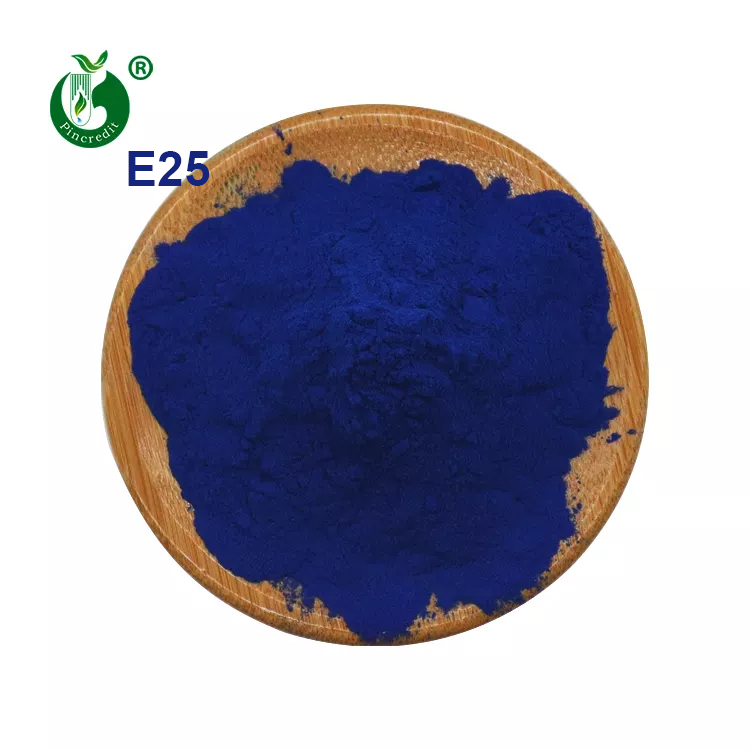
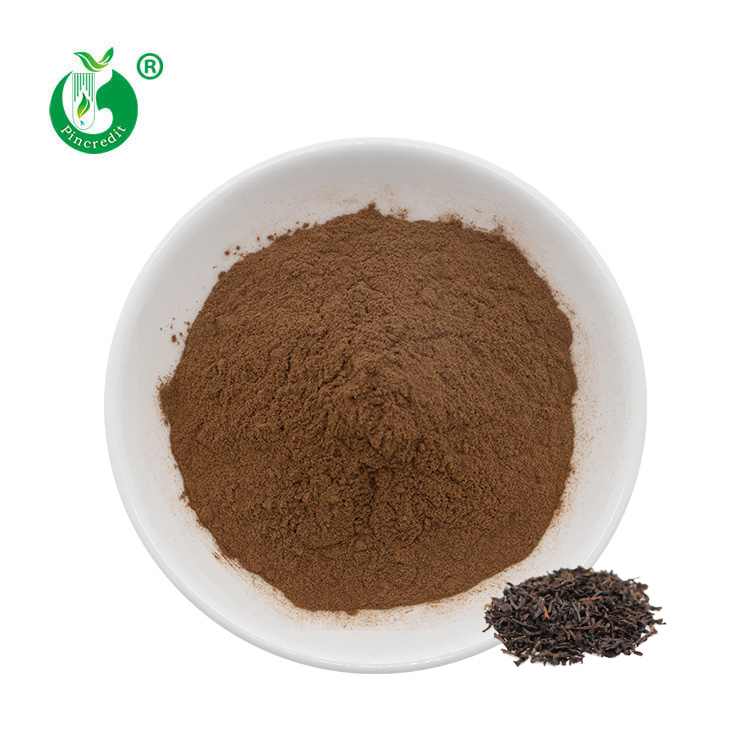
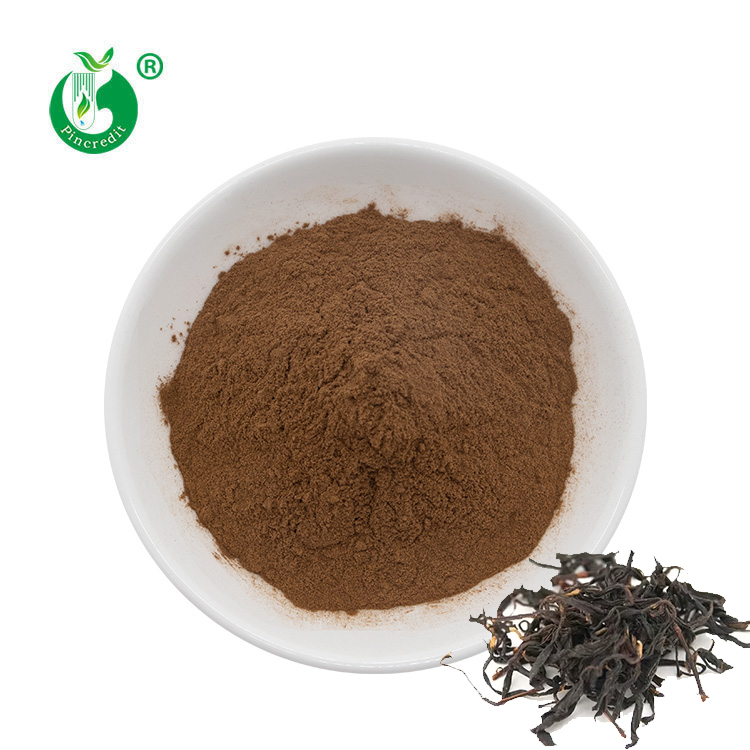
Key Insight for Formulators: The shift toward "Clean Label" in the Iberian peninsula is no longer an optional marketing angle; it has evolved into a baseline shelf-space requirement across retail giants including Continente, Pingo Doce, and Auchan. Replacing synthetic dyes with stable botanical fractions like phycocyanin or polyphenol-dense tea extracts delivers verifiable consumer appeal while mitigating regulatory friction.
1. Strict Pesticide MRL Compliance (Regulation EC 396/2005): Botanical imports entering the ports of Sines or Leixões face aggressive border testing protocols. For green tea, black tea, and agricultural extracts, the presence of banned anthraquinone or trace organophosphates can result in immediate shipment rejection. Xi’an Vexli Bio-Tech mitigates this risk by instituting multi-residue GC-MS/MS and LC-MS/MS screenings under BS EN 15662 standards before export packaging, guaranteeing zero border rejections.
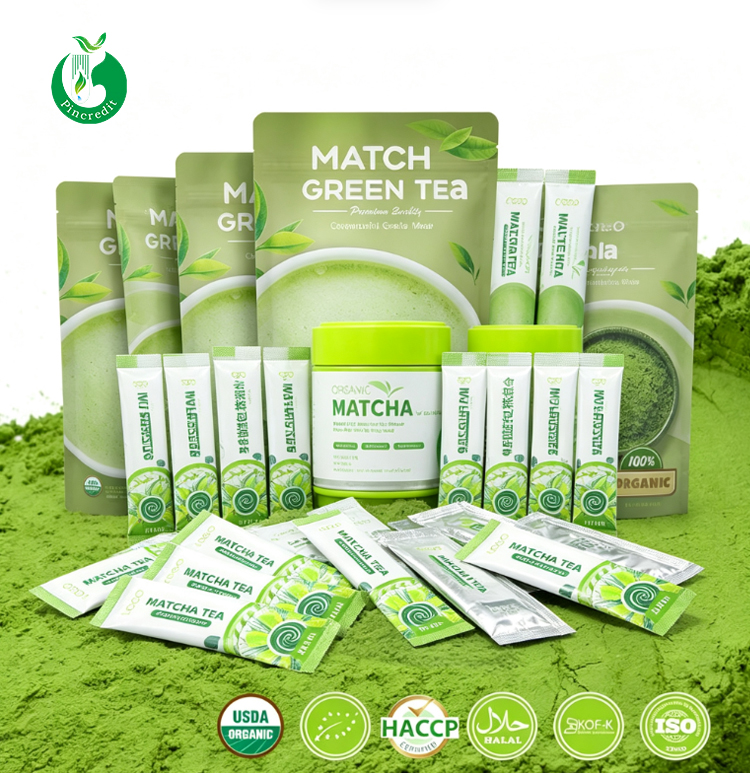
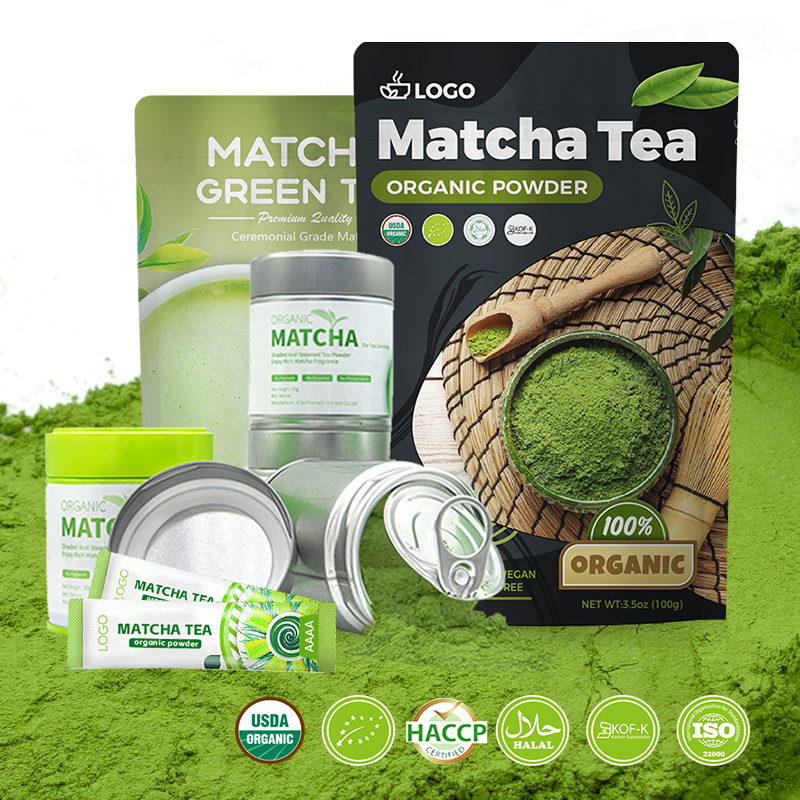
2. The Surge in Functional Caffeine & Cognitive Blends: The Portuguese traditional espresso culture (a bica) is actively diversifying. Younger demographics are rapidly embracing sustained-release stimulants. Ceremonial matcha green tea powders with naturally high L-theanine ratios (≥2.5%) are gaining substantial market share in Lisbon's specialty food service and RTD canning lines, offering alertness without the precipitous caffeine crash.
3. Traceable Origin and Direct Farmer Network Integration: Sourcing on open spot markets exposes brands to heavy metal fluctuations (Lead, Cadmium, Arsenic) and microbiological contamination. By operating direct from raw material botanical harvesting zones in Shaanxi—paired with closed-loop low-temperature vacuum extraction—our supply model ensures lot-to-lot consistency in active marker assays, bulk density, and solubility parameters.