Specialized Botanical Powders for Hungarian Manufacturers
Every batch is manufactured to meet rigorous European Union food and nutraceutical guidelines (Regulation EC 396/2005 & EC 1881/2006), verified by accredited ISO 17025 laboratories.
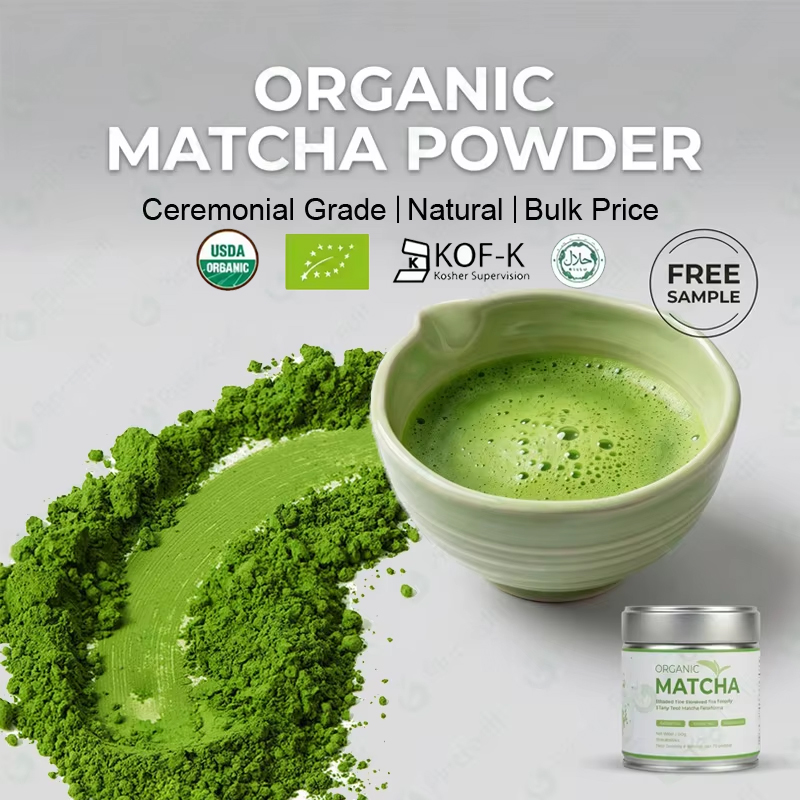
Wholesale Organic Ceremonial Grade Matcha Powder
First-flush shade-grown spring leaves stone-ground to microscopic particle size. Exceptional L-theanine balance with brilliant chlorophyll saturation for ready-to-drink formulations and high-end wellness infusions.
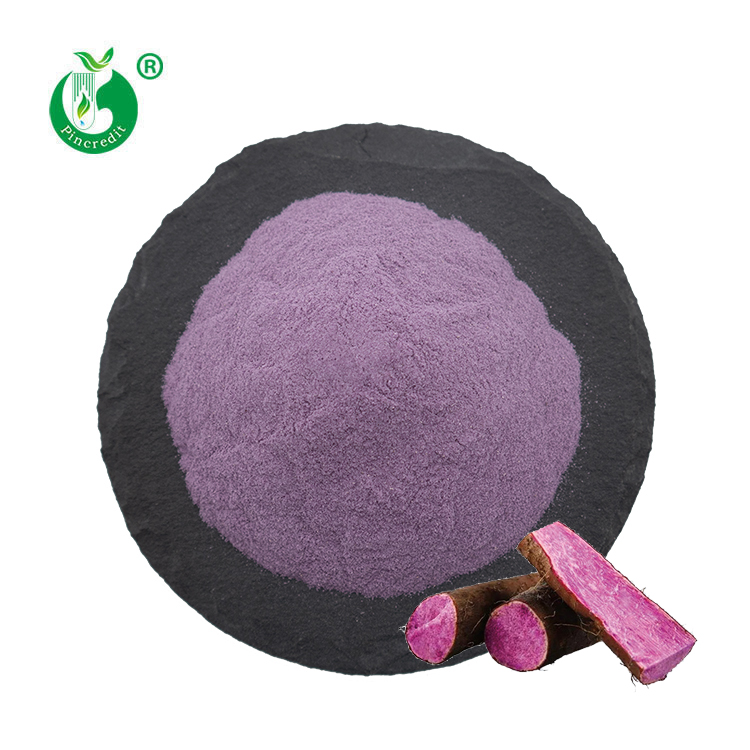
EU Standard Bulk Ube Purple Yam Powder
Pure spray-dried Dioscorea alata. Retains distinct floral undertones and deep violet pigmentation throughout thermal baking, extrusion, and dairy-free ice cream production without chemical adulterants.
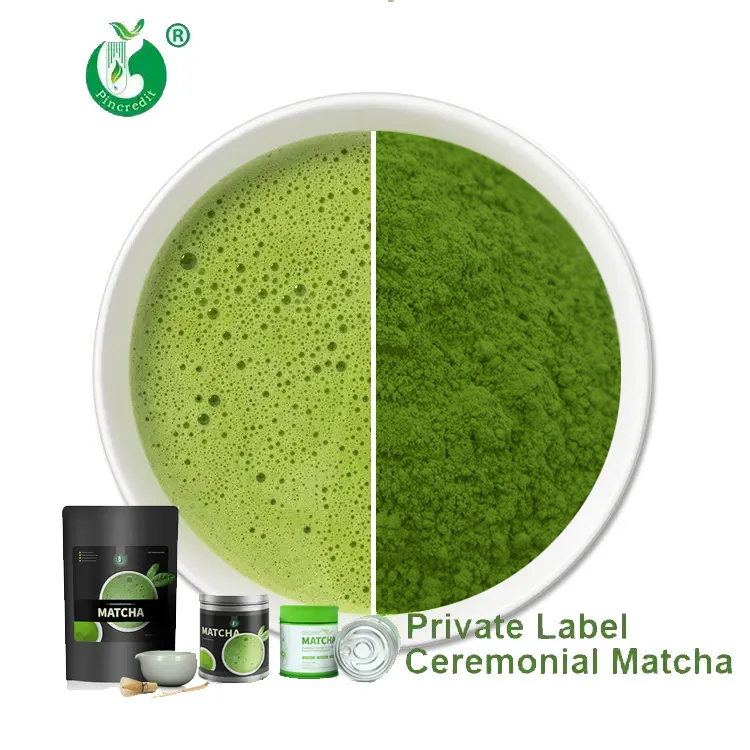
A-5A Organic Ceremonial Matcha Green Tea Powder
Grade A-5A emerald tea powder rigorously evaluated against multi-residue pesticide screens. Zero stringency, refined umami profile, and tailored for specialty Hungarian café supply lines and private-label retail tins.
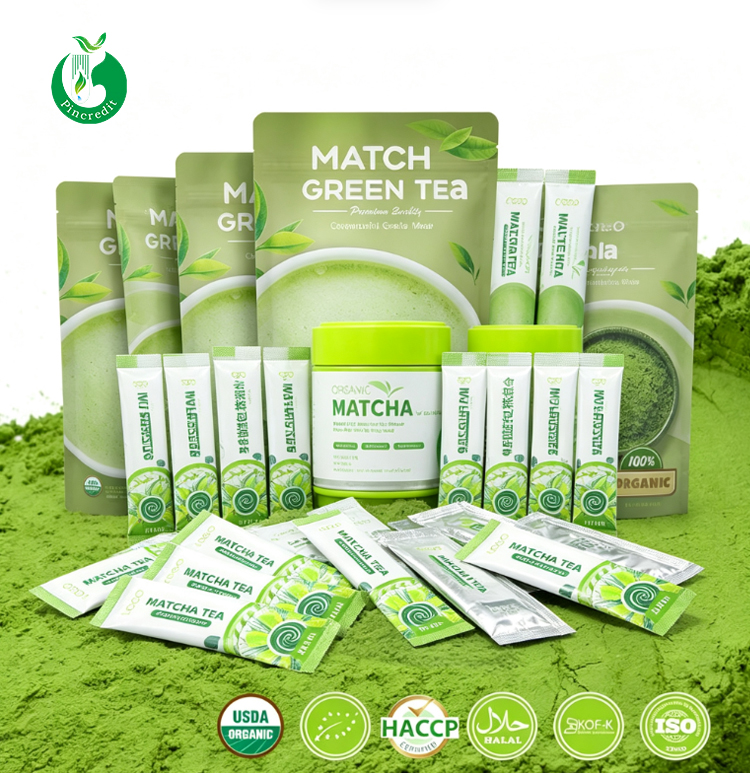
Private Label Ceremonial Grade Matcha Powder (A-4A)
Turnkey co-packing solutions providing UV-barrier aluminum tins, composite zipper pouches, and customized branding. Factory gas-flushing guarantees shelf-life stability throughout Hungarian distribution channels.
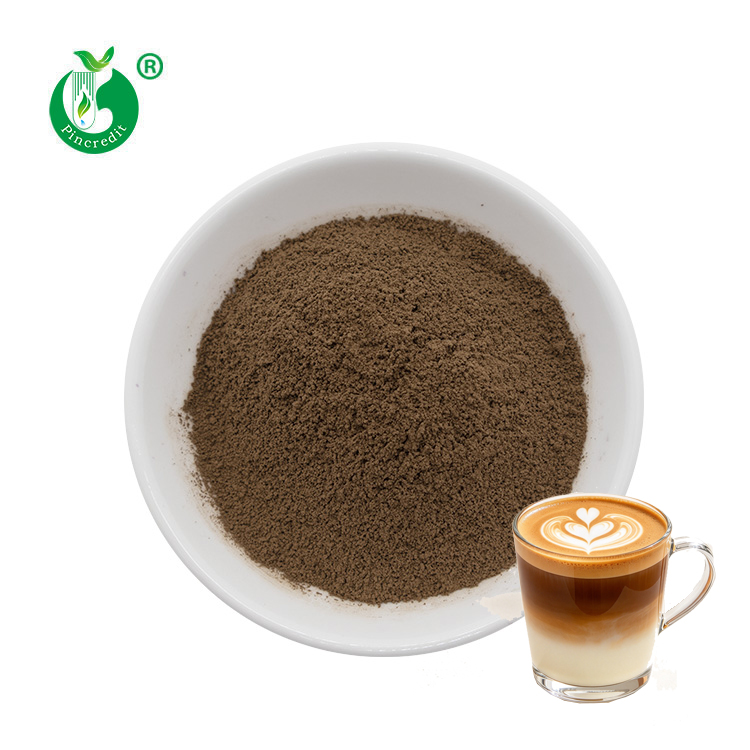
Organic Roasted Hojicha Powder Food Grade
Artisanal charcoal-roasted tea leaves exhibiting warm toasted caramel notes and low residual caffeine. Fully dispersible, ideal for Hungarian craft confectionery, roasted-tea gelato, and innovative plant-based beverages.
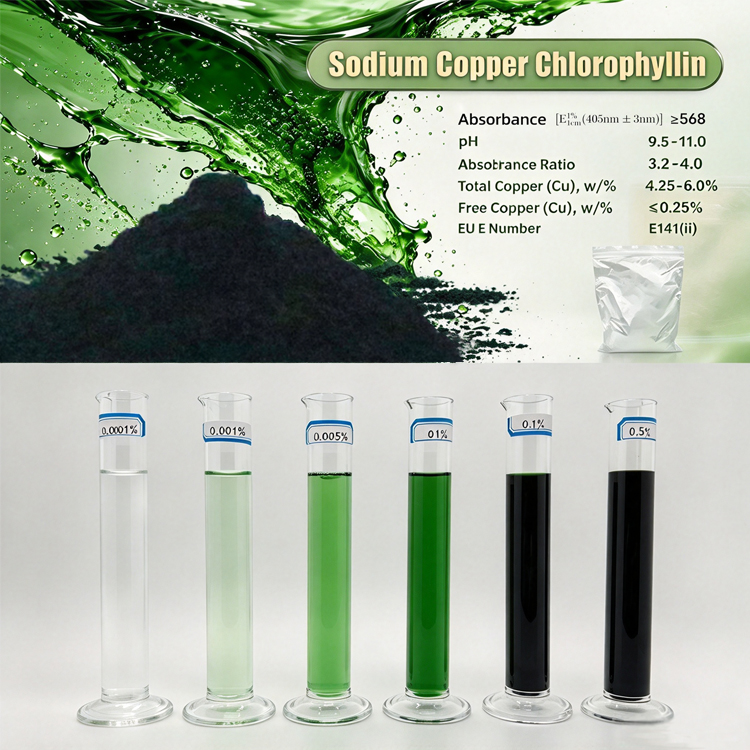
Mulberry Leaf Extract Sodium Copper Chlorophyllin
Semi-synthetic food and pharmaceutical additive (E141ii) extracted from clean Morus alba leaves. Highly stable in water-based functional beverages, health tonics, and topical dermaceutical emulsions.
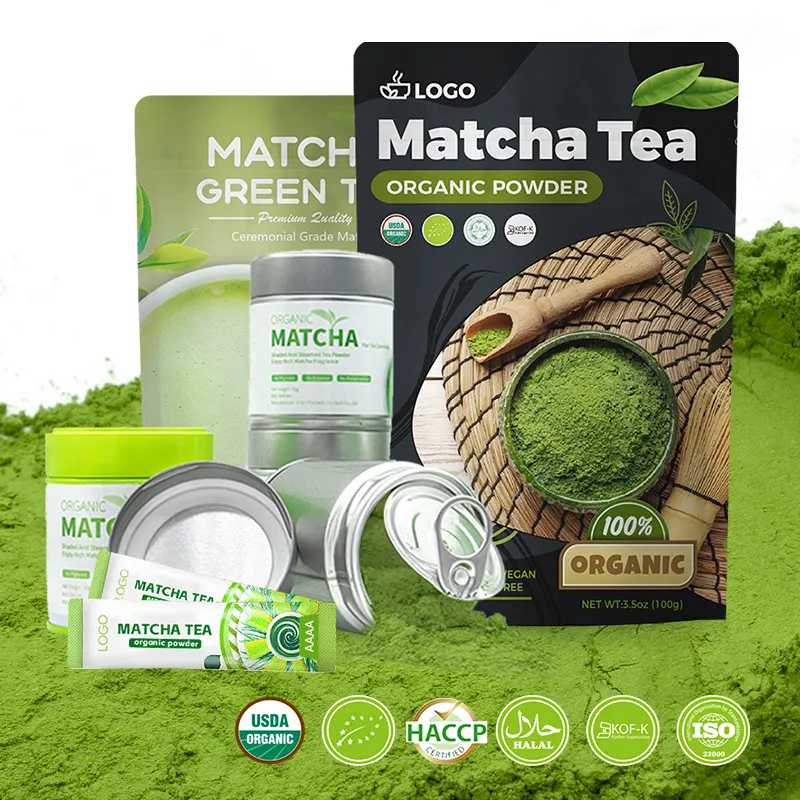
Bulk Ceremonial Grade Organic Matcha Powder
Standardized green tea polyphenol and EGCG metrics verified via High-Performance Liquid Chromatography (HPLC). Clean documentation, zero carriers, and zero maltodextrin blending for high-efficacy health drinks.
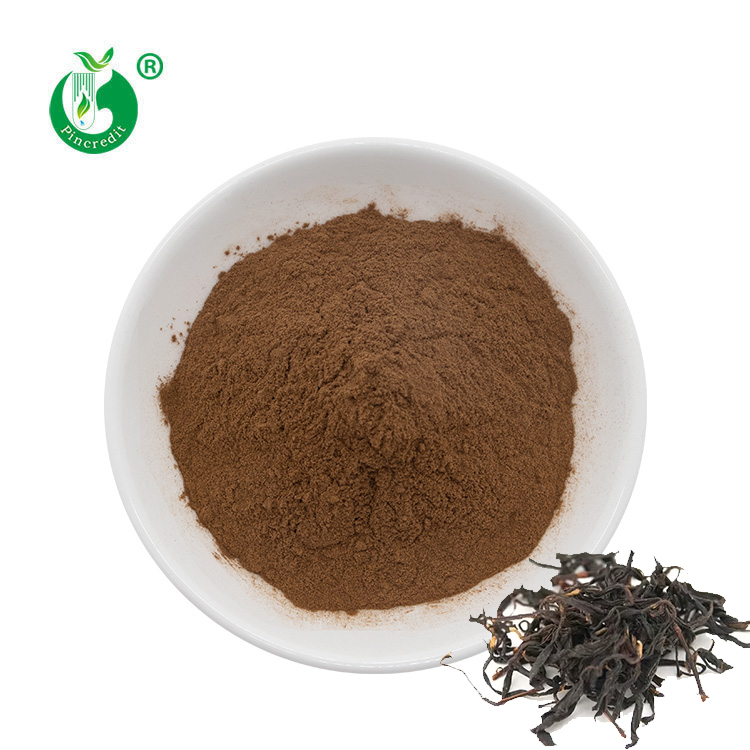
Instant Black Tea Powder in Bulk
Extracted via low-temperature vacuum counter-current extraction to retain authentic theaflavins and thearubigins. Completely free of sedimentation in cold water; engineered for commercial RTD iced teas.
Macro Trends Driving Botanical Consumption in Hungary
Hungary's phytotherapeutic heritage, anchored by the Hungarian Pharmacopoeia (Magyar Gyógyszerkönyv / Ph. Hg. VIII) and strict oversight from OGYÉI and NÉBIH, is undergoing rapid transformation under modern consumer expectations.
Clean-Label Reformulation & Synthetic E-Number Elimination
Hungarian domestic food and beverage manufacturers in major industrial zones such as Budapest, Székesfehérvár, and Kecskemét are systematically stripping artificial colorants and chemical preservatives from formulation lines. The drive to replace synthetic dyes (like Allura Red AC or Brilliant Blue FCF) with clean, botanical pigment concentrates has skyrocketed.
Ingredients such as raw purple yam (ube), cold-water dispersible butterfly pea flower, and mulberry-derived sodium copper chlorophyllin serve as direct, clean-label alternatives that comply with the EU’s continuous scrutiny of synthetic colorings.
Nutraceutical Fortification in Preventive Healthcare
Consumer demand across Hungary has shifted from reactive treatment toward proactive wellness. Driven by an aging demographic and heightened immune awareness, the Hungarian dietary supplement sector demands botanical actives with verified bio-potency.
Standardized tea polyphenols, cellular longevity co-factors (NMN, NAD+ precursors), cracked-spore adaptogenic mushrooms (Reishi, Lion’s Mane), and microalgae astaxanthin are increasingly integrated into multi-ingredient hard capsules and functional sachets targeted at cardiovascular, metabolic, and cognitive resilience.
The Artisanal Beverage, Specialty HoReCa & "Mocktail" Surge
Budapest’s vibrant culinary, café, and craft mixology landscape is setting trends across the Danube basin. Millennial and Gen Z demographics are deliberately reducing alcohol intake, creating a lucrative vacuum for complex functional beverages, micro-ground matcha lattes, and roasted hojicha specialty drinks.
Botanical powders with superior dispersion metrics (sub-micron milling) allow baristas and ready-to-drink (RTD) bottlers to achieve stable emulsion, silky texture, and vivid natural chromatic appeal without resorting to chemical stabilizers or high-fructose corn syrups.
Localized Application Scenarios Across Hungarian Industries
How our botanical raw materials fit the specific technical manufacturing practices of Hungarian contract packers, pharmaceutical labs, and artisanal workshops.
Pharmaceutical & Nutraceutical Tableting
Direct mechanical compression in Hungarian capsule and tablet manufacturing lines requires botanical powders with exceptional bulk density, predictable flowability, and low hygroscopicity.
- Standardized Active Ingredients: High-purity extracts tested by HPLC allow contract packaging plants in Debrecen and Gödöllő to guarantee uniform label claims per batch.
- Zero Excipient Contamination: Free from heavy metals (Pb < 2.0 ppm, As < 1.0 ppm, Cd < 1.0 ppm, Hg < 0.1 ppm) to comply with Hungarian Pharmacopoeia thresholds.
- Clean Flow Agents: Compatible with clean-label plant starches and rice fiber, reducing die-sticking without synthetic stearates.
Traditional Confectionery & Bakery Modernization
Hungary’s rich pastry culture—from traditional Kürtőskalács and Dobos torte to contemporary bio-pastry shops—demands pigments that withstand extreme thermal processing.
- Heat-Proof Chromatic Retention: Natural ube powder and natural chlorophyllin maintain molecular integrity at baking temperatures exceeding 180°C.
- Neutral pH Flavor Balance: Botanical concentrates calibrated to avoid bitter aftertastes or sensory distortion in sweet, buttery pastry formulations.
- Uniform Mesh Sizing: 300 to 500 mesh sieving guarantees homogenous blending within flours, glazes, and dairy or plant-based cremes without streaking.
Thermal Bath & Spa Balneotherapy Formulations
Hungary is the historical capital of European thermal bathing (Hévíz, Hajdúszoboszló, Budapest baths). Modern cosmetic developers are combining thermal mineral muds with botanical powders.
- Transdermal Antioxidant Loading: Micronized matcha and sodium copper chlorophyllin incorporated into body wraps, exfoliants, and revitalizing bath salts.
- Microbiological Purity: Stringent pathogen eradication (<1,000 CFU/g total plate count, absence of Pseudomonas aeruginosa and Staphylococcus aureus) essential for wet spa protocols.
- Instant Hydro-Dispersibility: Dissolves seamlessly without clumping or staining spa porcelain and mineral pool tile infrastructure.
European Compliance & Chemical Specifications Matrix
A transparent comparative breakdown of our analytical standards versus standard commodity import benchmarks for the Hungarian regulatory boundary.
| Analytical Parameter | Vexli Standard Export Specification | EU Baseline Regulatory Limit | Significance for Hungarian Buyers |
|---|---|---|---|
| Pesticide Multi-Residue | Tested to BS EN 15662: zero non-conformances across 500+ chemical targets | Regulation (EC) No 396/2005 default MRL (0.01 mg/kg) | Guarantees zero port-of-entry quarantine alerts from NÉBIH border inspection. |
| Heavy Metal Contamination | Pb < 1.0 ppm, As < 0.5 ppm, Cd < 0.3 ppm, Hg < 0.05 ppm | Regulation (EC) No 1881/2006 (Pb < 3.0, Cd < 1.0) | Safe for infant nutrition, dietary supplements, and pharmacopoeia compounding. |
| Mesh Size / Granulometry | 80 mesh up to 1000 mesh (stone-ground matcha & specialized extracts) | Undefined (variable commercial quality) | Guarantees velvet sensory suspension in beverages and optimal die filling in tableting. |
| Assay Quantification | Specific active verified via HPLC / GC-MS (e.g. Polyphenols ≥ 30%, EGCG ≥ 15%) | Often approximated via non-specific UV-Vis methods | Prevents underdosing and protects Hungarian brands from consumer class-action/recalls. |
| Microbiological Profile | TPC < 1,000 cfu/g; Yeast/Mold < 100 cfu/g; Salmonella & E. coli: Negative | EC 2073/2005 food safety criteria thresholds | Extends finished-good shelf life without radiation sterilization or ethylene oxide (EtO). |
| Residual Extraction Solvents | Purified via water or food-grade ethanol only; Meets CP/USP limits | Directive 2009/32/EC on extraction solvents | Eliminates solvent residues like hexane or methanol, ensuring 100% clean-label status. |
Xi'an Vexli Bio-Tech: Built for Demanding Procurement Standards
Headquartered in the Qinling botanical corridor of Shaanxi, China, our enterprise merges centuries of botanical cultivation with modern bio-separation technology.
Patented Extraction Engineering
We do not operate merely as commodity brokers. Our facility holds genuine invention patents (such as Invention Patent ZL 2014 1 0464649.9 for isolating active aldehydes and Utility Model Patent No. 14520048 for high-efficiency continuous extraction).
These proprietary techniques reduce thermal degradation, meaning our plant pigments, polyphenols, and tea alkaloids remain structurally unaltered through extraction to dry spray crystallization.
Audited Network of 25 Cooperating Facilities
Raw plant availability fluctuates with seasonal changes. To insulate Hungarian buyers from supply shocks, we maintain direct contracts with raw origin farms combined with an audited network of 25 specialized secondary production facilities.
This allows us to maintain stable, year-round volume pricing and consistent chemical profiles, whether you require 1 kg of trial sample or 20 metric tons of commercial freight.
Direct Central European Logistics Pipelines
Shipping botanical powders into landlocked Hungary requires logistical dexterity. We coordinate direct air freight pathways into Budapest Ferenc Liszt International Airport (BUD) and consolidated maritime freight routing via the Adriatic Sea (Port of Koper or Rijeka) directly to customs-bonded terminals in BILK Budapest.
All shipments are accompanied by non-restricted air/sea transport documentation (IATA DGR, IMDG Code), Certificate of Origin, and complete chemical lot traceability.
Hungarian B2B Botanical Procurement FAQ
Direct answers addressing the regulatory, customs, analytical, and commercial requirements of Hungarian enterprise purchasers.
How do your botanical powders align with Hungarian OGYÉI & NÉBIH notification requirements?
In Hungary, dietary supplements must be officially notified to OGYÉI (National Institute of Pharmacy and Nutrition) before retail release, and raw ingredients are scrutinized by NÉBIH. We deliver lot-specific, comprehensive analytical dossier binders containing exact botanical latin names, extraction ratios (DER), marker assays validated by HPLC, and detailed pesticide multi-screens (BS EN 15662). This transparent dossier guarantees hassle-free ingredient clearance during notification.
What Incoterms and customs routes do you offer for deliveries to Hungary?
We routinely execute DDP (Delivered Duty Paid Budapest), DAP, CIF Koper/Hamburg, and FOB Chinese ports. For fast R&D trials or seasonal spikes, we utilize air express (3–5 working days) straight to your plant. For containerized cargo, container lines discharge at the Port of Koper (Slovenia) with bonded rail freight forwarding straight to Budapest logistics terminals, eliminating unnecessary cross-border transit delays.
How do you handle EU VAT (ÁFA) and commercial payment terms?
For standard B2B transactions under standard international incoterms (FOB/CIF/DAP), imports are settled net of VAT with Hungarian companies utilizing the EU reverse-charge VAT mechanism (fordított adózás) upon customs presentation. We accept EUR, USD, and HUF wire transfers via T/T, Irrevocable Letters of Credit (L/C) at sight for large consignments, as well as Escrow facilities for first-time trial orders.
Are your organic botanicals certified under the European Organic Regulation?
Yes. Our organic certifications are fully compliant with EU Organic Regulations (Regulation (EU) 2018/848). Every commercial shipment is registered via TRACES (Trade Control and Expert System), allowing the issuing authority to generate an electronic Certificate of Inspection (COI) that verifies authentic organic provenance at Hungarian customs entry points.
Can we request custom micronization and particle mesh sizing for tableting?
Absolutely. Particle dynamics dictate tablet tensile strength, dissolution kinetics, and blending uniformity. We provide customizable pin-milling and jet-milling down to 80, 200, 450, or 1000 mesh specifications. We also perform granulations to improve bulk powder flowability, ensuring seamless compatibility with high-speed rotary tablet presses and automated pouch-filling machinery.
What is your retained sample and quality recourse policy?
Every single manufactured production batch yields three sealed retention samples stored under controlled climatic conditions (18°C, 45% RH) for three years. In the rare event of an analytical dispute upon delivery to your Hungarian QA facility, retention lots are dispatched to independent accredited third-party laboratories (such as SGS or Eurofins) for binding verification.