B2B Raw Material Sourcing Report

Botanical Extract Raw Materials Manufacturers & Supplier for the Kobe market

Precision botanical actives, micro-milled teas, and functional superfood extracts formulated for Kansai's advanced food-grade, nutraceutical, and cosmetic formulation industries.

Standardized Portfolio

High-Spec Functional Ingredients for Kobe Manufacturing Hubs

Engineered for high-solubility requirements, stable dissolution kinetics, and full compliance with Japan's Food Sanitation Act and MHLW positive-list standards.

25+ Audited Partner Laboratories
US$29.5M Global Annual Export Volume
< 0.01 ppm Pesticide Multi-Residue Standard
30+ Import Markets Compliant
Market Specifics

Localization Vectors: Integrating Plant Extracts into Kobe's Industrial Fabric

A technical assessment of procurement behavior, regulatory hurdles, and active compound delivery within Hyogo Prefecture's advanced biomanufacturing ecosystem.

Port of Kobe Logistics Advantage

Kobe stands as Kansai’s maritime trade nucleus. Directly receiving standardized botanical powders through the Hanshin Port complex circumvents intermediate staging warehouses in Eastern Japan. This ensures shorter lead times, minimized heat-induced oxidative degradation during container clearance, and direct refrigerated transit into Hanshin industrial corridor facilities.

High-End Confectionery & Dairy Demands

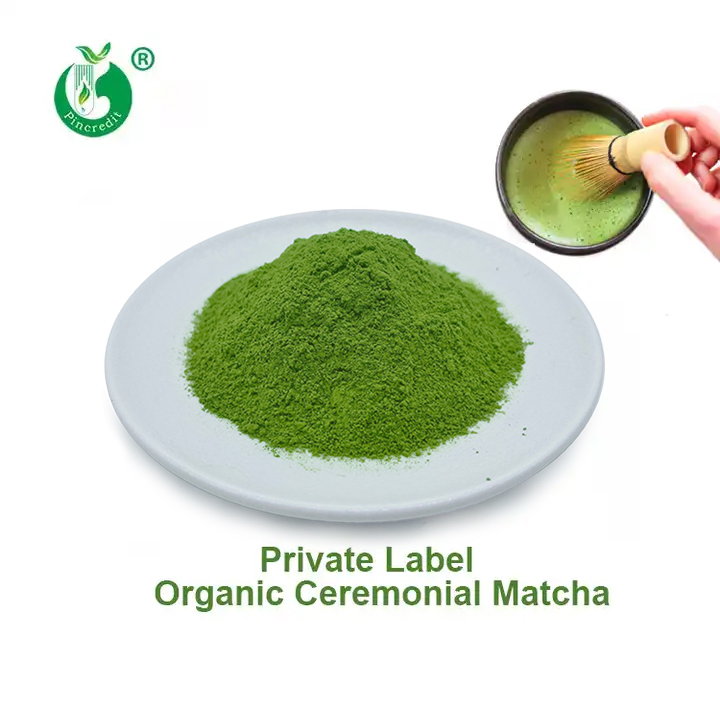
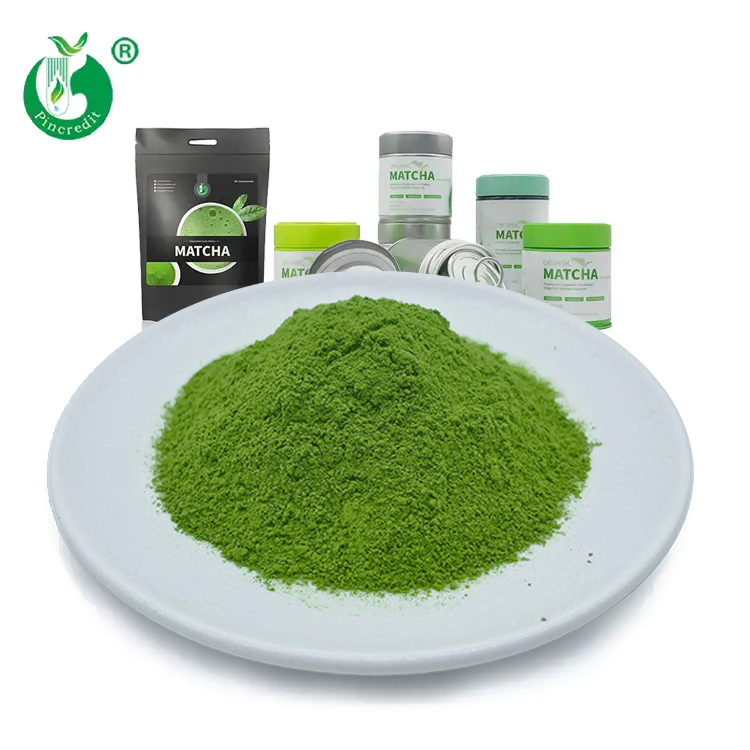
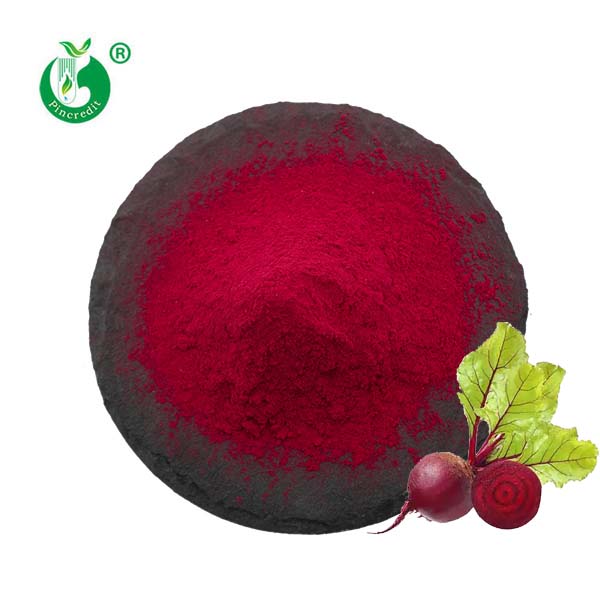
Renowned for western-style confectioneries, Kobe patissiers and commercial processors require plant pigments and micro-fine powders that endure high baking temperatures without dulling. Our ultra-purified beetroot concentrates, fine-mesh hojicha, and ceremonial teas deliver uniform dispersion in high-fat ganaches, chiffon bases, and shelf-stable fillings without chalkiness.

Nutraceuticals & Biomedical Innovation

Kobe Biomedical Innovation Cluster (KBIC) is driving longevity science. Supplement brands demand high-purity small molecules like NMN, pure NAD+, astaxanthin, and medicinal mushroom polysaccharides (Lion’s Mane, Reishi Spore). Batch consistency, validated chromatographic identification, and low endotoxin counts are crucial baseline specs.

Formulation Metrics

Technical Specification & QA Benchmarks for Japanese Importers

Procuring botanical bulk from abroad requires stringent risk mitigation. Below is our comparative QA matrix designed to satisfy both MHLW quarantine checks and private enterprise shelf-life testing.

Analytical Parameter Standard Industry Export Spec Our Precision Standard Relevance to Kansai Manufacturers
Pesticide Multi-Screening General 50–100 compound GC-MS 500+ Compound Screen (BS EN 15662 / LC-MS-MS) Zero detention at Port of Kobe Quarantine Station; MHLW compliance.
Heavy Metals (Pb, As, Cd, Hg) Total heavy metals < 20 ppm ICP-MS validated: Pb < 1.0, As < 0.5, Cd < 0.2 ppm Meets demanding FOSHU and functional wellness formulation tolerances.
Mesh Particle Distribution 80–100 Mesh (variable grain) Laser Diffraction 300–450+ Mesh (Micro-ground) Immediate suspension in beverage RTD matrices; prevents gritty mouthfeel.
Bulk Density & Flowability Unmonitored bulk variance Strict tapped/aerated density control (0.40–0.65 g/ml) Prevents jamming in high-speed rotary capsule and pouch fillers.
Microbiological Clearance TPC < 10,000 CFU/g TPC < 1,000 CFU/g; Negative E. coli & Salmonella Critical for clean-label, cold-fill production lines running without irradiation.
Buyer Guidance

Frequently Asked Questions by Kobe Procurement Teams

Addressing compliance, analytical verification, clearance documents, and commercial terms tailored to the Japanese importing framework.

How do you handle Japanese Positive List System compliance for pesticide residues?

Every agricultural harvest is mapped to strict upstream farm management programs. Finished botanical lots undergo exhaustive screening via SGS or Eurofins utilizing BS EN 15662 compliant testing. We match every analyte threshold directly to the Japanese MHLW Positive List System, ensuring zero default violation (0.01 ppm) issues during port inspection.

Can you provide full documentation sets for customs clearance under Japan's Food Sanitation Act?

Yes. With every shipment bound for Kobe or Osaka ports, we generate a comprehensive cargo release dossier. This includes manufacturer processing flowcharts, origin declarations, lot-specific Certificates of Analysis (COA) specifying assay methods (HPLC/UV), non-radiation declarations, and ingredient composition statements verifying absence of unapproved additives.

What are your minimum order thresholds for trial formulation and pilot production?

We respect the meticulous R&D life cycle typical of Japanese enterprise pipelines. While standard ocean container shipments are delivered in metric-ton volumes, our pilot program supports bench trials starting from 1 kg for high-potency extracts and 25 kg for food-grade bases (allulose, instant tea, beetroot concentrates). This enables sensory, rheological, and stability trials prior to scale.

How do your water-soluble extracts perform in low-turbidity cold-fill RTD lines?

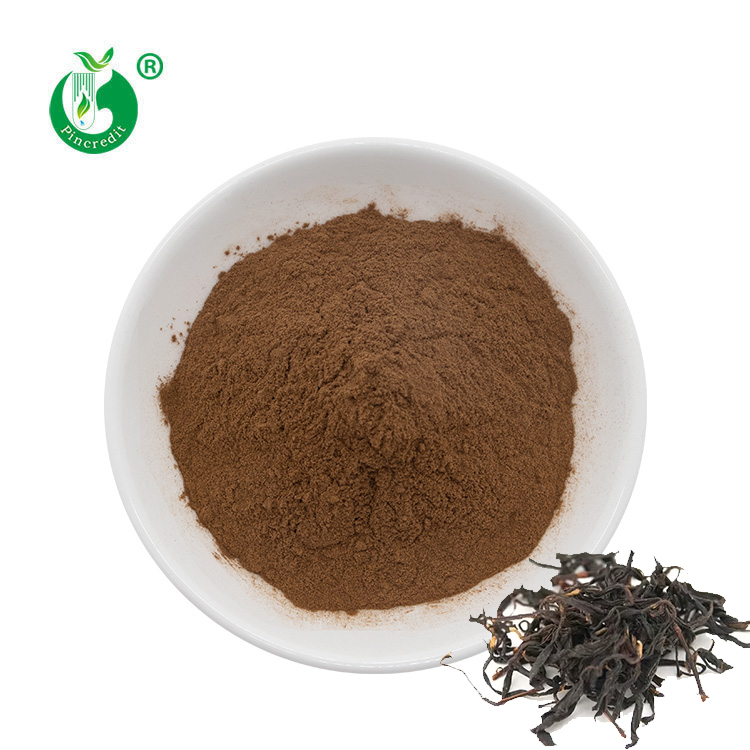
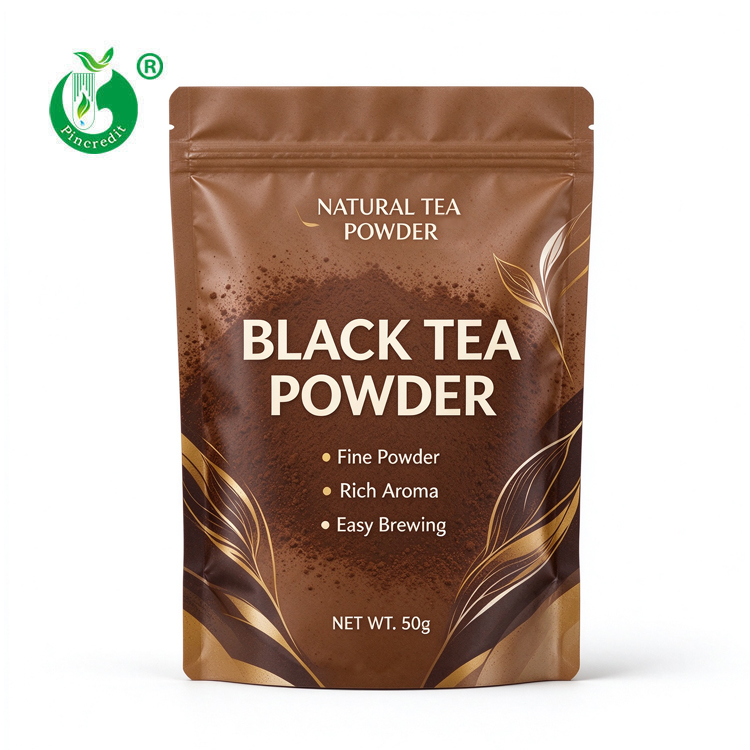
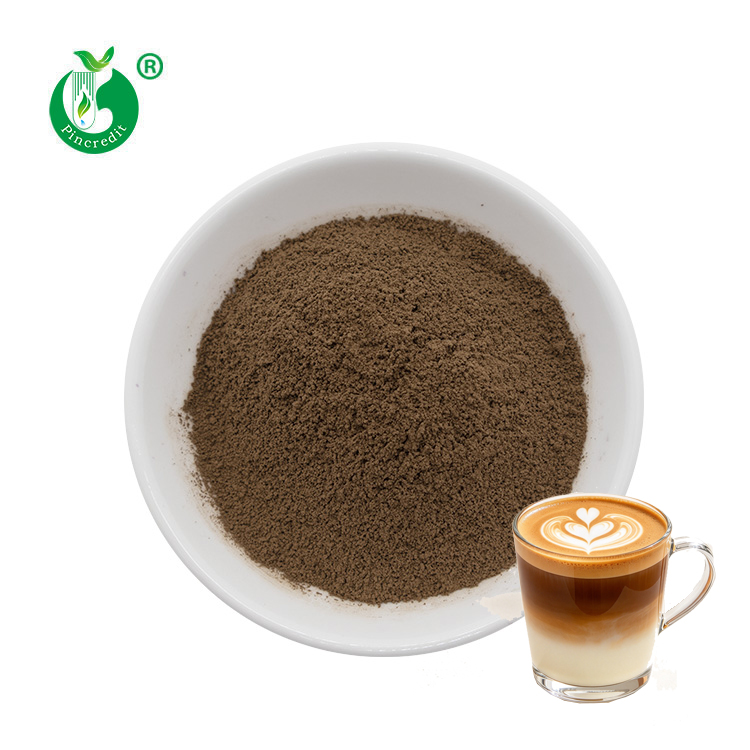
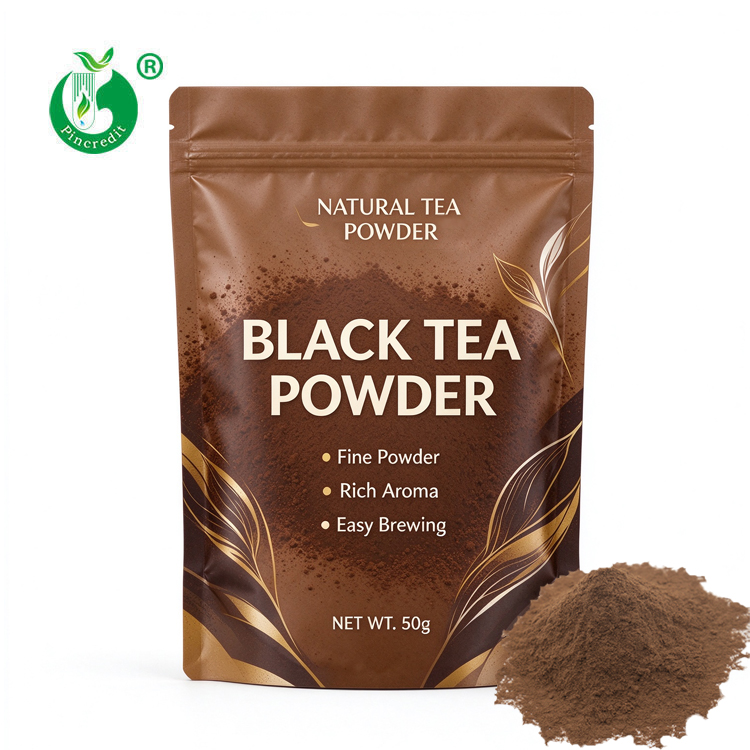
Our instant black teas and micro-filtered botanical concentrates undergo secondary centrifuge clarification and vacuum concentration before spray drying. This eliminates insoluble starches and pectin fractions, resulting in instant cold-water clarity, zero sedimentation, and consistent spectrophotometric absorbance across 24-month stability windows.

Do you accommodate JPY invoicing and flexible Incoterms for domestic forwarders?

We maintain multi-currency settlement structures accommodating JPY, USD, and EUR. Delivery terms include CIF Hanshin Port (Kobe/Osaka), FOB major terminal ports, and fully handled DDP terms to your designated central distribution centers, collaborating seamlessly with domestic bonded warehouses.

Manufacturing Capabilities

Why Tier-1 Formulators Partner with Our Shaanxi Extraction Facilities

Combining abundant herbal botanical cultivation at origin with high-precision, patented separation technologies.

Patented Separation Tech

Our facility holds core intellectual property, including Invention Patent ZL 2014 1 0464649.9 and continuous extraction equipment utility patents. These advancements maximize active isomer preservation while stripping trace impurities, achieving natural colorant and active yields that set global manufacturing benchmarks.

SGS Audited Operations

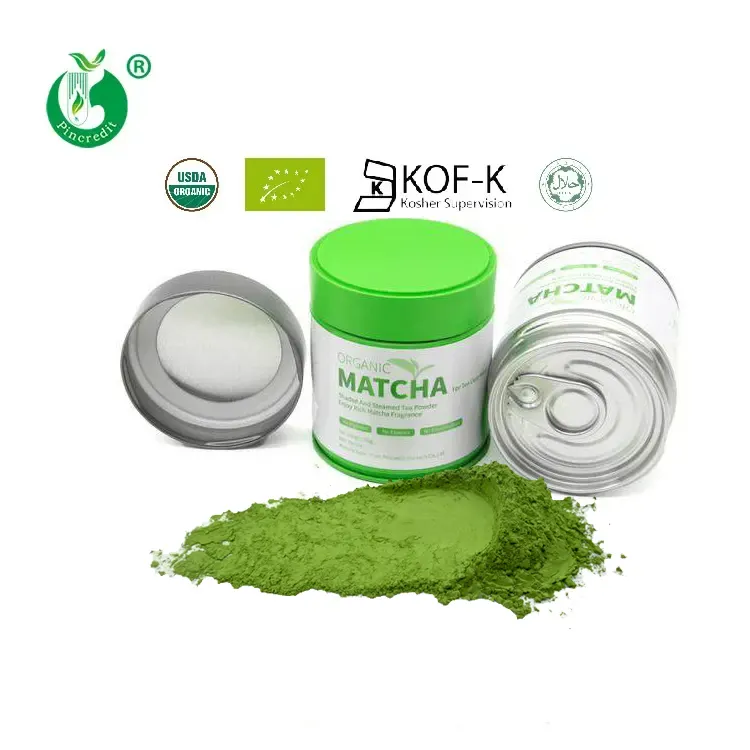
Our 1,250 m² laboratory and multi-phase production lines operate strictly under ISO 22000, HACCP, Kosher, Halal, USDA Organic, and EU Organic protocols. Having completed rigorous on-site supplier verification audits by SGS, we provide buyers transparent traceability back to certified cultivation origins.

Bespoke Particle Engineering

We do not merely supply bulk powder; we engineer physical performance attributes. Whether your plant floor demands low-dusting agglomerated granulates for capsule integrity, spray-chilled water-dispersible lipids, or micro-milled 450-mesh particles for clean-label suspensions, our R&D bench delivers bespoke formulations.

Accelerate Your Japanese Market Formulations

Request lot-specific Certificates of Analysis, stability test summaries, technical specification data sheets, and verified 100g bench evaluation samples delivered directly to your Kansai laboratory.

Send an Inquiry