Anthocyanin Extract Factory & Supplier in the Japan Market
Direct factory pricing, comprehensive MHLW compliance dossiers, and high-titer anthocyanins engineered for Japanese functional foods, nutraceuticals, and clean-label beverages.
Direct factory supply of certified organic extracts, natural pigment powders, and functional polyphenol botanicals manufactured under strict cGMP conditions.
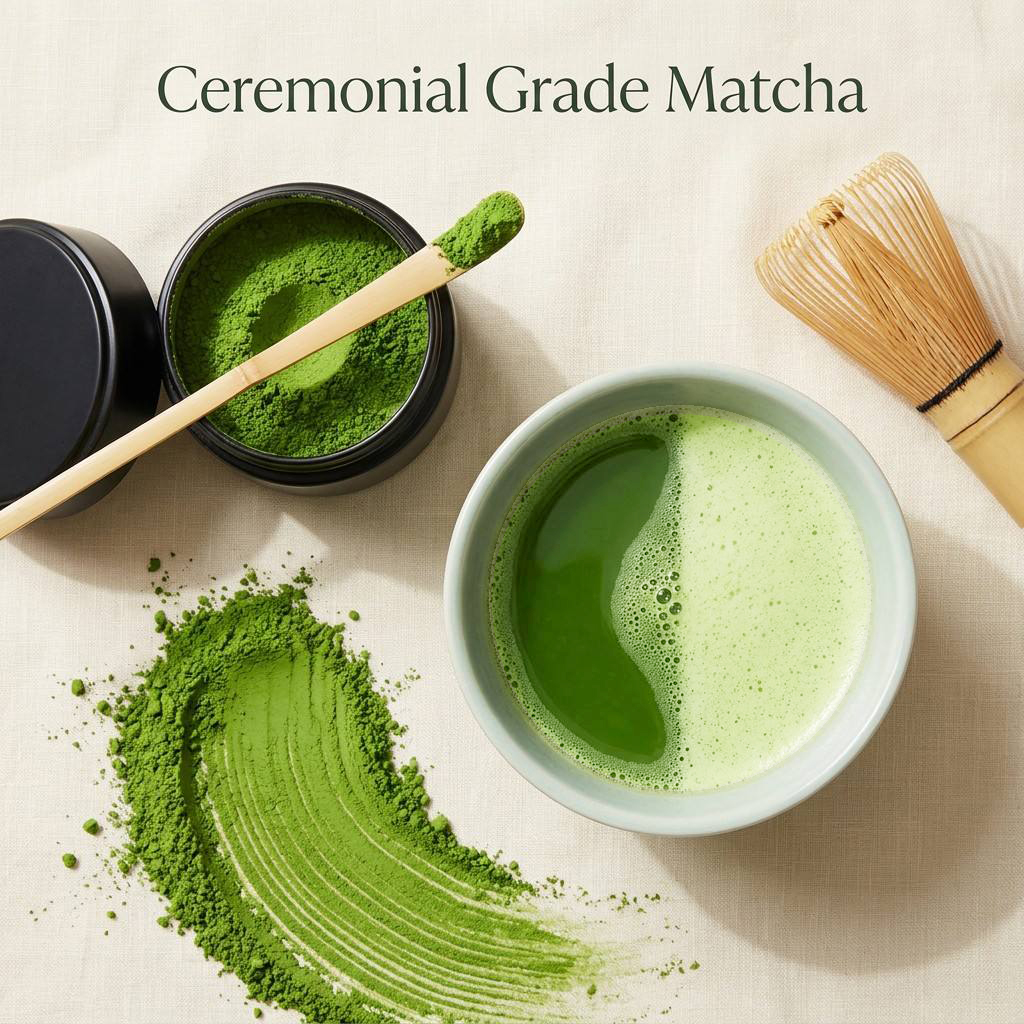
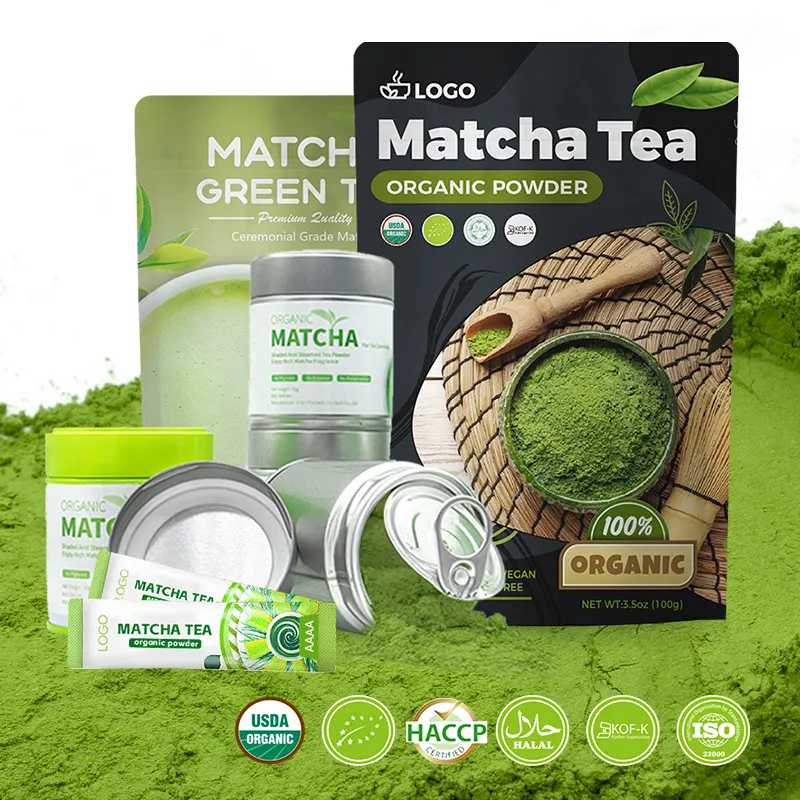
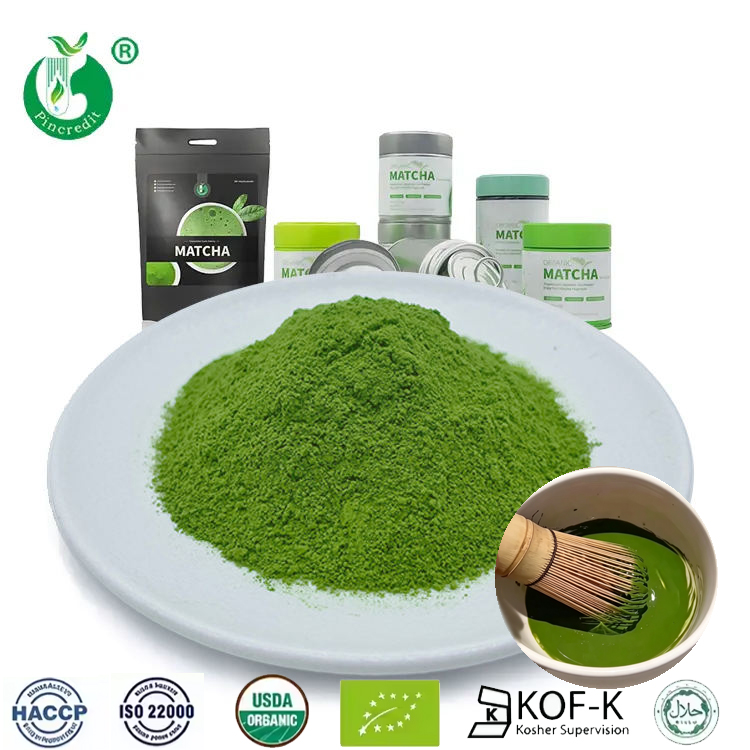
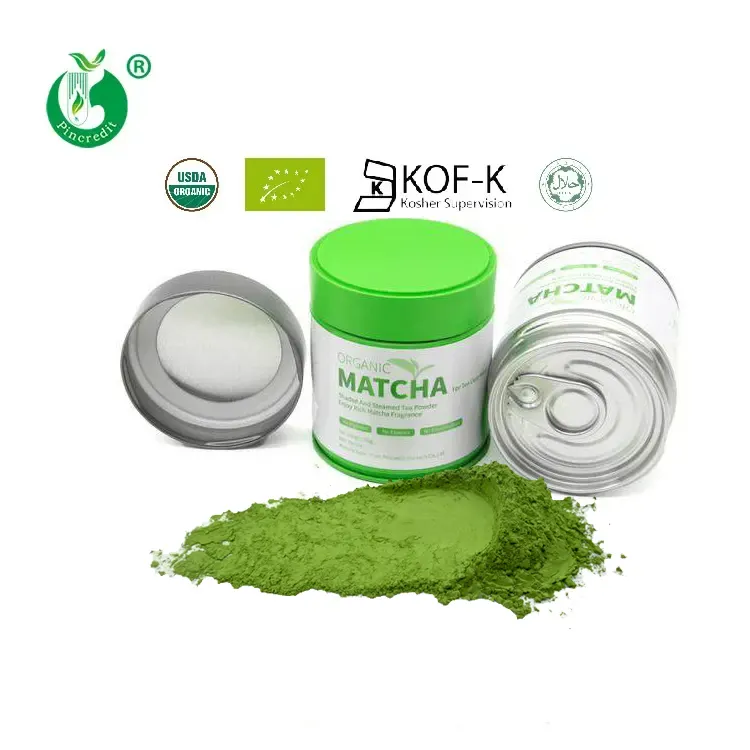
Organic certified shade-grown Camellia sinensis extract with balanced catechins. Nitrogen-flushed packaging for maximum freshness and polyphenol integrity.
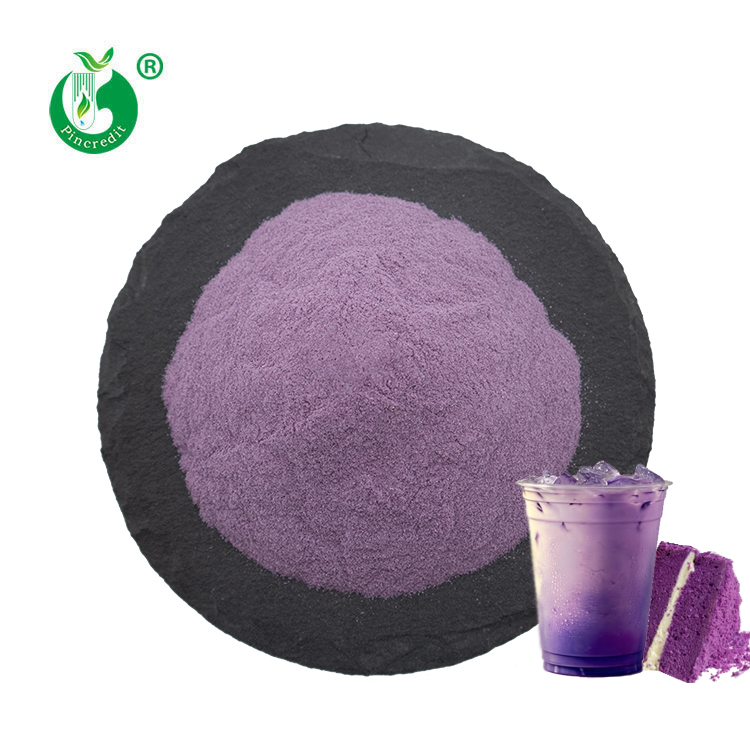
Certified non-GMO, zero synthetic carriers. Highly stable acylated anthocyanin profile rigorously tested for Japanese food sanitation conformity.
Japanese Market Integration
Anthocyanin Application Scenarios across Japanese Industries
How domestic food scientists, nutra brand developers, and functional drink manufacturers incorporate standardized anthocyanin extracts to satisfy discerning Japanese consumer standards.
Foods with Function Claims (FFC / 機能性表示食品)
Anthocyanins derived from bilberry, purple sweet potato, and blackcurrant are registered in Japan under the Consumer Affairs Agency (CAA) for clinically validated claims: supporting eye asthenopia (visual fatigue alleviation from VDT screens) and improving blood microcirculation.
CAA Filing SupportC3G & DelphinidinEye Health
Natural Colorant in Wagashi & Confectionery
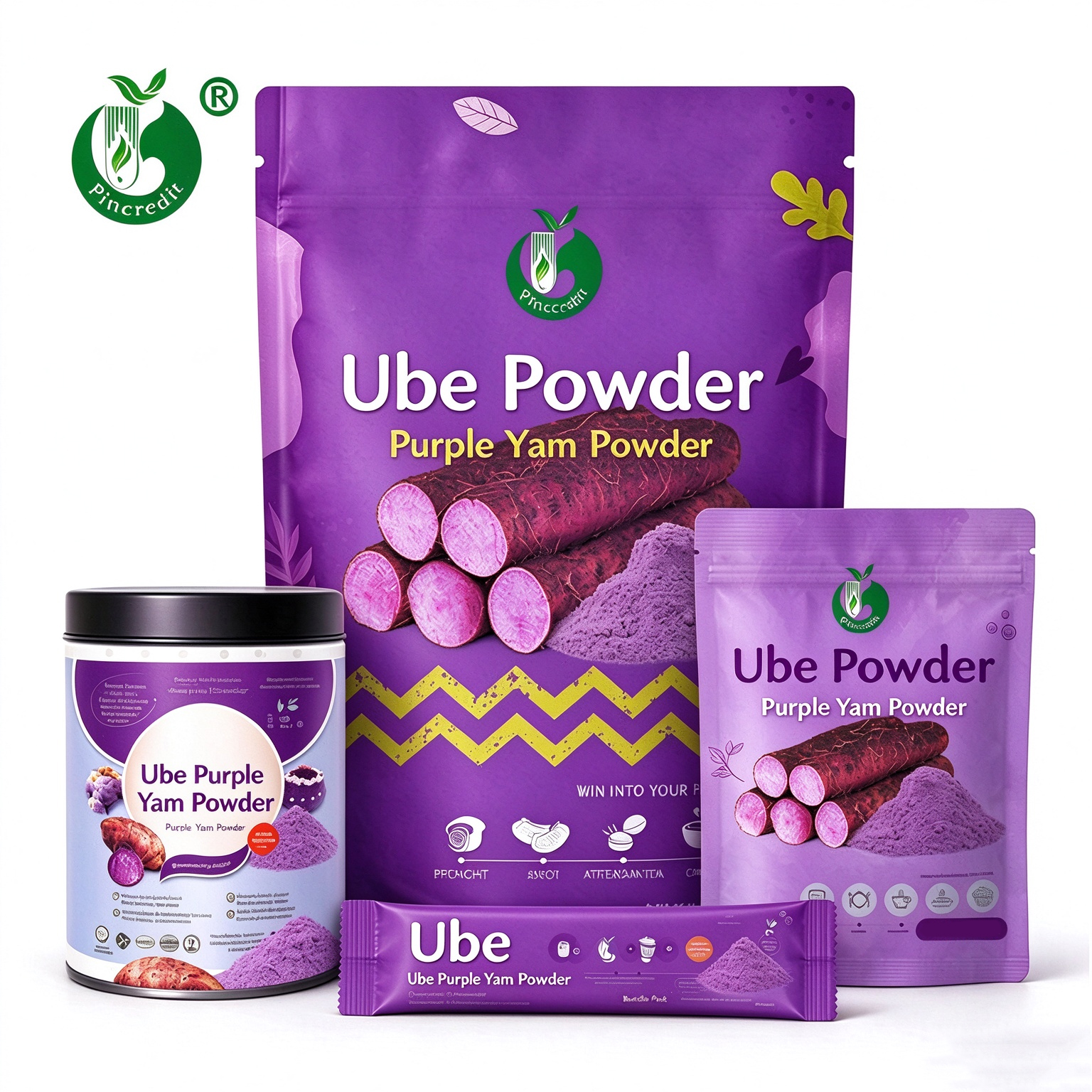
With stringent Japanese consumer resistance to synthetic coal-tar dyes (Red No. 2, Red No. 102), acylated anthocyanins from purple sweet potato and Dioscorea yam provide heat- and light-stable magenta-to-purple shades for mochi, daifuku, jellies, and high-temperature baked wagashi.
Anthocyanin pigments exhibit distinct bathochromic shifts depending on beverage acidity. Our cold-water-soluble extracts deliver brilliant ruby reds at pH 2.5–3.8, resisting ascorbic acid-mediated bleaching in RTD tea formulations, canned seltzers, and zero-sugar chuhai.
No SedimentationAscorbic-ResistantInstant Solubility
Market Intelligence & Technical Gain
Anthocyanin Sourcing Trends in Japan: Purity, Acylation & Stability
Understanding molecular kinetics, acylation profiles, and MHLW (Ministry of Health, Labour and Welfare) compliance factors driving Japanese procurement shifts in 2025–2026.
Analytical Marker
Standard Industry Extract
Xi'an Vexli Bio-Tech Optimized Grade
HPLC Molecular Fingerprint
Uncalibrated UV total anthocyanin estimation (often inflated by non-active polyphenols).
Baseline HPLC assay measuring Cyanidin-3-glucoside (C3G), Delphinidin-3-glucoside, and Malvidin fractions with baseline chromatographic separation.
Molecular Acylation Status
Non-acylated monoglucosides; prone to rapid hydration into colorless chalcone forms at pH > 4.0.
Di-acylated and caffeoylated anthocyanin structures demonstrating over 3.2x greater resistance to heat processing (85°C pasteurization) and ambient daylight degradation.
MHLW Chemical Residue Screening
General national standard COA with incomplete organochlorine or triazole screening.
Comprehensive BS EN 15662 multi-residue pesticide screen (over 450 compounds) meeting positive list system guidelines established under the Food Sanitation Act of Japan.
Heavy Metal Limits
Pb < 3.0 ppm, As < 2.0 ppm, Cd < 1.0 ppm, Hg < 0.1 ppm.
Ultra-purified ICP-MS control: Pb ≤ 1.0 ppm, As ≤ 0.5 ppm, Cd ≤ 0.2 ppm, Hg ≤ 0.05 ppm, matching strict pharmaceutical and infant formulation thresholds.
Particle Mesh & Bulk Density
80–100 mesh, erratic tap density causing dusting and pneumatic feeding blocks.
Micronized 200–450 mesh and agglomerated granulates tailored specifically for automated high-speed stick-pack machines and softgel encapsulation.
Direct-From-Origin Manufacturing, Full Traceability & In-House R&D
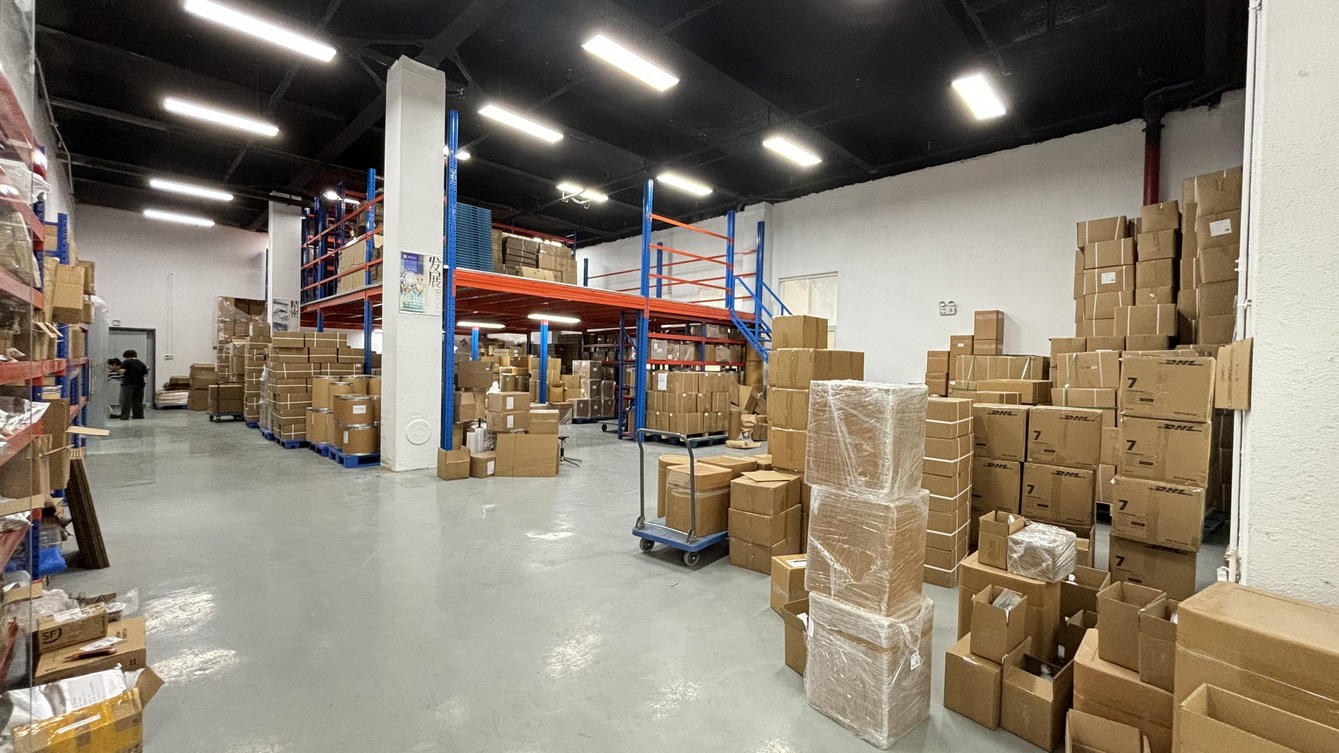
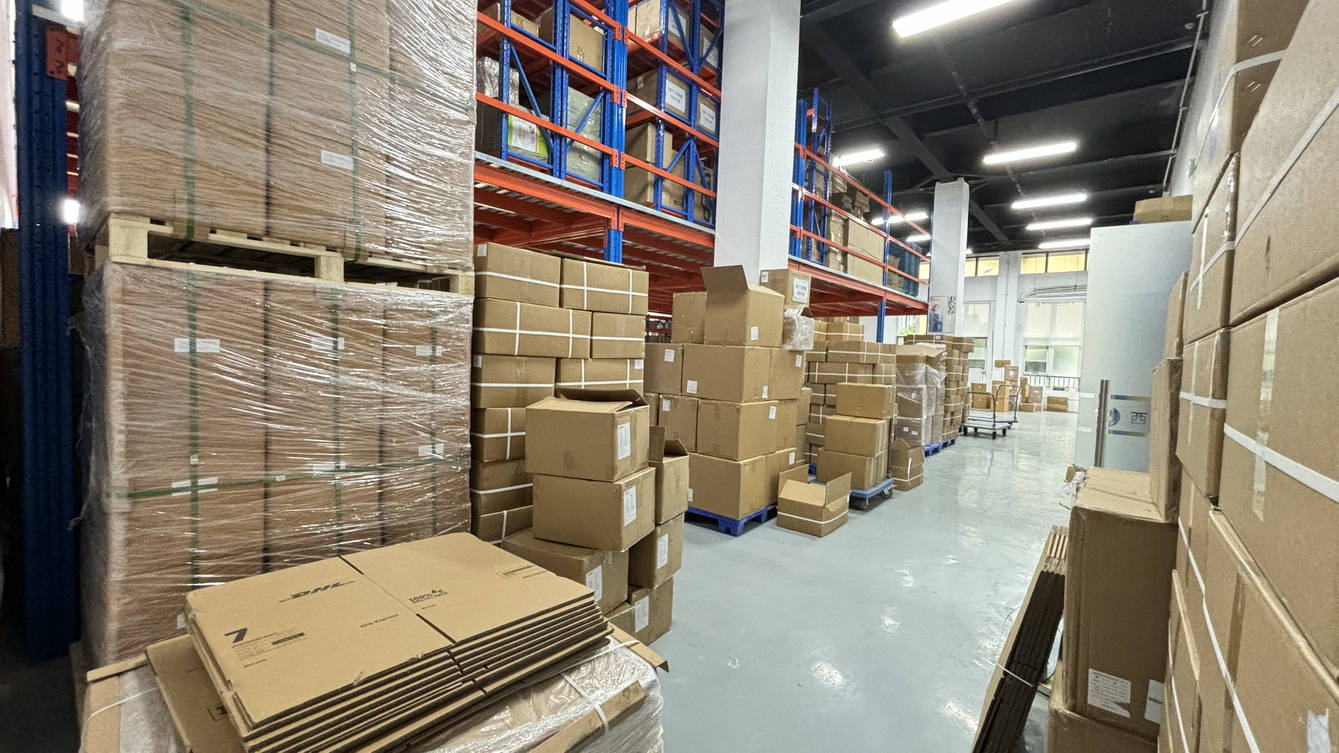
Headquartered in Xi'an, Shaanxi Province—the historical center of botanical extraction in China—Xi'an Vexli Bio-Tech Co., Ltd. integrates direct crop sourcing with verified extraction infrastructure. Rather than brokering through regional trading houses, we maintain end-to-end control from raw botanicals to finished standardized powders.
As an assessed high-tech enterprise verified on-site by SGS and a trusted ingredient partner to international Fortune 500 corporations, we address the rigorous documentation, analytical verification, and zero-defect quality culture expected by Japanese corporate procurement directors.
Frequently Asked Questions by Japanese Importers & R&D Teams
Clear answers regarding customs quarantine declarations, Food Sanitation Law compliance, testing documentation, and logistics to major Japanese ports.
How do your anthocyanin extracts comply with Japan's Food Sanitation Act and MHLW regulations?+
Every batch shipped to Japan is accompanied by a comprehensive technical dossier designed to pass Quarantine Station (検疫所) review smoothly. This includes exact botanical denomination (genus, species, and plant part utilized), non-synthetic extraction process flow diagrams using only water and food-grade ethanol, negative residual solvents confirmation, and a multi-residue pesticide screen according to the Japanese Positive List System (tested to BS EN 15662 via SGS or Eurofins).
Can you supply analytical HPLC chromatograms verifying active anthocyanin profile?+
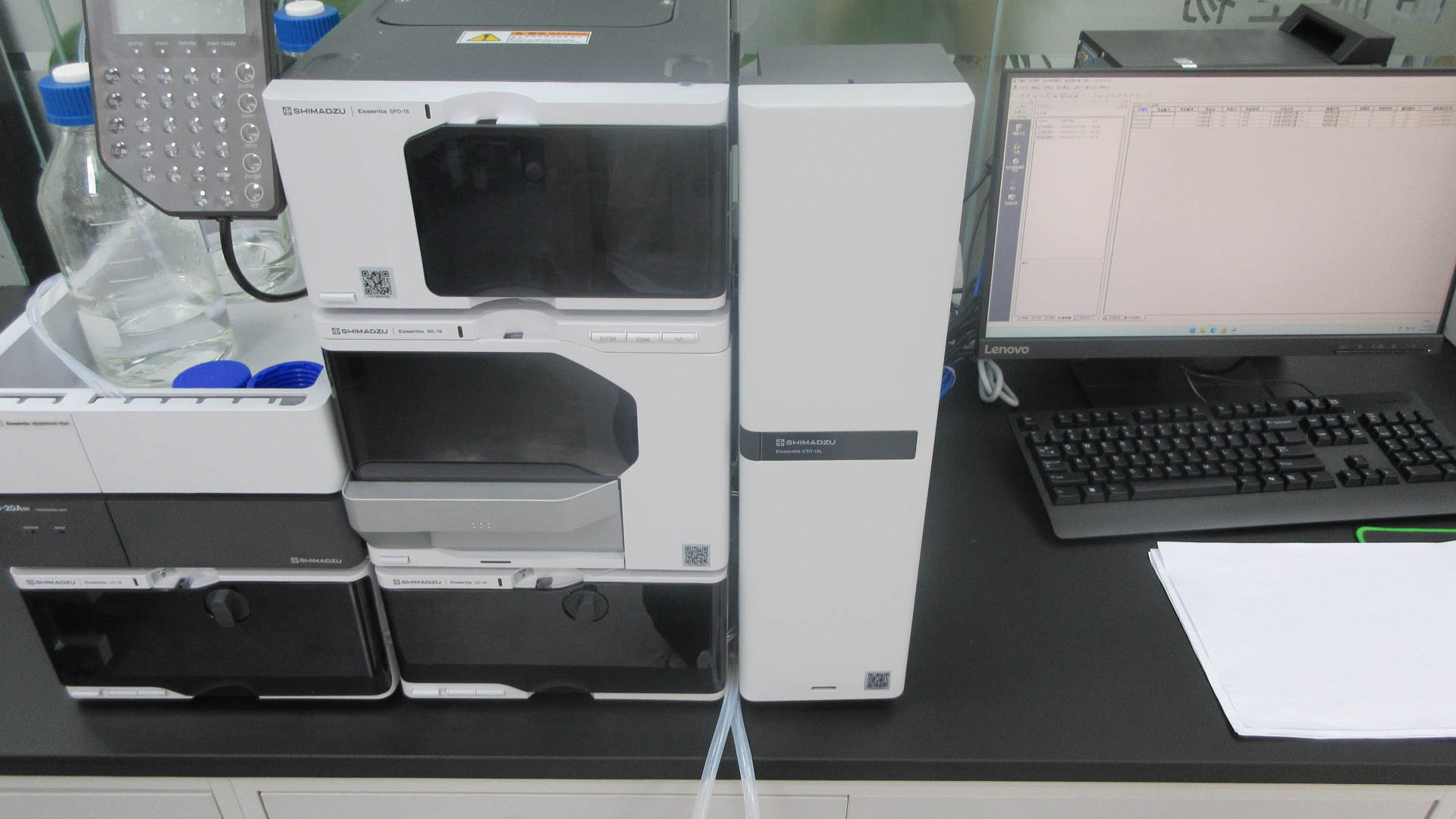
Yes. In contrast to vendors quoting UV spectrophotometric assays that can yield false positives from other polyphenolic fractions, our in-house QC laboratory utilizes high-performance liquid chromatography (HPLC) to pinpoint distinct anthocyanidins: cyanidin, delphinidin, malvidin, peonidin, and petunidin. A batch-specific chromatogram matching our certified reference standard is supplied with your pre-shipment sample and shipment docs.
What are the minimum order quantities (MOQ) and sample lead times for Japan?+
For trial evaluation, benchtop formulation trials, and small-batch production, our standard MOQ is just 1 kg. Pre-production analytical samples (50g to 100g) are dispatchable via express air courier (DHL, FedEx, or EMS) directly to your lab or manufacturing facility in Tokyo, Osaka, Nagoya, or Fukuoka within 3 to 5 business days, complete with lot-specific COA and MSDS.
What shipping terms and settlement currencies are supported for Japanese buyers?+
We routinely support FOB Shanghai/Qingdao, CIF Yokohama/Kobe, and complete DDP (Delivered Duty Paid) door-to-door terms across Japan. Payments can be seamlessly remitted via Telegraphic Transfer (T/T), Letter of Credit (L/C), or escrow, and we welcome transactions denominated in Japanese Yen (JPY), US Dollars (USD), or EUR.
Do you offer OEM formulation, bespoke blending, or specific mesh size processing?+
Yes. Our Shaanxi facility is equipped with dedicated clean-room micronization, vibrating sieving (80 to 450 mesh), and three-dimensional powder mixing units. We formulate bespoke polyphenol premixes (e.g., Anthocyanin + Astaxanthin + Lutein blends for eye acuity formulas) and support contract private-label packaging in vacuum-sealed aluminum pouches, composite canisters, or bulk drums.
Partner with a Certified Anthocyanin Extract Manufacturer
Looking to elevate your next functional beverage, dietary supplement, or clean-label food product in Japan? Consult directly with our technical team to receive tailored specifications, MHLW regulatory dossiers, and competitive bulk tier quotations.