Export-Grade Botanical Extracts & Specialty Biomolecules
Standardized hydro-ethanolic and high-purity water-soluble botanical extracts engineered for high-performance dietary supplements, pharmaceutical formulations, cosmeceuticals, and functional foods.
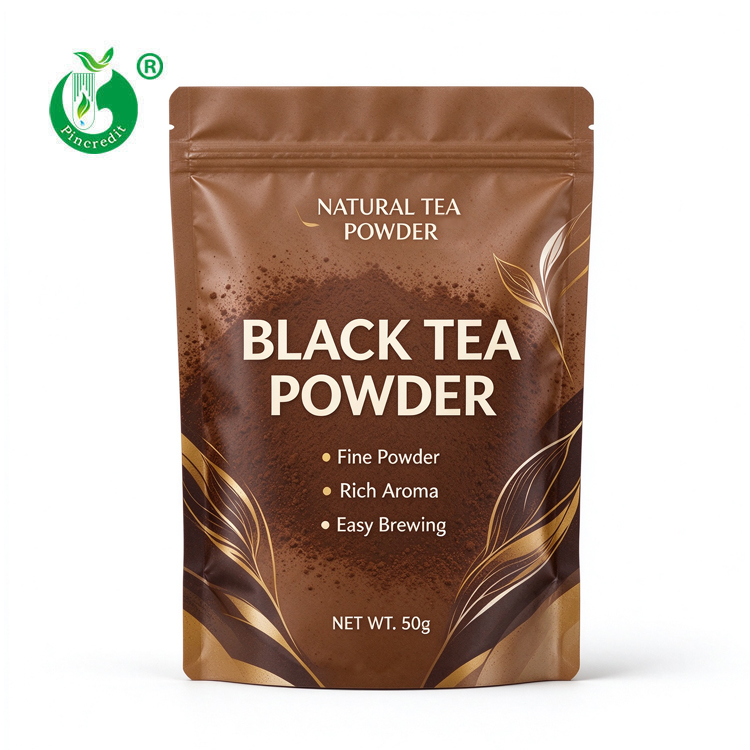
Factory Direct Sale Private Label Instant Water Soluble Organic Black Tea Powder
100% cold-water soluble black tea extract standardized for total theaflavins and polyphenols. Gentle hydro-concentration preserves the full aroma profile with zero cloudiness.
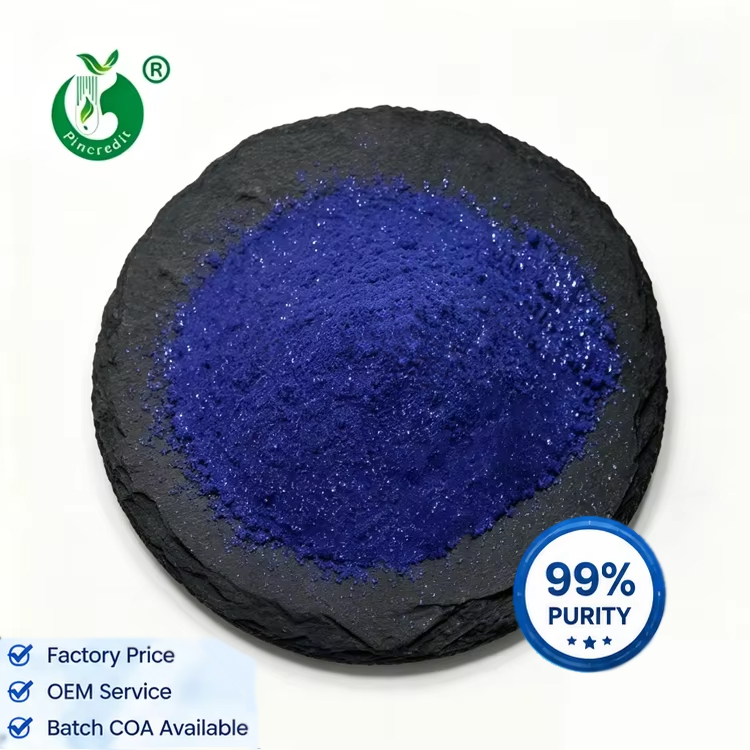
Pincredit Manufacturer Wholesale Price Cosmetic Grade 99% Raw GHK-Cu Blue Copper Peptide Powder
Ultra-pure tripeptide-1 copper complex verified by HPLC (≥99%). Ideal active for regenerative dermo-cosmetic serums, scar repair, and anti-aging anti-wrinkle cellular recovery formulations.
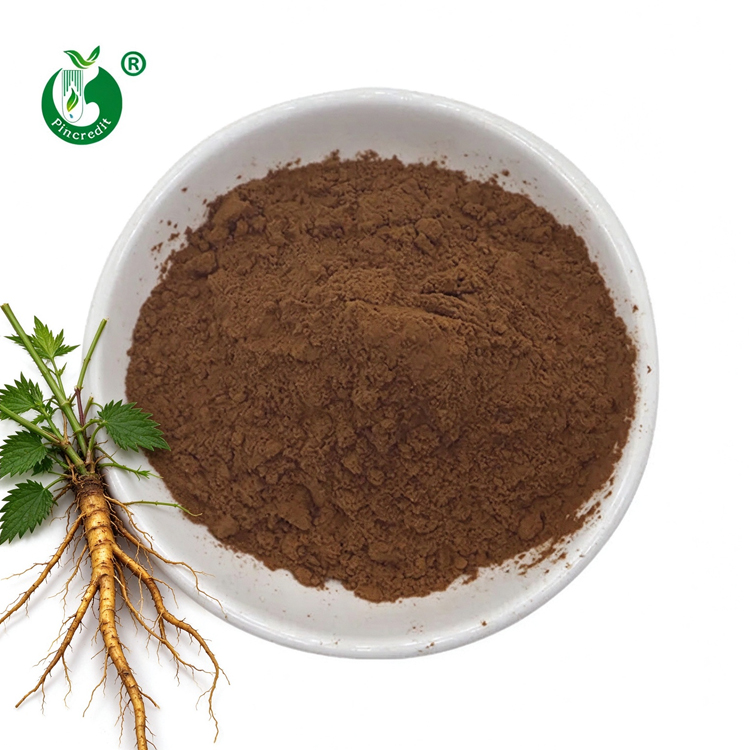
Factory Supply Wholesale Price Natural Urtica Dioica Stinging Nettle Root Extract
Native Thracian & European wild-harvested stinging nettle root extracted via hydro-ethanolic percolation. Standardized for plant sterols & scopoletin for prostate and joint wellness.
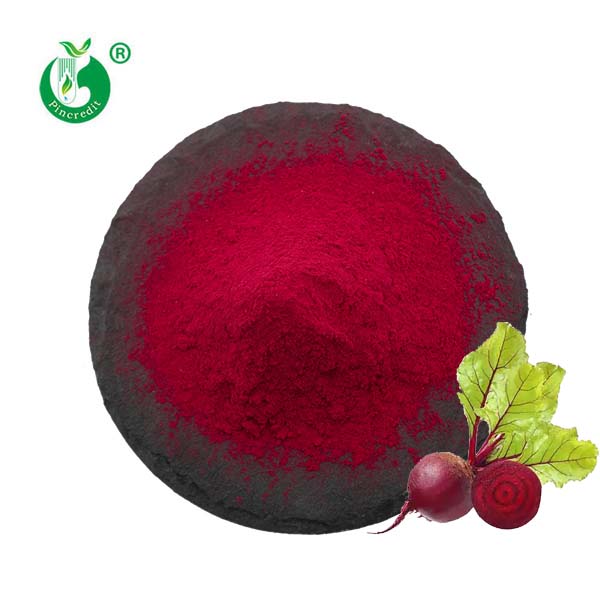
China Supplier Pincredit Wholesale Price Red Beetroot Juice Powder Water-Soluble Organic Beet Root Juice Powder
Spray-dried pure Beta vulgaris juice extract yielding high dietary nitrate density and vibrant natural ruby pigmentation. Clean-label food coloring and endurance sports nutrition active.
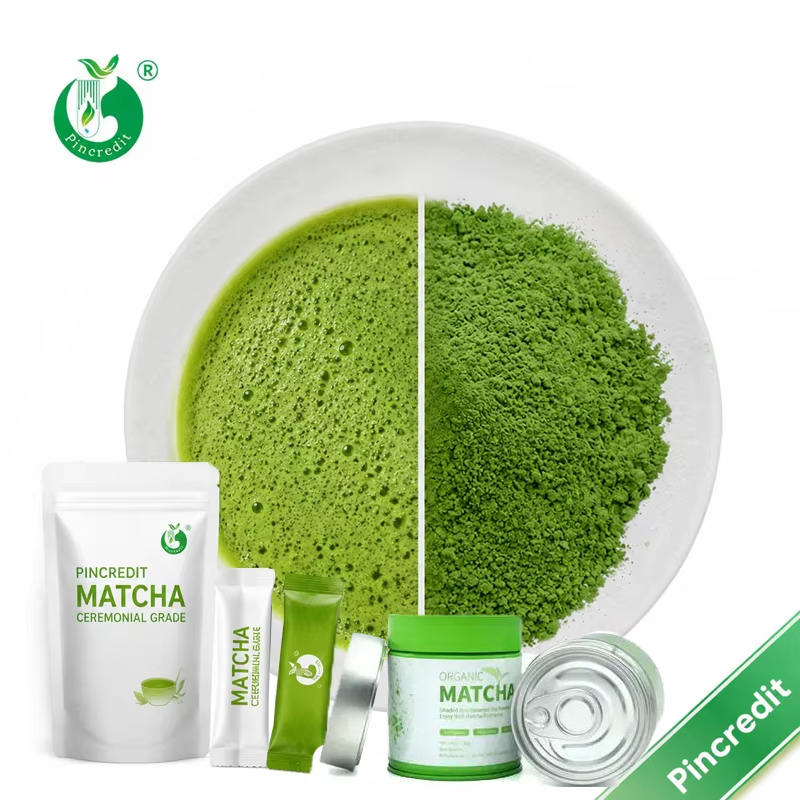
Factory Supply Wholesale Price USDA and EU Organic Certified Matcha Private Label Ceremonial Grade Pure Matcha Powder
Traditional granite-stone milled spring-flush green tea leaves. Rich in L-theanine and EGCG catechins. Micro-tested according to BS EN 15662 multi-residue pesticide standards.
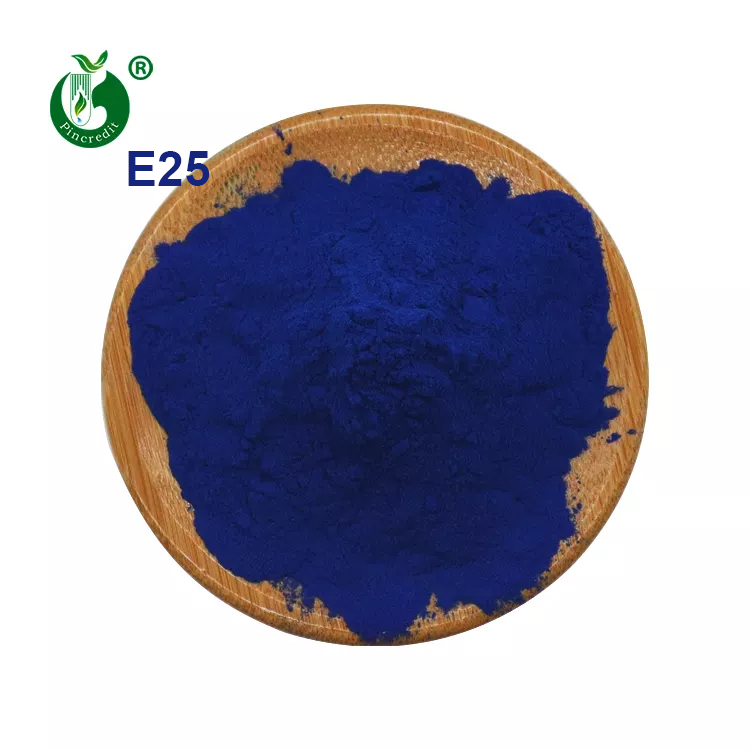
Bulk Price Blue Pigment E25 Spirulina Extract Phycocyanin Powder
High-potency phycocyanin isolated from Arthrospira platensis. E25 optical density with intense water-soluble blue hue. Replaces artificial Blue #1 in beverages, frostings, and cosmetics.
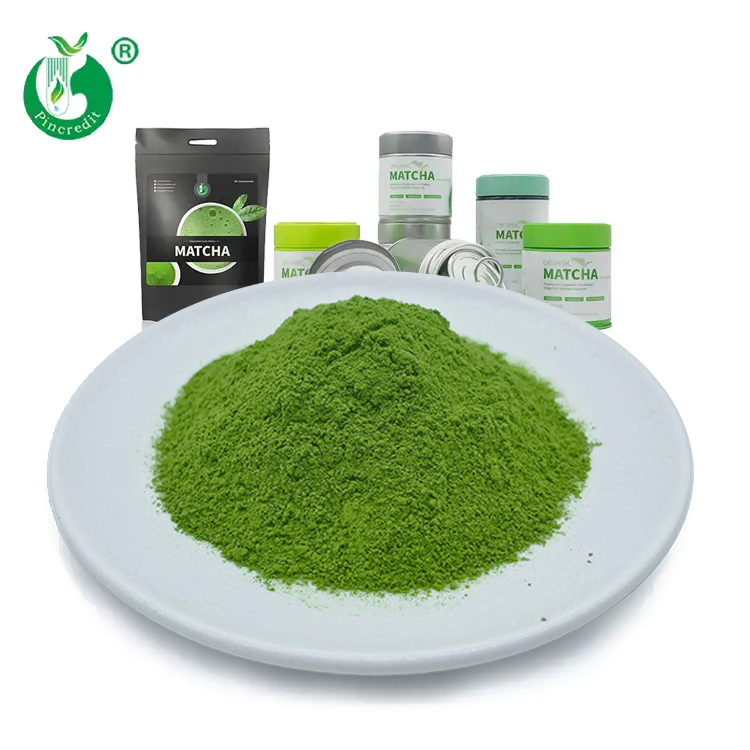
Factory Wholesale Free Sample Bulk Natural Matcha Green Tea Powder for Baking Drinks
High-heat stable culinary matcha powder engineered for confectionery, dairy drinks, and bakery formulations. Maintains natural chlorophyll color and herbaceous tea astringency after thermal processing.
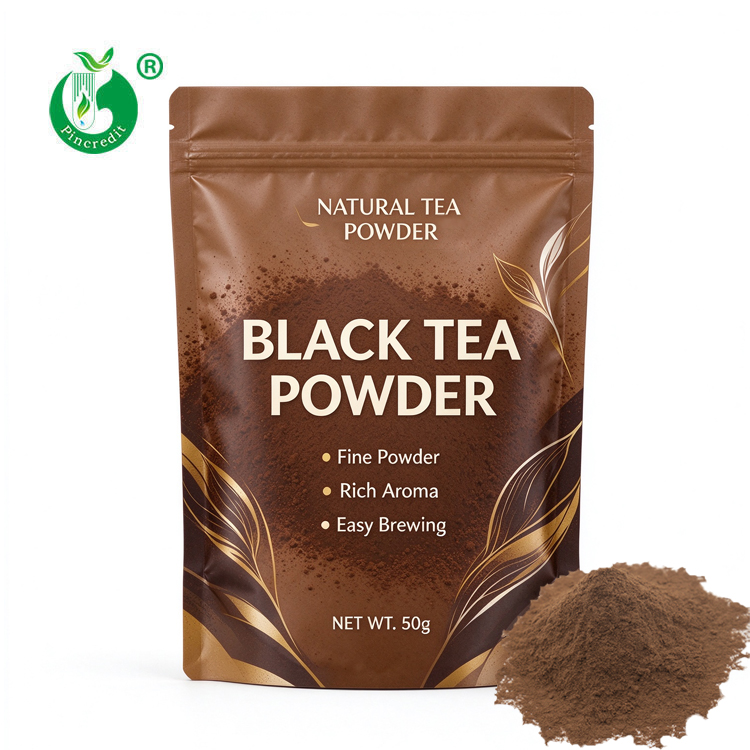
Pincredit Wholesale Price OEM Private Lbel Water Soluble Instant Black Tea Powder in Bulk
Industrial bulk packaging and customized OEM retail formulation of instant black tea. Compatible with premixed RTD canned teas, kombucha fermentations, and instant powdered beverage sticks.
Alcohol-Based Herbal Extract Manufacturing: Engineering Bioavailability & Stability
Industrial botanical extraction requires rigorous chemical thermodynamic control to ensure sensitive secondary plant metabolites—such as flavonolignans, sesquiterpene lactones, polyphenolic glycosides, and triterpenoids—are effectively partitioned from fibrous cellular matrixes without oxidative degradation. At our manufacturing facility serving clients across Plovdiv, the Thrace basin, and the broader European Union, our hydro-ethanolic extraction processes use pharmaceutical-grade, pure grain ethanol (compliant with Ph. Eur. monographs) combined with multi-stage countercurrent maceration and dynamic percolation systems.
While aqueous (pure water) extraction is suitable for basic polysaccharides and hydrophilic proteins, alcohol-based (hydro-ethanolic) extraction remains the gold standard in modern phytotherapy. The dielectric constant of ethanol-water mixtures can be dialed between 24.3 (pure ethanol at 25°C) and 78.4 (pure water), allowing our extraction chemical engineers to target precise chemical lipophilicity windows. Whether extracting non-polar stinging nettle sterols, milk thistle silymarin, or balancing the polyphenol recovery of organic black tea powders, this precise control maximizes raw active assay content while drastically curtailing residual solvent impurities.
Fractional Ethanolic Recovery
Utilizing low-temperature falling-film vacuum evaporators and closed-loop condensation units, up to 98.5% of process ethanol is recovered. This maintains energy efficiency while preventing thermal degradation of volatile phytochemical fractions.
Ph. Eur. & USP Monograph Compliance
Every alcoholic tincture and dry hydro-ethanolic extract powder is analyzed for heavy metal ceilings (Pb < 3.0 mg/kg, Cd < 1.0 mg/kg, Hg < 0.1 mg/kg) and multi-residue pesticides via GC-MS/MS and LC-MS/MS systems.
Custom Extraction Ratios (D.E.R.)
From concentrated fluid extracts (D.E.R. 1:1, 1:2) to high-titer standardized dry powders (D.E.R. 4:1 to 50:1), our extraction lines run on batch parameters optimized for solubility and direct tableting or encapsulation.
Localized Industrial Applications: Supplying Plovdiv's Growing Manufacturing Clusters
Plovdiv, recognized as Bulgaria's economic powerhouse and the industrial nucleus of the Thracian Plain, boasts an ancient horticultural tradition coupled with state-of-the-art manufacturing zones (such as Trakia Economic Zone). The confluence of abundant local botanical crops—ranging from Rosa damascena, lavender, and stinging nettle (Urtica dioica) to milk thistle, valerian, and wild mint—has turned Plovdiv into a strategic nexus for herbal raw material processing and life-science production.
As an international factory and exporter collaborating with processing sites in Shaanxi and key European distribution partners, we supply tailored botanical extracts directly into the specific workflows of Plovdiv and European manufacturers:
1. Pharmaceutical & Phytomedicine Formulations
Regional European pharma facilities around Plovdiv and Sofia depend on high-titer hydro-ethanolic liquid extracts and crystalline active substances. Applications include:
- Urtica Dioica Root Extract: Hydro-ethanolic standardized phytosterols for BPH (benign prostatic hyperplasia) therapeutic capsules.
- Standardized Herbal Tinctures: High-purity mother tinctures conforming to German Homeopathic Pharmacopoeia (HAB) standards.
- Cough Syrups & Bronchial Elixirs: Ivy leaf (Hedera helix) and thyme extracts extracted with 30% v/v ethanol.
2. High-End Cosmeceuticals & Dermo-Aesthetics
Capitalizing on Bulgaria's century-old rose and aromatic oil legacy, Plovdiv's cosmetics industry is adopting hybrid biotechnology formulas:
- 99% Raw GHK-Cu Blue Copper Peptide: Formulated into restorative facial serums, stimulating collagen synthesis and skin remodelling.
- Ethanol-Extracted Botanical Polyphenols: High-ORAC antioxidants derived from green and black tea that neutralize oxidative stress.
- Cosmetic Grade Alpha-Arbutin & Plant Glucosides: Tyrosinase inhibitors targeting hyperpigmentation for export skin-brightening creams.
3. Herbal Liquors, Bitters & Craft Distillates
Central Bulgaria has a rich tradition of artisanal distillates (Rakia) and botanical digestifs. Industrial distilleries utilize our alcohol-based extracts for rapid maceration scaling:
- Compound Botanical Aromatic Bases: Hydro-ethanolic infusions of gentian, wormwood, angelica root, and citrus peel.
- Natural Blue Coloration via Phycocyanin: Heat- and alcohol-stable algae pigments creating electric-blue visual craft spirits.
- Concentrated Herbal Bitter Essences: Standardized bitterness index for bulk aperitif and amaro manufacturing.
Localized Industry Trends: The European Green Deal & Clean-Label Extraction
The botanical and active pharmaceutical ingredient (API) processing landscape in Bulgaria and the greater Balkan region is undergoing a significant transition. B2B procurement managers are no longer choosing extraction partners based solely on spot pricing. Today, strict regulatory alignment with European Union chemical directives, environmental sustainability, and analytical transparency govern supplier selection.
1. Shift Away From Synthetic Petrochemical Solvents (Hexane / DCM)
European Regulation (EC) No 396/2005 and Directive 2009/32/EC on extraction solvents have driven formulators away from petroleum solvents like hexane, methanol, and dichloromethane. Food-grade ethyl alcohol (derived from fermentation of agricultural grains or sugar beet) is now mandatory across clean-label neutraceuticals. Our manufacturing lines use closed-loop hydro-ethanolic systems that leave no hazardous residues, fully compliant with Class 3 solvent safety boundaries (ICH Q3C guidelines).
2. Rise of Standardized Phytotherapy Over Crude Herbal Powders
While European legacy brands historically purchased raw, dried bulk cut herbs (Herba/Radix) for local extraction, soaring labour and energy costs across Plovdiv's factories have accelerated the demand for standardized dry extract powders. By purchasing pre-extracted, high-yield powders with guaranteed active marker levels (verified via High-Performance Liquid Chromatography), brands eliminate the risk of seasonal crop variations.
3. Organic Certification & Zero-Pesticide Mandates
Bulgaria's expanding organic agriculture sector in the Rhodope and Balkan mountain ranges has intensified regulatory scrutiny. In response, our facility integrates USDA Organic and EU Organic certification across our primary product supply chains (including matcha, tea powders, spirulina, and mushroom extracts), backed by multi-residue pesticide screening (BS EN 15662) verifying over 500 pesticide compounds below limit of quantification (<0.01 mg/kg).
Technical Quality Guide: How to Read a Certificate of Analysis (COA) for Ethanolic Extracts
Procuring raw botanical ingredients for regulated pharmaceuticals, supplements, or clinical cosmetics requires thorough laboratory verification. When reviewing an alcohol-based or hydro-ethanolic extract COA, our technical team highlights these critical analytical parameters:
| Analytical Parameter | Standard Test Methodology | Technical Quality Significance for Buyers |
|---|---|---|
| Assay / Marker Content | HPLC-DAD / UHPLC / LC-MS | Differentiates true isolated molecules from crude non-specific compounds. UV testing alone can inflate polysaccharide readings; HPLC isolates active marker chemicals. |
| Residual Solvent (Ethanol) | Headspace Gas Chromatography (HS-GC-FID) | Monitors residual process ethanol in dry powders. Must comply with Ph. Eur. limits (≤5,000 ppm for Class 3 solvents, with our factory holding lots under 50 ppm). |
| Extraction Solvent Ratio | Calculated Batch Formulation (v/v) | Specifies the ethanol/water ratio (e.g., 70:30 v/v vs 30:70 v/v). Critical for matching the solubility dynamics of the customer's finished delivery format. |
| Particle Granulation (Mesh) | Vibrational Sieving (ASTM E11) | 80 mesh is optimal for capsule filling; 300 to 500 mesh is required for smooth RTD beverages, suspensions, and fine cosmetic emulsions. |
| Heavy Metal Limits | ICP-MS (Inductively Coupled Plasma) | Verifies strict compliance with EU Regulation 1881/2006 for Lead (Pb), Cadmium (Cd), Mercury (Hg), and Arsenic (As). |
| Pesticide Multi-Residue | BS EN 15662 via GC-MS/MS & LC-MS/MS | Verifies absence of chlorinated hydrocarbons, organophosphates, and synthetic pyrethroids. Mandatory for EU customs border clearance. |
| Microbiological Bioburden | Ph. Eur. 2.6.12 & 2.6.13 / USP <61><62> | Total Aerobic Microbial Count (TAMC ≤1000 CFU/g), Yeasts/Molds (TYMC ≤100 CFU/g), Salmonella absent in 25g, and E. coli negative. |
Enterprise Advantages: Why Global Formulators Partner with Our Factory
Operating as a globally verified botanical extract manufacturer and export partner, our infrastructure is built to support both multi-ton enterprise programs and high-agility pilot developments:
1. Direct Raw Material Sourcing
Rather than relying on volatile secondary open-market brokers, we partner with contracted cultivation bases for our botanicals. We maintain direct partnerships with 25 audited extraction facilities, ensuring tight traceability from farm gate to exported drum.
2. Audited Quality Credentials
Our operations have undergone on-site physical supplier audits by SGS. Production facilities operate under ISO 22000 and HACCP certified food safety management systems, backed by Halal, Kosher, USDA Organic, and EU Organic certifications.
3. Proprietary Extraction Technology
Backed by registered national invention patents (such as ZL 2014 1 0464649.9 covering specialized phytochemical purification and Utility Model Patent No. 14520048 for high-efficiency continuous extraction), we yield purer compounds at lower energy consumption.
4. Agile Scalability (Low MOQ to Bulk)
We eliminate sourcing barriers for R&D trials. While commodity chemical traders demand multi-ton commitments, our standard botanical powders start from just 1 kg for formulation testing, scaling up to full container loads (FCL).
5. International Trade & DDP Logistics
We manage door-to-door deliveries across Europe, North America, and Australasia. Offering diverse trade terms (FOB, CFR, CIF, EXW, FCA, DDP) and accepting major currencies (EUR, USD, GBP, CHF) via verified institutional banking channels.
6. Turnkey OEM & Private Label Services
Beyond bulk raw active powders, we supply turnkey contract packaging: particle pulverizing down to 1000 mesh, customized homogenous blending, stick packaging, blister packs, and branded retail containers.
Procurement FAQ: Sourcing Alcohol-Based Extracts from Plovdiv & Overseas
Answers to common questions regarding customs classification, regulatory documentation, solvent declarations, and commercial logistics:
Liquid alcohol extracts (tinctures, fluid extracts) contain active residual ethanol (typically 20% to 90% ABV), which classifies them under specific alcohol excise tax codes and flammable transport rules (UN 1993/UN 1170, Class 3 Flammable Liquid). Conversely, hydro-ethanolic dry powders utilize ethanol strictly during extraction, removing it via vacuum evaporation and spray-drying down to trace levels (<50 ppm). Dry powders are non-hazardous, excise-free, and cleared through customs as standard food supplements or cosmetic raw ingredients.
For European buyers in Plovdiv and across the EU, we offer flexible terms. Under DDP (Delivered Duty Paid), our European freight agents handle all import declarations, customs clearance fees, and EU Common Customs Tariffs (TARIC codes). Shipments arrive at your warehouse with full EU VAT compliance, batch-specific COAs, safety data sheets (SDS in English/Bulgarian), and non-animal testing declarations.
Yes. We routinely develop bespoke contract extractions. Customers can specify the botanical origin, extraction solvent ratio (e.g., 50% grain ethanol / 50% RO deionized water), target active marker percentage (quantified via HPLC), mesh granulation size (80 to 500 mesh), and excipient selection (carrier-free, or formulated with organic maltodextrin, acacia gum, or resistant dextrin).
Every shipment is accompanied by a batch-matched Certificate of Analysis (COA) detailing physical parameters (loss on drying, ash content, bulk density, sieve analysis), chemical markers (active assay by HPLC/UV), heavy metal analysis (Pb, As, Cd, Hg via ICP-MS), residual solvent testing (GC-FID), and microbiological assays. We also supply Technical Data Sheets (TDS), 16-section GHS Safety Data Sheets (MSDS), TSE/BSE free statements, and Allergen Declarations.
We provide sample verification packs (typically 50g to 200g) for qualified industrial R&D and QA laboratories. This enables your technical team to verify physical solubility, organoleptic properties, and running assays via your in-house HPLC/spectrophotometric equipment before authorizing commercial scale production.
We accept Telegraphic Transfer (T/T), Irrevocable Letters of Credit at sight (L/C), PayPal, and Escrow. In-stock catalog products ship via air express (DHL/FedEx/UPS) within 3 to 5 business days, delivering to Plovdiv within 5 to 7 days. Sea freight container orders typically arrive at European ports (such as Varna, Burgas, or Thessaloniki) in 28 to 35 transit days.