Factory-Direct Portfolio
Featured Standardized Extracts & Botanical Powders
Supplying verified ingredients with rigorous batch-level HPLC/UV traceability, non-GMO compliance, and ultra-low agricultural contaminant profiles.
Engineering Phytochemical Potency: The Peel & Botanical Extraction Paradigm
An in-depth evaluation of solid-liquid extraction kinematics, bio-active stabilization, and the mitigation of agrochemical cross-contamination in modern botanical manufacturing plants.
In global industrial phytochemistry, fruit rinds, tuber skins, and botanical peels represent the primary biological interface of plant defense. Consequently, these structural membranes synthesize and concentrate secondary metabolites—such as polymethoxylated flavones (PMFs), monomeric anthocyanins, proanthocyanidins, and specialized pentacyclic triterpenes—in physiological densities far exceeding internal pulp or seed tissues. However, extracting high-potency bio-actives from botanical peel matrixes presents significant engineering hurdles: complex cell-wall lignification, pectin-induced gelation during mass transfer, and high surface concentrations of residual lipophilic pesticides requiring strict selective purification protocols.
Advanced extraction factories have shifted away from crude maceration toward Multi-Stage Counter-Current Extraction (CCE) assisted by pulsed-electric field (PEF) permeabilization and low-temperature enzymatic pre-digestion. By deploying targeted cellulases, pectinases, and hemicellulases, modern facilities hydrolyze cell-wall polysaccharides at neutral temperatures (38°C to 45°C). This technique liberates bound phenolics without causing thermal isomer degradation or caramelization of native carbohydrates. Downstream purification relies heavily on specialized macroporous adsorption resins (such as cross-linked polystyrenic non-ionic resins), which separate target polyphenols from unwanted free sugars, salts, and hydrophilic impurities before elution via food-grade regenerated hydrous ethanol.
Crucially, drying kinematics dictate the final reconstitution performance and shelf-life stability of the extract powder. Conventional high-heat drying frequently results in hygroscopic clumping, active compound oxidation, and volatile aromatic loss. Leading processors resolve this through clean-room spray drying with inert nitrogen cycles, or low-temperature vacuum freeze-drying (lyophilization) coupled with precise maltodextrin/gum acacia carrier micro-encapsulation. These state-of-the-art parameters deliver consistent bulk density, optimal particle sizing (≥80 to 450 mesh), and long-term chemical stability verified through accelerated ICH stress testing.
US$ 29.5M
Annual Verified Direct Export Volume
30+
Destination Countries with DDP Clearance
25
Audited cGMP Cooperating Plant Facilities
1,250 m²
On-Site Class 100,000 Cleanroom Operations
Procurement Forecasting
Future Strategic Trends in Botanical & Peel Extract Procurement
How regulatory scrutiny, clean-label shifts, and biotechnology advancements are transforming supply-chain strategies through 2030.
⚖
1. Transition to Subcritical & Supercritical Fluid SFE
Supply agreements increasingly prohibit harsh halogenated petrochemical solvents. B2B procurement contracts are shifting heavily toward Supercritical Carbon Dioxide (SC-CO2) and Subcritical Water Extraction (SWE), which eliminate toxic residuals while preserving volatile terpene matrices.
🔬
2. Stringent Pesticide Cross-Contamination Audits
Because peels act as external environmental shields, global customs (particularly across the European Union, United States, and Japan) enforce strict maximum residue limits (MRLs). Procurement directors require verified screening against BS EN 15662 multi-residue panels before issuance of Bill of Lading.
📊
3. Full Molecular Standardization via HPLC/qNMR
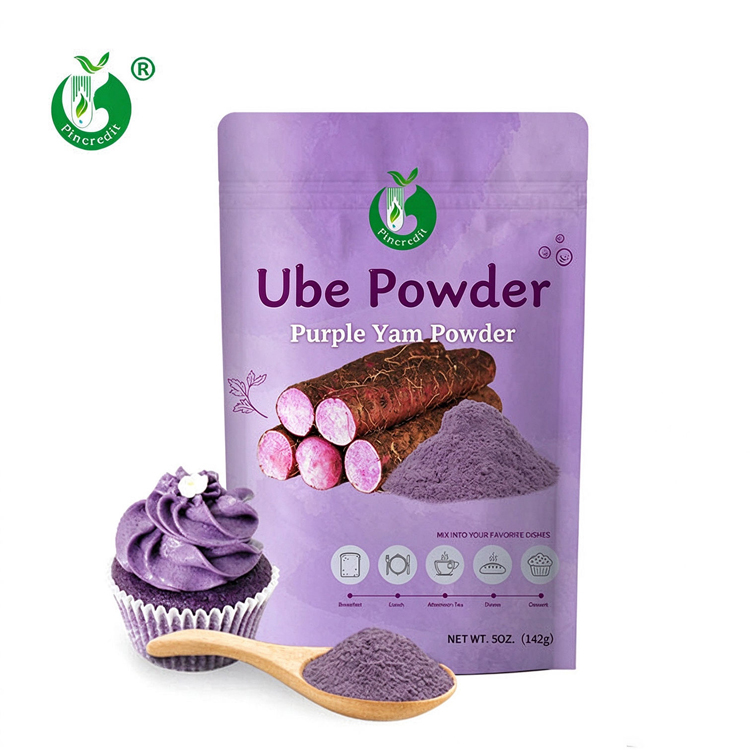
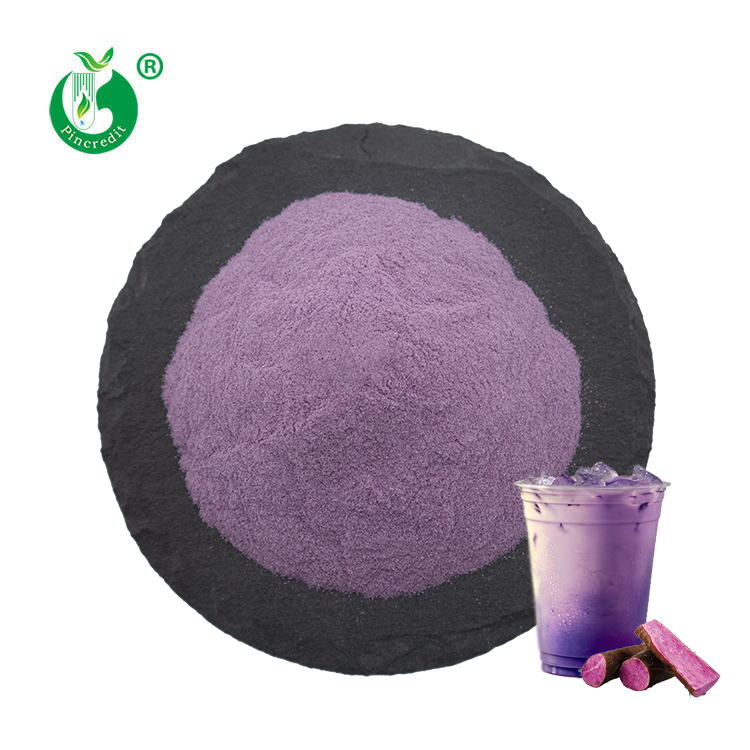
Crude extraction ratios (e.g., 10:1 or 20:1) are no longer acceptable for high-tier nutraceutical formulations. Procurement teams demand quantitative molecular assays—standardizing active phytochemical markers like hesperidin, cyanidin-3-glucoside, or mogroside fractions via high-performance liquid chromatography.
🌱
4. Upcycled Agro-Biomass Sustainability Audits
With corporate carbon mandates and ESG obligations intensifying, brands are actively sourcing from suppliers that upcycle byproduct peels from fruit and vegetable processing lines into high-value functional extracts, drastically reducing environmental footprints.
🛡
5. Integrated Formulation-Ready Microencapsulation
Buyers now favor raw materials with built-in microencapsulation matrices. By shielding bio-actives with clean polysaccharides, lipids, or plant proteins, factories deliver improved gastric bypass, minimized oxidation, and stable dispersibility in RTD beverages.
🚀
6. Verified Near-Origin Manufacturing & Complete Document Sets
Mitigating macro supply-chain vulnerabilities requires working with facilities situated near primary agricultural origins. Partnering with suppliers that bundle automated COAs, real-time batch retention data, IATA/IMDG safety reports, and multi-currency DDP logistical support ensures continuous production cycles and shields brands from costly customs delays.
Xi'an Vexli Bio-Tech: Complete Supply Chain Integrity
Headquartered in Shaanxi—China's primary botanical cultivation hub—we combine verified extraction infrastructure with deep regulatory expertise.
🖇
Direct Origin Sourcing
We source raw botanicals directly from partner plantations across Shaanxi and specialized regional terroirs, avoiding volatile spot markets and securing consistent harvest-to-batch quality.
👁
SGS Audited Infrastructure
Our extraction, cleanroom pulverization, and testing suites have passed comprehensive on-site third-party supplier audits by SGS, validating compliance with global cGMP and ISO manufacturing norms.
⚙
Comprehensive OEM & Private Label
From low 1 kg pilot R&D batches up to multi-ton industrial consignments, our facilities support full mesh customization (80 to 450 mesh), tailored bio-active assay blending, and turnkey retail packaging.
🔬
In-House Analytical Laboratory
Every lot is analyzed in our analytical testing center equipped with Agilent HPLC, Shimadzu Gas Chromatography (GC for residual solvents), UV Spectrophotometers, and complete microbial incubators.
📜
Patented Extraction Technologies
We hold verified intellectual property including Invention Patent ZL 2014 1 0464649.9 (active compound extraction purification) and Utility Model Patent No. 14520048 for high-efficiency continuous extraction devices.
🌎
End-to-End Export Logistics
Full support for international trade terms including FOB, CIF, EXW, FCA, and complete DDP door-to-door delivery. Every consignment includes full MSDS, IATA DGR air cargo reports, and IMDG maritime declarations.

ISO 22000
Food Safety Management Certification covering food, extract, and supplement production.
HACCP Certified
Systematic preventive approach to physical, chemical, and biological hazard elimination.
USDA Organic
Full chain-of-custody compliance for organic botanicals, matcha, and mushroom extracts.

EU Organic
Strict European standards for pesticide-free cultivation, non-irradiated processing, and purity.
Procurement Guidance
Frequently Asked Technical & Commercial Questions
Clear, definitive answers addressing regulatory compliance, minimum order quantities, and batch-level analytical releases.
What specific analytical testing is conducted on every botanical extract lot?
Every production lot undergoes comprehensive analytical release testing documented in a batch-specific Certificate of Analysis (COA). Standard testing includes HPLC or UV assay for targeted active marker compounds, Karl Fischer or loss-on-drying moisture determination (≤5.0%), muffle furnace total ash content, heavy metals screening via ICP-MS (Lead ≤2.0ppm, Arsenic ≤1.0ppm, Cadmium ≤1.0ppm, Mercury ≤0.1ppm), and microbial counts (Total Plate Count ≤1,000 cfu/g, Yeast & Mold ≤100 cfu/g, with zero tolerance for Salmonella, E. coli, and Staphylococcus aureus). For international shipments, pesticide multi-residue reports under BS EN 15662 guidelines and residual solvent profiles via headspace gas chromatography (GC) are verified on request.
What are the factory's Minimum Order Quantities (MOQs) across diverse lines?
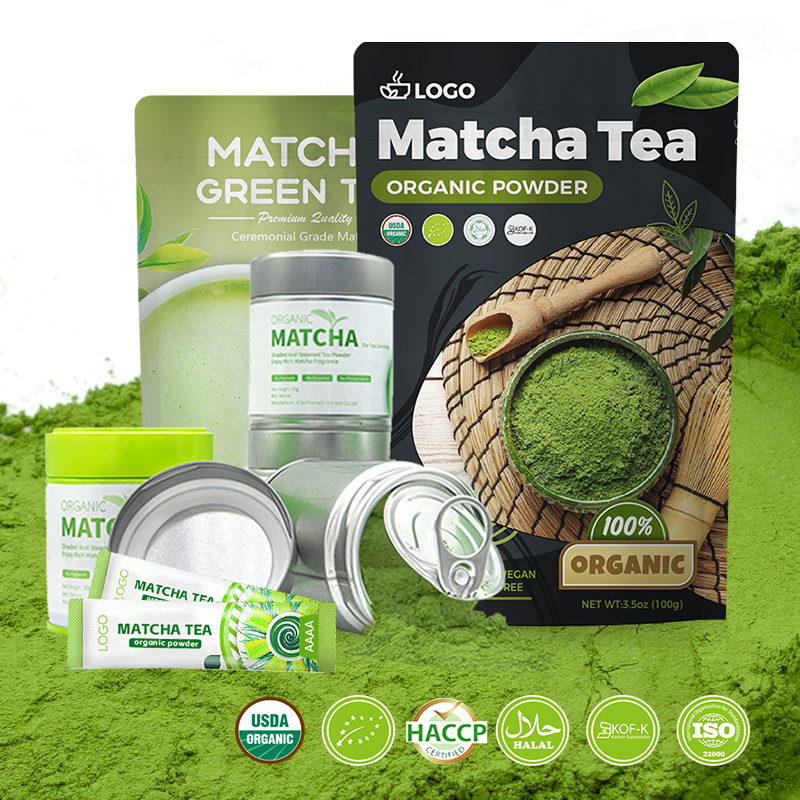
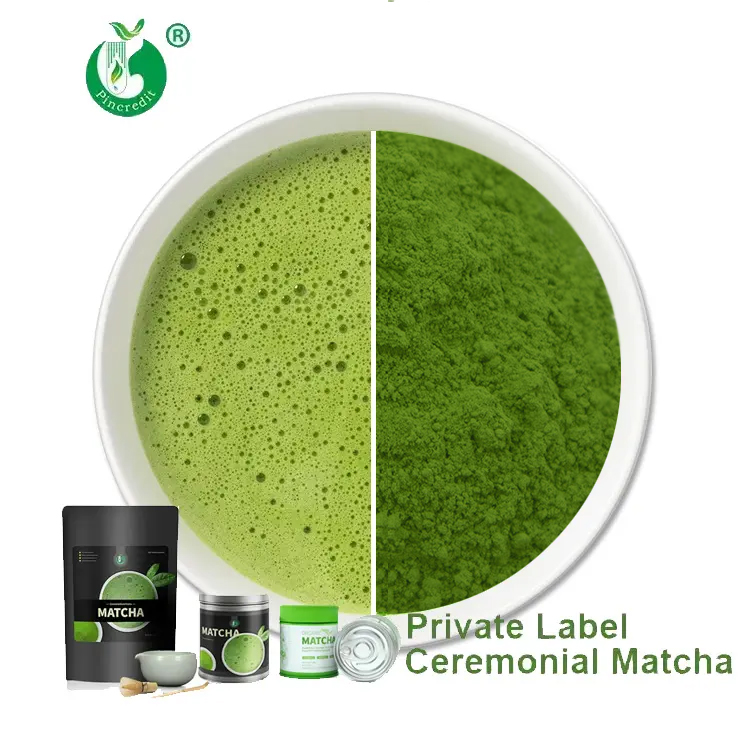
For our core standardized botanical powders, plant extracts, ceremonial matcha, and specialty natural colorants, our baseline factory MOQ is set at just 1 kg. This low entry threshold is specifically designed to facilitate formulation validation, laboratory pilot bench trials, and regulatory registration runs. Larger bulk lines—such as hydrolyzed marine collagen peptides (MOQ 25 kg), pure D-allulose sweetener bulk (MOQ 50 kg), and commodity sports actives (MOQ 500 kg)—operate on production scales optimized to deliver the most competitive metric-ton pricing.
How does your extraction process guarantee the removal of surface agrochemicals?
Because fruit rinds and plant peels accumulate agricultural residues, our production pipeline integrates a multi-step purification framework. Raw raw botanicals first undergo high-pressure turbulent fluid washing to eliminate superficial residues. Following primary extraction, the liquid phase is passed through polymeric adsorption chromatography columns. The targeted phytochemicals (such as bioflavonoids or anthocyanins) bind reversibly to the matrix, while hydrophilic agrochemical residues and contaminants are washed to waste. Subsequent food-grade ethanol elution yields an active isolate compliant with strict EU and FDA pesticide MRL thresholds.
What commercial trade terms and international currencies are supported?
We offer transparent, flexible commercial terms to suit multinational brands and regional distributors. Supported delivery terms include EXW, FOB (Shanghai/Qingdao/Shenzhen), CFR, CIF, FCA, and comprehensive DDP (Delivered Duty Paid) door-to-door terms handling all customs clearance and import tariffs directly in the United States, European Union, Australia, and Canada. We process contracts in 9 major global currencies: USD, EUR, GBP, CAD, AUD, JPY, CHF, HKD, and CNY, supporting secure settlement via T/T, Letter of Credit (L/C at sight), D/P, PayPal, Western Union, and Escrow facilities.
Can you support custom mesh sizes, agglomeration, and private label packaging?
Yes, our facility operates dedicated cleanroom pulverization and automated packaging suites. We routinely calibrate fine particle sizing from coarse 60 mesh granules (optimal for high-speed tablet pressing and capsule filling) up to ultrafine 450 mesh microfine powders (essential for instantaneous beverage suspension and smooth mouthfeel). Additionally, our contract OEM service delivers retail-ready private labeling: hermetic foil bags, nitrogen-flushed tins, tamper-evident jars, stick packs, and customized bulk lined fiber drums.
How are samples requested, and what documentation accompanies them?
Qualified R&D, quality assurance, and procurement teams can request free technical evaluation samples (typically 50g to 100g) directly by contacting our commercial sales desk. Every evaluation sample is pulled from real commercial inventory and is shipped alongside its corresponding lot-specific Certificate of Analysis (COA), Technical Data Sheet (TDS), Safety Data Sheet (SDS/MSDS), and allergen declaration, allowing QA teams to cross-verify sensory, solubility, and assay standards before ordering.
Request Complete Technical Specifications & Factory Pricing
Connect directly with our analytical chemistry and supply chain team. Get access to comprehensive batch test reports, regulatory documentation sets, and customized contract manufacturing quotes.
Get Catalog