Featured Botanical Powders & Natural Pigment Extracts
Engineered for industrial beverage blending, nutraceutical encapsulation, premium confectionery tinting, and cosmetic emulsification. Direct factory pricing with full analytical documentation.
1. Executive Whitepaper: The Global Anthocyanin Extract Factory Landscape
Anthocyanins represent the premier class of water-soluble, non-toxic flavonoid pigments responsible for the brilliant red, purple, violet, and deep-blue hues observed throughout the botanical kingdom. In modern industrial manufacturing, anthocyanin extract factory operations have evolved far beyond conventional water-steeping. Today, selecting a top trusted anthocyanin extract factory demands a rigorous technical audit spanning raw agricultural provenance, solvent polarity optimization, flash vacuum concentration, membrane ultrafiltration, and protective microencapsulation matrices.
As consumer vigilance regarding artificial petroleum-derived synthetic colorants (such as FD&C Red #40 and Allura Red AC) continues to surge worldwide, enterprise food and beverage formulators, nutraceutical capsule brands, and cosmetic laboratories face aggressive mandates to adopt clean-label alternatives. However, replacing synthetic pigments with natural anthocyanins introduces intricate biochemical hurdles: susceptibility to pH-mediated structural shifts, thermal degradation during UHT pasteurization, photodegradation under retail fluorescent lighting, and oxidative bleaching in high-water-activity formulations.
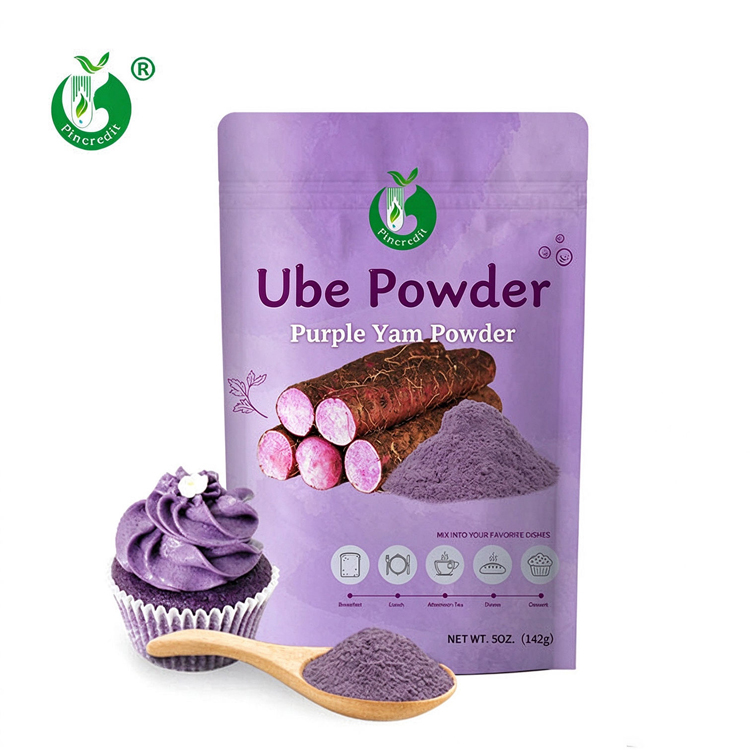
A world-class manufacturing partner acts not merely as a toll processor, but as an applied phytochemistry collaborator. Through dedicated research hubs and automated processing sites across Shaanxi—China's botanical extraction epicenter—our audited production facilities deliver standardized anthocyanin powders and botanical colorants derived from Dioscorea alata (Purple Yam/Ube), Vaccinium myrtillus (Bilberry), Oryza sativa (Black Rice), Clitoria ternatea (Butterfly Pea), and Aronia melanocarpa (Black Chokeberry), guaranteeing batch-to-batch chromatographic reproducibility and rock-solid regulatory compliance.
2. Chromatographic Assay Standardization: UV-Vis vs. HPLC-DAD Testing
One of the most ubiquitous procurement pitfalls in botanical sourcing is the discrepancy between analytical quantification methods. Conventional commercial suppliers frequently report anthocyanin content utilizing simple UV-Vis spectrophotometry based on the pH-differential method (AOAC Official Method 2005.02). While cost-effective, UV-Vis is prone to dramatic overestimation due to optical interference from non-target polyphenolic fractions, polymeric brown tannins, and degraded Maillard reaction intermediates.
Xi'an Vexli Bio-Tech enforces rigorous High-Performance Liquid Chromatography coupled with Diode Array Detection (HPLC-DAD) alongside calibrated UV-Vis benchmarks. HPLC-DAD facilitates precise isolation and quantification of specific anthocyanidin aglycones—including Cyanidin-3-glucoside (C3G), Delphinidin-3-glucoside, Peonidin, Malvidin, and Petunidin. Formulators must verify whether an anthocyanin factory is quoting crude pigment color value (E-value at 520 nm) or active purified aglycone percentage.
| Botanical Source | Predominant Anthocyanin Glycoside | Standard Purity Range | Primary Industrial Applications | Optimal pH Stability Range |
|---|---|---|---|---|
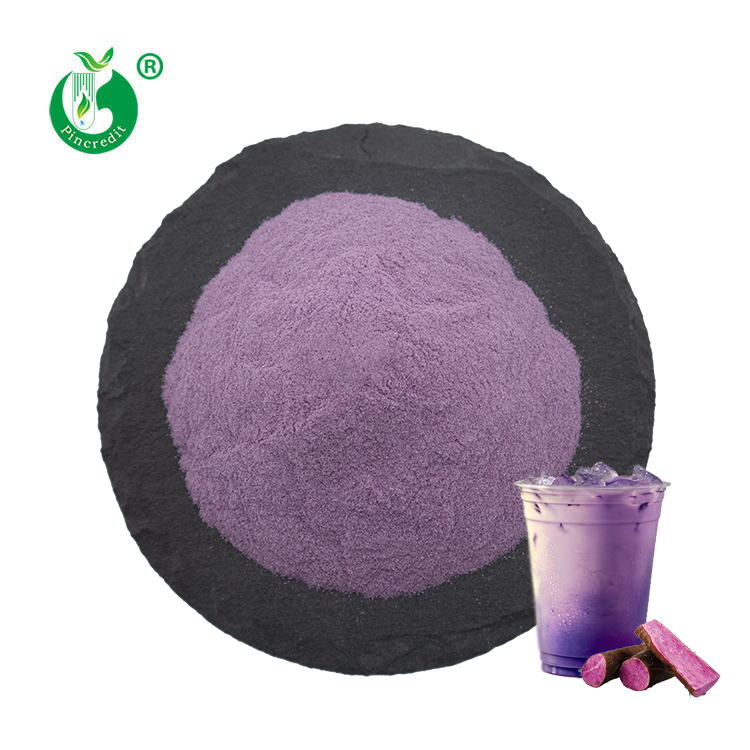
| Purple Yam (Dioscorea alata) | Acylated Cyanidin & Peonidin Glucosides | Food Grade Pure / 5% - 25% Extract | Bakery, Instant Lattes, Ice Creams, Confectionery | pH 2.5 - 6.5 (High Heat Resistance) |
| European Bilberry (Vaccinium myrtillus) | Delphinidin, Cyanidin & Malvidin 3-O-Glucosides | 15% - 36% Anthocyanins (HPLC) / 25% (UV) | Ophthalmic Dietary Supplements, Nootropic Blends | pH 2.0 - 4.2 (Capsule & Softgel Matrix) |
| Black Rice (Oryza sativa L. indica) | Cyanidin-3-O-Glucoside (C3G > 80% of total) | 5% - 25% C3G (HPLC) | Cardiovascular Nutrition, Functional Beverage Premix | pH 2.2 - 4.5 (Antioxidant Fortification) |
| Butterfly Pea (Clitoria ternatea) | Ternatins (Polyacylated Delphinidins) | 450 Mesh Micro-Fine / Extract Concentrate | pH-Responsive Cocktails, Clean Blue Beverages | pH 3.0 - 8.0 (Striking Blue to Violet Shift) |
| Purple Sweet Potato (Ipomoea batatas) | Acylated Peonidin & Cyanidin Sophora-glucosides | Color Value E10 - E80 (530 nm) | Extruded Cereals, Yogurt Tinting, Plant-Based Meat | pH 2.5 - 6.0 (Superior Light Fastness) |
For custom extraction parameters, particle micronization (ranging from 80 mesh up to 450 mesh superfine dispersion), or tailor-made spray drying formulations with maltodextrin, gum acacia, or resistant dextrin carriers, connect directly with our engineering lab: Send an Inquiry.
3. Future Sourcing Trends: What Enterprise Procurement Must Anticipate (2025–2030)
Global procurement teams navigating the botanical ingredients domain must adapt to dynamic supply chain variables, stringent legislative pressures, and emerging functional ingredient cross-pollination. Our supply intelligence identifies four pivotal trends dictating the next procurement cycle:
Accelerated Phase-Out of Synthetic Pigments
Global regulatory bodies (EFSA, US FDA state bans on Red 3, Health Canada) are imposing rigorous restrictions on artificial petroleum colorants. This drives industrial migration toward acylated anthocyanins capable of mirroring synthetic red shades without formulation fallout.
Demand for Acylated Polymeric Stability
Unacylated anthocyanins (e.g., standard fruit juices) rapidly degrade under heat and neutral pH. Enterprise buyers now prioritize acylated anthocyanin variants—such as purple yam, purple carrot, and red cabbage—where organic caffeic and ferulic acids shield the flavylium cation.
Stringent Heavy Metal & Pesticide Traceability
Stricter destination customs mean bulk shipments must clear multi-residue screening (BS EN 15662) for over 500 pesticide entities. Top trusted factories integrate origin-contract farming to eradicate heavy metal lead (Pb), cadmium (Cd), arsenic (As), and mercury (Hg) bioaccumulation.
Direct Contract Farming vs. Spot Market Volatility
Volatile climate conditions disrupt berry harvests. Industrial buyers are shifting away from spot market procurement toward long-term factory supply agreements backed by dedicated raw agricultural bases, ensuring invariant cost stability and assured container volume availability.
Synergistic Nutraceutical Formulations
Anthocyanins are rarely consumed in isolation. Modern supplement manufacturers compound anthocyanin-rich extracts with cellular longevity actives (NMN, NAD+, NR), collagen peptides, and botanical adaptogens (Mushroom Extracts) for holistic multi-target vitality products.
Low-MOQ Private Label Customization
Emerging DTC brands require agility. Leading manufacturing partners maintain dynamic secondary packaging lines—allowing turnkey custom tins, nitrogen-flushed pouching, and retail-ready sachet packaging starting from realistic pilot MOQs of just 1 kg up to full maritime FCLs.
4. Technological Breakthroughs: Overcoming Chemical Instability in Industrial Processing
At the molecular level, anthocyanins exist in a dynamic structural equilibrium dependent on surrounding pH, temperature, co-solvents, and oxygen exposure. In acidic conditions (pH 1.0 - 3.0), the compound predominates as the intensely colored, red flavylium cation. As pH elevates toward neutral (pH 5.0 - 7.0), rapid hydration shifts the molecule into a colorless carbinol pseudo-base and an unstable chalcone form, terminating in irreversible hydrolytic ring cleavage into syringic or protocatechuic acid.
To overcome these engineering obstacles, our partnered extraction and finishing lines deploy four proprietary technological protocols:
A. Low-Temperature Vacuum Evaporation & Falling Film Concentration: Thermal degradation exponentially accelerates above 60°C. By deploying advanced low-temperature vacuum concentrators, volatile botanical aromas and heat-vulnerable polyphenol linkages are fully preserved without scorching or caramelization.
B. Intermolecular Copigmentation Enhancement: Through stoichiometric blending with uncolored polyphenolic co-factors (such as rosemary extract, ferulic acid, or amino acid chelates), we induce vertical π-π stacking between the flavylium nucleus and the copigment. This shields the chromophore against nucleophilic water attack, widening the chromatic shelf life by up to 300% in beverage matrices.
C. Microencapsulation Spray Drying: Utilizing high-pressure two-fluid nozzle atomizers in our sanitary spray towers, aqueous anthocyanin concentrates are rapidly encapsulated within tailored polymeric carriers. This micro-shield creates an impermeable barrier against ambient moisture, UV light degradation, and oxidative oxygen transmission.
D. Patented Extraction Devices: Operating under Chinese utility model patent No. 14520048 (Plant extract extraction device) and proprietary extraction protocols, our processing yields achieve higher active retention while dramatically eliminating energy footprints and hazardous solvent residues.
5. Xi'an Vexli Bio-Tech: Enterprise Manufacturing Infrastructure & Quality Credentialing
Headquartered in Xi'an, Shaanxi Province, China—surrounded by the vast biological wealth of the Qinling Mountains—Xi'an Vexli Bio-Tech Co., Ltd. (Pincredit) has engineered an integrated manufacturing, research, and global export framework spanning over 12 years of botanical excellence. Our operational pedigree includes:
On-Site SGS Verified Facility
Our 1,250 m² facility, warehousing infrastructure, and sanitary production workshops undergo rigorous on-site supplier verification and qualification audits conducted by SGS.
International Food Safety Certifications
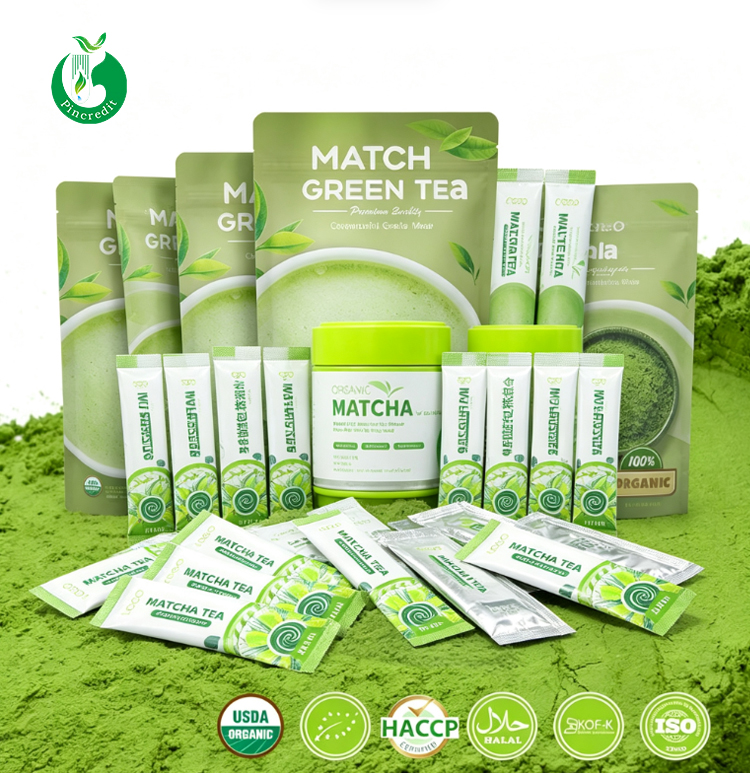
Accredited with ISO 22000, HACCP, USDA Organic, EU Organic, Halal, and Kosher certifications, providing seamless customs clearance across 30+ countries worldwide.
Advanced In-House Testing Laboratory
Equipped with Agilent HPLC-DAD, Gas Chromatography (GC for residual solvents), UV-Vis Spectrophotometers, loss-on-drying moisture analyzers, and complete microbiology incubation benches.
Fortune 500 Trusted Supplier
Proud contract manufacturing partner to global Fortune 500 nutritional enterprises, consumer brands, and pharmaceutical intermediate formulators across North America and Europe.
Proven Export Scale ($29.5M+)
Annual export value exceeding US$29.5M, supported by a validated network of 25 audited partner production lines ensuring uninterrupted commercial volume stability.
Full Customization & Low MOQs
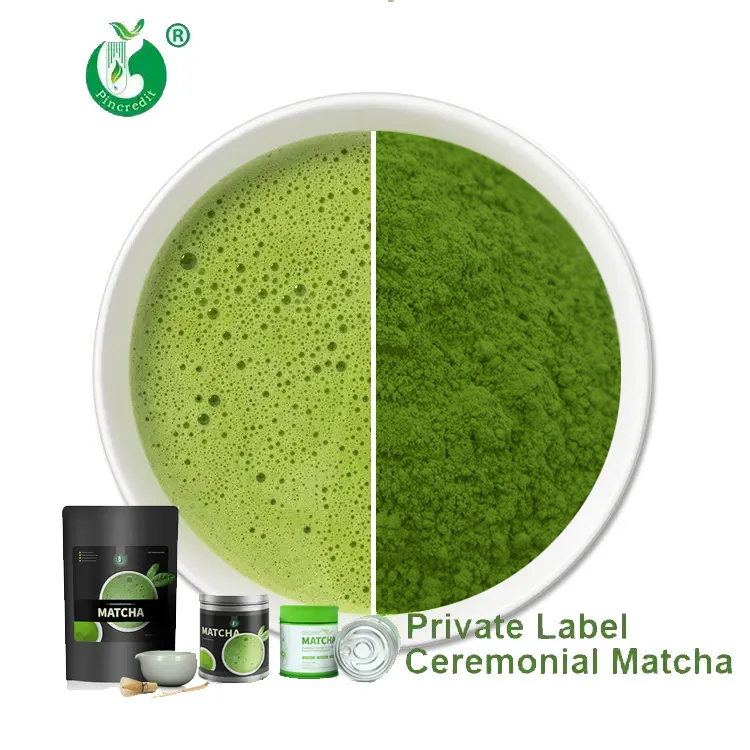
From design-based retail packaging (tins, stand-up pouches, sachets) to bespoke mesh sizes (80 to 450 mesh), we offer full private label support starting from just 1 kg.
6. Technical Procurement FAQ: What B2B Buyers Ask Our Lab
Procuring bulk natural plant extracts requires complete transparency. Below are the precise technical queries our analytical chemistry and sales operations address daily:
Q1: What is the primary factor dictating anthocyanin shade stability?
A: pH is the absolute primary variable. Below pH 3.8, anthocyanins showcase brilliant red and pink tones. Between pH 4.0 and 6.0, hues drift toward violet, purple, and deeper magenta. Above pH 7.0, blue tones appear but become highly vulnerable to oxidative fading. For higher-pH applications, we recommend acylated purple yam or copigmented matrices.
Q2: What is your standard Minimum Order Quantity (MOQ)?
A: We accommodate both emerging pilot runs and industrial bulk programs. Our standard MOQ for catalog anthocyanin powders, purple yam ube powder, and functional botanical extracts begins at just 1 kg. Bulk contract pricing activates at 25 kg fiber drums, with full commercial discounts for metric-ton FCL shipments.
Q3: Which documents are provided with each commercial shipment?
A: Every production batch is delivered alongside an authentic, lot-specific Certificate of Analysis (COA) detailing physical appearance, particle mesh, moisture, total ash, active assay (HPLC/UV), heavy metals (Pb, As, Cd, Hg), and full microbiological plate counts. Technical Specification Sheets, MSDS, Organic Transaction Certificates, and SGS BS EN 15662 pesticide reports are issued upon request.
Q4: How do you address pesticide residues for European Union importation?
A: Products destined for the EU undergo comprehensive pesticide multi-residue screening accredited to BS EN 15662, tested via third-party ISO 17025 laboratories (such as SGS or Eurofins). This guarantees compliance with strict European Commission Maximum Residue Limits (MRLs).
Q5: Can you provide turn-key OEM private label packaging?
A: Absolutely. In addition to commercial 25 kg fiber drums, our automated secondary cleanrooms handle custom tin can packaging, nitrogen-flushed barrier zipper pouches, glass jars, and single-serve sachet stick packs with buyer-specified private branding, barcode integration, and batch coding.
Q6: What delivery terms and payment currencies do you support?
A: We operate across versatile Incoterms including EXW, FOB, CFR, CIF, FCA, and full door-to-door DDP (inclusive of import customs clearance and duties). We accept payment via T/T, L/C, D/P, Credit Card, PayPal, and Escrow in USD, EUR, GBP, CAD, AUD, JPY, CHF, HKD, and CNY.
Accelerate Your Formulation With Verified Factory Supply
Submit your target chromatographic assay, mesh size specification, destination market compliance requirements, and annual volume. Our technical R&D engineering team will reply within 12 hours with customized quotes, COA references, and complimentary lab sample dispatches.
Send an Inquiry