Organic Certified
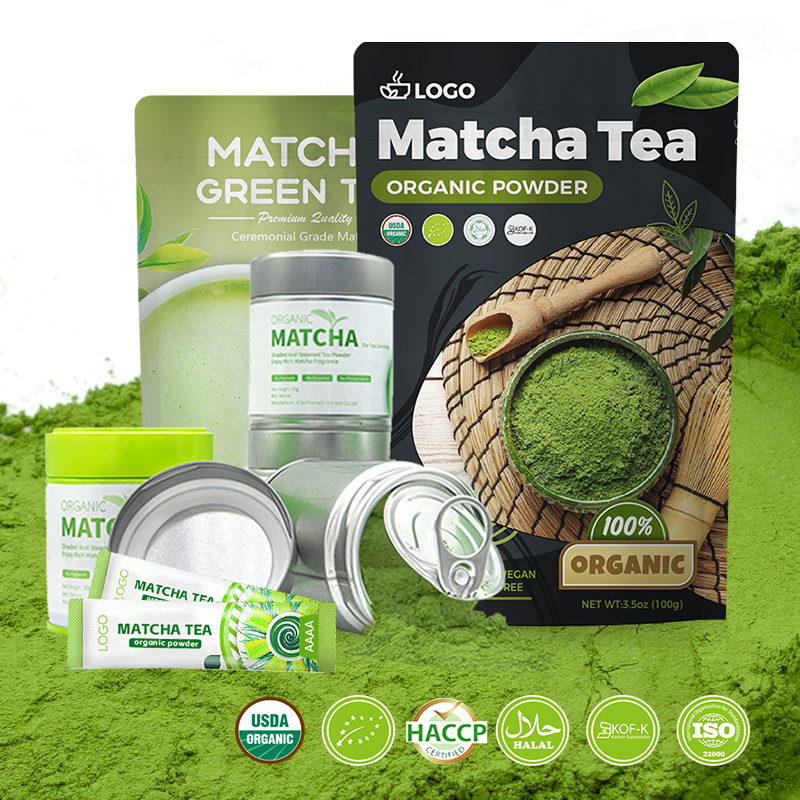
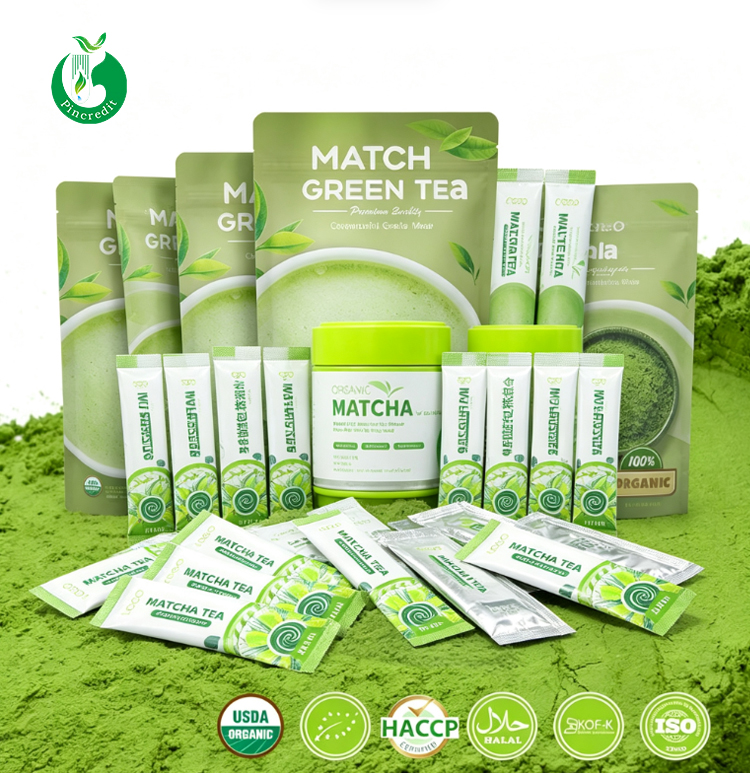
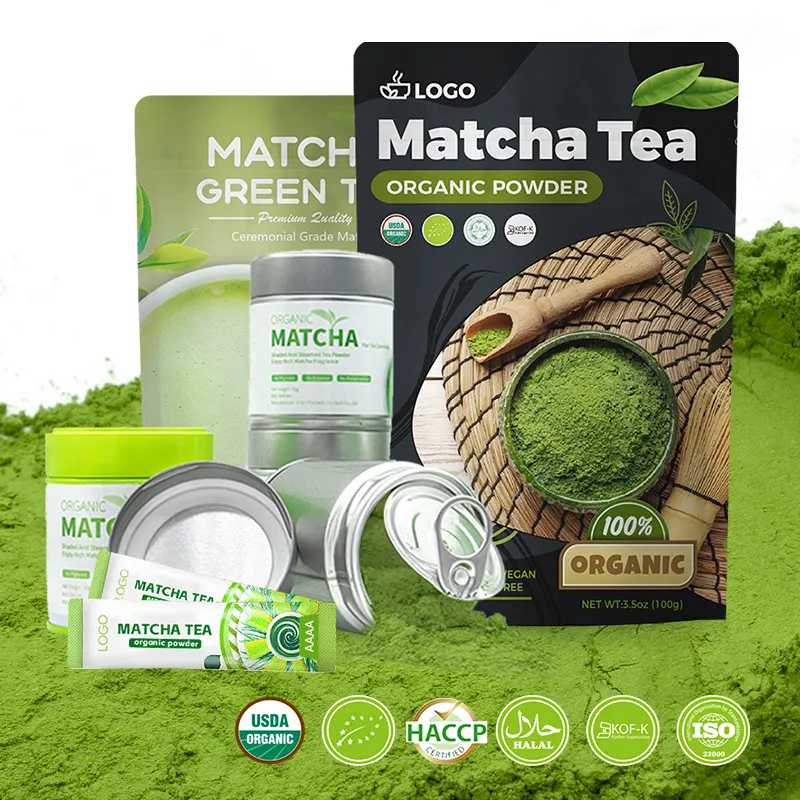
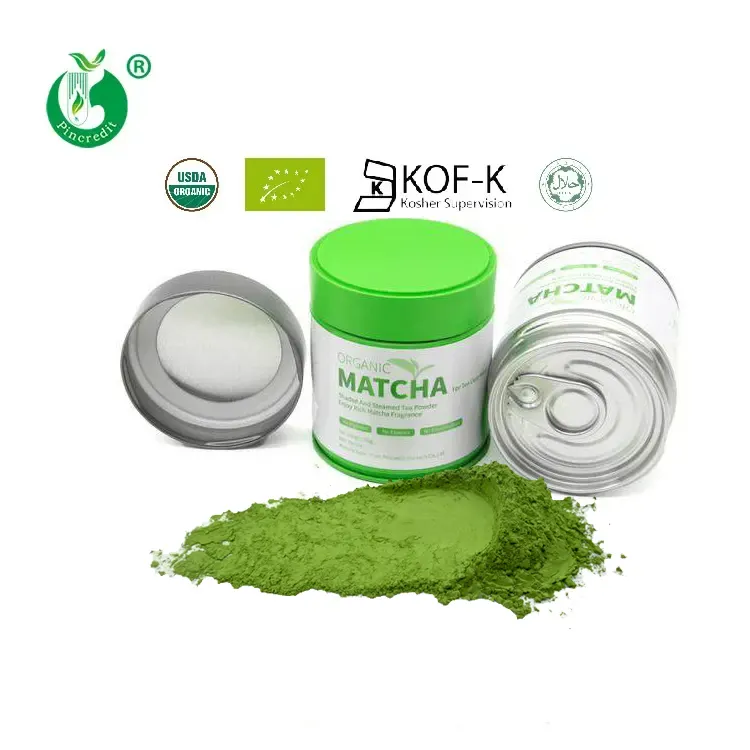
Pincredit Free Sample Private Label Organic Green Tea Ceremonial Matcha Powder
USDA / EU Organic
1000+ Mesh
Rich L-Theanine
Derived from primary cultivation bases across Shaanxi and verified partner facilities, each active undergoes rigorous batch inspection, meeting stringent US, EU, and Japanese monograph standards.
Formulating lipophilic botanicals requires resolving complex thermodynamic stability, oxidation vulnerability, and intestinal transport limitations. Here is how modern Chinese manufacturing solves these challenges.
Traditional solvent extraction utilizing hexane or ethanol frequently leaves trace chemical impurities and degrades thermolabile terpenoids. By exploiting supercritical carbon dioxide (scCO₂) at pressures between 200 and 350 bar and controlled temperatures (35°C–45°C), we isolate non-polar fractions such as carnosic acid, astaxanthin, and phytosterols without solvent residues, preserving native isomeric structures.
The physiological uptake of lipophilic extracts depends on the digestive formation of mixed micelles. We offer standardized botanical oleoresins stabilized in medium-chain triglycerides (MCT), high-oleic sunflower oil, or organic virgin olive oil. Furthermore, for self-microemulsifying drug delivery systems (SMEDDS), our R&D team customizes surfactant-oil ratios to enhance oral absorption up to 400%.
Lipid-soluble active constituents such as polyunsaturated fatty acids, lycopene, and carotenoids are prone to auto-oxidation. Our manufacturing incorporates natural mixed tocopherols and oil-soluble rosemary carnosic acid, monitored via automated Rancimat stability testing. This protocol ensures a Peroxide Value (PV) below 5 meq/kg throughout the guaranteed 24-month unopened shelf life.
| Phytochemical Active | Predominant Source | Assay / Standardization | Carrier / Physical State | Target Formulations |
|---|---|---|---|---|
| Carnosic Acid (Rosemary) | Rosmarinus officinalis L. | 5% to 25% by HPLC | MCT / Sunflower Oil Liquid | Natural preservative for edible oils, meat curing, omega-3 softgels |
| Natural Astaxanthin | Haematococcus pluvialis | 5% to 10% Oleoresin | Natural Microalgal Lipids | Mitochondrial energy softgels, dermal anti-photoaging oil serums |
| Lutein & Zeaxanthin Esters | Tagetes erecta L. (Marigold) | 10% to 20% by HPLC | Refined Safflower / Olive Oil | Macular health dietary supplements, lipid-based functional gummies |
| Salvia Miltiorrhiza Lipophilic Acids | Salvia miltiorrhiza (Danshen) | Tanshinone IIA ≥10%–50% | Purified Oleoresin Paste | Cardiovascular wellness nutraceuticals, lipophilic cosmeceuticals |
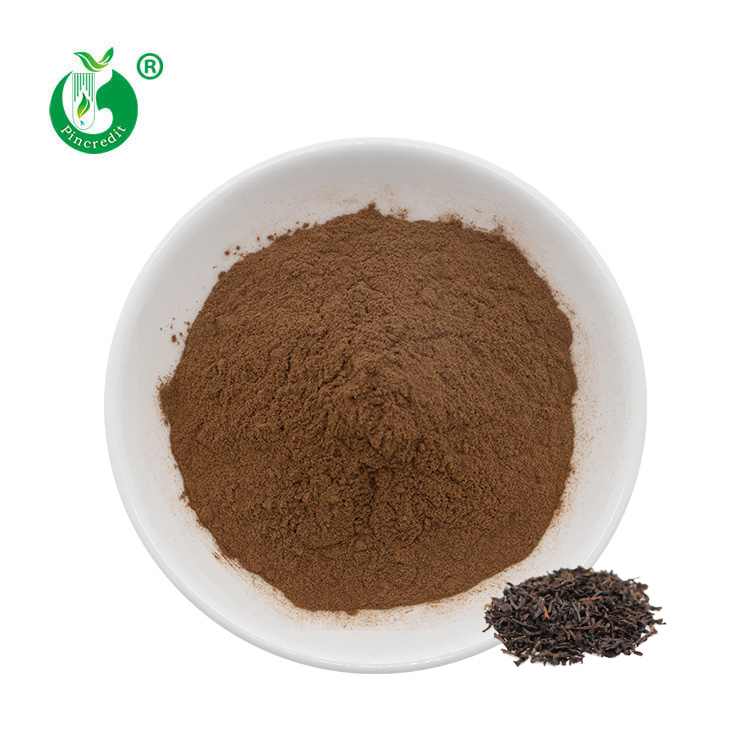
| Oil-Dispersible Polyphenols | Camellia sinensis (Tea catechins) | EGCG ≥50% Micro-emulsion | Phospholipid Complex (Phytosome) | Lipophilic anti-inflammatory cosmetic balms, lipid topical delivery |
Shaanxi Province represents the geographic and scientific heart of Chinese botanical chemistry. Combining origin-direct raw harvesting with audited manufacturing lines, our company eliminates intermediary markups and supply volatility.
Our raw herb material is harvested directly at origin across established agricultural co-ops, safeguarding botanical authenticity and guaranteeing raw material purity prior to factory entry.
Verified through rigorous third-party auditing by SGS, certifying our workshop layout, automated sanitary extraction lines, packaging cleanrooms, and occupational safety.
Full regulatory compliance portfolio: ISO 22000, HACCP, USDA Organic, EU Organic, Halal, and Kosher certifications, providing streamlined customs release worldwide.
Holder of state invention patents (e.g., ZL 2014 1 0464649.9) and utility model patents (No. 14520048) covering continuous extraction kinetics and aldehyde purification.
Demonstrated capability to meet multi-ton delivery schedules, standardized lot-to-lot tolerances, strict supplier codes of conduct, and audited environmental ESG criteria.
From 1kg pilot batches for R&D trials to container shipments under DDP, FOB, and CIF terms, complete with specialized air and sea IATA DGR and IMDG non-hazardous documentation.
Procurement executives face changing international regulatory environments, rising clean-label consumer mandates, and the imperative for supply chain transparency. These four macro-trends will dominate plant extract sourcing over the next five years.
Regulatory tightening across the EU (Regulation EC 396/2005) and California Proposition 65 has triggered widespread audits of petrochemical solvent residues. Buyers are aggressively shifting purchase specs from conventional hexane/acetone oleoresins to scCO₂ green-extracted concentrates or ethanol-purified extracts, prioritizing zero-VOC footprints on every incoming COA.
Water-soluble botanical extracts frequently display limited cellular uptake, while raw lipid oils often destabilize in water-based functional beverages. The development of phospholipid-bound polyphenols (phytosomes) and transparent nano-emulsions enables oil-soluble botanical actives to dissolve seamlessly into crystal-clear beverages and lightweight cosmetic essences without phase separation.
Sustainability directives require manufacturers to reduce carbon intensity throughout formulation lifecycles. Leading procurement managers are replacing traditional refined palm-derived MCT oils with zero-waste, cold-pressed seed oils—such as upcycled pomegranate seed oil, hemp seed oil, or camellia oil—transforming the carrier medium from an inert excipient into a synergistic active.
Economic adulteration—such as spiking natural botanical oleoresins with synthetic carnosic acid, synthetic astaxanthin, or unauthorized colorants—has made routine HPLC assay insufficient. Enterprise supply agreements now require isotopic ratio mass spectrometry (IRMS) and DNA identification to verify natural botanical genesis and precise regional provenance.
Two botanical extracts labeled "Carnosic Acid 20%" or "Astaxanthin 10%" can demonstrate vastly different behavior in pilot-scale emulsions. Use this technical checklist when auditing vendor documentation.
Always verify whether active concentrations are measured via reverse-phase HPLC with certified USP reference standards or by less selective UV spectrophotometry. UV testing often artificially inflates numbers by absorbing non-target degraded fractions, creating significant dosage calculation errors during manufacturing scale-up.
For non-CO₂ processed extracts, verify adherence to USP <467> and EP 5.4 guidelines. Class 1 solvents (e.g., benzene) must be strictly absent (0 ppm), while Class 2 solvents (e.g., methanol, hexane) and Class 3 solvents (e.g., ethanol, ethyl acetate) must be quantitated via headspace Gas Chromatography (GC-FID).
In oil-soluble oleoresins, high Acid Values (AV > 5.0 mg KOH/g) indicate lipid hydrolysis, while elevated Peroxide Values (PV > 10 meq/kg) signal auto-oxidation. Request dual-stage Rancimat oxidative stability values at 110°C to guarantee product performance under active thermal blending conditions.
Essential operational details covering minimum orders, custom carrier formulation, multi-residue pesticide limits, and international commercial shipping protocols.
Connect directly with our Shaanxi technical application engineers. Request tailored Certificates of Analysis, order testing samples, or schedule an on-site virtual factory audit today.