Featured Natural Plant Powders & Active Phyto-Compounds
Rigidly authenticated botanical powders manufactured under cGMP and ISO guidelines. Available in commercial wholesale volumes, custom particle millings (80 to 450 mesh), and turnkey OEM private label formats.
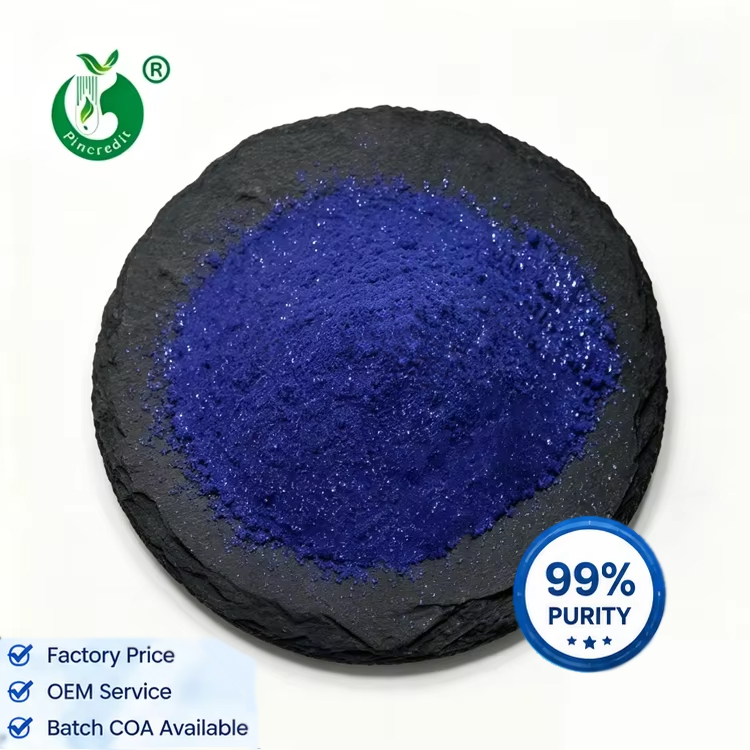
Raw GHK-Cu Blue Copper Peptide Powder 99%
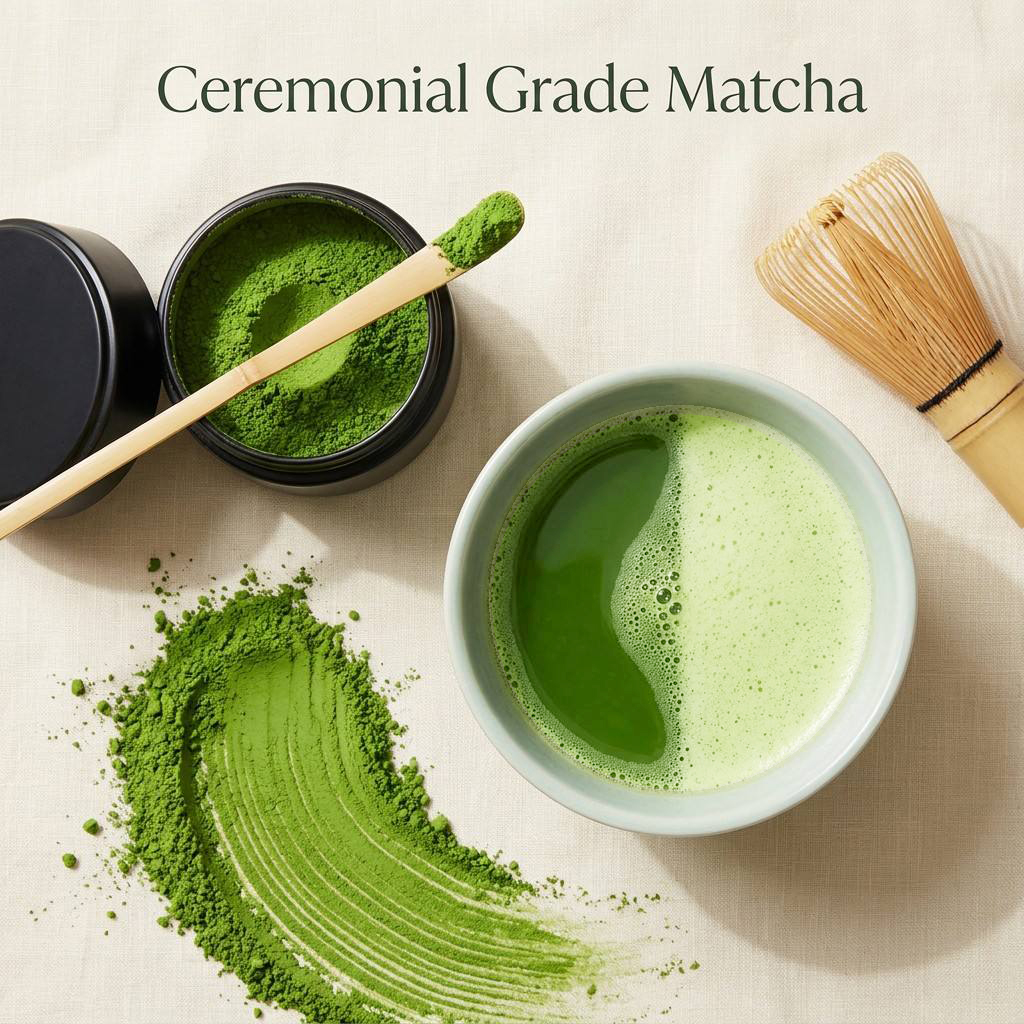
USDA Organic Ceremonial Grade Matcha (A-7A)
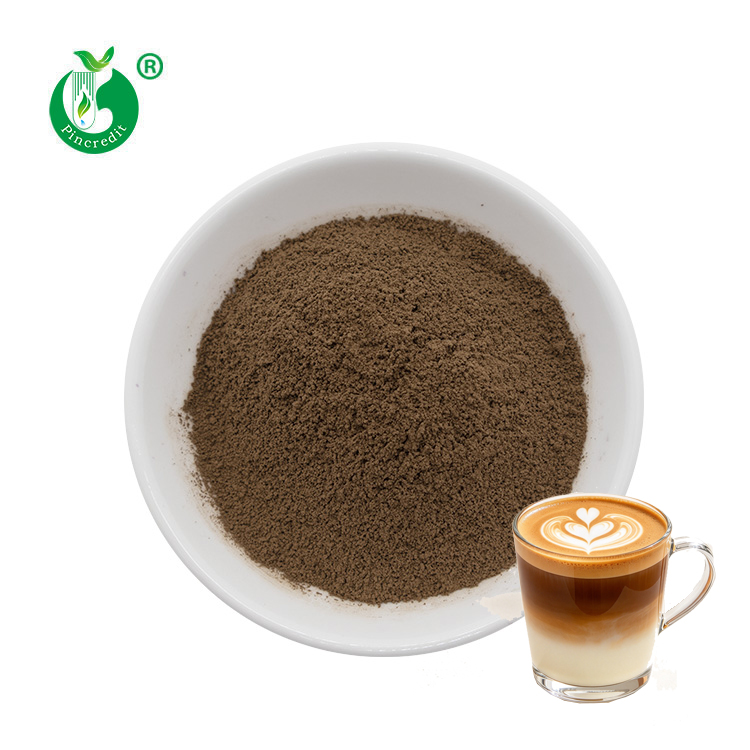
Organic Roasted Hojicha Tea Powder
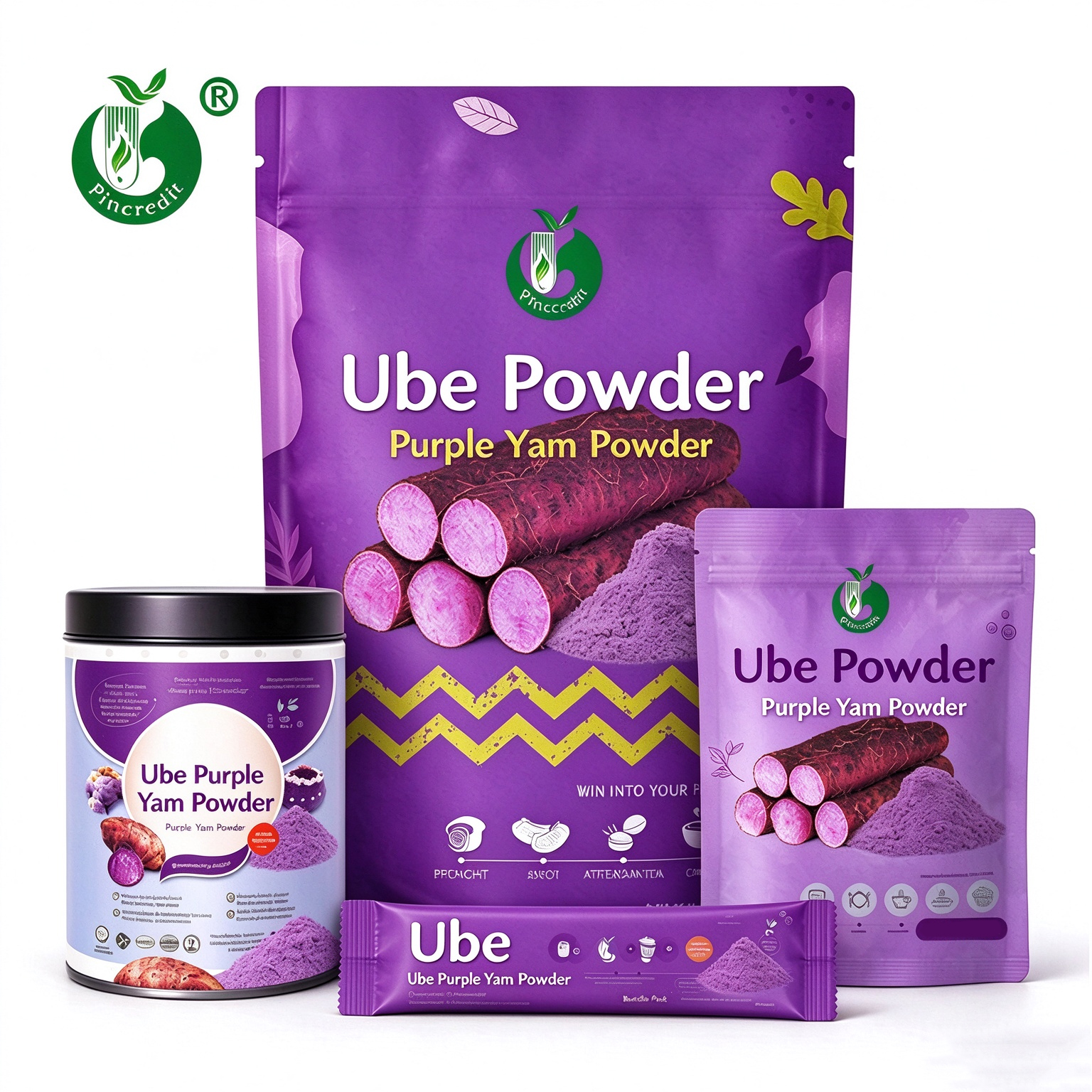
Dioscorea Alata Purple Yam (Ube) Powder
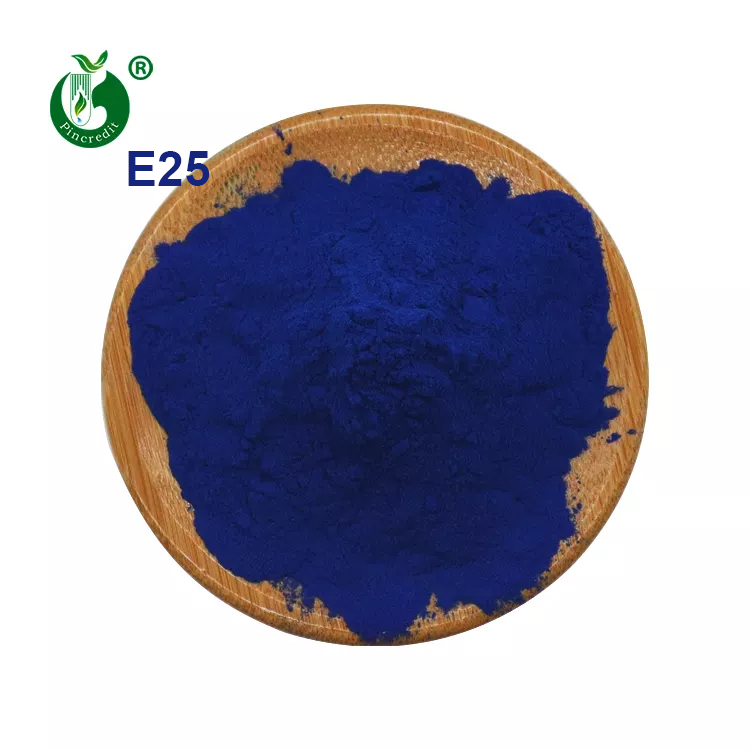
Blue Spirulina Extract Phycocyanin E25 Powder
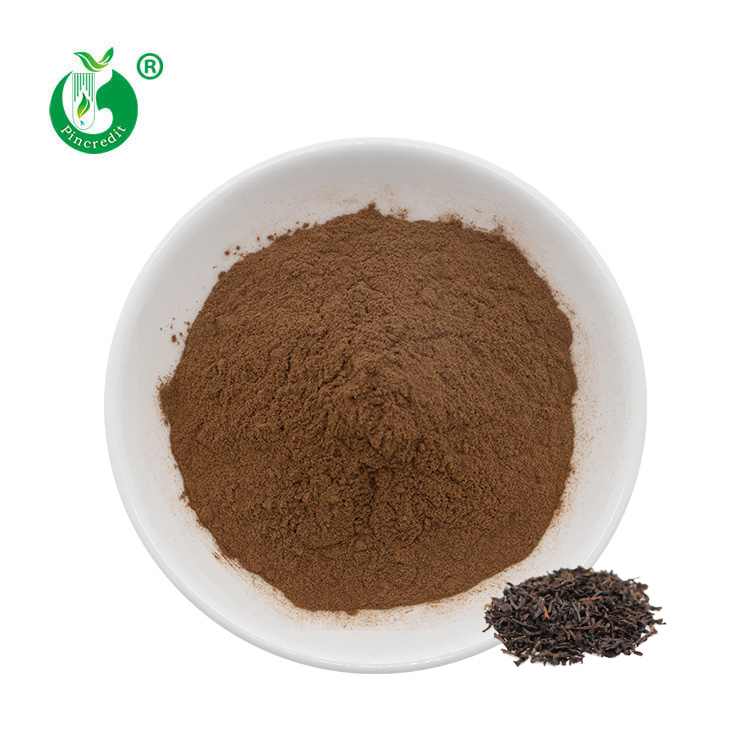
Water-Soluble Instant Black Tea Powder
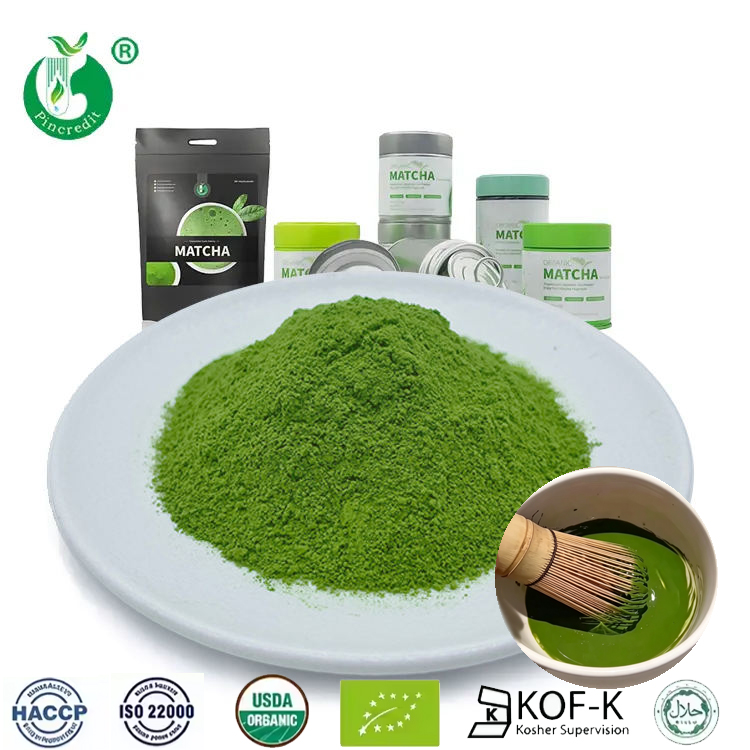
Organic Ceremonial Grade Matcha (OEM Pack)
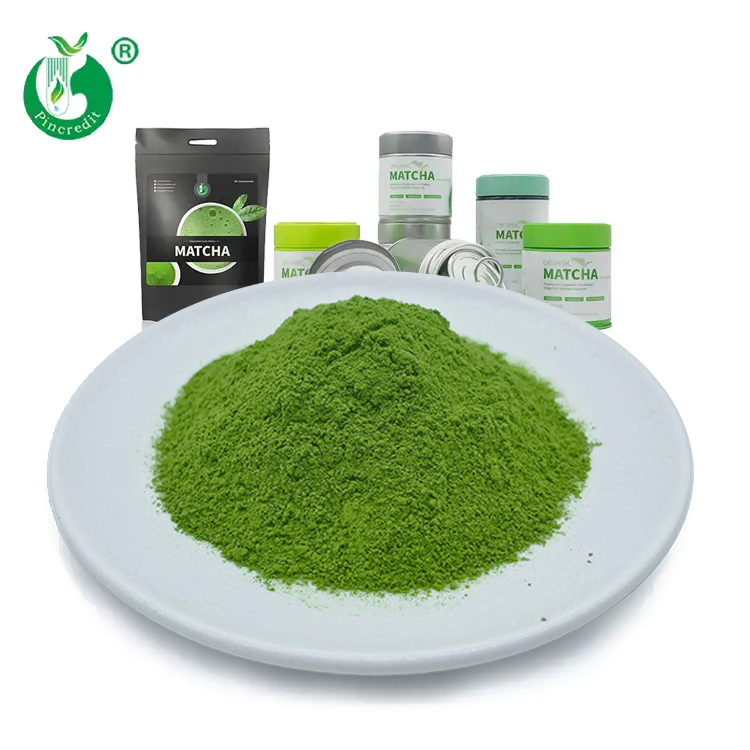
Bulk Natural Culinary Matcha Green Tea Powder
Future Sourcing Trends in the Global Botanical Powder Supply Chain
B2B procurement parameters for botanical extracts and natural powders have shifted radically from simple spot-market price comparison to multidimensional validation, forensic compliance, and molecular traceability.
Forensic DNA Barcoding & Botanical Authentication
Global regulatory bodies (US FDA FSMA, EFSA, UK FSA) now frequently audit incoming natural powders for adulteration and economic substitution. Leading procurement heads no longer accept single-wavelength UV spectrophotometry assays alone. Sourcing mandates now demand orthogonal testing protocols: combining Genomic DNA Barcoding (qPCR/Sanger Sequencing) to confirm plant species taxonomy alongside High-Performance Thin-Layer Chromatography (HPTLC) fingerprinting to eliminate adulteration with synthetic colorants, undeclared carriers, or spent biomass residues.
BS EN 15662 Multi-Residue Pesticide Elimination
Exporting agricultural plant powders into stringent Western zones necessitates total compliance with multi-residue pesticide limits spanning over 500 chemical moieties. Forward-thinking procurement teams require suppliers to manage GAP (Good Agricultural Practice) plantations at source. By controlling cultivation soil chemistry, organic fertilization schedules, and regional drift buffers, certified suppliers consistently clear GC-MS/MS and LC-MS/MS testing under European Commission Regulation (EC) No 396/2005.
Low-Temperature Micro-Milling & Dispersion Kinetics
Next-generation functional beverage, stick-pack, and capsule manufacturing requires superior powder rheology. Buyers are shifting away from rough 80-mesh hammermilled powders in favor of air-classifier milling and cryogenic stone grinding achieving 300 to 1,000 mesh (d90 <15 μm). This preserves heat-labile polyphenols, accelerates dissolution and mouthfeel, avoids sediment flocculation in ready-to-drink (RTD) matrices, and eliminates gritty textures in cosmetic skin creams.
Key Technological Advancements Shaping Plant Powder Manufacturing
The Chinese botanical extraction sector has evolved from labor-intensive decoction workshops into automated, high-precision bioprocessing facilities utilizing membrane isolation, continuous countercurrent extraction, and green solvent matrices.
Subcritical & Supercritical Fluid CO2 Extraction
Traditional thermal evaporation degrades vital heat-sensitive phytochemicals like astaxanthin, terpenes, and polyunsaturated lipids. State-of-the-art processors deploy supercritical carbon dioxide (scCO2) and subcritical water extraction at precise isobaric points, completely eliminating residual chemical solvents while capturing the full thermodynamic bioactivity of the source flora.
Enzymatic Lysis & Ultrasonic Deagglomeration
Extracting high-yield polysaccharides from medicinal mushroom basidiocarps (Lion’s Mane, Reishi, Turkey Tail) historically required hours of high-pressure boiling. Modern enzymatic bioconversion (cellulase/pectinase complexes) combined with ultrasonic cavitation gently breaks refractory fungal chitin walls, doubling beta-glucan bio-accessibility and standardizing high-potency extracts.
High-Resolution Macro-Porous Resin Purification
Industrial scale chromatographic fractionation allows China's premier manufacturers to isolate targeted molecular fractions (such as Mogroside V, GHK-Cu, or Anthocyanins) up to 98%–99% analytical purity. Cross-linked polymeric adsorbent columns ensure clean desorption with food-grade grain ethanol, leaving non-detectable solvent residues conforming to USP <467> Class 3 safety guidelines.
Multi-Stage Cyclonic Spray & Vacuum Freeze Drying
Controlling bulk density, tap density, and moisture balance (≤5.0%) is crucial for continuous high-speed tableting and capsule filling machines. High-capacity, sanitary Niro-type spray drying towers paired with computerized cyclone separators generate consistent hollow microspherical powders with exceptional free-flowing and non-caking properties.
How Procurement Teams Benchmark a Botanical Certificate of Analysis (COA)
Avoid catastrophic customs rejections and product recalls. Below is the quantitative engineering matrix global quality teams should use to evaluate Chinese botanical plant powder consignments.
| Analytical Parameter | Testing Methodology | Acceptance Threshold (EU/US Standards) | Technical Risk & Quality Significance |
|---|---|---|---|
| Phytochemical Assay | Reverse-Phase HPLC / UHPLC-DAD | Specific Active Marker ≥Declared Label Claim (e.g. 99% GHK-Cu, 25% Polyphenols) | UV methods can yield false positives by detecting non-target conjugated double bonds. HPLC confirms actual molecular weight and retention time. |
| Color Value (E-Value) | Spectrophotometry @ target λ (e.g. 620nm for Phycocyanin) | E18, E25, ±5% analytical precision | Directly governs formulation cost-in-use. Higher E-value lowers dosage weight needed to achieve optical target in food and beverage systems. |
| Particle Size (Mesh) | Vibratory Sieve Analysis (ASTM E11) / Laser Diffraction (Malvern) | 80–120 Mesh (Extracts); 300–1000 Mesh (Matcha & Whole Powders) | Determines blending uniformity, dissolution kinetic rate, suspension half-life, and mechanical wear on tableting press punches. |
| Heavy Metals (Pb, As, Cd, Hg) | ICP-MS (Inductively Coupled Plasma Mass Spectrometry) | Pb ≤1.0 ppm, As ≤1.0 ppm, Cd ≤0.5 ppm, Hg ≤0.1 ppm (Strict Prop 65 / EU Limits) | Critical tox-thresholds. Plants bioaccumulate minerals from soil; low-tier suppliers frequently fail cadmium or lead limits in root/algae items. |
| Pesticide Multi-Screen | LC-MS/MS & GC-MS/MS (BS EN 15662 Standard) | <0.01 mg/kg per analyte (EU Default MRL or Organic Compliance) | Non-compliance results in immediate port border detention, rapid alert notifications (RASFF), and compulsory container destruction. |
| Microbiological Bioburden | USP <2021> / <2022> / BAM | TPC ≤1,000 CFU/g, Yeast & Mold ≤100 CFU/g, Salmonella/E. coli Negative/25g | Uncontrolled bioburden causes gas expansion, mold spoilage, off-flavor development, and severe regulatory recalls in finished goods. |
| Residual Solvents | Headspace Gas Chromatography (GC-FID/MS) | Ethanol ≤5,000 ppm; Methanol, Acetone, Hexane strictly under USP <467> Limits | Ensures solvent recovery systems run cleanly. Class 1 carcinogenic solvents must be completely non-detectable at all times. |
Why Global Procurement Officers Source with Xi'an Vexli Bio-Tech
Headquartered in Xi'an, Shaanxi Province—the historical heartland of China's Qinba botanical corridor—Xi'an Vexli Bio-Tech combines native herb direct sourcing with rigorous biotechnology engineering.
Direct Plantation Control & 25 Audited Production Units
Rather than relying on spot brokerage markets subject to seasonal quality volatility, Vexli sources botanicals directly at origin. Across 12+ years of continuous operation, our engineering team has qualified a consortium of 25 partner factories across China, enforcing strict unified SOPs, batch extraction protocols, and raw material qualification before production runs.
- On-Site Verified by SGS: Full on-site third-party factory inspection covering cleanroom hygiene, equipment calibration, and warehousing protocol.
- Fortune 500 Qualified Vendor: Established contract supply history to multinational nutrition, beverage, and skincare conglomerates.
- Proprietary Technology Patents: Holder of Invention Patent ZL 2014 1 0464649.9 and Utility Model Patent No. 14520048 for specialized extraction reactors.
- International Accreditation Array: Fully certified under ISO 22000, HACCP, USDA Organic, EU Organic, Halal, and Kosher regulatory schemes.
In-House Analytical Laboratory Instrumentation
Every single batch produced across our network is validated within our 1,250 m² testing laboratory prior to release. Our analytical infrastructure includes:
Retained counter-samples for every lot are hermetically sealed and archived for a minimum of 36 months to ensure complete post-market traceability.
Frequently Asked Questions for Commercial Buyers
Transparent, practical information addressing commercial terms, quality validation, custom blending, and international export logistics.
- Custom multi-botanical powdered premixes (adaptogenic mushroom blends, supergreens, energy blends).
- Retail formats: composite tin cans (30g, 50g, 100g) with nitrogen flushing, stand-up zip pouches, and single-serve sachet sticks.
- Custom particle size reduction down to 1000 mesh and agglomerated instant-dissolving wet granulation.
Accelerate Your Botanical Ingredient Supply Chain
Looking to optimize batch stability, lower formulation cost-in-use, or develop an organic-certified retail plant powder? Our technical sales engineers respond with full analytical documentation, COAs, and competitive wholesale quotes within 24 business hours.