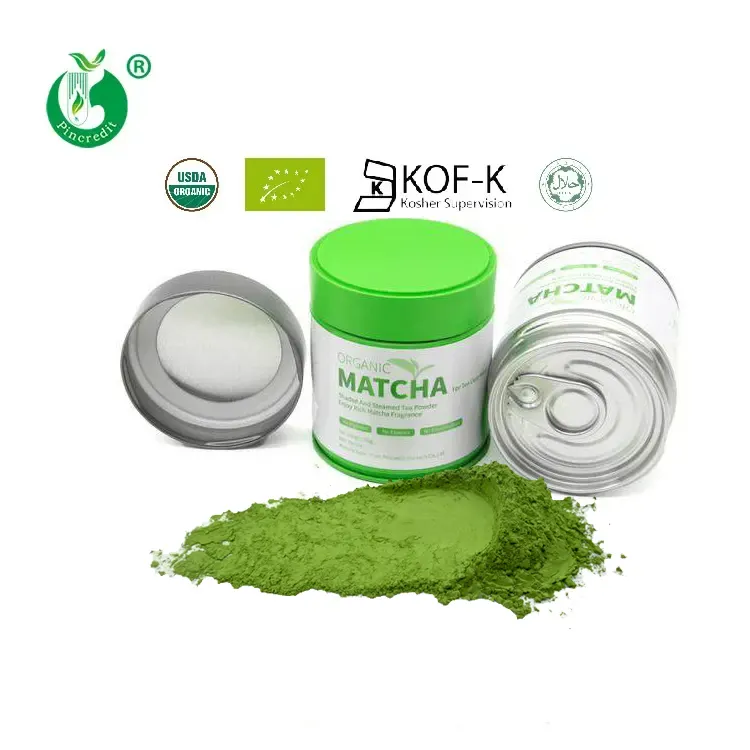
Ceremonial grade stone-milled Japanese clone tea; BS EN 15662 multi-residue clean screen.
MOQ: 1 kg
View Specs →
Rigorous analytical documentation accompanies each production lot. Access batch-specific HPLC certifications, microbial assay sheets, and complete regulatory dossiers across our primary export catalog.
Ceremonial grade stone-milled Japanese clone tea; BS EN 15662 multi-residue clean screen.
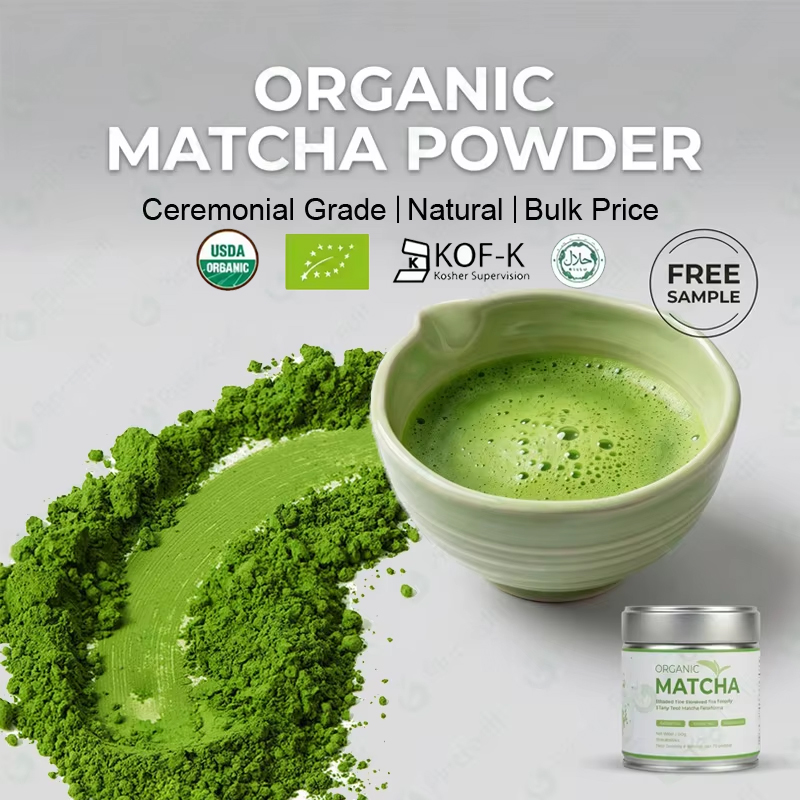
High theanine ratio, certified EU/USDA organic; ideal for functional nutraceutical RTD blends.
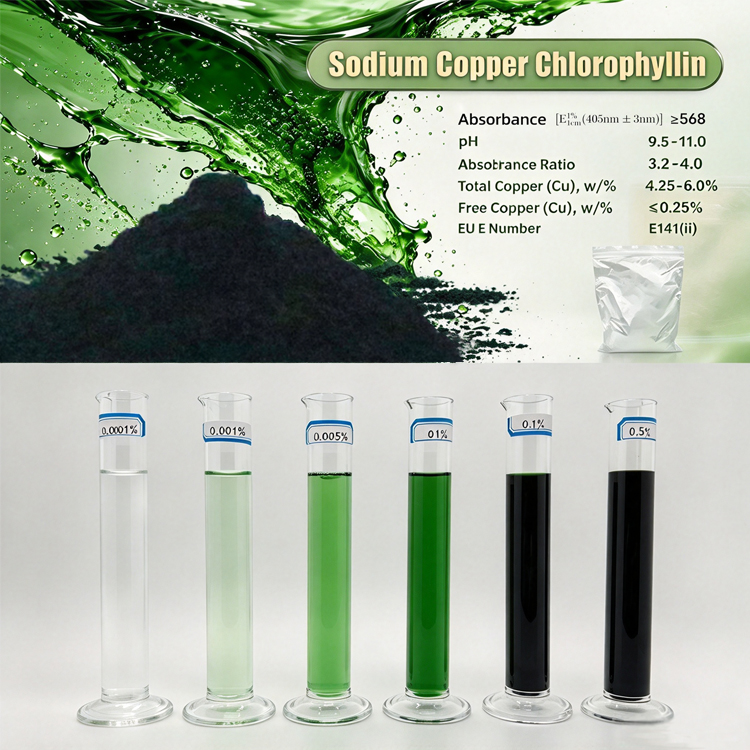
Water-soluble natural green pigment; stable pH 7.0–10.0; pharmaceutical & clean-label grade.
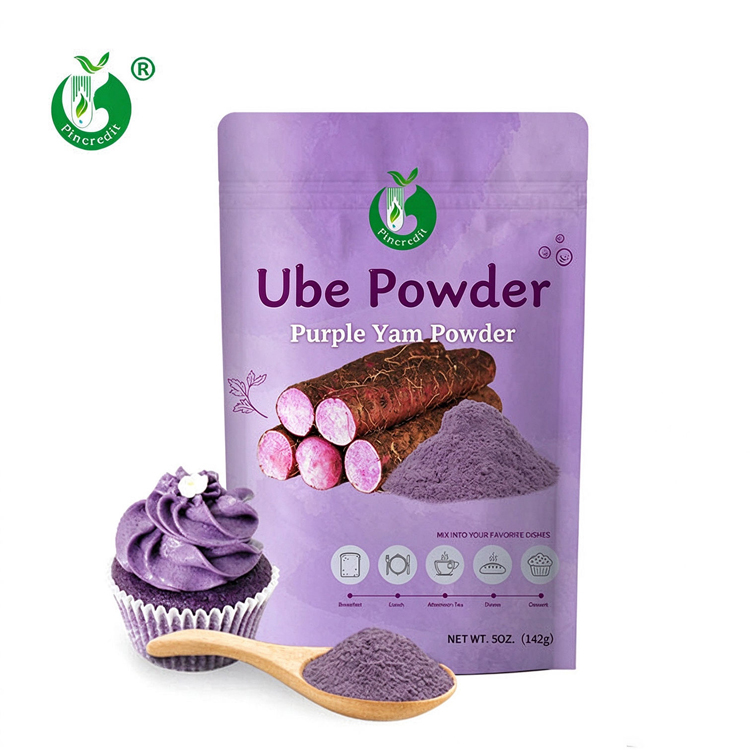
Vibrant anthocyanin-stabilized root flour for natural purple confectionery and dairy formulas.
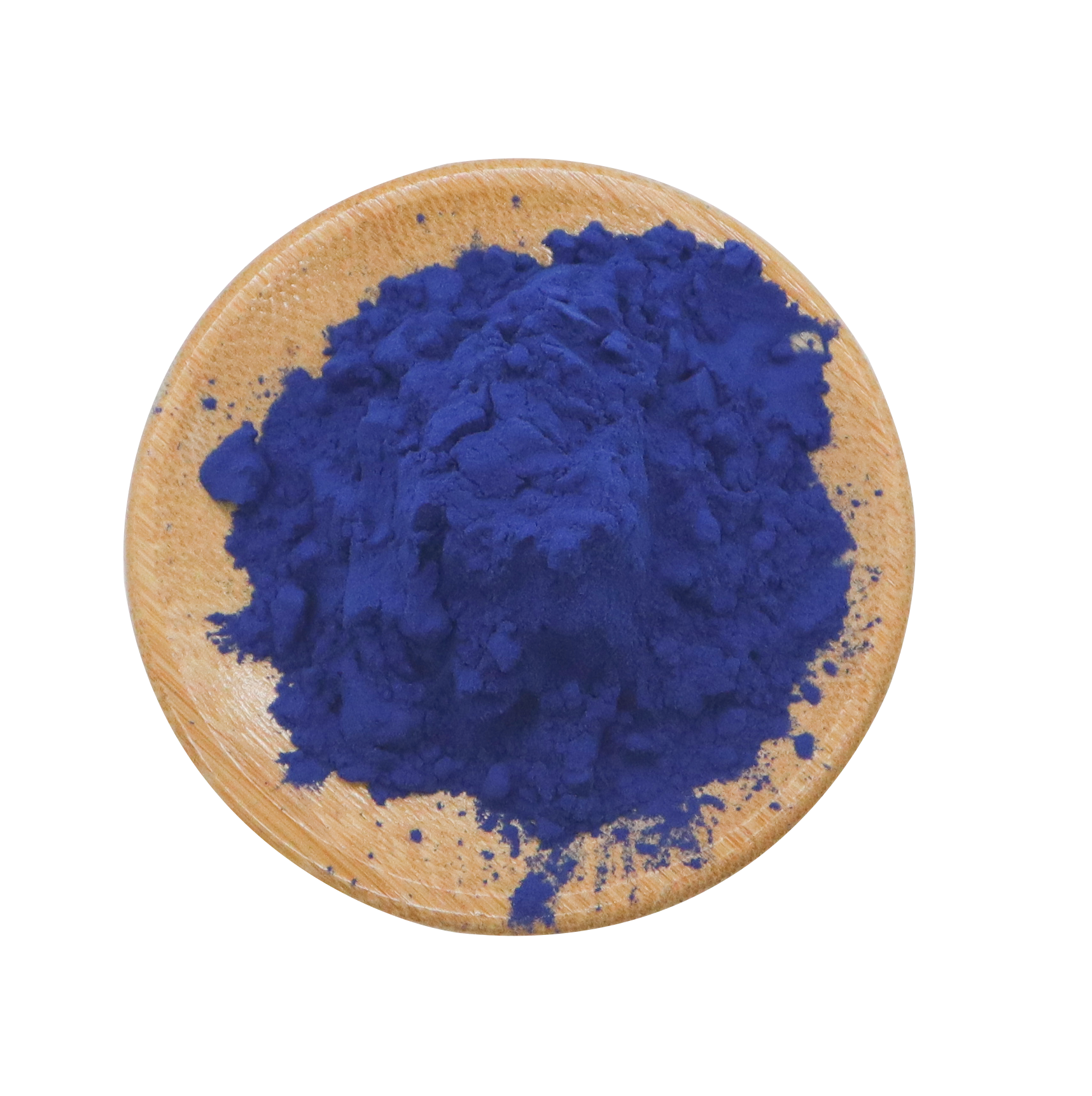
High-titer photosynthetic protein; E1% 1cm 618nm ≥ 25; solvent-free low-temp aqueous processing.
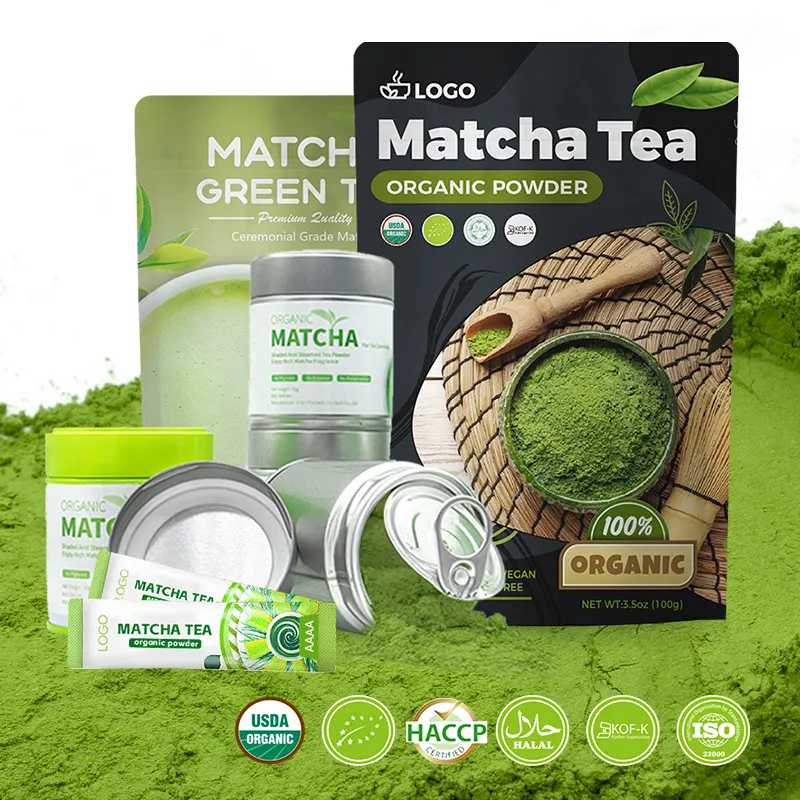
Ultra-fine 800+ mesh, vibrant chlorophyll saturation, packaged under nitrogen flush.
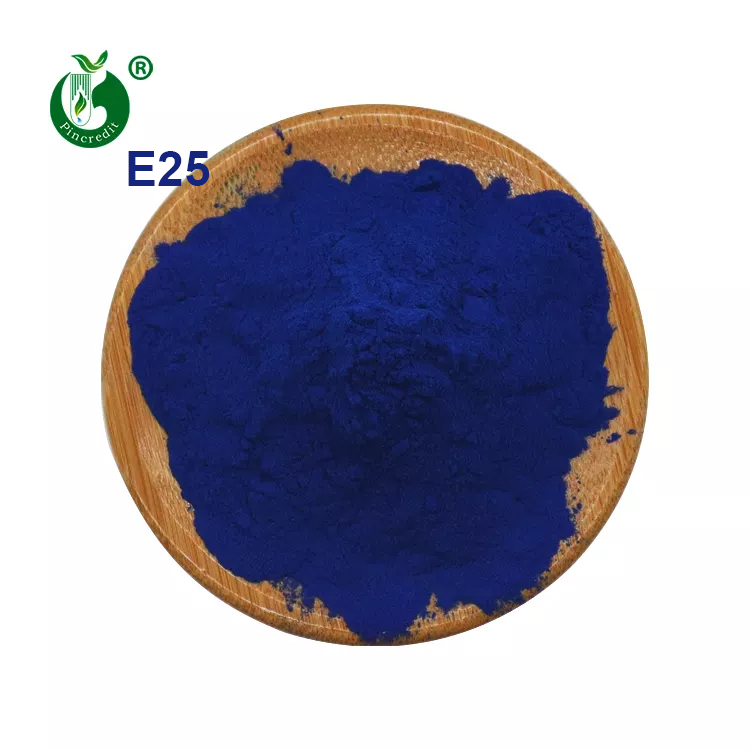
Food & nutraceutical carrier-stabilized formulation; verified Kosher, Halal, and ISO22000 safe.
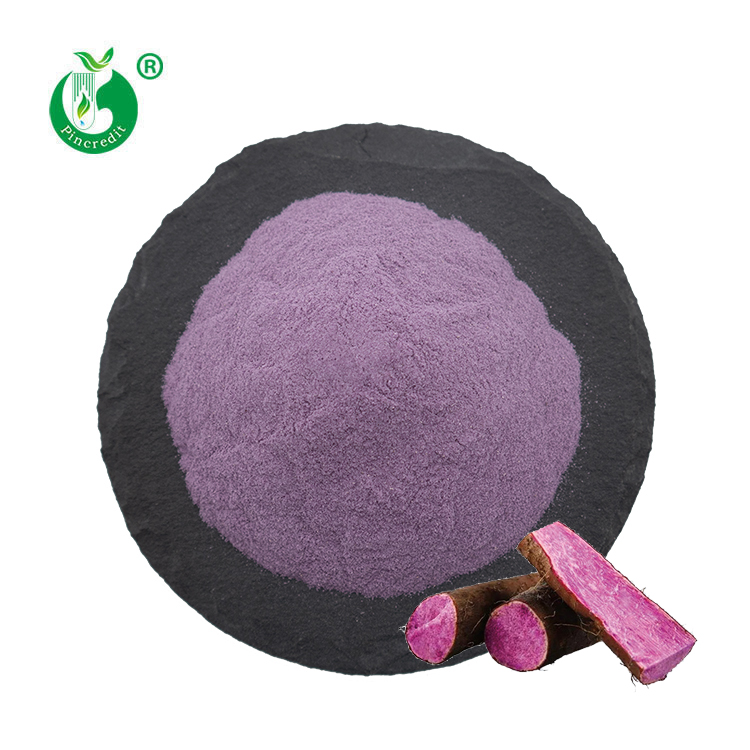
Steam-sterilized, drum-dried Dioscorea alata tuber powder matching stringent EU heavy metal thresholds.
Saponins constitute an exceptionally versatile class of naturally occurring high-molecular-weight amphiphilic glycosides, chemically categorized into steroidal saponins (C-27) and triterpenoid saponins (C-30). Their unique molecular architecture—consisting of a non-polar aglycone (sapogenin) paired with one or more water-soluble glycone oligosaccharide chains—endows them with potent biosurfactant properties, dynamic foaming kinetics, cholesterol-complexing capacities, and broad-spectrum antimicrobial efficacy.
Across industrial sectors, the demand for natural saponin concentrates is expanding exponentially. In pharmaceutical and nutraceutical formulations, standardized triterpenoid glycosides (such as ginsenosides, tribulus saponins, and ivy leaf hederacosides) are prized for their immunomodulatory, adaptogenic, and mucosal clearance properties. Simultaneously, consumer-driven clean-label transitions have triggered massive commercial adoption of Quillaja saponaria (Molina) extracts and Camellia oleifera (tea saponins) as plant-derived emulsifiers, replacing synthetic polysorbates (Tween 80, Tween 20) in beverage emulsions, natural personal care formulations, and biopesticidal agrochemicals.
However, the global sourcing matrix remains fraught with analytical ambiguity. Buyers frequently confront substantial discrepancies between supplier claims and actual batch bioactivity. Disparities between testing protocols—most notably uncalibrated UV-Vis spectrophotometry versus high-performance liquid chromatography coupled with evaporative light scattering detection (HPLC-ELSD)—lead to frequent adulteration, variable Critical Micelle Concentration (CMC) indices, and unacceptable regulatory delays at international ports of entry.
Evaluating botanical origin, principal active markers, standardized quantification methodologies, and key functional applications across major global industrial sectors.
| Botanical Derivative | Dominant Chemical Class | Standardized Assay Marker | Recommended Testing Method | Critical Quality Specification | Primary Global Application |
|---|---|---|---|---|---|
| Quillaja Saponaria (Chilean Soapbark) | Triterpenoid Bidesmosidic | Quillajasaponin fractions (QS-7, QS-18, QS-21) | Reverse-Phase HPLC (UV @ 214nm) | Purified Sap: 65%–90% dry basis; Low Brix ash | Vaccine adjuvants, clear beverage foaming, nano-emulsions |
| Camellia oleifera (Tea Saponin) | Triterpenoid Monodesmosidic | Camelliasaponin A & B | UV-Vis (545nm vanillin) or HPLC-ELSD | Active Content: 60%–85%; Water solubility ≥ 99.5% | Agrochemical bio-surfactants, molluscicides, industrial degreasers |
| Yucca schidigera (Mohave Yucca) | Spirostanol & Furostanol Steroidal | Sarsasapogenin & Smilagenin | GC-MS / HPLC derivatized | Total Saponins: 10%–50%; B.U. Foaming Power ≥ 8.0 | Ammonia reduction in livestock feed, crop soil remediation |
| Tribulus terrestris (Puncture Vine) | Furostanol Steroidal | Protodioscin & Pseudoprotodioscin | HPLC-DAD / LC-MS | Protodioscin ≥ 20%–45%; Total Saponins ≥ 90% | Sports nutrition, endocrine modulation dietary supplements |
| Panax ginseng / Notoginseng | Dammarane Triterpenoid | Ginsenosides (Rg1, Re, Rb1, Rd) | HPLC according to Ph. Eur. / USP | Sum of target ginsenosides ≥ 10%–80% | Cognitive enhancers, anti-fatigue functional foods, cosmetics |
| Hedera helix (English Ivy) | Triterpenoid Saponins | Hederacoside C & Alpha-Hederin | HPLC-UV (210nm) | Hederacoside C ≥ 10.0% to 13.0% (Ph. Eur.) | Respiratory health syrups, secretolytic bronchial therapeutics |
| Trigonella foenum-graecum (Fenugreek) | Steroidal Oligofurostanosides | Diosgenin precursors & Fenusides | Gravimetric / HPLC-ELSD | Total Furostanol Saponins ≥ 50% | Blood glucose management, sports anabolic optimization |
A comprehensive industrial assessment based on analytical validation capabilities, raw material provenance control, certification depth, production capacity, and export flexibility.
Xi'an, Shaanxi Province, China
Headquartered in Shaanxi's renowned botanical research corridor, Xi'an Vexli Bio-Tech operates as an innovation-driven manufacturing exporter. Utilizing direct origin-sourcing from verified cultivation bases alongside 25 audited partner plants, Vexli combines full physical extraction infrastructure with deep technical customization.
With an audited US$29.5M+ annual export capacity and in-house analytical laboratories (HPLC, GC, UV), Vexli provides pharmaceutical, cosmetic, and food brands with standardized saponin fractions backed by comprehensive COAs and rapid turnarounds.
San Diego, California, USA / Chile / Mexico
The historic pioneer in natural Quillaja saponaria and Yucca schidigera manufacturing. Desert King dominates the agrochemical, food, and beverage surfactant sectors through sustainably managed concessions in Chile and Baja California.
Ideal for high-volume multinational beverage bottlers and commercial agriculture operations demanding continuous bulk tank shipments with rigorous ecological sustainability audits.
Avignon, France
Leveraging Givaudan's global technical framework, Naturex provides specialized Quillaja extract formulations designed specifically for beverage stability, flavor encapsulation, and micro-clouding applications across European and North American markets.
A preferred tier-1 partner for large CPG enterprises requiring proprietary formulation support and integrated flavor-enhancer compatibility studies.
Milan, Italy
Specializing in high-titer pharmaceutical-grade botanical derivatives, Indena is celebrated for its Phytosome™ delivery technology and highly standardized triterpenoid saponins derived from Centella asiatica and Aesculus hippocastanum.
Caters to high-tier pharmaceutical institutions and clinical-stage cosmeceutical brands requiring strict impurity profiling and structural characterization dossiers.
Bengaluru, India / New Jersey, USA
A world-renowned manufacturer of standardized phytomedicinal actives. Sabinsa produces high-grade steroidal saponins extracted from Trigonella foenum-graecum (FenuFibers™) and Bacopa monnieri (Bacosides) through integrated vertically controlled farms.
Optimal for branded supplement formulators seeking patented, trademarked ingredients with published double-blind clinical backing.
Changsha, Hunan, China
Strategically situated adjacent to southern China's massive Camellia oleifera tea-seed production centers. Nutramax excels in cost-efficient commercial refining of tea seed meal into high-yield industrial tea saponin powders and liquids.
Well-positioned for agrochemical distributors, aquaculture disease-control operators, and large-scale green cleaning supply compounders.
Vestenbergsgreuth / Andernach, Germany
Finzelberg, the specialized phytopharmaceutical arm of the Martin Bauer Group, is a benchmark global refiner of Hedera helix (ivy leaf) dry extracts standardized strictly to Ph. Eur. hederacoside content for OTC respiratory therapies.
The definitive supplier choice for European OTC pharmaceutical manufacturers requiring certified active pharmaceutical ingredients (APIs).
Xi'an, Shaanxi, China
Another prominent entity in the Shaanxi botanical cluster. Huike focuses heavily on steroidal saponins and sapogenins extracted from Dioscorea nipponica (Diosgenin) and Tribulus terrestris for sports nutrition and steroid hormone synthesis intermediates.
A reliable industrial refiner for dietary supplement contract manufacturers seeking cost-competitive bulk steroidal building blocks.
Exeter, California, USA
Operating for over 40 years in California's agricultural center, Garuda specializes in sourcing, spray-drying, and custom blending high-purity natural Quillaja extracts (Q-Saponin™) and Mohave Yucca powders for the US domestic market.
Well suited for US-based beverage formulators and specialized pet food producers seeking domestic stock inventory and short domestic freight lead times.
Xi'an, Shaanxi Province, China
Renowned for rapid turnarounds and agile custom manufacturing, Pincredit specializes in tailored particle sizing, customized mesh processing (80–450 mesh), and turnkey private-label botanical blends. Their saponin and functional superfood lines benefit from dedicated nitrogen-flush export packaging.
The go-to alternative for rapidly growing lifestyle wellness, functional nutrition, and indie cosmetics companies requiring boutique packaging, low initial trial MOQs, and private label support.
Eliminating spot-market volatility through audited origin cultivation, precision continuous extraction lines, and uncompromising batch-level analytical releases.
Headquartered in Xi'an, Shaanxi Province—the historical and geographical heartland of China's botanical science and cultivation infrastructure—Xi'an Vexli Bio-Tech Co., Ltd. has engineered a transparent, low-risk procurement channel for international enterprises across 30+ nations. Rather than functioning as a non-committed spot broker, Vexli integrates direct raw material collection with a verified network of 25 dedicated manufacturing facilities.
Complete facility assessments verifying production integrity, environmental management, cleanroom ventilation, and raw ingredient quarantine chains.
Proprietary extraction IP including Invention Patent ZL 2014 1 0464649.9 and Utility Model 14520048, enhancing extraction efficiency and reducing thermal active degradation.
High-performance liquid chromatography (HPLC), GC for residual solvents, UV-Vis, and full microbial pathogen plating prior to issuing any Certificate of Analysis.
Combine saponins, ceremonial matcha, natural pigments (phycocyanin, chlorophyllin), rare sugars (allulose), and active peptides in a single customs container with low MOQs starting at 1 kg.
Proven operational compliance servicing tier-1 global multi-nationals; verified trade history with transparent transaction volumes and multi-currency billing (USD, EUR, GBP).
Pre-cleared IATA DGR and IMDG non-hazardous transportation documentation ensures fine botanical powders clear customs without costly port holding delays.
Emerging chemical standards, clean-label shifts, and technological disruptions reshaping international plant extract purchasing over the next five years.
Historically, bulk contracts permitted non-specific gravimetric precipitation or crude UV-Vis vanillin-perchloric colorimetric assays. These methods routinely overestimate potency by capturing unrelated polyphenols and sugars. Progressive buyers now mandate validated HPLC-ELSD or LC-MS/MS marker assays in supply contracts to prevent expensive downstream formulation failures.
Consumer scrutiny over synthetic emulsifiers (e.g., Polysorbate 80, Propylene Glycol Alginate) has driven food and cosmetics R&D toward Quillaja and Camellia saponins. With natural foaming properties stable across wide pH ranges (pH 3.0–8.0) and high thermal resistance, saponin-derived nanoemulsions are rapidly capturing beverage market share.
As international regulatory authorities (such as the European Commission) enforce tighter Maximum Residue Limits (MRLs) on synthetic fungicides and molluscicides, crude tea saponin (Camellia) is experiencing surge demand in high-value horticulture, organic snail control, and zero-residual aquaculture water treatments.
Yucca and Quillaja saponins bind tightly to intestinal protozoal membrane sterols, improving gut nutrient absorption and drastically mitigating ammonia emissions in modern poultry and swine farming. Feed mills increasingly mandate saponin inclusion as sustainable replacements for subtherapeutic antibiotic growth promoters.
The logistical overhead of managing dozens of isolated point suppliers has prompted corporate buyers to prioritize vertically integrated partners capable of consolidating primary extracts, organic sweeteners, high-purity antioxidants, and clean-label natural colors under a unified QA protocol and unified documentation packet.
Global customs jurisdictions now execute routine screening for Lead (Pb ≤ 2.0 ppm), Cadmium (Cd ≤ 1.0 ppm), Arsenic (As ≤ 1.0 ppm), Mercury (Hg ≤ 0.1 ppm), and Benzo(a)pyrene. Exporters unable to demonstrate automated low-temperature vacuum drying and stainless steel resin column refinement face escalating rejection rates.
Clear, technically rigorous answers to the practical questions chemical formulators, quality directors, and purchasing agents confront every day.
Whether you require standard 80% tea saponin for natural bio-surfactant development, certified organic ceremonial matcha, or ultra-pure colorants and longevity actives, Xi'an Vexli Bio-Tech provides end-to-end technical transparency from origin to port of arrival.