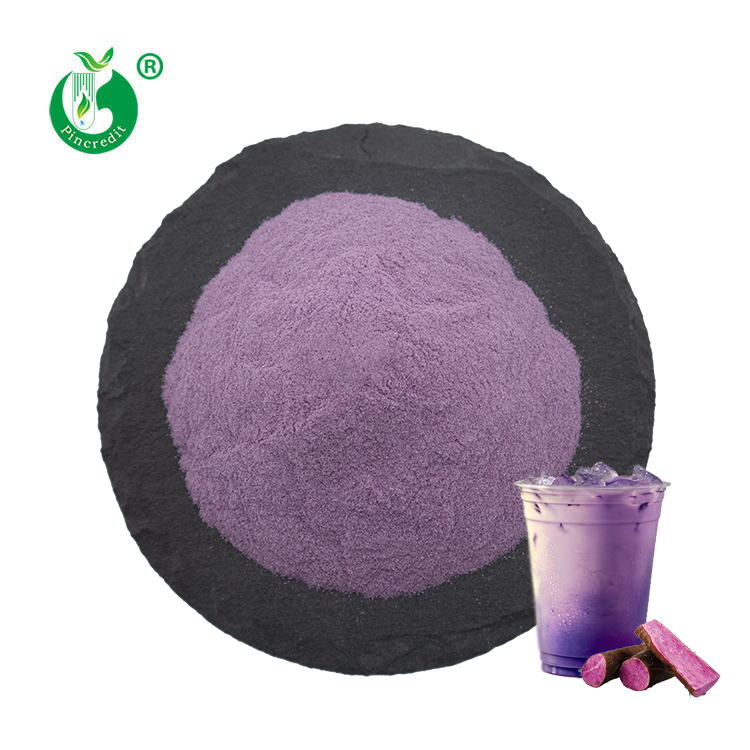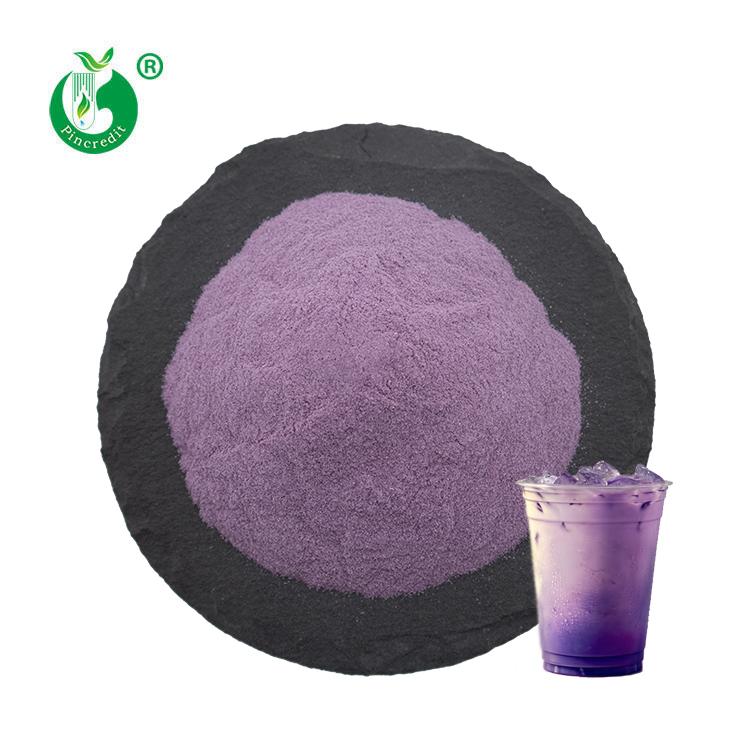
Pincredit Wholesale Price Food Grade Powdered-Ube Natural Dioscorea Alata Purple Yam Ube Powder for Milk Tea and Latte
- 100% Water Soluble & Instant Dispersion
- Natural Anthocyanin Pigment Profile
- Mesh: 80–200 Mesh Micronized
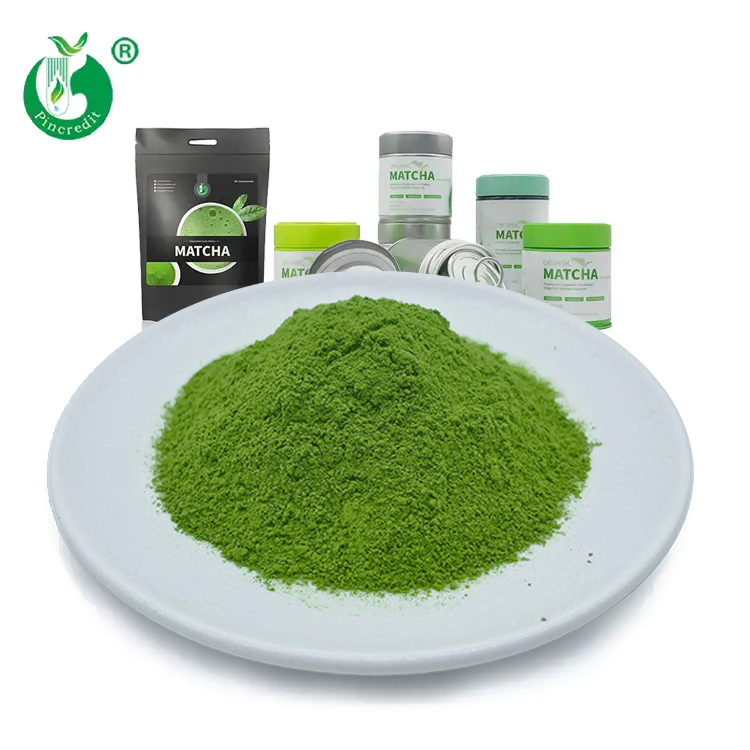
Direct manufacturer inventory, batch-specific HPLC/UV Certificates of Analysis (COA), strict heavy metal control, and multi-mesh granularity ready for immediate global export.
In an era characterized by regulatory crackdowns, supply-chain re-shoring, and heightened scrutiny over botanical adulteration, establishing a defensible procurement process requires moving beyond superficial price-per-kilogram quotes.
The global plant extract powder market has undergone a structural transformation. Global health authorities, including the United States Food and Drug Administration (FDA) under 21 CFR Part 111, the European Food Safety Authority (EFSA), and the Therapeutic Goods Administration (TGA) in Australia, now mandate rigorous phytochemically validated identity testing for all botanical dietary ingredients. Sourcing teams can no longer accept generic certificates of analysis with vague descriptions such as "herb extract 10:1" without active biomarker validation.
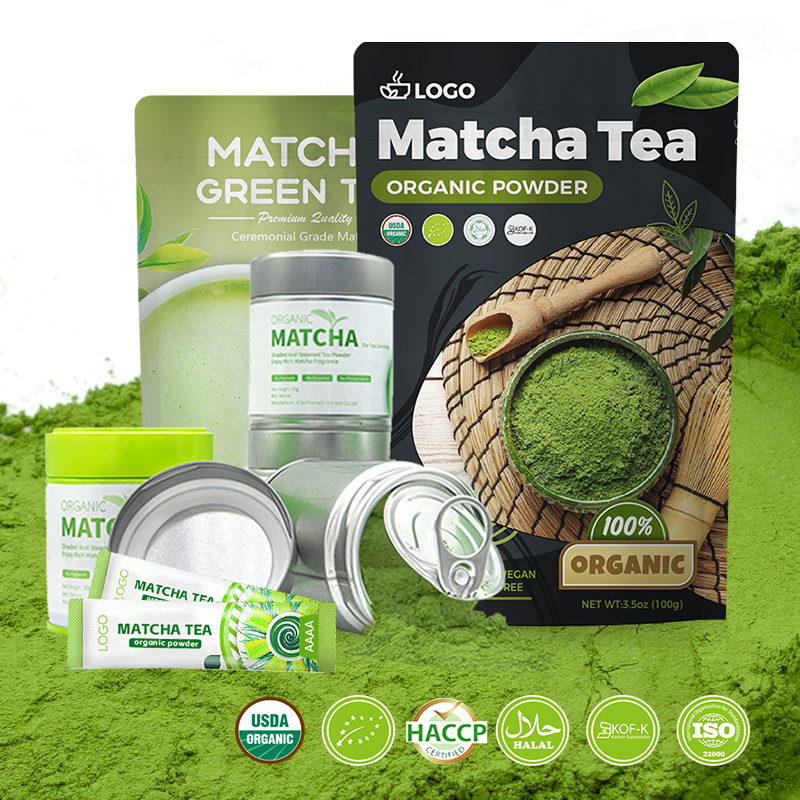
When assessing the Top 10 Plant Extract Powder Suppliers and Exporters, multinational enterprise buyers focus on five distinct operational pillars: primary raw material traceability, standardized active marker validation via validated High-Performance Liquid Chromatography (HPLC) and Liquid Chromatography-Tandem Mass Spectrometry (LC-MS/MS), multi-residue pesticide screening compliant with British Standard BS EN 15662, carrier optimization to eliminate unstated maltodextrin bulking, and comprehensive international compliance (ISO 22000, HACCP, USDA Organic, EU Organic, Halal, and Kosher).
| Tier Ranking Metric | Tier-1 Exporters (e.g., Vexli / Pincredit) | Conventional Trading Companies | Local Small-Scale Extractors |
|---|---|---|---|
| Analytical Testing Infrastructure | In-house HPLC, GC, UV, microbial incubator, ash furnace; batch SGS/Eurofins verification. | Relies solely on 3rd-party broker sheets; no independent in-house chromatography. | Basic UV spectrometry; heavy metal and pesticide assays often outsourced or skipped. |
| Raw Material Provenance | Origin-direct cultivation partnerships in Shaanxi Qinling and dedicated tea gardens. | Spot-market procurement across secondary wholesale markets with zero traceability. | Regional wild-harvesting without strict Good Agricultural and Collection Practices (GACP). |
| Regulatory Documentation | Full dossier: Batch COA, Technical Data Sheet, MSDS, Allergen, GMO-Free, Organic TC. | Standard COA only; limited technical assistance with FDA/EFSA regulatory filings. | Minimal documentation; difficulty meeting Western import customs regulations. |
| Pesticide Screening Protocol | Multi-residue screening (500+ compounds) via BS EN 15662 method to meet EU < 0.01 mg/kg. | Targeted testing only upon explicit customer demand and additional surcharge. | Domestic MRL compliance only; frequently fails Western export residue screenings. |
| Custom Particle Engineering | Micronization down to 450–1000 mesh; microencapsulation and solubility enhancement. | Standard 80 mesh screening; high variance in bulk density and flowability. | Coarse pulverization (60–80 mesh) with high heat generation degrading active phyto-pigments. |
Rooted in Xi'an, Shaanxi Province—China’s premier natural botanical extraction cluster—Xi'an Vexli Bio-Tech Co., Ltd. combines ancient herbal heritage with high-tech extraction patents and audited food safety systems.
Our facilities and ingredient portfolios hold accredited ISO 22000, HACCP, Halal, and Kosher certifications. We offer certified USDA Organic and EU Organic status for bulk matcha, green superfoods, spirulina, and medicinal mushroom extracts.
Holding Invention Patent ZL 2014 1 0464649.9 (advanced extraction of protocatechuic aldehyde) and Utility Model Patent No. 14520048 (high-efficiency plant extraction apparatus), we deliver purer yields with zero toxic solvent carryover.
Equipped with Shimadzu HPLC, Gas Chromatography (GC for residual volatile solvents), UV-Vis Spectrophotometers, and cleanroom bio-incubators. Every single commercial batch undergoes rigorous release testing before port clearance.
By establishing long-term contract farming in primary botanical centers—from the pristine Qinling mountain ranges to shade-grown green tea plantations—we eliminate middlemen markups and shield buyers from spot-market price volatility.
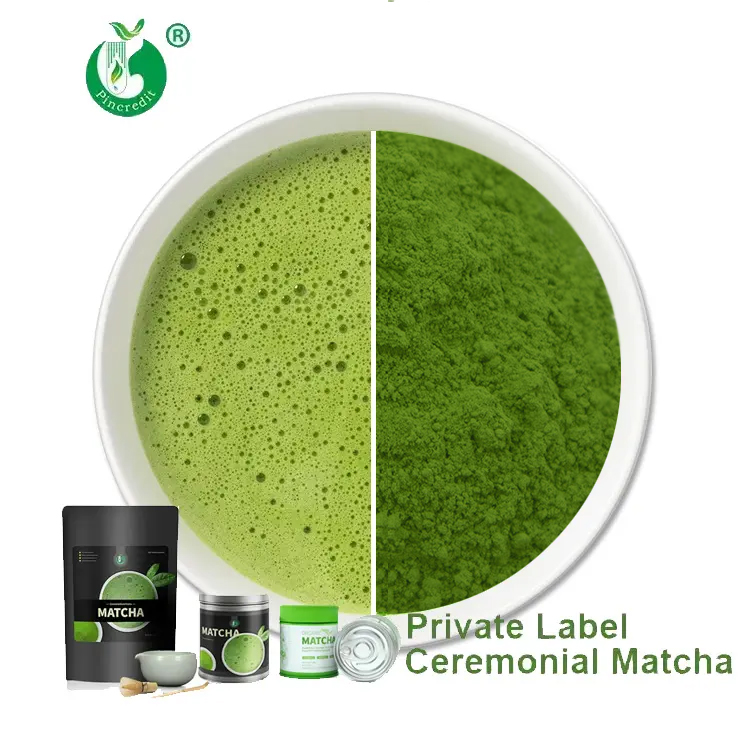
From bulk ingredient drums to retail-ready custom-printed tins, nitrogen-purged pouches, and customized particle screening (80–1000 mesh), we offer full private-label turnkey formulation with MOQs designed to accelerate time-to-market.
Complete compliance with international shipping regulations, backed by certified IATA DGR and IMDG non-hazardous sea/air transport documentation, avoiding port customs impounds and providing end-to-end landed delivery.
Strategic forecasting for C-suite procurement officers and R&D directors navigating changing consumer demands, clean-label reformulations, and environmental mandates.
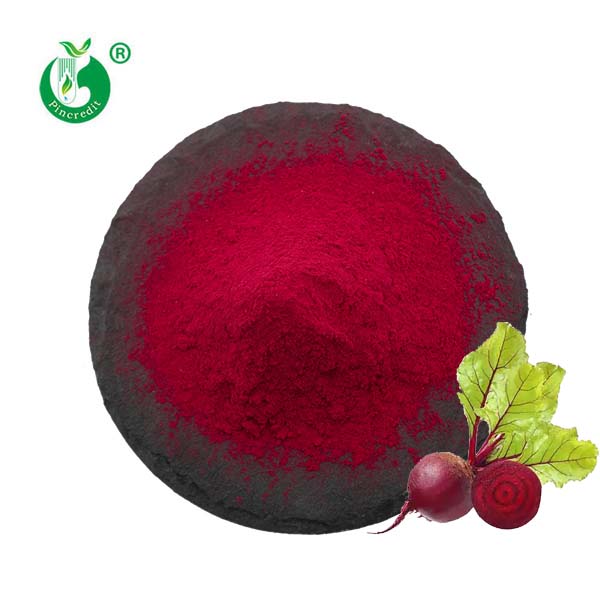
With increasing regulatory restrictions on synthetic colorants like Red 40, Yellow 5, and Blue 1 across Europe and North America, multinational beverage and confectionery formulators are migrating rapidly toward natural plant extract concentrates. High-stability water-soluble extracts—such as Blue Spirulina Phycocyanin (E18–E25), Butterfly Pea Flower anthocyanins, and standard-titrated Beetroot Betanins—are experiencing compound annual growth rates (CAGR) exceeding 14.8%. The critical procurement challenge centers on heat and light photostability, accelerating demand for microencapsulated natural color pigments.
Traditional 80-mesh botanical powders cause gritty mouthfeel and sedimentation in ready-to-drink (RTD) lattes, sparkling botanicals, and instant powdered stick packs. The market is shifting permanently toward sub-micronization (300 to 1000 mesh). Technologies like low-temperature air-classifier milling (ACM) preserve sensitive phytonutrients and polyphenols while increasing surface area, achieving instantaneous colloidal suspension without synthetic emulsifiers or suspending gums.
Economically motivated adulteration (EMA) remains an ongoing challenge in plant extracts—such as blending synthetic amino acids into green tea extracts or spiking cheap dyes into purple sweet potato powders. Leading B2B buyers are implementing Next-Generation Sequencing (NGS) DNA barcoding and Stable Isotope Ratio Mass Spectrometry (IRMS) into their standard vendor qualification protocols to definitively verify natural biological origin versus synthetic chemical synthesis.
Petroleum-derived organic extraction solvents (such as hexane, acetone, and ethyl acetate) face mounting regulatory barriers due to volatile organic compound (VOC) emissions and residual solvent health hazards. Supercritical CO2 extraction, subcritical water extraction, and enzyme-assisted membrane concentration have emerged as the industry's gold standard. Furthermore, global consumer goods companies increasingly require Scope 1, 2, and 3 carbon audit declarations from botanical suppliers to meet ESG mandates.
Single-botanical extracts are increasingly giving way to pre-blended functional matrices. In nootropics and longevity formulations, buyers specify co-processed botanical matrices—such as Lion's Mane standardized polysaccharides combined with shade-grown L-Theanine-rich ceremonial matcha, or NMN stacked with cellular antioxidants like Resveratrol and Astaxanthin. Sourcing pre-blended, validated homogenous powders substantially reduces batch blending variances in secondary contract manufacturing plants.
With sugar taxes expanding worldwide, zero-calorie botanical sweeteners are shifting from isolated components toward custom, round-taste profiles. Suppliers capable of co-crystallizing or homogeneously spray-drying bulk carriers like organic Erythritol or rare sugars like D-Allulose alongside high-potency Mogroside V (from Monk Fruit) and Reb-M Stevia are dominating procurement contracts, enabling clean-label formulations with zero glycemic spike.
A comprehensive checklist designed for technical procurement teams to audit analytical data and avoid costly batch rejections at customs or product quarantine.
The certificate of analysis represents the binding quality contract between the exporter and the manufacturer. Unfortunately, superficial inspection of a COA often overlooks critical analytical discrepancies. The following auditing guidelines protect brand integrity:
| Target Parameter | Standard Analytical Test Methodology | Acceptance Threshold / Red Flag Indicators |
|---|---|---|
| Active Marker Quantification | High-Performance Liquid Chromatography (HPLC) / UV-Vis Spectrophotometry | Red Flag: Stating high assay without referencing reference standards (USP/EP/ChP). UV spectrometry can register false positives by mistaking non-target polyphenols for active marker molecules. |
| Heavy Metal Contaminants | Inductively Coupled Plasma Mass Spectrometry (ICP-MS) | Standard: Lead (Pb) < 0.5–2.0 ppm; Arsenic (As) < 1.0 ppm; Cadmium (Cd) < 0.5–1.0 ppm; Mercury (Hg) < 0.1 ppm. Must adhere to USP <2232> and EU Regulation (EU) 2023/915. |
| Pesticide Residue Screen | GC-MS/MS & LC-MS/MS Multi-Residue Analysis (BS EN 15662) | Standard: Screened against 500+ compounds. Organic certification strictly requires non-detectable levels (< 0.01 mg/kg) across all synthetic pesticide classes. |
| Microbial Limits | USP <2021> / <2022> Microbial Enumeration Protocols | Threshold: Total Aerobic Microbial Count (TAMC) < 10,000 CFU/g; Total Combined Yeast/Mold < 100 CFU/g; Absence of E. coli, Salmonella spp., and Staphylococcus aureus per 10g/25g. |
| Physical & Bulk Properties | Loss on Drying (LOD) & Tapped/Poured Bulk Density | Threshold: Moisture content < 5.0%–7.0% to prevent microbial proliferation and caking during transport. Tapped density must match capsule size or high-speed automated packaging lines. |
At Xi'an Vexli Bio-Tech, all finished lots are assigned a traceable batch retention number. Our quality assurance unit preserves physical counter-samples under climate-controlled conditions for 36 months, providing full forensic analytical traceability in the event of customer audits or regulatory inquiries.
Key questions procurement managers and contract manufacturers frequently ask when qualifying our bulk plant extracts.
An extraction ratio indicates the theoretical weight of starting raw botanical material used to produce one unit of finished powder (e.g., 10 kg of dry root yields 1 kg of extract). However, this does not guarantee the concentration of active constituents, which varies widely depending on soil quality, weather, and harvest season. In contrast, a standardized extract guarantees an exact, verifiable percentage of active bioactive markers (such as 98% L-Theanine, 50% Polysaccharides, or 99% NMN) validated by HPLC. Sourcing teams seeking reliable formulation performance should always prioritize standardized extracts.
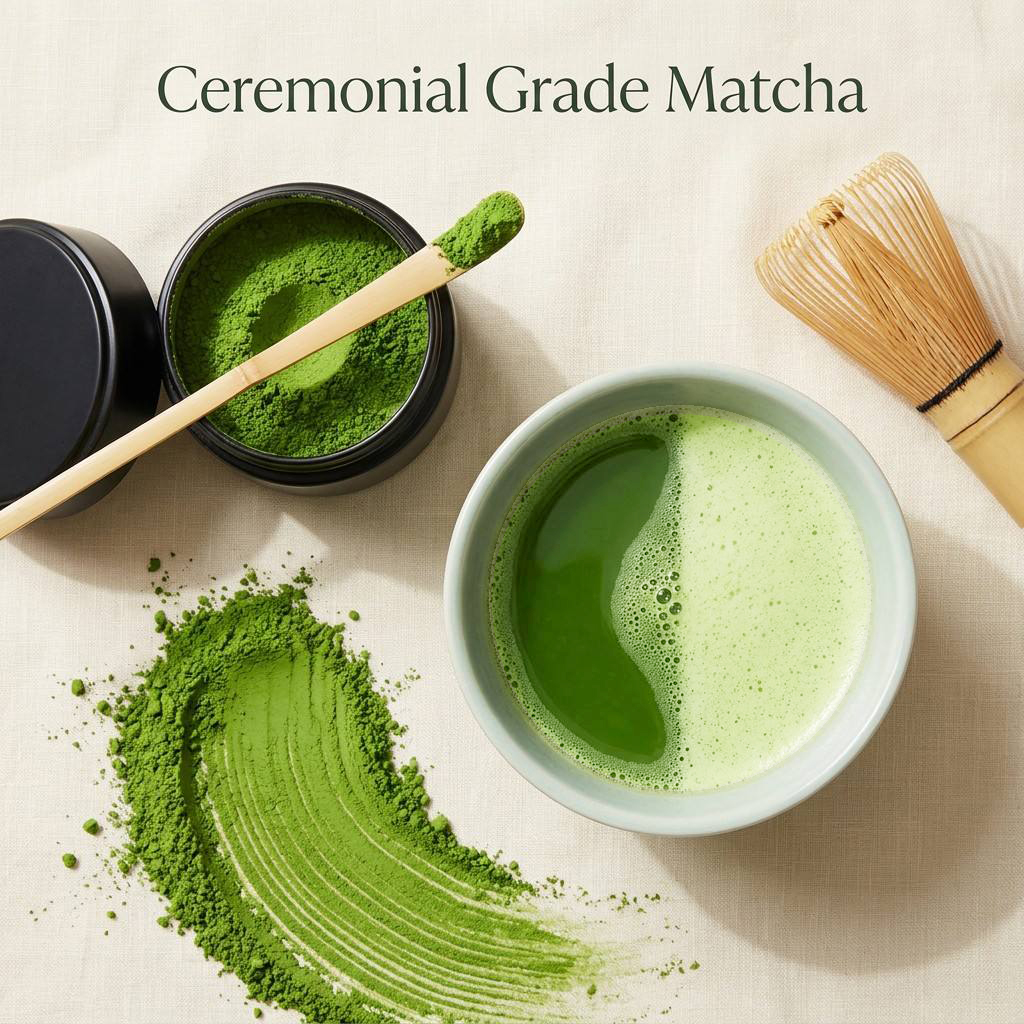
Mesh size measures the number of openings per linear inch in a grading screen. A 500-to-1000 mesh powder (e.g., ceremonial matcha or micronized purple yam) features microscopic particle sizes (15–25 microns), allowing rapid water suspension without mouthfeel grit—ideal for instant lattes and ready-to-drink beverages. Conversely, ultra-fine powders can cause dusting and poor flowability on high-speed capsule-filling machines. For encapsulation, a free-flowing 80-to-120 mesh granulated powder is typically preferred to ensure uniform weight distribution.
Every shipment dispatched by Xi'an Vexli includes a comprehensive technical release dossier: Batch-Specific Certificate of Analysis (COA), Technical Data Sheet (TDS), Safety Data Sheet (SDS/MSDS conforming to GHS), Statement of Origin, Non-GMO Declaration, Allergen Confirmation, and BSE/TSE-Free Statement. For organic shipments, an official Transaction Certificate (TC) issued by Ecocert or equivalent accredited bodies is provided. Air/sea non-hazardous transport declarations (IATA DGR / IMDG) are also supplied as standard.
To support R&D trials and pilot batches, our baseline MOQ for most standardized botanical powders is just 1 kg. Specialized high-value actives (such as 99% NMN, NAD+, and Alpha-Arbutin) can also be ordered in 1 kg research increments. Commodity-scale products (such as D-Allulose or Marine Collagen) have MOQs ranging from 25 kg to 50 kg. Complimentary 50g–100g verification samples are readily available to qualified buyers for in-house laboratory assay verification and benchtop trial formulation.
We utilize multi-barrier protective packaging comprising double food-grade polyethylene interior liners hermetically heat-sealed inside heavy-gauge aluminum foil barrier bags, packed within reinforced corrugated fiber drums. This packaging maintains high barrier protection against moisture vapor transmission (MVTR) and oxygen exposure. For extreme climates or sensitive colorants (like Phycocyanin or Ceremonial Matcha), we coordinate refrigerated reefer containers or expedited air cargo with thermal pallet blankets.
Yes. Beyond supplying raw bulk drums, our production facilities feature automated packaging suites capable of manufacturing retail-ready products: custom-labeled composite tin cans, stand-up resealable zip pouches with degassing valves, single-serve sachet sticks, and hard-shell gelatin or vegetarian capsule filling. Our in-house design and technical team assists with regulatory label reviews to ensure compliance with FDA and EU food supplement labeling directives.
Connect directly with our senior application specialists and QA directors. We will review your target specifications, provide batch-specific chromatography data, and formulate a competitive landed DDP/FOB quotation tailored to your commercial volume.