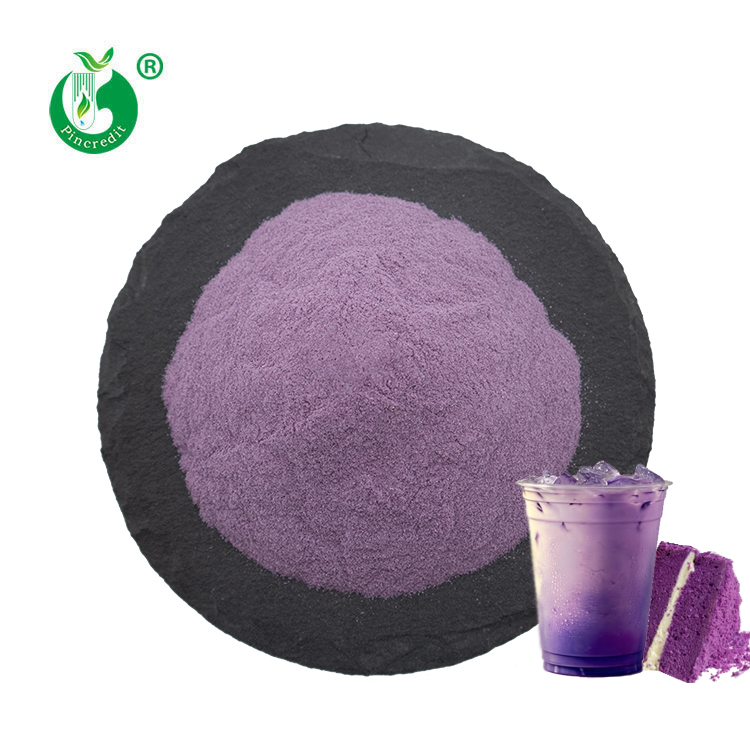
Pincredit Wholesale Price Natural Purple Yam Ube Powder
100% pure purple sweet potato dehydrated at calibrated low temperatures to preserve anthocyanin integrity, velvety texture, and subtle aromatic sweetness for bakery and beverages.
Comprehensive Industry Technical Report, Global Procurement Analysis & Verified Botanical Active Reference
Direct-from-source botanical powders, cold-milled functional greens, and standardized high-purity extracts manufactured under ISO 22000 and HACCP verified controls.
100% pure purple sweet potato dehydrated at calibrated low temperatures to preserve anthocyanin integrity, velvety texture, and subtle aromatic sweetness for bakery and beverages.
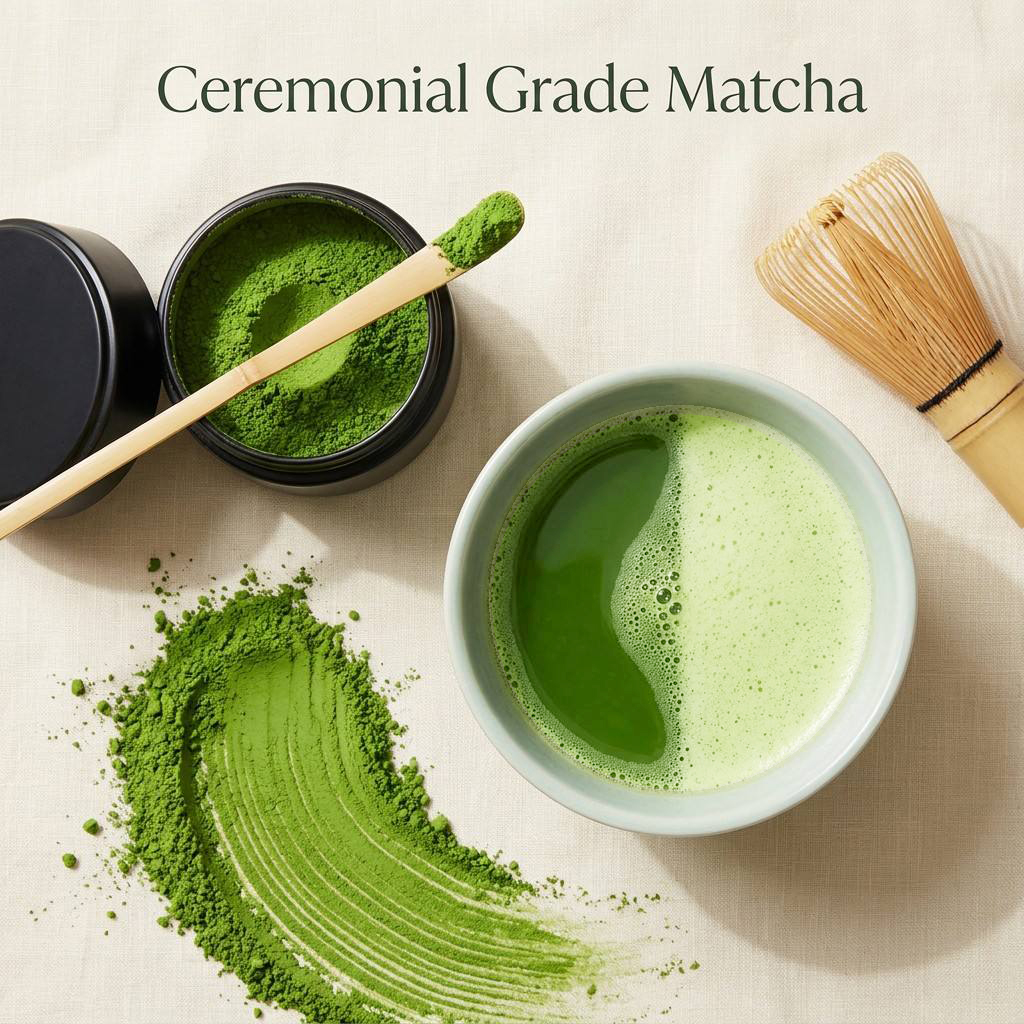
Shade-grown first harvest tencha, stone-ground to sub-1000 mesh. Rich in L-theanine and EGCG, featuring vibrant electric emerald color with zero astringency in custom-sealed tins.
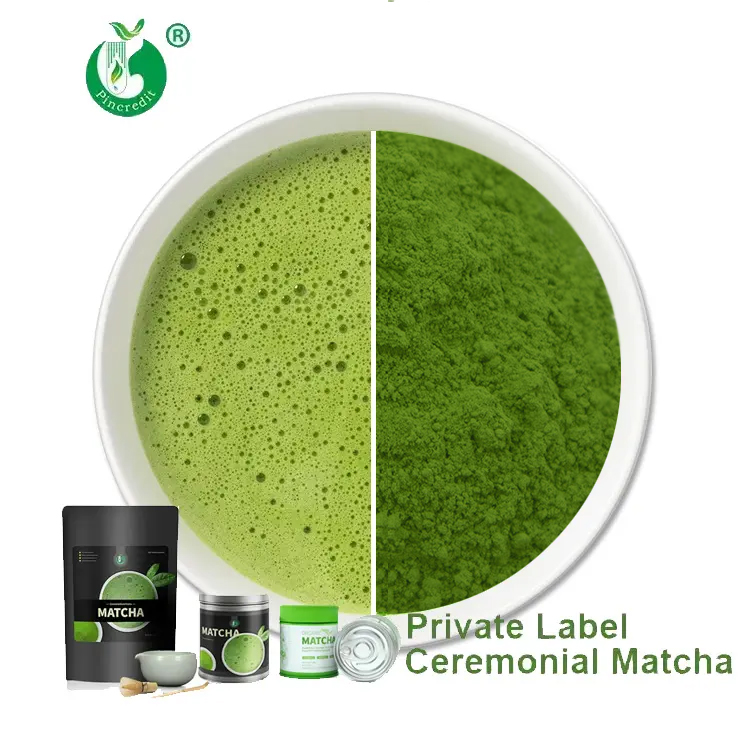
Turnkey retail packaging formulations with fully certified pesticide-residue compliance testing under European BS EN 15662 standards. Fully custom tin, pouch, and stick format readiness.
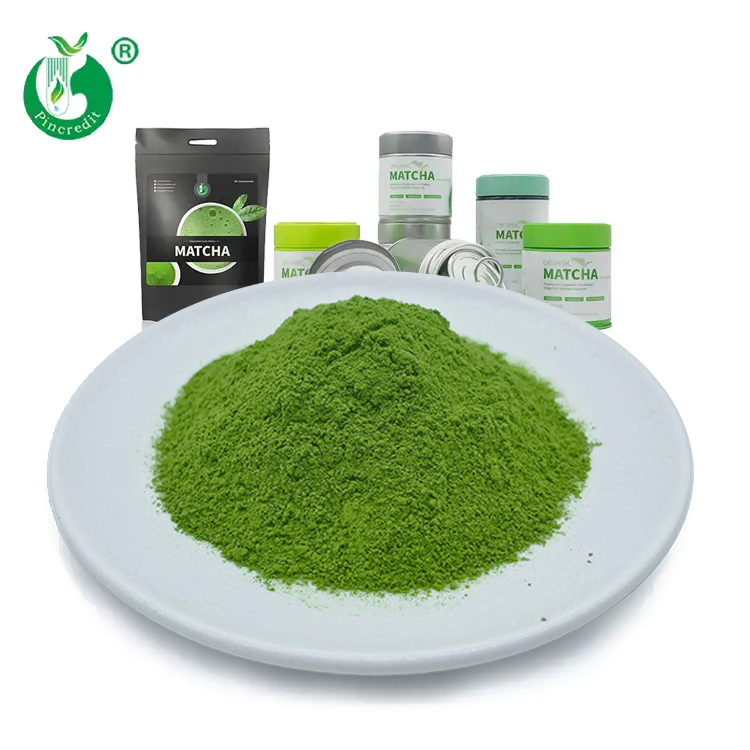
Engineered for thermal stability in commercial baking, dairy formulation, confectionery fillings, and instant RTD beverage mixes while providing genuine matcha flavor and coloration.
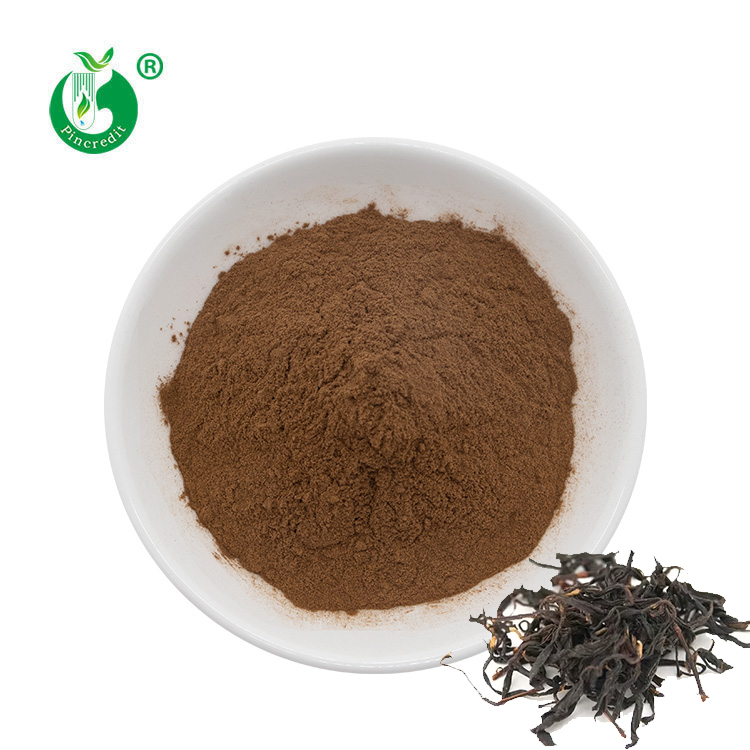
Ultra-clarified, agglomerated cold-water soluble black tea extract produced via low-temperature countercurrent extraction, guaranteeing crystal clear reconstitution without post-turbidity.
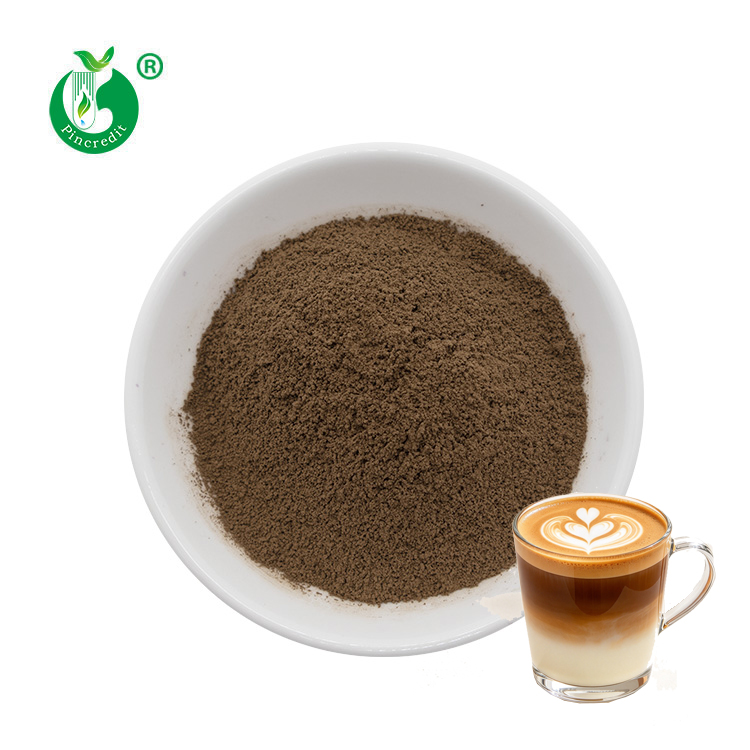
Precision porcelain-roasted green tea micro-pulverized for optimal aroma profile. Delivers intense caramel-nutty pyrazine notes with naturally suppressed caffeine content.
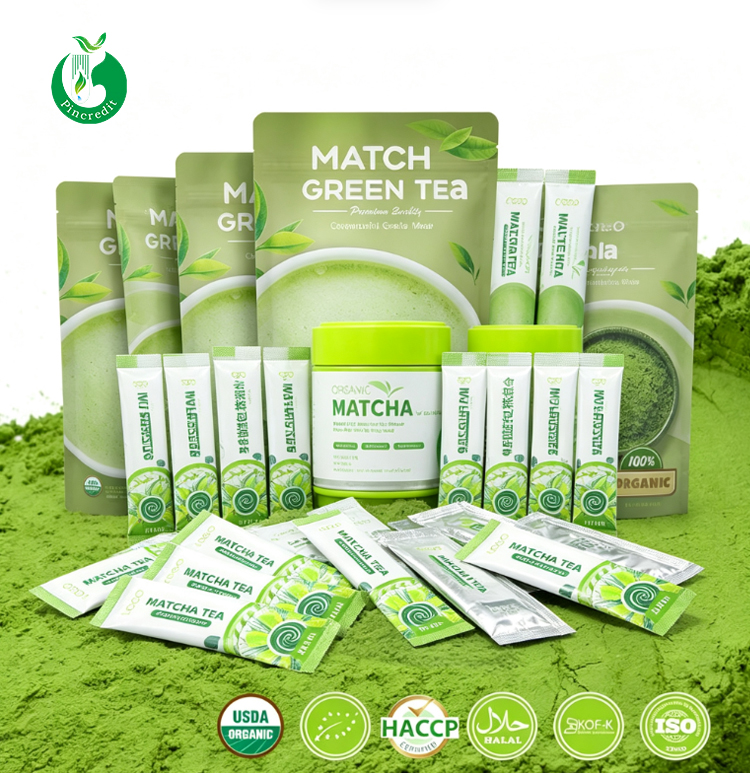
Balanced premium standard combining luminous green appearance and mild profile, tailored specifically for commercial specialty coffeehouse chains and boutique retail lines.
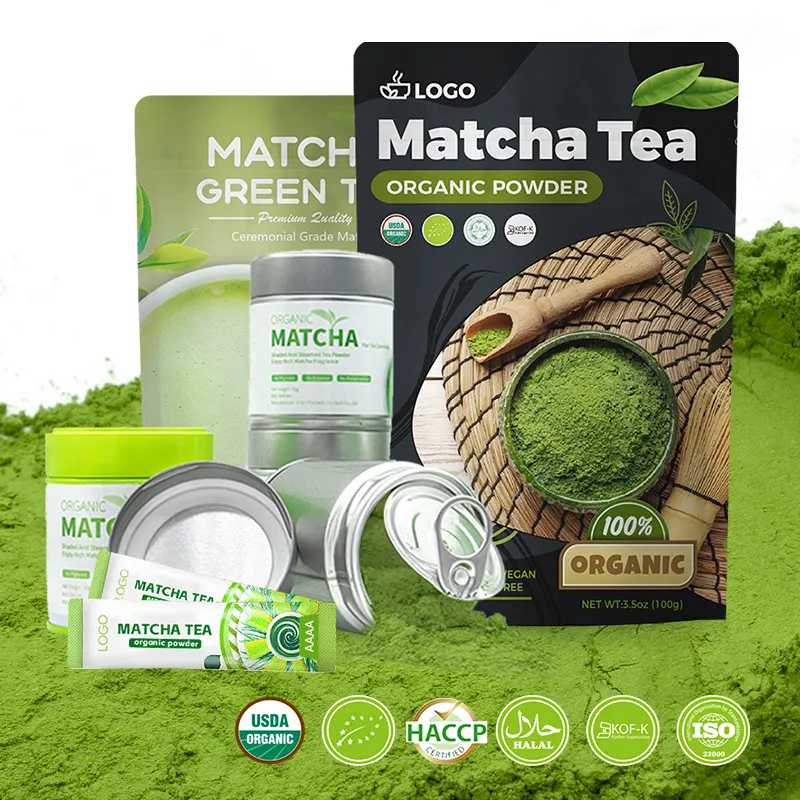
Traditional stone-milled botanical extract from highland ecological plantations, featuring superior dissolution, zero additives, and verified negative heavy metal analysis per USP guidelines.
Third-party verified metrics derived from SGS on-site audits, international customs filing records, and our standardized QA release laboratories.
The international market for botanical extracts, specialized superfood concentrates, and clean-label active compounds is undergoing an unprecedented structural transition. Contemporary consumer markets in North America, Western Europe, and Asia-Pacific no longer accept ambiguous crude herb powders. Instead, downstream brands are demanding fingerprinted chromatographic consistency, ultra-low microbiological thresholds, validated origin traceability, and explicit absence of agricultural solvent residues.
Procuring raw botanical materials on unstable spot markets poses existential liabilities for brand owners. Adulteration, synthetic spiking (such as boosting spectrophotometric assays with exogenous nitrogen or chemical pigments), and inconsistent bio-potency represent major compliance threats under FDA 21 CFR Part 111, European Pharmacopoeia (Ph. Eur.), and FSMA frameworks. To achieve lasting supply security, procurement directors must evaluate manufacturers against strict analytical methodologies, processing infrastructure, and regulatory pedigree.
One of the most pervasive pitfalls in industrial botanical sourcing is reliance on generic ultraviolet-visible (UV-Vis) testing for complex actives. For instance, in functional polysaccharides (derived from mushrooms like Hericium erinaceus or Ganoderma lucidum), UV methods cannot discern between bio-active beta-(1,3)(1,6)-D-glucans and common industrial carriers such as maltodextrin or corn starch. Leading international manufacturers now employ validated high-performance liquid chromatography (HPLC), high-performance thin-layer chromatography (HPTLC), and enzymatic beta-glucan assay kits (Megazyme protocols) to furnish verified certificates of analysis.
| Analytical Parameter | Legacy / Commodity Approach | Vexli Bio-Tech Validated Standard | Procurement Risk Mitigated |
|---|---|---|---|
| Assay Authentication | General UV-Vis Absorption; non-specific nitrogen assays | Validated HPLC/UPLC testing; LC-MS/MS marker confirmation | Prevents economic adulteration and false synthetic spiking |
| Pesticide Multi-Residue | Targeted 20-30 domestic agricultural pesticides | Comprehensive multi-residue GC-MS/MS & LC-MS/MS (BS EN 15662: 500+ compounds) | Prevents container rejection and import customs detainment in the EU & US |
| Heavy Metal Limits | Non-specific total heavy metals (as Lead < 20ppm) | ICP-MS quantitation for Pb, Cd, As, Hg down to parts-per-billion (ppb) | Guarantees California Proposition 65 & EU Regulation 2023/915 compliance |
| Microbiological Bioburden | Standard plate count without pathogen confirmation | Automated incubators verifying absence of Salmonella, E. coli, and micro-aerophilic molds | Safeguards shelf-life stability in ready-to-drink (RTD) and functional dairy mixes |
| Physical Particle Geometry | Standard unmonitored mechanical milling (60-80 mesh) | Laser diffraction particle sizing up to 450-1000 mesh; controlled bulk density | Eliminates sediment grittiness in drinks and prevents clumping in high-speed encapsulation |
The transition from harsh synthetic chemical solvents to green, sustainable extraction techniques marks the frontier of high-value botanicals. Supercritical carbon dioxide (scCO2) and countercurrent aqueous ethanol cycles are replacing chlorinated hydrocarbons and hexane. Under regulated thermodynamic pressures and controlled temperatures, natural compounds are extracted without damaging heat-sensitive phytochemicals, such as the delicate polyphenol complexes in shaded tencha or the thermolabile phycocyanobilin chromophore in spirulina.
Furthermore, post-extraction concentration utilizing falling film evaporators operating under high vacuum prevents the thermal degradation and oxidative browning that typify lower-tier industrial processing. The subsequent spray-drying tower parameters—specifically inlet air temperature, atomization nozzle shear velocity, and cyclone residence duration—directly dictate powder wettability, hygroscopicity, and cold-water dispersibility.
Emerging manufacturing criteria and procurement strategies that will define high-margin health, beverage, and dietary supplement formulations over the next five years.
Global regulatory prohibitions against synthetic colors (e.g., Red No. 40, Titanium Dioxide, and Blue No. 1) are driving exponential corporate demand for natural, stable alternatives. Water-soluble spirulina-derived phycocyanin (E18, E25), micro-pulverized purple yam ube, and butterfly pea flower are replacing petrochemical dyes across confectionery, sport nutrition, and dairy applications.
The botanical category is rapidly converging with biological longevity science. Downstream brands are actively formulating natural plant extracts alongside high-assay metabolic precursors such as Nicotinamide Mononucleotide (NMN), Nicotinamide Adenine Dinucleotide (NAD+), Resveratrol, and PQQ. Consistent crystalline polymorphism and guaranteed 99%+ assay verify direct bio-potency.
Procurement teams are shifting away from standalone high-potency sweeteners toward customized clean blends. Pairing Monk Fruit Mogroside V and Rebaudioside M with volumetric non-caloric bulk sweeteners such as Allulose and Erythritol allows formulators to replicate the mouthfeel, caloric dilution, and crystallization profile of sucrose without glycemic impact.
Traditional 80-mesh powders separate and settle in functional ready-to-drink beverages. Progressive suppliers are investing in air-classifying jet milling and vibrating sieve tech to achieve 450–1000 mesh ultra-fine powders. This mechanical dimension reduction allows complete physical suspension, velvety palatability, and elevated biological absorption rates.
A simple COA is no longer sufficient for institutional procurement. Importers now require comprehensive regulatory release dossiers, including technical specification sheets, safety data sheets (MSDS), non-GMO statements, BSE/TSE-free affidavits, allergen matrices, Halal and Kosher certifications, and international shipping classification testing (IATA DGR, IMDG Code).
With direct-to-consumer (D2C) brands innovating at record velocity, minimum order volumes of 500 kg are losing ground to modular suppliers capable of providing 1 kg to 25 kg pilot runs, pre-formulated turnkey blends, bespoke particle grading, and fully customized primary packaging (tins, nitrogen-flushed pouches, and stick packs) direct from the processing line.
Headquartered in the historical plant extraction hub of Shaanxi, China, Vexli combines direct regional botanical agricultural sourcing with institutional-grade laboratory verification.
Our manufacturing and processing facilities have undergone rigorous on-site supplier verification by SGS. We operate under formal ISO 22000, HACCP, Halal, Kosher, USDA Organic, and EU Organic standards.
Demonstrated chemical extraction innovation validated by authorized Invention Patent ZL 2014 1 0464649.9 (Salvia miltiorrhiza separation) and specialized utility extraction equipment patents optimizing yield efficiency.
Rather than relying on volatile intermediate spot brokers, botanicals are sourced directly from audited regional farms. This model ensures crop stability, consistent pesticide-free cultivation, and competitive baseline raw pricing.
Every commercial batch is matched against validated standards using high-performance liquid chromatography, gas chromatography (residual solvents), UV spectrophotometry, and clean-station pathogen incubators.
Experienced in shipping regulated powders to 30+ countries. We handle all logistics requirements from FOB and CIF to full DDP delivery, backed by pre-certified IATA DGR and IMDG non-hazardous documentation.
Our ingredients serve global corporations, multinational beverage formulators, and specialty private labels. We offer low baseline 1 kg MOQs for testing, scaling seamlessly into multiple container-load deliveries.
Essential technical details, quality control verification procedures, and commercial terms for institutional ingredient buyers.
To support both emerging pilot projects and multinational scaling, most botanical extracts, functional colors, and active powders (such as ceremonial grade matcha, blue spirulina, and NMN) carry a baseline MOQ of 1 kg. Specialized bulk commodities have scaled thresholds: hydrolyzed marine collagen peptides begin at 25 kg, crystalline D-Allulose at 50 kg, and creatine monohydrate at 500 kg.
Every delivery includes a batch-specific Certificate of Analysis (COA) detailing physical appearance, particle size, active compound assay (HPLC or UV), moisture content, ash, heavy metals (ICP-MS), and microbiological pathogen clearance. Upon buyer request, technical specifications, Material Safety Data Sheets (MSDS), non-GMO declarations, organic transaction certificates, and third-party multi-residue pesticide reports (BS EN 15662) are provided.
Our organic matcha and botanical concentrates undergo third-party laboratory verification (including SGS laboratories) under BS EN 15662 multi-residue testing frameworks, screening for over 500 chemical pesticides to comply with strict European Commission and US FDA limits. Heavy metals are quantified using inductively coupled plasma mass spectrometry (ICP-MS) to meet stringent California Proposition 65 thresholds.
Yes. We offer design-based and full bespoke manufacturing (OEM/ODM). Capabilities encompass custom active assay concentrations, specialized mesh milling (from 80 mesh up to 450-1000 mesh ultra-fine powders), homogenous multi-ingredient functional blends, and finished packaging formats including airtight nitrogen-purged tins, recyclable zipper pouches, and single-serve stick packs.
We accommodate all Incoterms 2020 delivery provisions: FOB, CFR, CIF, EXW, FCA, and full door-to-door Delivered Duty Paid (DDP), managing customs brokerage and clearing. Accepted payment methods include wire transfer (T/T), Letter of Credit (L/C at sight), D/P, D/A, Credit Card, PayPal, Western Union, and institutional escrow services across USD, EUR, GBP, CAD, AUD, JPY, CHF, HKD, and CNY currencies.
Yes. We supply evaluation samples to verified research and development, formulator, and quality assurance teams. This enables direct laboratory analysis of active assay confirmation, organoleptic color, cold dissolution speed, and bulk packing density in downstream manufacturing equipment prior to contractual production commitments.
Submit your target technical specification, active ingredient assay, intended formulation format, and target destination market. Our food scientists and export directors respond within 24 business hours with analytical COAs, pricing matrices, and free lab evaluation samples.
Get a Quote