$29.5M+
Assessed Annual Export Volume
30+
Tier-1 Regulatory Markets Served
25
Direct Origin Facility Audits
BS EN 15662
SGS Multi-Residue Testing Compliance
High-Purity Functional Ingredients & Standardized Botanicals
Laboratory-verified extracts, active peptides, and whole-food powders calibrated for high solubility, biological activity, and global regulatory compliance.
The Global Landscape of Fruit Extract Manufacturers: Procurement Due Diligence
The global functional ingredient market has transitioned away from generic, unstandardized powders toward scientifically validated botanicals characterized by precise marker compound assays, documented bioactive yields, and transparent traceability. Leading brands in the nutritional supplement, food and beverage, and cosmeceutical sectors now evaluate fruit extract suppliers through the rigorous prism of analytical chemistry, heavy-metal non-detectability, and certified chain-of-custody sourcing.
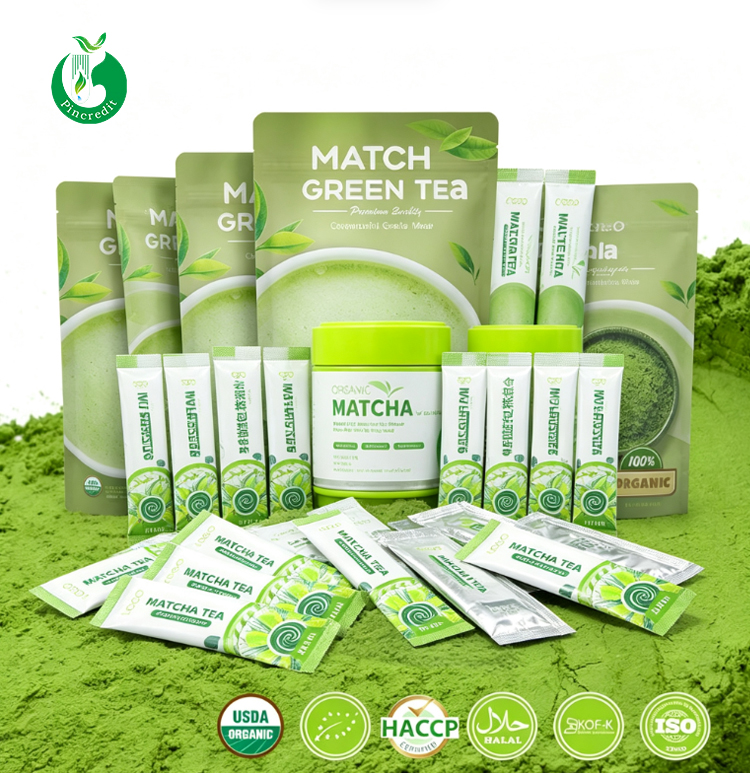
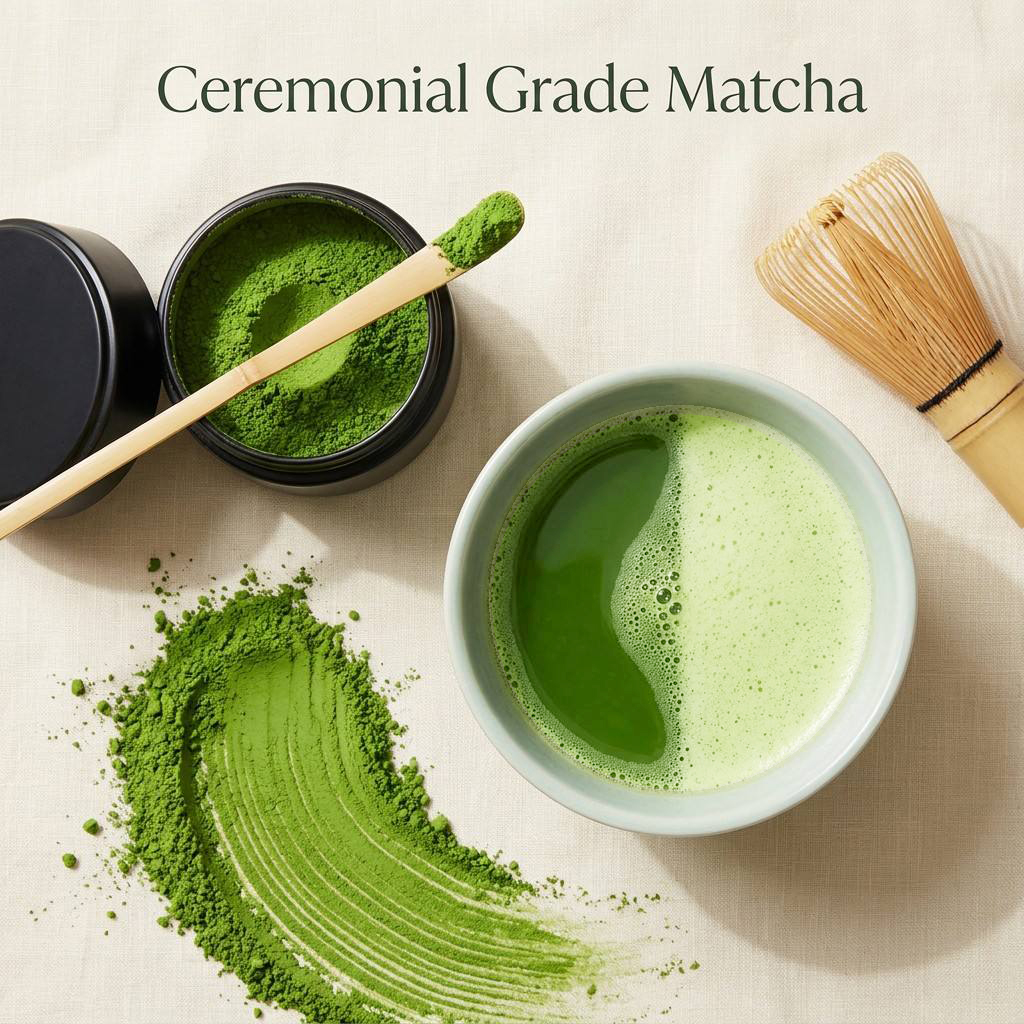
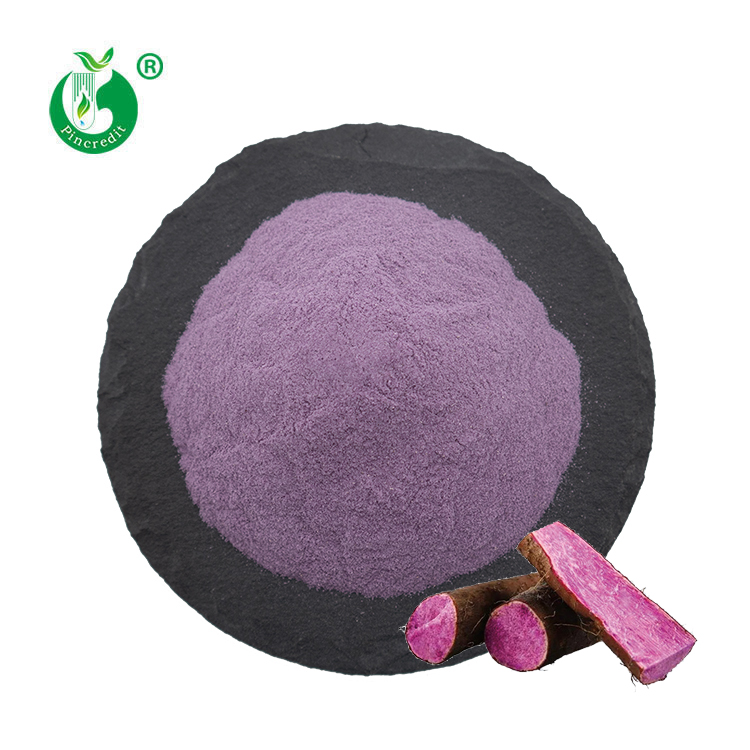
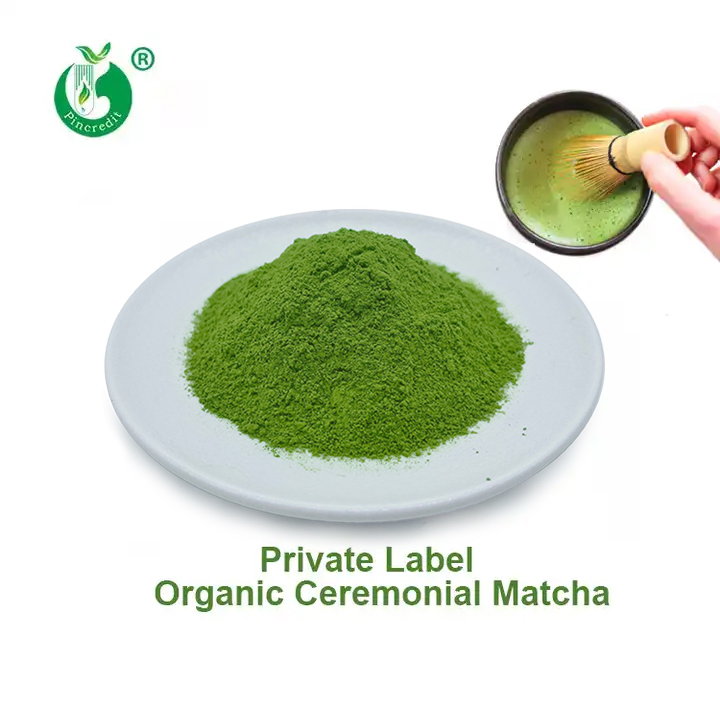
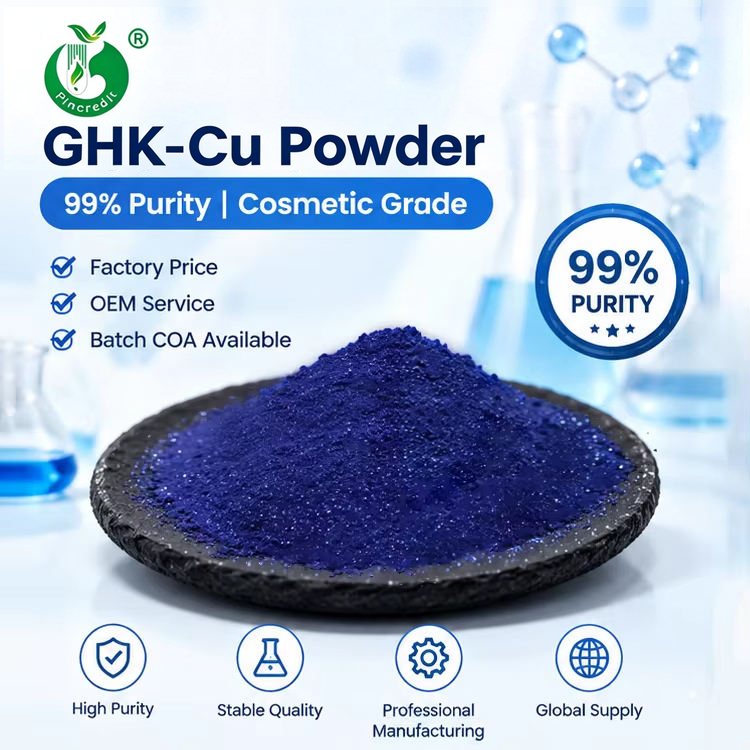
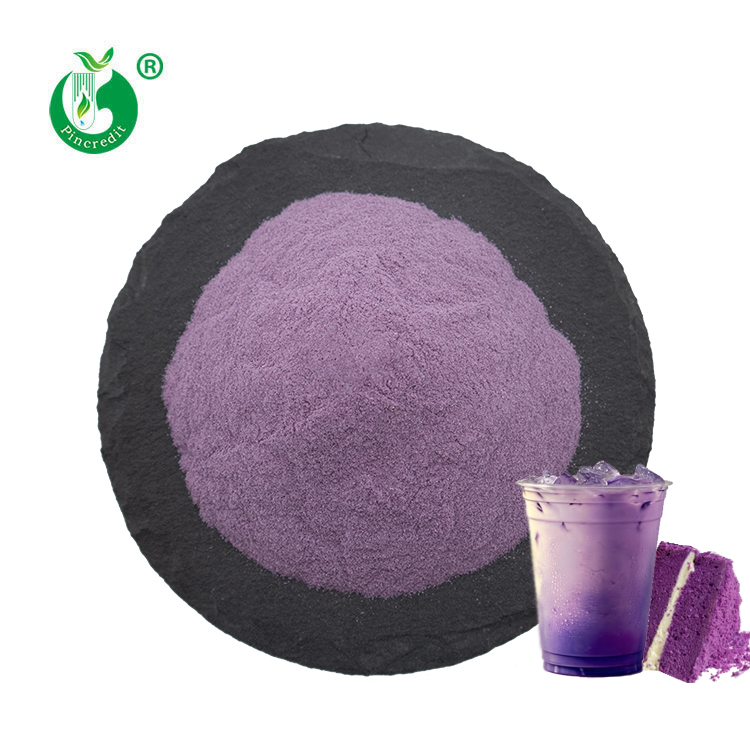
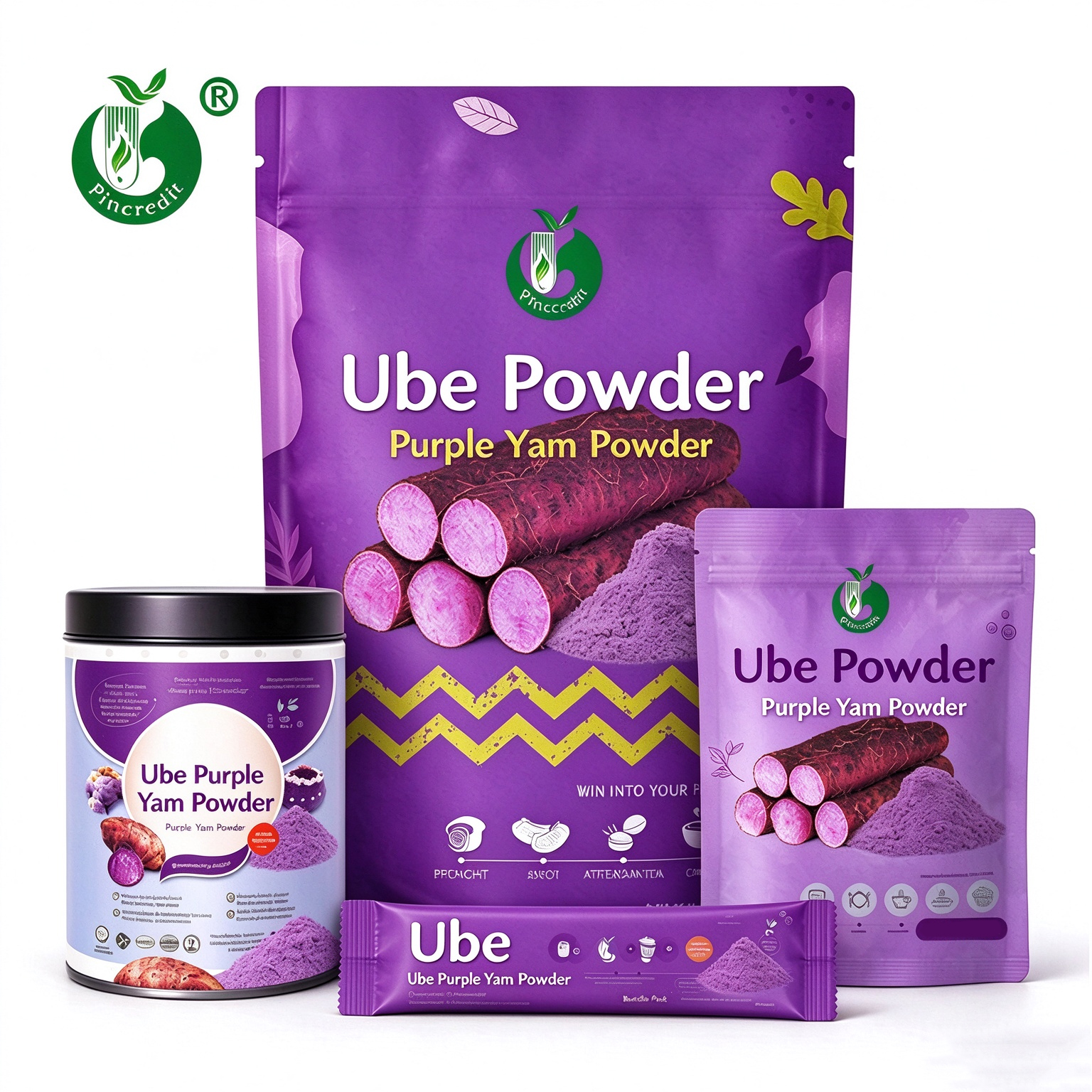
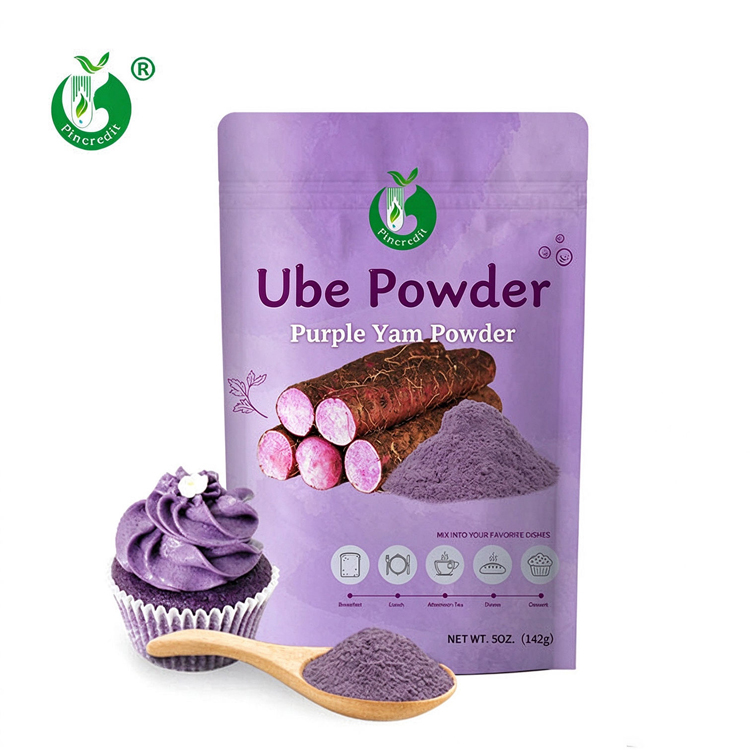
Whether formulating anti-glycation cosmetics with CAS-verified GHK-Cu Copper Peptides, reformulating clean-label dairy with anthocyanin-rich Dioscorea Alata purple yam extracts, or producing ready-to-drink functional beverages with polyphenol-dense shade-grown matcha, corporate sourcing directors must navigate critical operational variances between primary extractors and secondary repackagers. The top fruit and botanical extract manufacturers distinguish themselves by maintaining in-house HPLC/GC/UV capabilities, direct farm-gate procurement agreements, and strict control over solvent residual thresholds.
| Evaluation Parameter | Commodity Ingredient Brokers | Certified Strategic Manufacturers (Vexli Standard) |
|---|---|---|
| Raw Material Traceability | Spot-market procurement without origin agricultural tracking. | Direct origin-contracted harvests; full farm-to-extract chain of custody. |
| Active Marker Quantification | UV-Vis generic absorption estimates prone to false positives. | Compound-specific HPLC/LC-MS verification with verified retention indexes. |
| Pesticide Multi-Residue Testing | Sporadic internal testing; often lacking European Pharmacopoeia scope. | SGS / Eurofins third-party screened against BS EN 15662 multi-residue panels. |
| Extraction Architecture | Standard thermal evaporation risking degradation of volatile compounds. | Low-temperature vacuum concentration and microfiltration conserving polyphenols. |
| Regulatory Documentation | Generic, non-batch-specific specification templates. | Lot-specific COA, verifiable Heavy Metal ICP-MS data, Non-GMO, Halal & Kosher. |
Emerging Procurement Trends Shaping Fruit & Plant Extract Sourcing
Procurement workflows within the global nutraceutical and functional beverage sectors are undergoing seismic changes driven by regulatory tightening and heightened consumer scrutiny over ultra-processed components. Enterprise buyers are shifting their sourcing models based on three structural industry dynamics:
1. Standardization over Bulk Ratios
The historical procurement practice of buying "10:1" or "20:1" botanical extracts without quantitative chromatography is obsolete. High-growth product formulations specify validated percentages of active polyphenols, mogrosides, polysaccharides, or anthocyanins verified through High-Performance Liquid Chromatography (HPLC).
2. Zero Synthetic Solvent Residues
Stringent compliance bodies including the European Food Safety Authority (EFSA) and US FDA demand ultra-low limits on organic solvent residues. Water-extracted and grain-ethanol processes have replaced chlorinated or petrochemical extraction routes, guaranteeing cleaner toxicological profiles for functional foods.
3. Tailored Particle Engineering & Mesh Grading
Dispersion speed in instant beverage applications requires specialized physical particle processing. Sourcing agreements increasingly specify laser diffraction particle size metrics, demanding sub-micron milling (up to 450 mesh) for uniform liquid suspension and sedimentation prevention.
Engineering Excellence: The Xi'an Vexli Bio-Tech Manufacturing Edge
Anchored in Shaanxi Province's premier botanical extraction hub, Vexli combines advanced production assets with rigorous pharmaceutical-grade analytical verification.
Direct Origin Sourcing
Purchasing raw botanicals at farm level avoids adulteration risks in volatile wholesale spot markets and secures cost advantages for annual framework contracts.
SGS On-Site Audited
Verified physical operations with comprehensive facility evaluation, documented quality control loops, and independent third-party oversight across all units.
Proprietary Extraction Patents
Holder of invention patent ZL 2014 1 0464649.9 and continuous extraction utility models delivering superior purity levels and batch consistency.
Global Regulatory Readiness
Certified ISO 22000, HACCP, USDA Organic, EU Organic, Halal, and Kosher with standardized IATA DGR and IMDG export clearance documentation.
Frequently Asked Questions in Botanical & Fruit Extract Procurement
Direct technical answers addressing the critical operational parameters evaluated by quality control managers and global procurement executives.
How do analytical verification methodologies differ between UV-Vis and HPLC for fruit extracts?
UV-Vis spectrophotometry evaluates light absorption across a general wavelength band, making it useful for aggregate metric estimations like total polysaccharides or color value (E-value). However, it cannot differentiate target phytochemicals from similarly structured background compounds. High-Performance Liquid Chromatography (HPLC) separates molecules chromatographically, allowing definitive identification and quantification of specific active molecules (such as Mogroside V, L-theanine, or targeted polyphenol monomers) with verified peak purity, providing an unadulterated measure of potency.
What parameters are critical to verifying organic fruit extract compliance under USDA and EU regulations?
Beyond presenting an organic transaction certificate, importers must verify that the crop originates from certified land free from prohibited inputs for at least 36 continuous months. Chemically, the extract must undergo multi-residue pesticide screens using gas and liquid chromatography tandem mass spectrometry (GC-MS/MS, LC-MS/MS) following BS EN 15662 standards, ensuring that over 500 regulated pesticides read below the limit of quantification (typically <0.01 mg/kg). Processing aids must also comply with organic processing positive lists.
How does mesh size and particle distribution affect functional food blending and shelf stability?
Coarser botanical powders (80–120 mesh) provide superior flowability and lower hygroscopic clumping during automated capsule filling and tablet compression. Conversely, instant beverage powders, lattes, and clean-label dairy suspensions require ultra-fine particle sizes (300 to 450 mesh). Finer particles increase specific surface area, improving hydration speed and maintaining colloidal suspension without settling, which preserves consumer-facing visual uniformity.
What documentation is mandatory for smooth customs clearance of bulk plant powders into the US and Europe?
Shipments require a batch-specific Certificate of Analysis (COA) specifying heavy metal limits (Lead ≤0.5ppm, Arsenic ≤0.5ppm, Cadmium ≤0.2ppm, Mercury ≤0.1ppm), total plate count, yeast/mold, and pathogen negatives (Salmonella, E. coli). In addition, shipments must include a Safety Data Sheet (SDS) prepared under GHS format, non-irradiation declarations, allergen declarations, and non-dangerous goods transport classification reports (IATA DGR for air freight, IMDG Code for ocean freight) to prevent customs holds.
What are the standard Minimum Order Quantities (MOQs) and sampling protocols for commercial buyers?
Most high-potency extracts, standard fruit powders, and cosmetic peptides support trial MOQs beginning at 1 kg, accommodating pilot batch trials and analytical verification. Bulk commodity sweeteners and hydrocolloids (such as allulose or collagen peptides) typically ship in standard 25 kg fiber drums or 500 kg master pallets. Fully verified retain samples (50g–100g) are provided to qualified R&D and regulatory departments alongside full documentation prior to production run commitments.
Connect Directly with Our Botanical Engineering Team
Request comprehensive technical specifications, batch-specific Certificates of Analysis, or discuss custom mesh, formulation blending, and contract packaging with our specialists.
Get Catalog