Active Ingredients & Pharmacopeial Plant Extracts
Factory-direct bulk batches characterized by standardized assay HPLC/UV quantification, validated mesh profiles, low-temperature dehydration, and complete traceability dossiers.
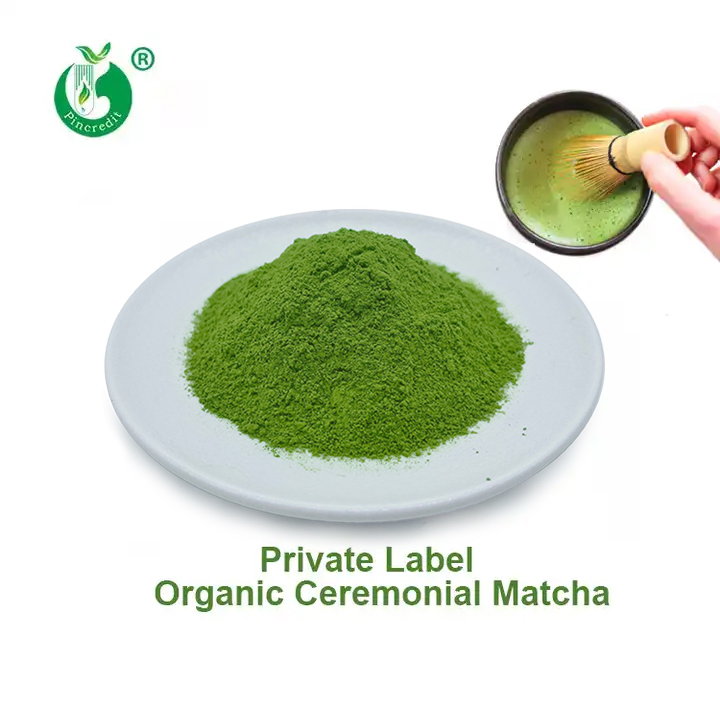
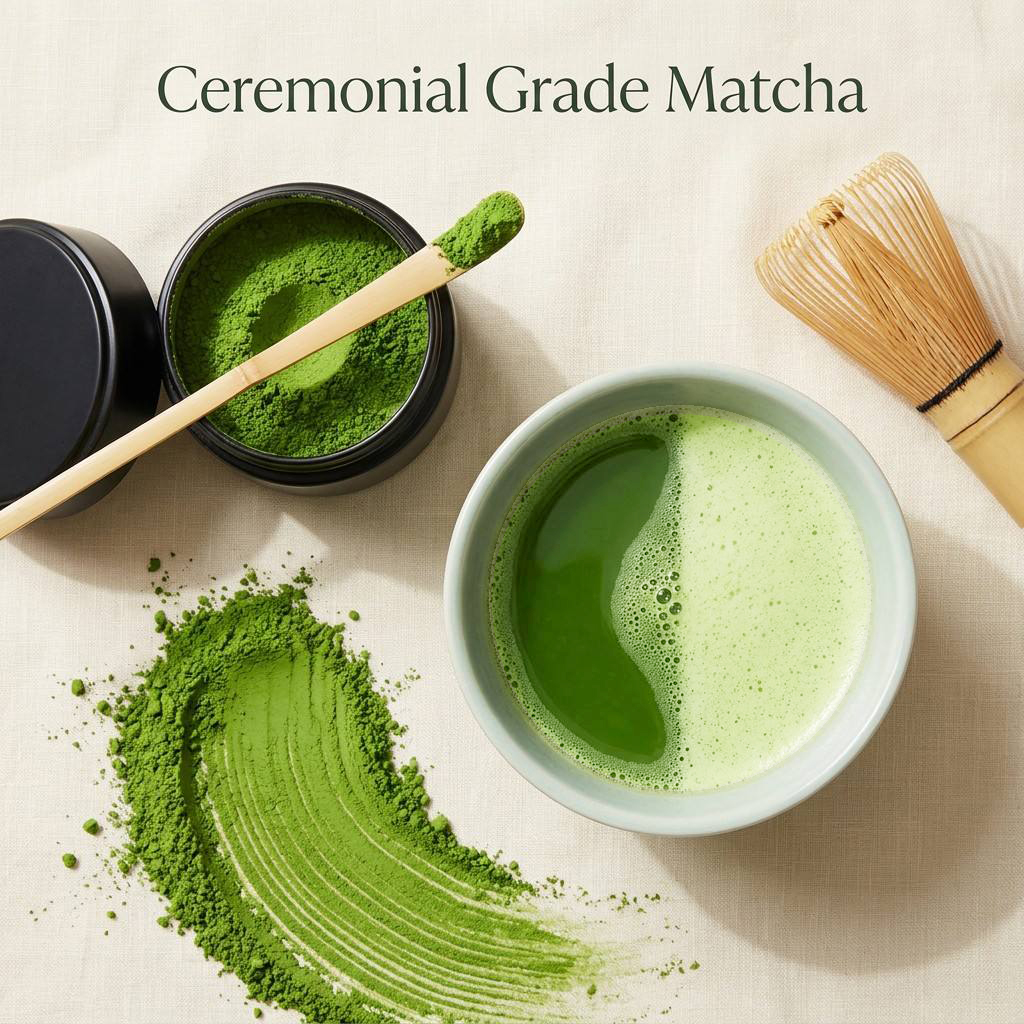
USDA Organic Certified Ceremonial Grade Matcha Powder for Tea Drinks
Stone-ground first-flush Camellia sinensis. Rich in L-theanine (>2.0%) and EGCG. BS EN 15662 pesticide compliant, ultra-fine 800–1000 mesh particle distribution.
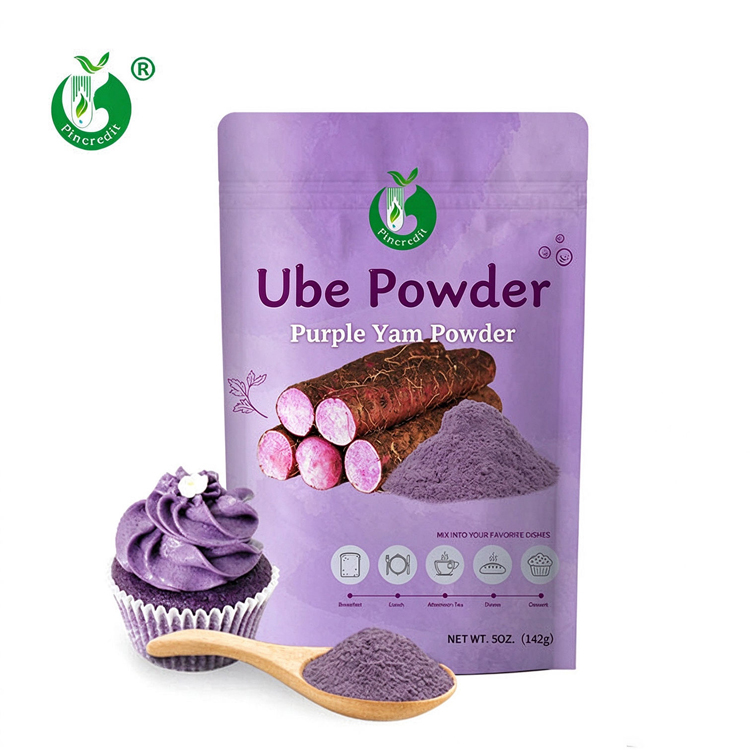
China Supplier Pincredit Wholesale Price Purple Yam Ube Powder
Vacuum spray-dried Dioscorea alata. 100% clean-label violet anthocyanins without artificial carriers. Instant aqueous dispersion, optimized for functional bakery and beverages.
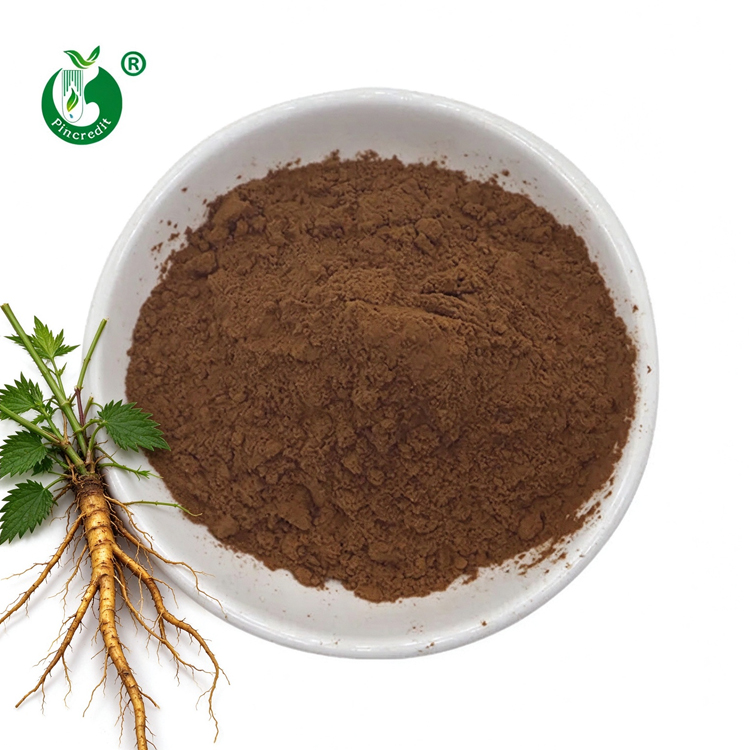
Factory Supply Wholesale Price Natural Urtica Dioica Stinging Nettle Root Extract
Standardized to 0.8% - 1.0% Beta-Sitosterol / Silica by HPLC. Hydro-ethanolic extraction protecting lignans and polyphenols. Target applications: prostate and metabolic health.
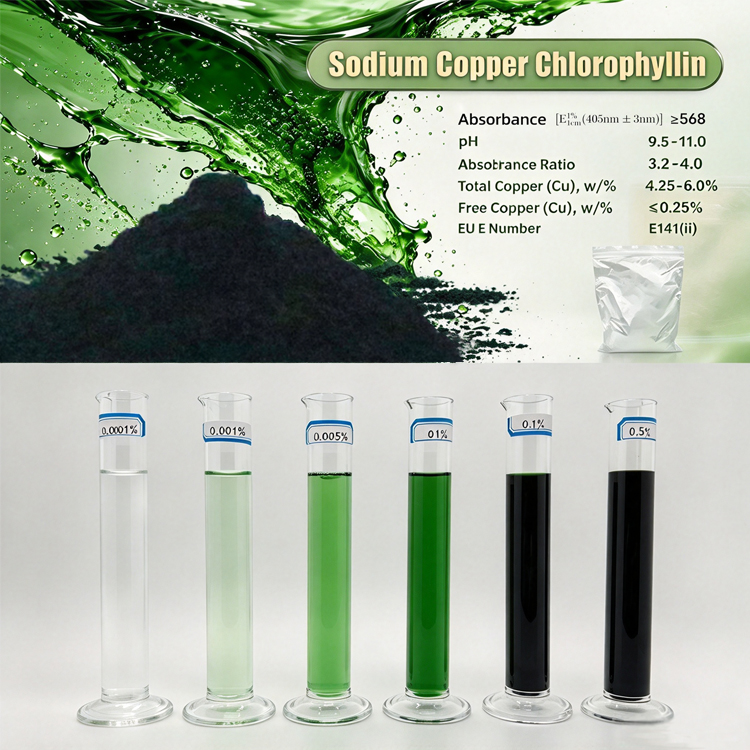
Factory Wholesale Mulberry Leaf Extract Chlorophyll 99% Sodium Copper Chlorophyllin
Morus alba L. origin. 99% pure water-soluble salt with superior thermal and photochemical stability. Widely implemented across functional detox formulations and oral care.
Custom Tin Packaging A-7A USDA Organic Matcha Free Sample Bulk Price Green Tea Ceremonial Grade Matcha Powder
Full turnkey OEM packaging. Food-grade nitrogen-flushed tinplate canisters (30g-100g) with tamper-evident seals. Complete batch testing covering microbiological and heavy metal assays.
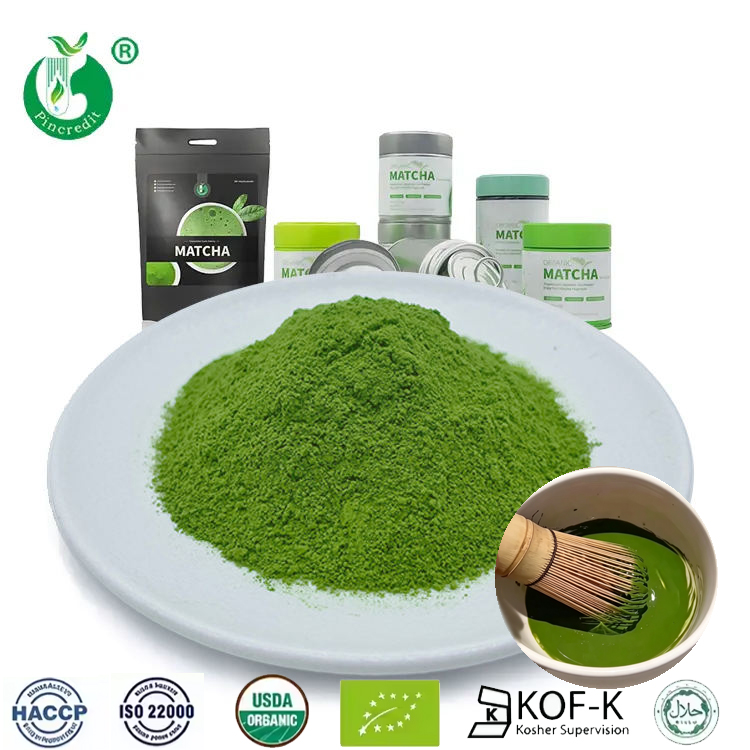
OEM Private Label Pure Matcha Free Sample Wholesale Price Organic Ceremonial Grade Matcha
Spring harvested shade-grown leaves. High chlorophyll saturation, intense umami profile without bitterness. Available in food service multi-ply aluminum nitrogen-sealed bags.
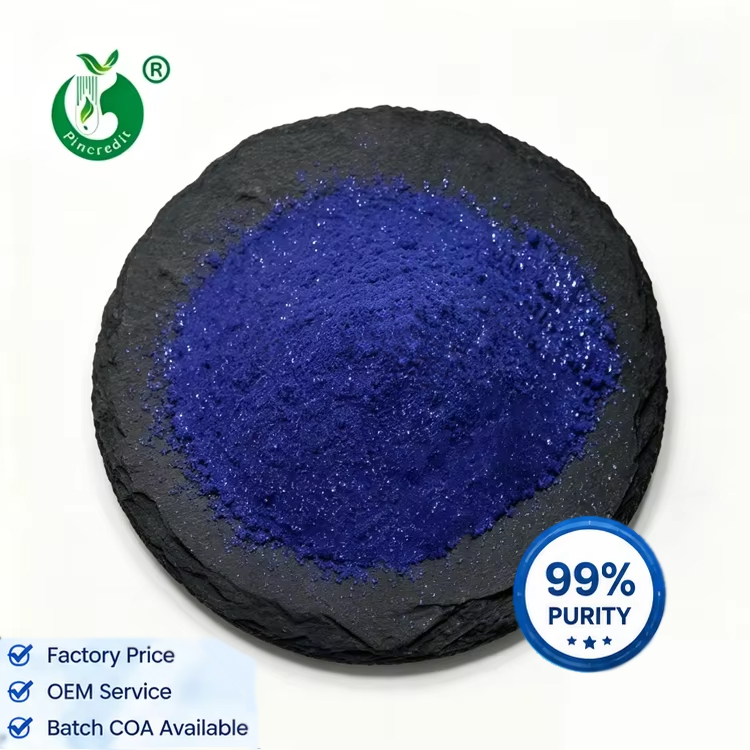
Pincredit Manufacturer Wholesale Price Cosmetic Grade 99% Raw GHK-Cu Blue Copper Peptide Powder
Synthetic/Bio-identical tripeptide copper complex. HPLC assay ≥99.0%, acetic acid content ≤5.0%, water content ≤7.0%. Benchmark active for cellular collagen remodeling.
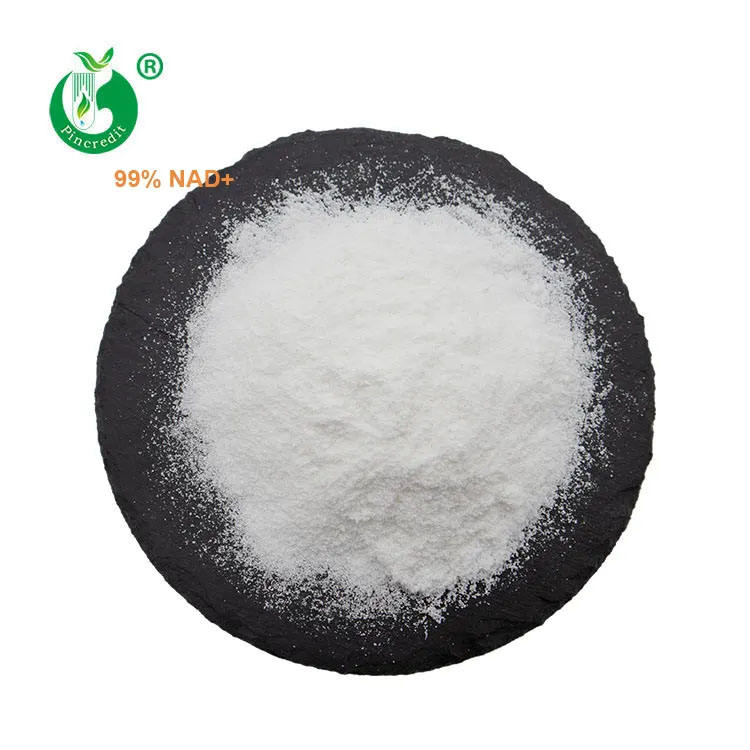
Pincredit High Purity 99% NAD+ NADH Private Lbel Bulk Nicotinamide Adenine Dinucleotide Raw NAD Powder
Coenzyme nucleotide raw material for anti-aging and mitochondrial replenishment. High molecular stability, ultra-low residual solvents, certified Kosher and Halal production.
Engineering Phytochemical Potency: The B2B Sourcing Protocol
Navigating botanical extract qualification requires evaluating analytical methodology, solvent chemistry, active molecular stability, and carrier excipient dynamics.
In modern contract supplement and functional food manufacturing, sourcing raw herbal powders based purely on raw mass cost per kilogram represents a major operational vulnerability. Crude herb milling differs drastically from fractional isolation and precision phytochemical standardization. When procurement teams evaluate an OEM/ODM herbal extract powder manufacturer, qualification must pivot around analytical validation: differentiating whether a botanical marker is quantified via High-Performance Liquid Chromatography (HPLC) with photodiode array detection, Ultra-Performance Liquid Chromatography coupled with mass spectrometry (UPLC-MS/MS), or broad-spectrum Ultraviolet-Visible (UV-Vis) spectrophotometry.
For example, measuring total polysaccharides in medicinal fungi (e.g., Ganoderma lucidum or Hericium erinaceus) utilizing traditional phenol-sulfuric acid UV assays often yields artificially elevated readings due to interfering starches and non-bioactive alpha-glucans. An authoritative botanical extract processor validates potency via enzymatic assay or liquid chromatography specifically targeting 1,3-1,6 Beta-D-Glucans, guaranteeing that formulators deliver verifiable clinical outcomes rather than inflated specification sheets.
Analytical Integrity Rule for Formulators
Never accept a generic Certificate of Analysis (COA) citing unspecified "titration" or unreferenced "UV" metrics for target phytochemicals. Demand chromatographic run conditions: retention time matching USP/EP reference standards, mobile phase composition, column chemistry, and verifiable limits of quantification (LOQ).
Furthermore, the physical behavior of extract powders inside high-speed rotary tablet presses, two-piece hard capsule encapsulators, or sachet stick-pack machinery depends entirely on downstream drying engineering. Spray-dried extracts without optimized carrier matrix engineering exhibit high hygroscopicity, leading to premature deliquescence and caking. Our industrial extraction infrastructure integrates controlled fluid-bed agglomeration and specialized carrier selection—offering non-GMO tapioca maltodextrin, native acacia fiber, or fully carrier-free agglomerated powders engineered with precise tap density (0.40–0.65 g/mL) and angle of repose (<30°) for maximum flowability.
| Extract Category | Key Marker Compounds | Standardized Assay | Optimal Carrier Matrix | Core Formulation Applications |
|---|---|---|---|---|
| Medicinal Fungi Extracts (Lion's Mane, Reishi, Chaga) |
1,3-1,6 Beta-Glucans, Triterpenoids, Erinacines | Enzymatic / HPLC (≥30% Beta-Glucan) | Carrier-Free / Organic Acacia Fiber | Nootropic RTD beverages, functional coffee, immunity capsules |
| Natural Phytopigments (Phycocyanin, Ube, Butterfly Pea) |
C-Phycocyanin, Anthocyanins, Delphinidin | Color Value (E18, E25, E40) / UV | Trehalose, Maltodextrin, Citrate | Clean-label beverage coloring, gummy confections, dairy alternatives |
| Endocrine & Adaptogenic Extracts (Stinging Nettle, Ashwagandha) |
Beta-Sitosterol, Withanolides A-D | HPLC (≥1.0% to 5.0%) | Non-GMO Corn Dextrin | Men's prostate vitality, hormone regulation, cortisol modulation |
| Cellular Bioenergetics / Coenzymes (NAD+, NADH, NMN) |
Nicotinamide Adenine Dinucleotide | Reverse-Phase HPLC (≥99.0%) | Crystalline / Direct Compressible (DC) | Sublingual tablets, anti-aging hard capsules, longevity premixes |
| Purified Phytochemical Salts (Sodium Copper Chlorophyllin) |
Copper Porphyrin Complexes | Photometric Assay (≥99.0%) | Water-Soluble Salt Matrix | Internal deodorants, detox oral care, topical cosmeceuticals |
Market Evolution & Technological Trends (2025–2030)
How regulatory tightening, clean-label shifts, and green extraction methodologies are reshaping botanical manufacturing economics.
Green Solvent Engineering & SFE-CO2
Global regulatory bodies, notably the European Commission (Regulation (EC) No 396/2005) and the US FDA, are enforcing stricter residual limits on volatile organic solvents. Petrochemical residues like hexane, acetone, and dichloromethane are systematically rejected by consumer-facing supplement houses. The industry is pivoting to subcritical and supercritical carbon dioxide (sCO2) extraction paired with food-grade bio-ethanol co-solvents. This yields zero solvent carryover, protects delicate thermolabile terpenes, and prevents chemical degradation of primary polyphenols.
Microencapsulation & Bioavailability
Crude phytochemicals typically suffer from poor intestinal bioavailability, rapid oxidation, and unfavorable sensory profiles (e.g., intense astringency or bitterness). Modern OEM processing utilizes fluid-bed microencapsulation, liposomal bilayer loading, and cyclodextrin complexation. These micro-matrix systems shield bioactive compounds from gastric acidic breakdown, improve dissolution rates in ready-to-drink formulations, and enable neutral sensory profiles without heavy reliance on artificial masking compounds.
Genomic Verification & Anti-Adulteration
Botanical adulteration remains an acute liability in supply chain governance. Conventional spectrophotometric testing fails when adulterants mimic specific UV spectra (such as synthetic rutin blended to mimic Ginkgo biloba flavonol glycosides). Procurement contracts now mandate DNA barcoding, High-Performance Thin-Layer Chromatography (HPTLC) fingerprinting, and isotope ratio mass spectrometry (IRMS) to establish authentic genus/species origin and confirm natural versus bio-synthetic provenance.
Future Procurement Dynamics: B2B Buying Criteria Evolution
Procurement directors within international nutraceutical and functional beverage brands are navigating supply-chain volatility characterized by climatic fluctuations, changing transport classifications, and evolving import regulations. In prior years, spot-purchasing raw powder inventories from intermediary trading companies dominated corporate purchasing. Today, tier-one brands forge direct relationships with integrated OEM/ODM primary botanical extraction manufacturers.
Three overarching purchasing trends dictate manufacturer qualification in 2025 and beyond:
- Ethylene Oxide (ETO) and Pyrrolizidine Alkaloids (PA) Absolute Zero Policies: Due to stringent European rapid alert notifications (RASFF), Tier-1 buyers require manufacturers to provide certified non-irradiation, non-ETO gas decontamination (utilizing precision pasteurization chambers), and low-level PA liquid chromatography testing below 1.0 mcg/kg limits.
- Turnkey Contract Packaging Integration: Moving beyond simple 25kg bulk corrugated fiber drums, procurement teams increasingly contract manufacturers capable of immediate secondary downstream packaging: nitrogen-purged hermetic canisters, single-serve multi-ply stick packs, blistered vegetive capsules (pullulan/HPMC), and retail-ready standing pouches with custom holographic labeling.
- ESG Traceability from Qinling Wild Harvest to Extraction Refineries: Full transparency into agricultural sourcing belts, fair compensation for wild-harvest botanical gatherers, water recycling in distillation lines, and complete non-GMO assurance represent standard elements of vendor audits conducted by global buyers.
Industrial Infrastructure & Technical Superiority
Xi'an Vexli Bio-Tech (Pincredit) combines deep Shaanxi botanical heritage with cutting-edge analytical isolation technology and global cGMP operational standards.
Headquartered in Xi'an within Shaanxi Province—the geographical epicentre of Chinese medicinal plant extraction and the Qinling Mountain bio-reservoir—our facility operates at the nexus of classical botany and industrial pharmaceutical engineering. Since 2014, Xi'an Vexli Bio-Tech Co., Ltd. has developed from a dedicated extraction workshop into a comprehensive bio-refinery exporting specialized natural colorants, high-purity longevity nucleotides (NMN, NAD+, NADH), standardized adaptogenic extracts, and organic ceremonial matcha to leading healthcare brands in over 30 countries.
Rather than relying on volatile spot-market brokerage, our raw botanical supply chain relies on direct agricultural origin integration and an audited manufacturing consortium of 25 certified cooperative factories. All finished extract lots undergo internal testing in our dedicated ISO 17025-aligned quality control laboratories, housing high-resolution Agilent HPLC arrays, Shimadzu Gas Chromatography (GC) systems for solvent profiling, and multi-mode UV-Visible spectrophotometers.
Invention Patent ZL 2014 1 0464649.9
Proprietary methodology for the selective extraction, purification, and molecular crystallization of protocatechuic aldehyde from Salvia miltiorrhiza (Danshen). Illustrates our team's foundational chemical capacity to isolate labile polyphenolic structures with enhanced yield and assay stability.
Utility Model Patent No. 14520048
Custom-engineered extraction tank architecture featuring dynamic fluid-flow recirculation and multi-layer ultrasonic agitation. Minimizes thermal gradient degradation and accelerates phytochemical mass-transfer efficiency while reducing solvent usage by 35%.
SGS On-Site Assessed Operations
Our extraction facilities, warehouse handling, and quality assurance frameworks are audited by SGS. We operate verified ISO 22000, HACCP, Halal, Kosher, USDA Organic, and EU Organic certified facilities, holding an unblemished record as an audited vendor to Fortune 500 nutritional enterprises.
Frequently Asked Technical Questions (FAQ)
Direct answers addressing formulation stability, regulatory documentation, batch validation, and contract manufacturing logistics.
We implement multi-point in-process controls (IPC) throughout the extraction sequence. Raw botanical inputs are segregated by harvest lot and evaluated for initial active content. During aqueous or ethanolic extraction, temperature, duration, and solid-to-liquid ratios are monitored digitally. Intermediate concentrates undergo rapid chromatographic profiling prior to spray-drying. If natural variance occurs, batches are blended utilizing validated homogenizers to meet targeted assay margins (e.g., exactly 1.0% Beta-Sitosterol ±0.05%), accompanied by an individualized Certificate of Analysis for each released lot.
For shipments destined for the European Union, the United States, and Japan, representative batch samples are screened under accredited BS EN 15662 and AOAC 2007.01 chromatographic methods via GC-MS/MS and LC-MS/MS. Our screening envelopes over 500 regulated agricultural compounds, ensuring complete adherence to EU Maximum Residue Limits (MRLs) and USP <561> guidelines. Third-party testing validation via independent laboratories such as SGS, Eurofins, or Pony Testing is supplied upon commercial order confirmation.
Yes. We specialize in precision physical parameter engineering. Through specialized jet-milling, cryogenic pulverization, and vibrating ultrasonic sieving arrays, we generate particles ranging from standard 80 mesh (suitable for capsule filling) up to 450–1000 mesh micro-powders (essential for suspension stability in instant functional beverages and cosmetic bases). We tailor tap density to match capsule volumetric capacity and provide full carrier flexibility: carrier-free, non-GMO maltodextrin, gum arabic, or organic inulin.
Every commercial export shipment is released with a comprehensive regulatory dossier: Batch-Specific Certificate of Analysis (COA), Technical Data Sheet (TDS), Safety Data Sheet (SDS / MSDS according to GHS standards), Allergen Statement, Non-GMO Attestation, BSE/TSE Free Declaration, Residual Solvents Statement (USP <467>), and Animal Testing Exclusion Certificate. For organic consignments, USDA and EU Organic Transaction Certificates (TC) are generated through our certifying bodies.
Fine botanical powders can occasionally trigger transport friction if flagged improperly under dust explosion or chemical hazard codes. We supply independent Certification for Safe Transport of Chemical Goods by Air (IATA DGR) and Sea (IMDG Code). In addition, our experienced logistics department ships under flexible Incoterms—including EXW, FOB, CFR, CIF, and full DDP (Delivered Duty Paid)—managing customs documentation, tariff codes (HS Code classification), and port clearances seamlessly.
To support R&D formulation cycles and emerging brand trials, our standard catalog botanical powders and active longevity coenzymes (NAD+, NMN) start at an accessible 1 kg MOQ. Specialty bulk tolling or customized extraction specifications generally carry a 25 kg to 100 kg threshold depending on raw herb scarcity. For complete turnkey contract packaging (custom printed tins, printed pouches, or blister packs), MOQs range from 500 to 2,000 units depending on packaging format complexity.
Request Technical Specifications, COA Dossiers & Working Samples
Partner directly with a certified botanical extract manufacturer. Submit your target active assay, preferred mesh specification, intended delivery format, and annual projected volume. Our technical formulation engineers will respond with batch documentation and bench samples within 24 hours.
Send an Inquiry