$29.5M
Assessed Annual Export Volume
30+
Global Target Markets
25
Audited Partner Extraction Plants
100%
Batch Traceability & HPLC Verification
Core Ingredients Portfolio
Featured Standardized Botanicals & Bioactives
Fully customized mesh sizes, HPLC/UV calibrated active assays, and batch-released documentation compliant with FDA, EU, and global food frameworks.
Future Procurement Trends in the Global Botanical Powder Supply Chain
The global dietary supplement, functional food, and clean-label cosmetic sectors are experiencing profound structural transformations. Procurement directors and supply chain executives no longer prioritize solely spot-price transactions; modern procurement strategies require uncompromised provenance integrity, molecular standardization, and regulatory transparency. As regulatory authorities worldwide enforce rigorous anti-adulteration protocols, enterprise buyers are adjusting their vendor qualification matrices according to four critical pillars:
Molecular Assay Quantification
The industry is transitioning definitively away from non-specific spectrophotometric metrics toward validated chromatography standards. Enterprise purchasers now specify HPLC (High-Performance Liquid Chromatography) and LC-MS to verify target bioactives—such as specific mogroside isomers, NAD+/NADH enzymatic ratios, or epigallocatechin gallate (EGCG) fractions—preventing non-targeted plant filler adulteration.
Hyper-Clean Origin Traceability
Consumer scrutiny regarding artificial processing agents has elevated demand for non-synthetic extraction media. Water-extracted and bio-fermented botanical ingredients produced without ethyl acetate, hexane, or chlorinated hydrocarbons dominate future long-term contracts. Multi-residue pesticide clearance matching BS EN 15662 requirements is becoming mandatory for transatlantic cross-border compliance.
Agile OEM Customization from 1 kg
Traditional multi-ton MOQs imposed by legacy chemical houses prevent high-growth brands from executing rapid formulation trials. The dominant procurement trend points toward agile contract manufacturers who provide custom mesh calibration (80 to 450 mesh), micronization, and proprietary clean-label pre-blends starting at flexible 1 kg pilot volumes up to 50-metric-ton bulk distributions.
Analytical Quality Control
COA Dissection & Critical Verification Checklist
Do not evaluate botanical raw materials on nominal purity claims alone. Evaluate suppliers on physical characterization, chromatographic validation, and jurisdictional safety clearance.
| Analytical Parameter | Primary Testing Standard | Critical Technical Significance for Formulators |
|---|---|---|
| Target Actives Assay | HPLC / LC-MS / GC-FID | Differentiates true isolated molecules (e.g., pure NAD+, CoQ10 98%, Mogroside V) from non-specific UV absorption values prone to botanical interference. |
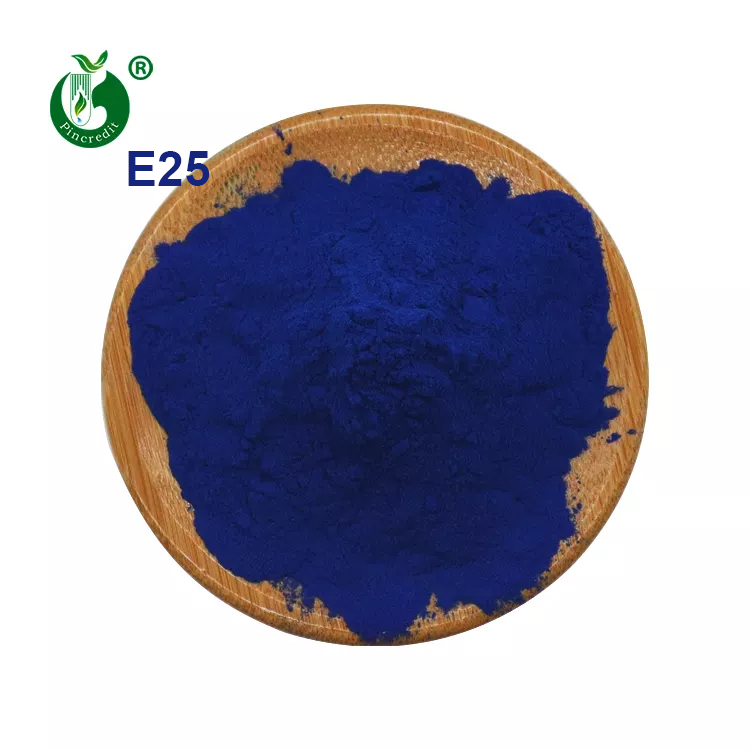
| Color Quantification (E-Value) | Spectrophotometry (618 nm / 652 nm) | For spirulina extract (phycocyanin E18 vs E25), color value determines the exact dosage per unit batch, directly controlling formulation cost-in-use. |
| Particle Micronization (Mesh) | Vibrating Air-Jet Sieve Analysis | Ranging from 80 mesh (ideal for automated capsule filling flowability) up to 450 mesh ultra-fine powders (essential for suspension in ready-to-drink lattes). |
| Pesticide Multi-Residue | LC-MS/MS & GC-MS/MS (BS EN 15662) | Screening across 500+ agricultural compounds guarantees unrestricted clearance into European Union, UK, and North American organic certified pipelines. |
| Heavy Metal Limits | ICP-MS (Inductively Coupled Plasma) | Ensures strict conformance to California Proposition 65 and EU Regulation (EC) 1881/2006 limits for Lead (Pb), Arsenic (As), Cadmium (Cd), and Mercury (Hg). |
| Microbiological Integrity | USP <2021> / <2022> / AOAC | Quantifies Total Plate Count (<1,000 CFU/g), Yeast & Mold (<100 CFU/g), while guaranteeing complete absence of E. coli, Salmonella, and S. aureus. |
| Aviation & Maritime Classification | IATA DGR / IMDG Transport Code | Non-dangerous goods identification certification verifying ultra-fine powders will not be held by international customs or airline freight carriers. |
Manufacturing Authority
Why Global Enterprises Partner with Vexli Bio-Tech
Direct herbal cultivation origins, patented isolation engineering, and certified food safety management audited directly by SGS on site.
Shaanxi Origin-Direct Supply
Headquartered in Xi'an, Shaanxi Province—the historical heartland of herbal cultivation—we bypass volatile spot markets. By consolidating production across our audited network of 25 dedicated manufacturing facilities and managing 1,250 m² of specialized warehouse infrastructure, we ensure raw material stability across fluctuating economic cycles.
Validated Fortune 500 Vendor
Operating as a qualified raw material supplier to Fortune 500 corporations, Vexli Bio-Tech implements strict in-process QA/QC protocols. We hold official national High-Tech Enterprise status, possessing proprietary Invention Patents (ZL 2014 1 0464649.9) and Utility Model Patents for next-generation botanical extraction machinery.
Rigorous International Credentials
Our production ecosystems maintain continuous system-level certifications including ISO 22000, HACCP, Halal, Kosher, USDA Organic, and EU Organic. Every dispatched lot includes verified analytical COAs, safety datasheets (MSDS), non-GMO declarations, and optional independent third-party SGS pesticide screening dossiers.
Advances in Botanical Powder Extraction & Processing
The processing of functional plant extracts has evolved far beyond conventional high-heat decoctions that degrade thermolabile compounds. Modern manufacturing lines utilize sophisticated cold-temperature concentration, supercritical CO2 fractionation, and vacuum membrane separation to preserve molecular bioactivity while enhancing bulk flowability:
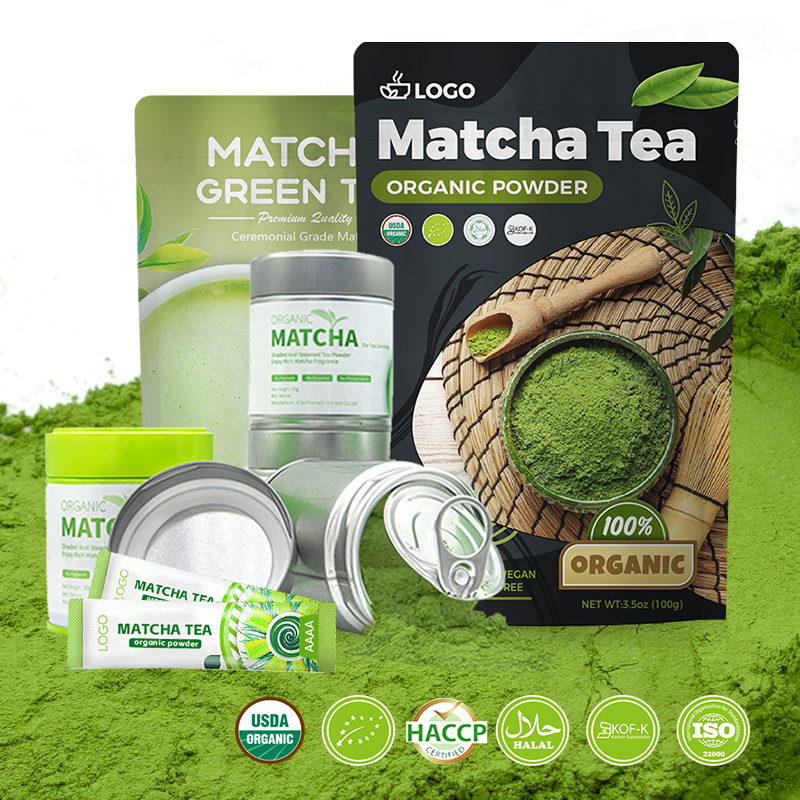
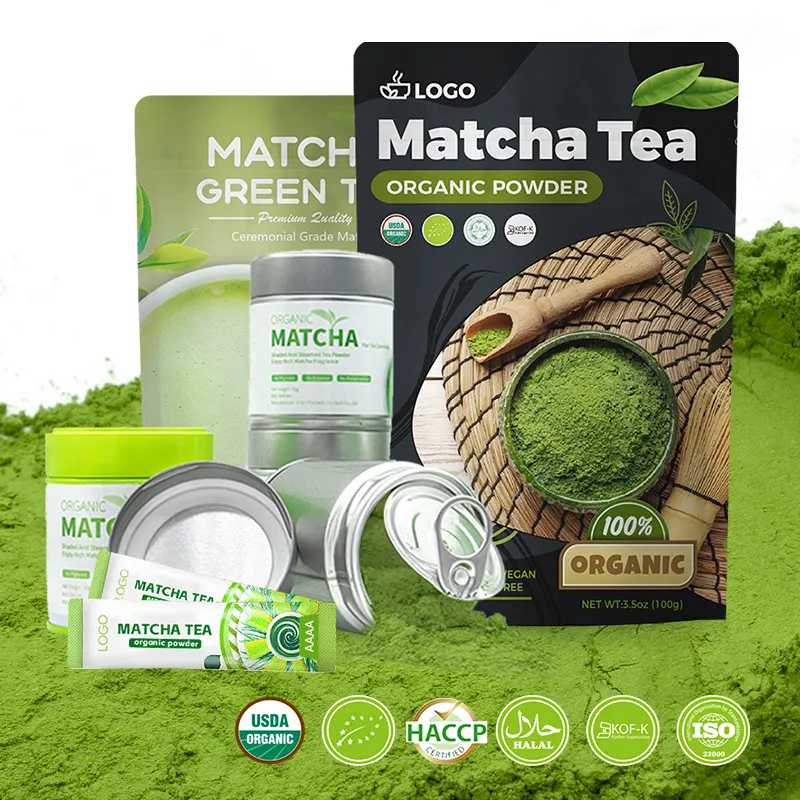
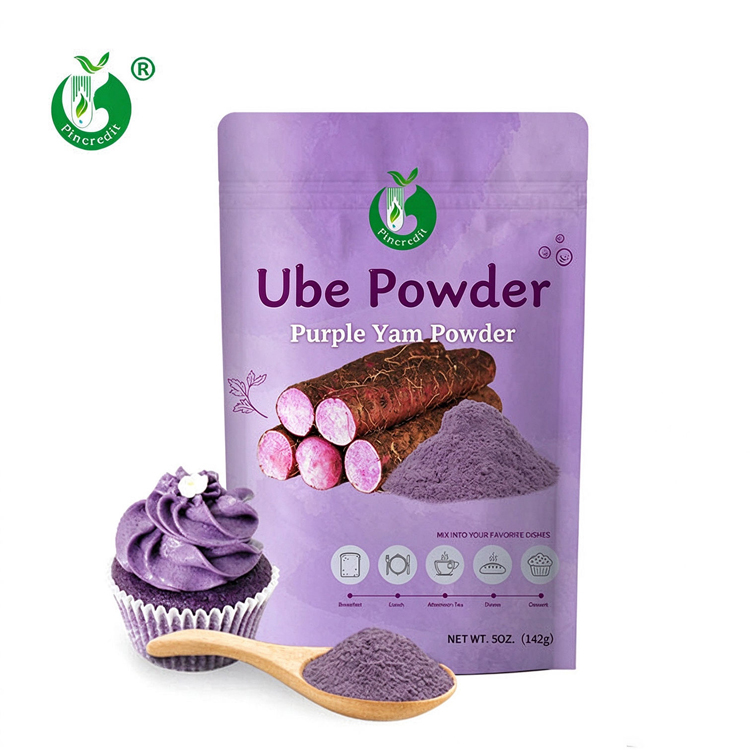
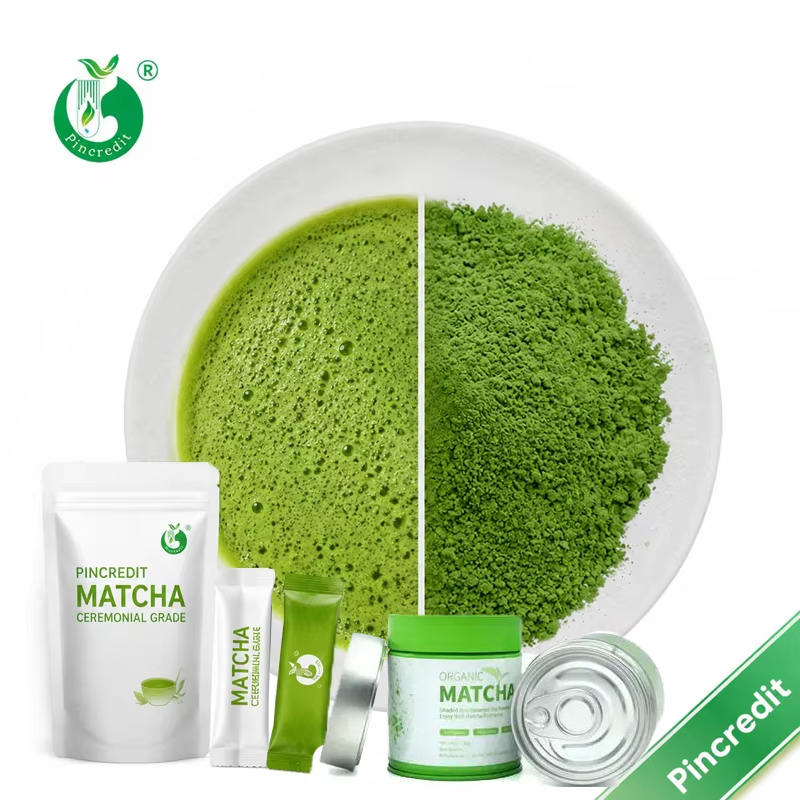
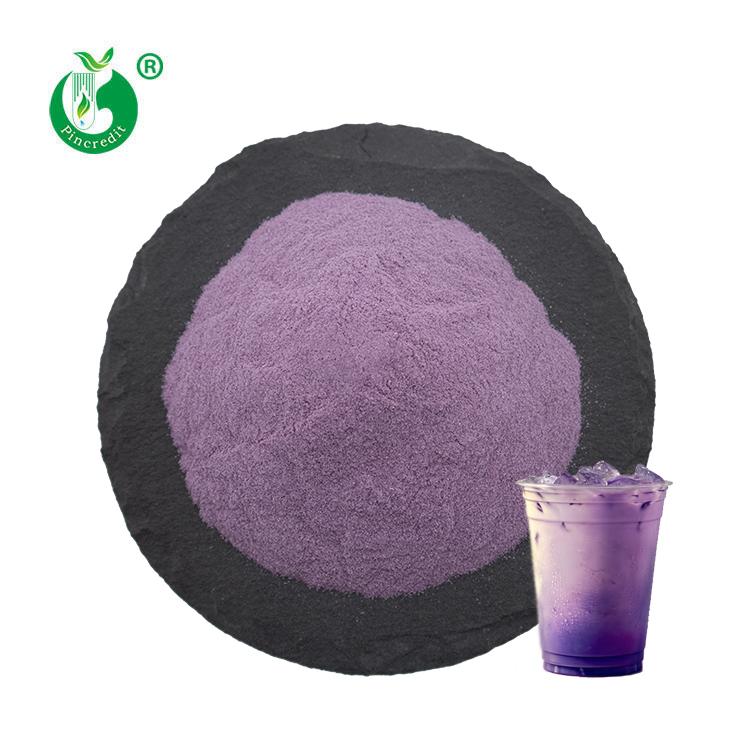
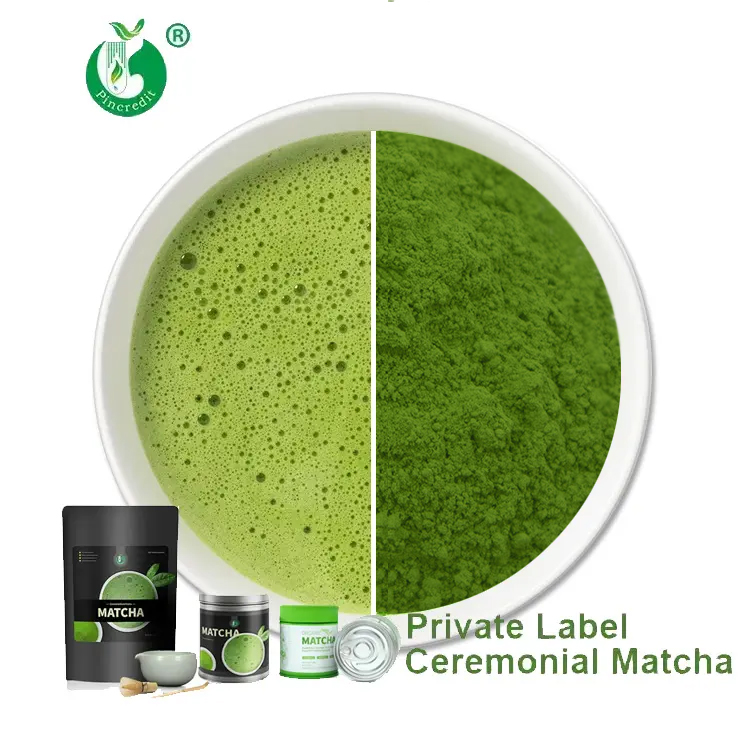
1. Low-Temperature Continuous Vacuum Extraction: Operating under controlled vacuum pressures, water and hydro-ethanolic extraction occur at temperatures below 55°C. This prevents heat-induced caramelization and preserves delicate polyphenol profiles in our ceremonial matcha and anthocyanin structures in purple yam (ube) and butterfly pea extracts.
2. Precision Spray Drying & Agglomeration: Fluidized-bed spray towers atomize refined extract slurries under precise inlet/outlet heat parameters. This controls uniform particle morphology, reduces hygroscopic tendencies, and produces instantaneous cold-water dispersion essential for clean-label beverage applications without requiring chemical carriers like maltodextrin unless explicitly requested.
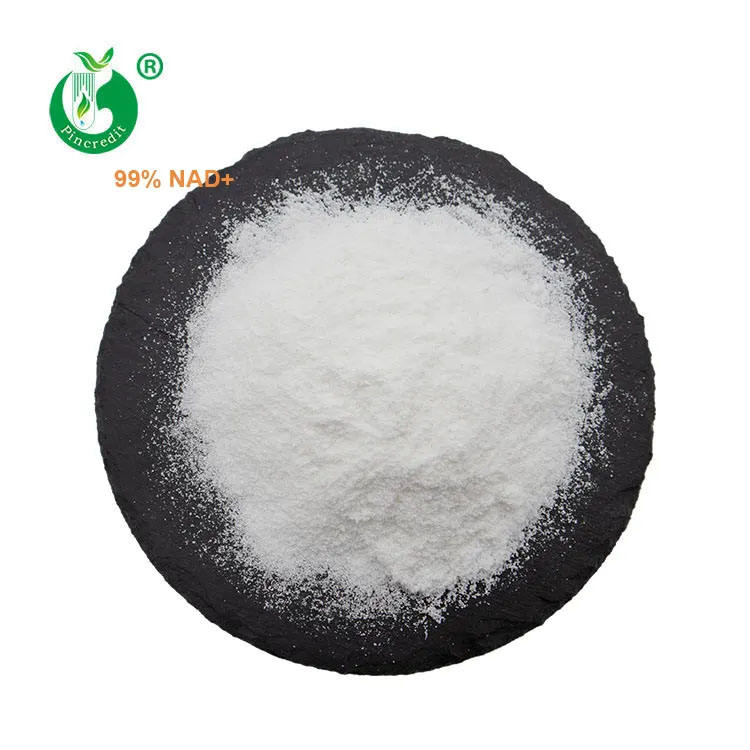
3. Advanced Biocatalysis & Enzymatic Synthesis: For advanced longevity bioactives such as NAD+, NADH, and NMN, enzymatic biosynthesis pathways have replaced hazardous organic chemical synthesis. This achieves up to 99% molecular stereospecificity, eliminates harmful chiral impurities, and yields active coenzymes immediately recognized and utilized by metabolic cellular pathways.
Procurement Intelligence
Frequently Asked Procurement & Technical Questions
Direct operational answers to streamline your vendor auditing, contract reviews, and importation procedures.
Most active botanical extracts, natural color pigments, and specialty items (such as Ceremonial Matcha, Phycocyanin E18/E25, and high-purity NAD+/NADH raw powders) feature a low flexible entry MOQ starting from just 1 kg. Specialized bulk commodities operate with tailored scale thresholds: marine fish collagen peptides begin at 25 kg, crystalline D-Allulose at 50 kg, and high-volume amino acids such as Creatine Monohydrate start from 500 kg.
Every production batch undergoes primary internal release testing covering identity, assay, loss on drying, ash, and microbiology. In addition, for organic shipments destined for Europe or North America, we commission comprehensive multi-residue pesticide screening conducted by SGS or Eurofins according to the European standard BS EN 15662. Transaction certificates (TC) are generated under USDA-NOP and EU Organic regimes to ensure regulatory acceptance at entry ports.
We provide full-spectrum Contract Manufacturing (OEM/ODM). Beyond supplying bulk drums, our services encompass: customized mesh micronization (from 80 mesh up to 450 mesh); proprietary active functional blending; custom sweetening index matching; and packaging into end-use retail formats including standing zip pouches, glass jars, aluminum tins, and pre-measured single-serve sachet sticks branded with your client artwork.
We accommodate all global Incoterms including EXW, FOB, CFR, CIF, FCA, and full-service DDP (Delivered Duty Paid), taking complete operational ownership of customs clearance directly to your warehouse facility. Payment mechanisms include Wire T/T, Letter of Credit (L/C), D/P, D/A, Credit Card, PayPal, and Western Union. We invoice in USD, EUR, GBP, CAD, AUD, JPY, CHF, HKD, and CNY.
Yes. Qualified brand developers, contract packagers, and research institutions can request free evaluation sample kits (typically 50g–200g). Samples are dispatched rapidly via international express along with the lot-specific Certificate of Analysis, allowing internal R&D, sensory panels, and QA laboratories to verify solubility, taste profiles, color intensity, and active assays prior to signing master purchase agreements.