High-Purity Phytochemicals & Certified Botanical Powders
Verified manufacturing lots engineered for global brand compliance. Each product is produced under cGMP-aligned controls with complete HPLC assay quantification, BS EN 15662 multi-residue pesticide clearance, and international food safety credentials.
The Shifting Paradigms in Global Botanical Ingredient Procurement
Strategic analysis of regulatory transitions, analytical validation standards, and macro supply dynamics across the China herbal manufacturing belt.
Stringent Regulatory Convergence
Global regulatory bodies (US FDA 21 CFR Part 111, European Food Safety Authority EFSA, and Health Canada) have tightened requirements regarding identity testing, heavy metal tolerances, and multi-residue pesticide limits. Procurement heads can no longer accept generic certificates. The requirement for validated HPLC/UHPLC testing and BS EN 15662:2018 multi-residue screens across 500+ agricultural compounds is now a baseline prerequisite for customs clearance and brand risk mitigation.
Clean-Label & Solvent-Free Mandates
Consumers are demanding natural formulation integrity without synthetic excipients or petrochemical carrier residues. Commercial preference has moved decisively toward subcritical water extraction, super-critical carbon dioxide (scCO2) isolation, and high-vacuum low-temperature concentration. Sourcing agents prioritize manufacturing lines utilizing maltodextrin-free drying carriers, clean-label acacia gum encapsulation, and certified organic natural origin status.
Standardized Phytochemical Markers
Crude extraction ratios (e.g., 10:1, 20:1) are rapidly being decommissioned by professional formulators in favor of standardized bioactive marker targets. Brands require verified molecular concentrations: standardized polysaccharides via spectrophotometry, specific ginsenosides by HPLC, total theaflavins, and intact anthocyanin bioactives. Predictable in vivo efficacy demands exact chromatographic profiling from agricultural origin to batch release.
Advanced Separation & Refinement Technology Matrix
How technical extraction engineering protects thermolabile active compounds and maintains consistent physicochemical batch specifications.
| Extraction & Purification Phase | Engineering Mechanism | Technical Impact on Active Compound | Target Bioactive Classes | Regulatory Standard |
|---|---|---|---|---|
| Continuous Counter-Current Extraction | Multi-stage automated aqueous/ethanolic temperature-controlled counter-flow immersion. | Prevents thermal degradation of sensitive polyphenols; maximizes active recovery yield >96%. | Camellia Sinensis catechins, Theaflavins, Polysaccharides | ISO 22000 / cGMP |
| Macroporous Resin Chromatography | Selective adsorption using specialized polymeric resins followed by gradient alcohol desorption. | Eliminates heavy molecular starches and fibers; enriches active compound purity from crude state to ≥98%. | Mogrosides, Ginsenosides, Anthocyanins | EP / USP Compliant |
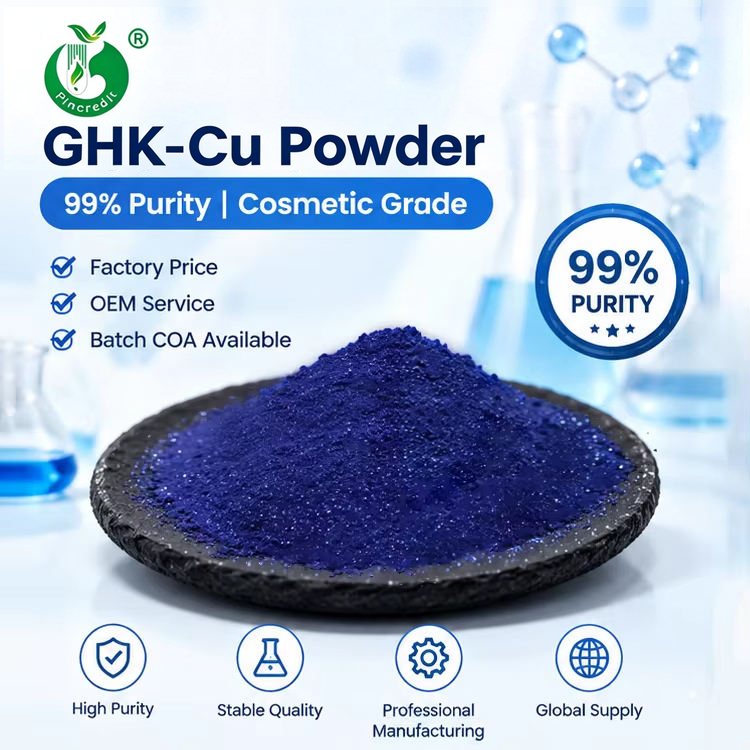
| Ceramic Membrane Ultrafiltration | Cross-flow semi-permeable molecular weight cut-off (MWCO 5,000–50,000 Dalton) separation. | Removes macro-proteins, pectin, and inorganic salts without phase change or heat exposure. | Peptides (GHK-Cu), Instant Teas, Phycocyanin | Non-Thermal Physical |
| Low-Temp Falling Film Vacuum Evaporation | Continuous thin-film boiling under -0.08 to -0.095 MPa vacuum at operating temperatures ≤48°C. | Evaporates extraction menstruum rapidly without initiating Maillard caramelization or bio-inactivation. | Herbal liquid concentrates, Heat-sensitive vitamins | VOC Zero-Emission |
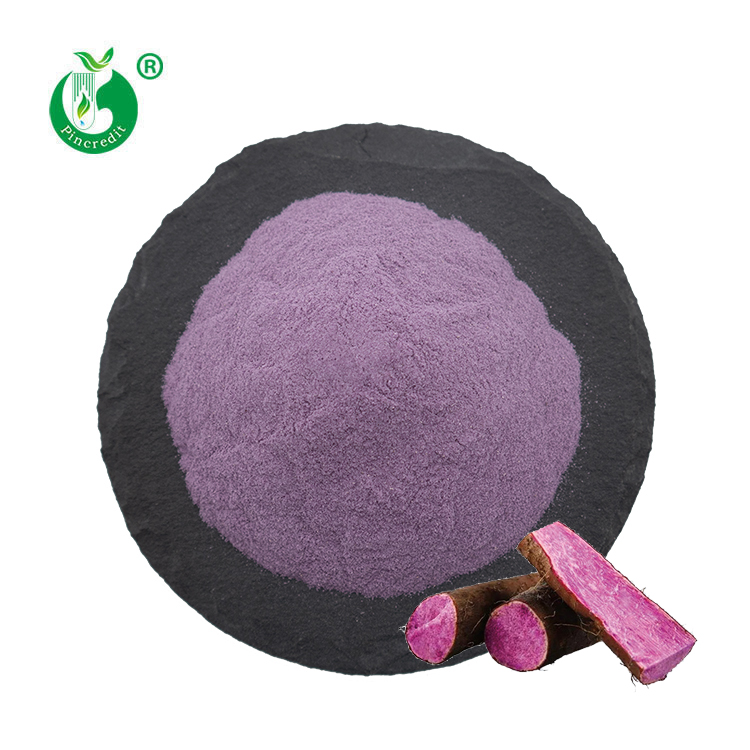
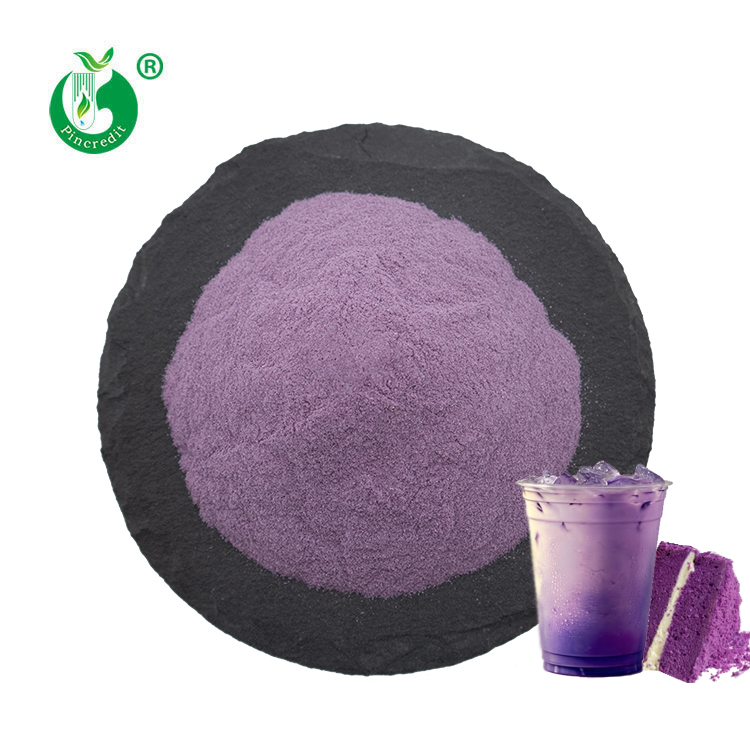
| Lyophilization / Aseptic Spray Drying | Sublimation deep-freeze drying (-50°C) or atomized micro-droplet flash moisture stripping. | Controls particle bulk density (0.35–0.65 g/ml), creates instant cold-water solubility and 80–500 mesh size. | Pure NAD+, Ube Purple Yam, Matcha powder | HACCP Controlled |
Xi'an Vexli Bio-Tech: Pioneer in Botanical Science
Headquartered in Xi'an, Shaanxi Province, Xi'an Vexli Bio-Tech Co., Ltd. operates at the strategic heart of China's pharmaceutical and botanical agriculture zone. Our comprehensive facility structure merges origin-level farm gate tracing with pharmaceutical-grade downstream processing.
Rather than functioning merely as an export trade agent, Vexli operates certified R&D formulation laboratories, pilot extraction arrays, and an audited network of 25 dedicated manufacturing plants. Our facility is assessed on-site by SGS, confirming world-class standards across personnel hygiene, in-process analytical checkpoints, raw material segregation, and warehouse climatic control.
- National Invention Patent ZL 2014 1 0464649.9: Patented high-yield isolation and purification protocol for protocatechuic aldehyde from Salvia miltiorrhiza (Danshen).
- Utility Model Patent No. 14520048: High-efficiency automated solid-liquid botanical extraction apparatus preventing solvent channeling and active compound degradation.
- Global Regulatory Accreditations: Fully certified under ISO 22000, HACCP, USDA Organic, EU Organic, Halal, and Kosher supervision. Qualified partner to Fortune 500 enterprises.
- Total Analytical Self-Sufficiency: On-site Shimadzu HPLC, Agilent GC-MS, UV-Vis Spectrophotometers, and Class 10,000 clean air microbiological culture suites.
Strategic Quality Control Architecture
How to Audit an Herbal Extract COA: Information Gain Matrix
Scientific criteria and analytical methods to protect your formulation against economic adulteration and regulatory rejections.
1. Assay Quantification: HPLC vs. UV-Vis Discrepancies
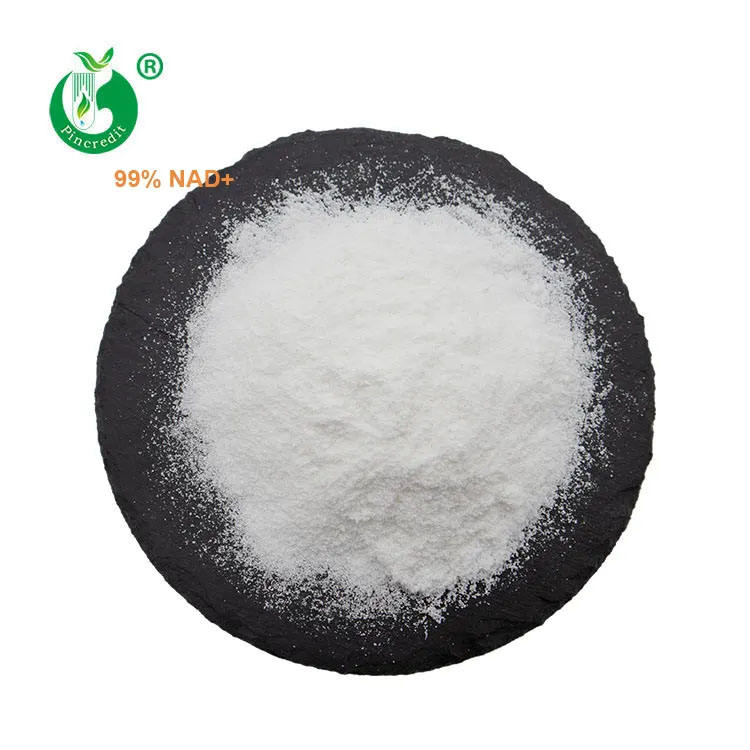
A frequent point of economic adulteration is declaring high percentages via non-specific UV-Vis spectrophotometry instead of High-Performance Liquid Chromatography (HPLC). UV-Vis reads broad absorbance bands and can be artificially inflated by exogenous compounds or degradation products. Formulators must insist on HPLC with authentic reference standards (USP/EP) for compounds like NMN, NAD+, GHK-Cu, and ginsenosides to confirm authentic molecular concentration.
2. Multi-Residue Pesticide Compliance (BS EN 15662)
For botanical powders imported into North America, the European Union, or Australasia, basic agricultural certificates are insufficient. Ensure testing reports demonstrate compliance with BS EN 15662 (GC-MS/MS and LC-MS/MS) screening over 500 chemical pesticides. Pay critical attention to organic phosphates, chlorpyrifos, and neonicotinoids, ensuring zero readings above established Limits of Quantitation (LOQ < 0.01 mg/kg).
3. Heavy Metal ICP-MS Speciation
Inductively Coupled Plasma Mass Spectrometry (ICP-MS) is the mandatory gold standard for Lead (Pb), Arsenic (As), Cadmium (Cd), and Mercury (Hg). Demand individual quantification rather than generic "Heavy Metals <20 ppm" colorimetric precipitation checks. For high-dose functional formulations, California Proposition 65 limits often require stricter controls than national pharmacopoeias (e.g., Pb ≤ 0.5 mcg/day).
4. Residual Solvent Limits (USP <467> / EP 5.4)
Depending on extraction methodology, solvents are classified into Class 1 (prohibited, e.g., benzene), Class 2 (restricted, e.g., methanol <3,000 ppm), and Class 3 (low toxic potential, e.g., ethanol <5,000 ppm). Certified herbal extracts must be produced using purely water or food-grade ethanol, supported by Gas Chromatography (GC) head-space reports demonstrating zero residual toxic solvent retention.
5. Particle Rheology & Mesh Grading
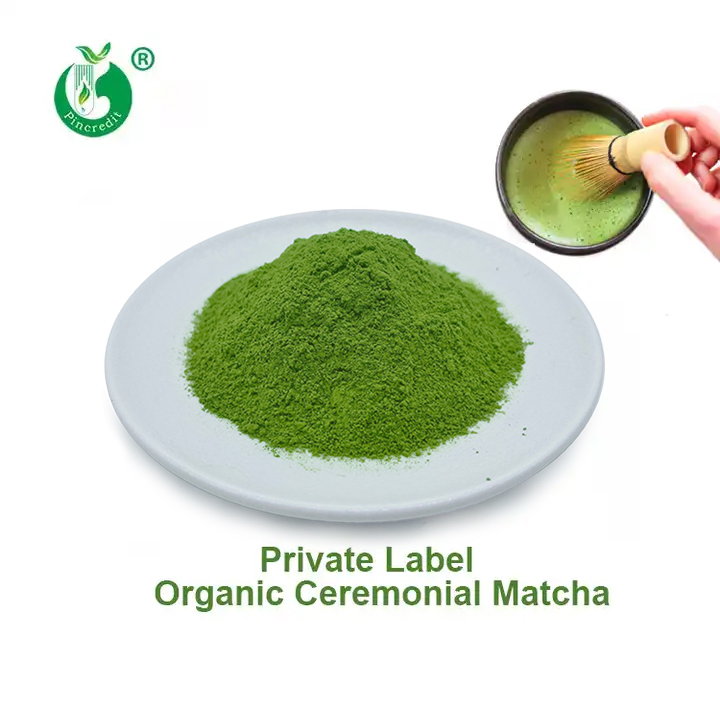
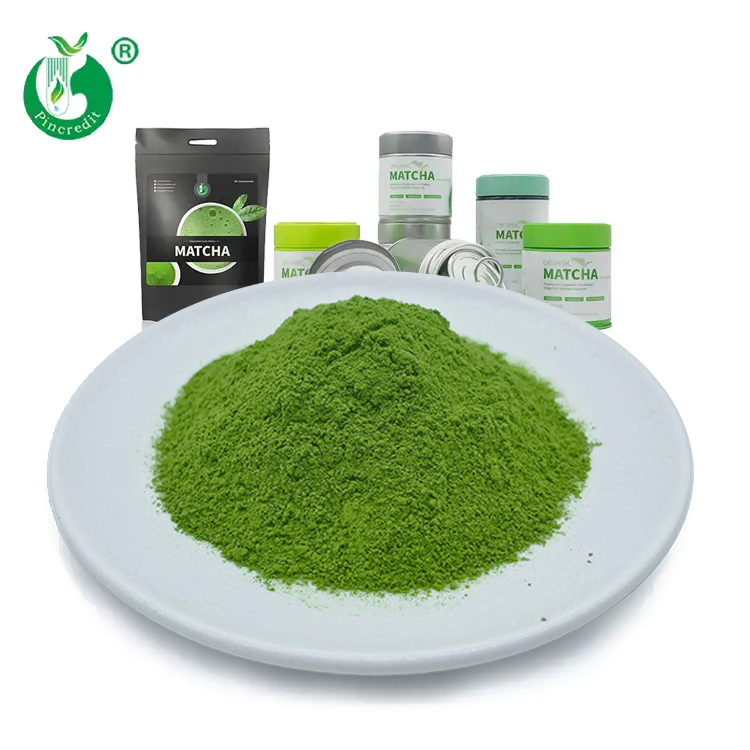
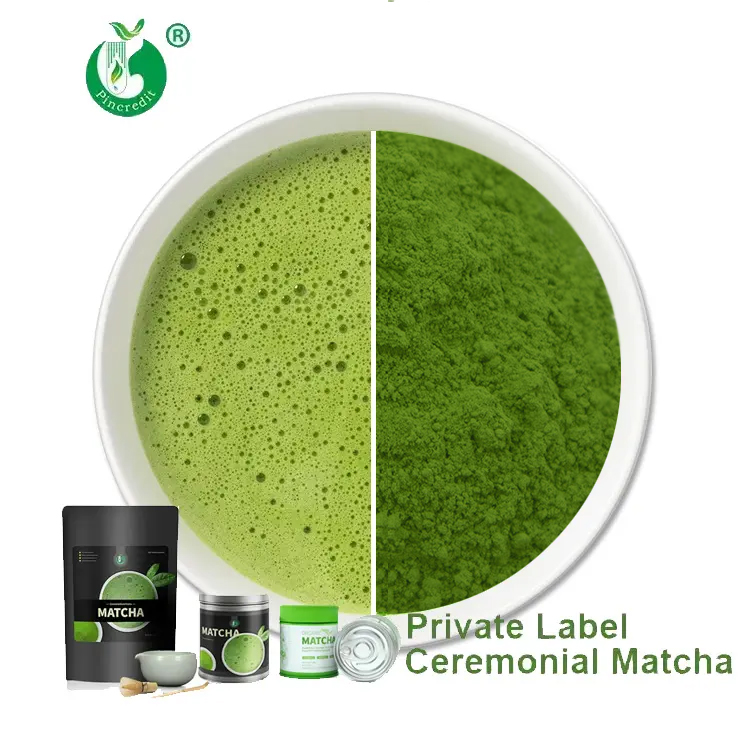
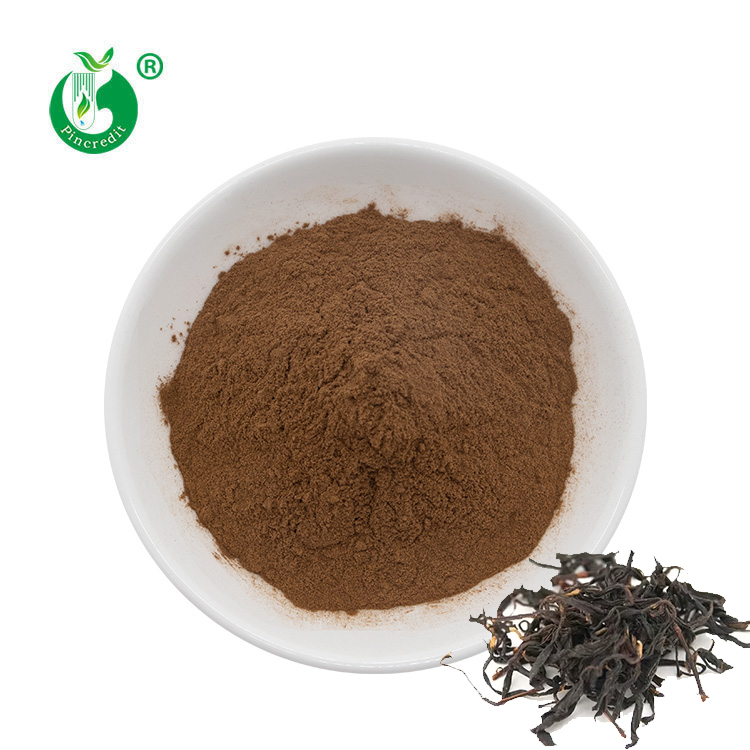
The physical particle size directly impacts dissolution velocity and tablet/capsule flowability. Powder designated for RTD beverage reconstitution (e.g., Ceremonial Matcha, Instant Black Tea) must exhibit 450–1,000 mesh fineness without gritty mouthfeel. Conversely, powders intended for direct-compression tableting require 80–120 mesh granules to avoid capping and maintain uniform bulk density.
6. Hazardous Material & Powder Transport Certification
Ultra-fine organic powders can be categorized as potentially combustible dust under international transport law. Ensure your wholesale supplier provides accredited DGM safety certifications for maritime (IMDG Code) and airfreight (IATA DGR) transport. Valid non-hazardous shipping manifests eliminate costly port customs holds and inspection quarantines.
Frequently Asked Questions: B2B Wholesale & Supply Chain
Direct technical answers to the most common queries from QA managers, R&D scientists, and purchasing directors.
For the majority of our standardized extracts, active longevity compounds (NMN, NAD+), cosmetic peptides (GHK-Cu), and organic functional powders (Ceremonial Matcha, Ube), our trial MOQ starts at just 1 kg. This allows institutional formulators to conduct pilot-scale pilot runs and complete comprehensive in-house QA assays before committing to commercial production volumes. Larger commodity items like D-Allulose or bulk marine collagen peptides carry baseline MOQs of 25 kg to 50 kg.
Yes. We operate commercial mechanical impact pulverizers, air-classifier mills (ACM), and cryogenic jet mills capable of milling botanical actives from standard 80 mesh up to 1,200 mesh ultra-fine powders. Furthermore, we provide clean-label dry blending services, pre-blending active compounds with customized carrier matrices (e.g., organic maltodextrin, acacia fiber, erythritol, allulose) according to exact batch formula specifications.
Every delivery includes a lot-specific Certificate of Analysis (COA) containing validated assay results, physical parameters, microbial tests, and heavy metal concentrations. Additional documentation packages provided upon request include Safety Data Sheets (SDS/MSDS), manufacturing flow charts, BSE/TSE-free declarations, non-GMO statements, organic transaction certificates (NOP/EU), Halal/Kosher certificates, and IATA/IMDG safe transportation declarations.
Batch reproducibility is guaranteed through strict SOP control at the cultivation and harvest stage, combined with digital parameters in our automated continuous extraction facilities. Retained samples of every released lot are cataloged and kept in climatic chambers for 3 years. Active stability is reinforced through double-layer pharmaceutical polyethylene liners enclosed within food-grade foil barrier pouches or fiber drums, frequently vacuum-sealed or nitrogen-flushed for oxidation-vulnerable compounds.
We support the complete Incoterms 2020 spectrum, including EXW, FOB (Shanghai, Qingdao, Shenzhen), CFR, CIF, FCA, and full-service DDP (Delivered Duty Paid) directly to your production warehouse across the USA, Canada, UK, and European Union. Air express options (DHL, FedEx) are utilized for R&D sample batches and urgent pilot manufacturing requirements.
Yes, complimentary 50g–100g verification samples are routinely supplied to verified formulators, corporate QA divisions, and research institutions. This enables internal chemical assay confirmation, dissolution profile evaluation, organoleptic validation, and bench-scale formulation compatibility trials prior to commercial PO issuance.