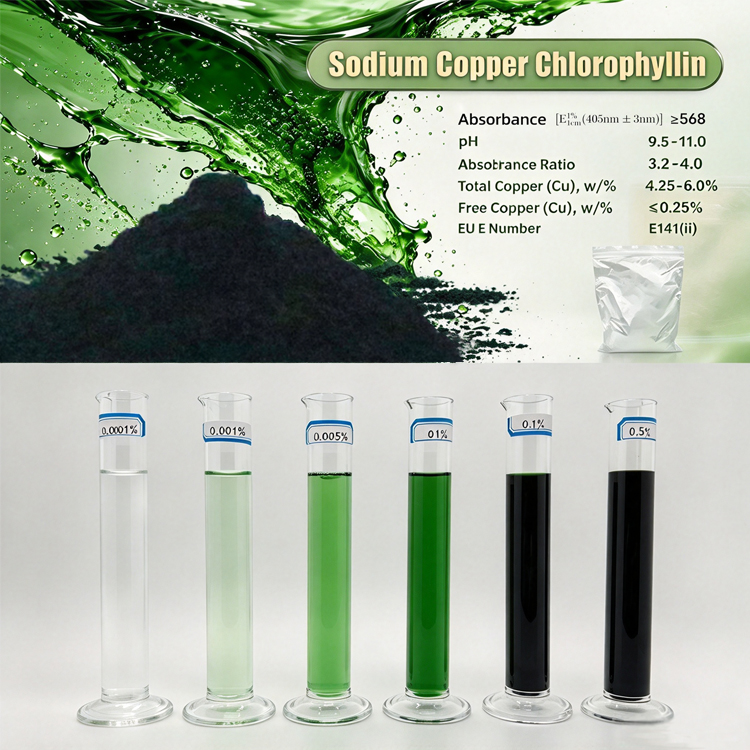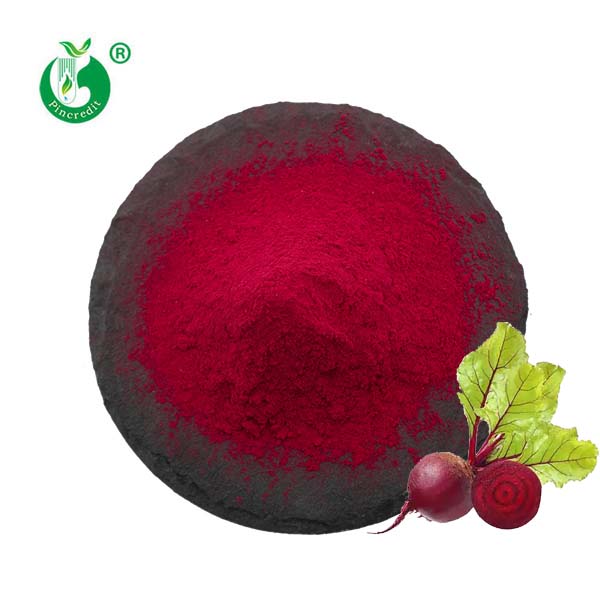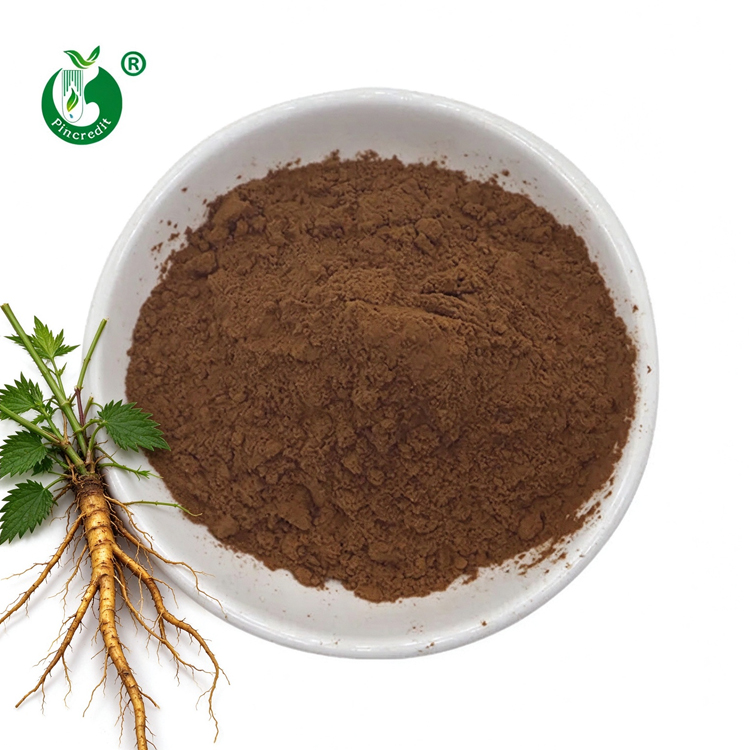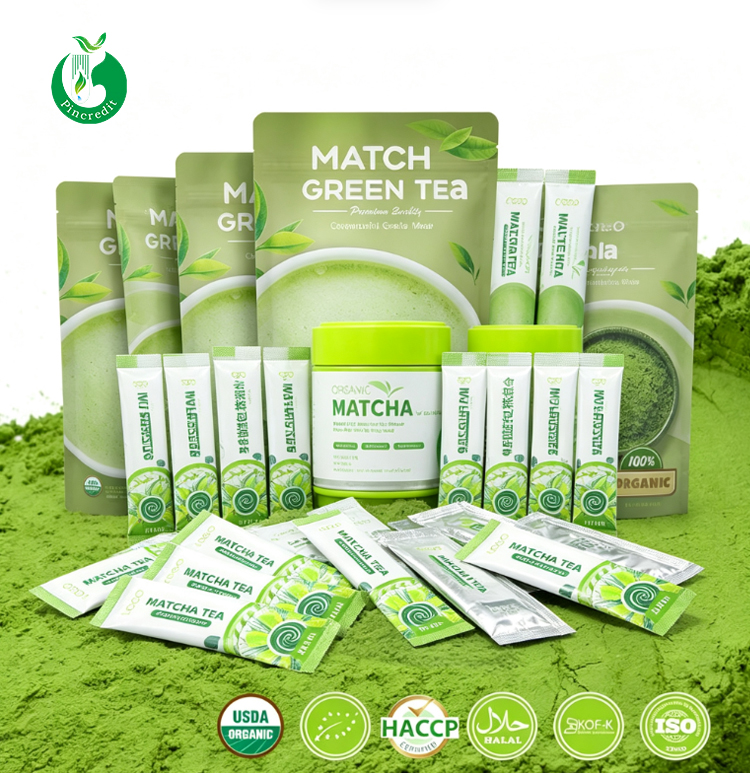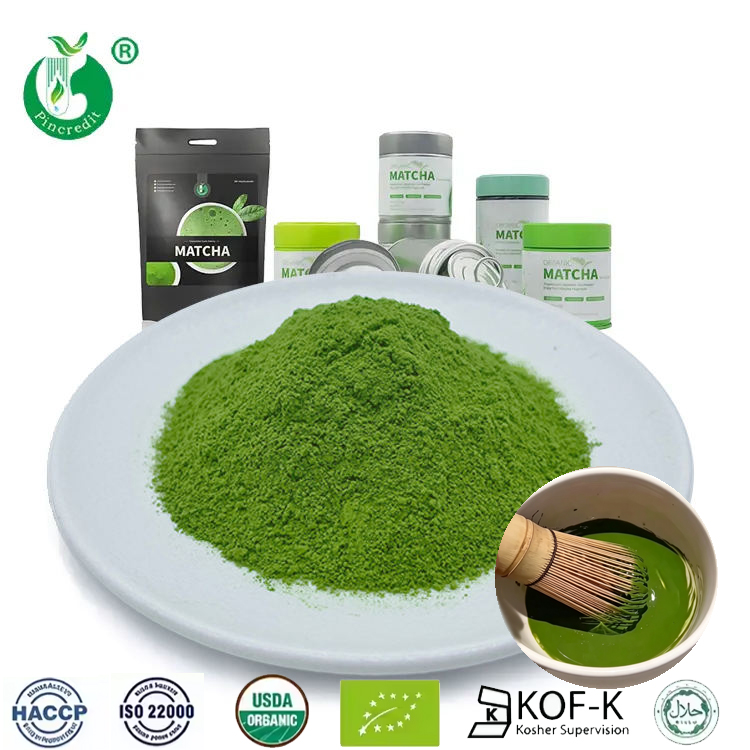
Each production lot is standardized against targeted marker compounds, validated by validated chromatographic fingerprinting, and certified free of cross-contamination under strict ISO 22000 and HACCP management.
Headquartered in Xi'an within the Shaanxi Information Industry Park, Xi'an Vexli Bio-Tech Co., Ltd. operates at the nexus of the world's most bio-diverse temperate botanical reservoir—the Qinling Mountain corridor. Established in 2014, our enterprise bridge the gap between agrarian botanical harvesting and rigorous international pharmaceutical-grade standardization. Unlike speculative commodity brokers on open spot markets, Vexli integrates vertical origin contracts with in-house extraction engineering, operating across 1,250 square meters of specialized analytic QA labs and collaborating with 25 audited extraction workshops across China.
Our proprietary processing architectures are anchored by validated intellectual property, including Invention Patent ZL 2014 1 0464649.9 (a specialized protocol for purifying active phenolic aldehydes from Salvia miltiorrhiza) and Utility Model Patent No. 14520048 (a high-throughput hydrodynamic extraction vessel engineered for enhanced thermal-sensitive compound yield). By integrating continuous countercurrent extraction with advanced low-temperature falling-film concentration, we preserve the labile bioactive structures of anthocyanins, polyphenols, enzymes, and carotenoids without chemical degradation.
| Analytical Parameter | Industry Standard (Commodity) | Vexli Standardized Specification | Compendial Testing Methodology |
|---|---|---|---|
| Bioactive Standardization | Unverified dry-extract ratios (e.g., vague "10:1") | Exact quantitative marker concentration (e.g., 99% Chlorophyllin, specific Betanin titer) | HPLC-DAD / LC-MS/MS |
| Pesticide Multi-Residue | Basic organochlorine screening only | Full multi-residue screen across 500+ compounds (<0.01 mg/kg detection threshold) | BS EN 15662 (SGS Validated) |
| Heavy Metal Limits | Aggregated total heavy metals <20 ppm | Individual quantification: Pb <1.0 ppm, As <1.0 ppm, Cd <0.5 ppm, Hg <0.1 ppm | ICP-MS (USP <232>/<233>) |
| Residual Solvents | Unregulated Class 2/3 solvent recovery | Strict ICH Q3C limits; zero detectable Class 1; Ethanol/Water ONLY extraction options | GC-HS (USP <467>) |
| Microbiological Bioburden | TPC <50,000 CFU/g; erratic yeast/mold | TPC <1,000 CFU/g; Yeast/Mold <100 CFU/g; Zero Salmonella / E. coli / S. aureus | BAM / USP <61>/<62> |
| Carrier Integrity | Up to 30–50% hidden maltodextrin | 100% Native matrix declared; zero unstated carrier fillers or anti-caking silicas | Microscopic / HPTLC |
Procurement directors and chief scientific officers at nutraceutical and functional food conglomerates are confronting a rapidly tightening global regulatory perimeter. Sourcing raw plant powders without robust batch-specific physical-chemical and isotopic traceability introduces catastrophic liability, including brand-destroying import refusals by the US FDA, European RASFF alerts, and class-action legal exposure. Supply chain professionals must anticipate four structural market shifts transforming botanical procurement worldwide:
Global regulatory agencies and third-party certifiers (NSF, USP, Informed Choice) no longer accept non-standardized native plant ratios (e.g., dry-leaf equivalent "10:1" claims) without precise analytical verification. Leading brand formulators require high-performance liquid chromatography (HPLC) standardization against distinct pharmacological markers—such as theanines in matcha, active chlorophyllin conjugates in mulberry leaf, or betanins in beetroot—ensuring physiological uniformity and defensible shelf-life kinetics.
Under tightened European Green Deal policies and California Proposition 65 enforcement, the reliance on toxic halogenated hydrocarbons or even ethyl acetate in plant extraction is becoming obsolete. Sourcing departments are actively auditing botanical manufacturers for water-only, subcritical hydro-thermal, or organic ethanol closed-loop reclamation systems that eliminate petrochemical solvent residues entirely, guaranteeing clean-label declarations.
Ethylene Oxide (ETO) and gamma-irradiation pasteurization are strictly prohibited for food ingredients imported into the European Union and organic supply channels in North America. Forward-thinking procurement strategies now mandate superheated steam sterilization or aseptic micro-filtration during the aqueous extraction phase, maintaining total microbial bioburden below 1,000 CFU/g without creating hazardous 2-chloroethanol by-products.
The Chinese botanical extract sector has undergone a profound evolution—transforming from rudimentary crude maceration into an advanced, highly specialized fine-chemical enterprise. As functional beverage makers and dietary supplement brands demand higher thermodynamic stability, enhanced bioavailability, and instant aqueous dissolution, extract manufacturers must implement cutting-edge industrial processing technologies.
Traditional sedimentation using chemical flocculants degrades active polyphenols and leaves unwanted residual ions. Xi'an Vexli Bio-Tech integrates inorganic ceramic membrane cascades with pore sizes calibrated down to 0.05 microns. This physical cold-separation removes insoluble pectins, starches, and heavy proteins while yielding crystal-clear aqueous solutions that never cloud when formulated into ready-to-drink (RTD) functional teas or clear tonics.
Purifying secondary plant metabolites—such as active chlorins in sodium copper chlorophyllin or concentrated phytosterols in stinging nettle—demands precision chromatography. Our partner workshops employ food-contact-grade synthetic polymeric adsorbents calibrated for specific molecular weights and hydrophobic polarities. This enables selective desorptive concentration, stripping away unwanted sugars and mineral ash to achieve marker purity ratings exceeding 99.0%.
Raw dried botanical powders typically suffer from poor wettability and fine dust generation during factory manufacturing. By utilizing top-spray fluidized bed agglomeration, we produce porous micro-granules with tightly controlled bulk densities (0.35–0.55 g/mL) and superior powder flowability (Carr's Index <15%). This ensures seamless direct-compression tableting, uniform capsule fill weights, and instantaneous reconstitution in beverage blends.
Sourcing directly from Xi'an Vexli Bio-Tech eliminates opaque middleman markups while providing full transparency back to botanical origin. Having passed rigorous on-site supplier assessments conducted by SGS, Vexli operates as an enterprise-grade partner trusted by Fortune 500 ingredient procurement divisions and emerging dietary supplement innovators alike.
Our production facilities, testing workflows, and chemical storage systems have been rigorously evaluated on-site by SGS auditors, validating strict conformity with international GMP hygiene standards.
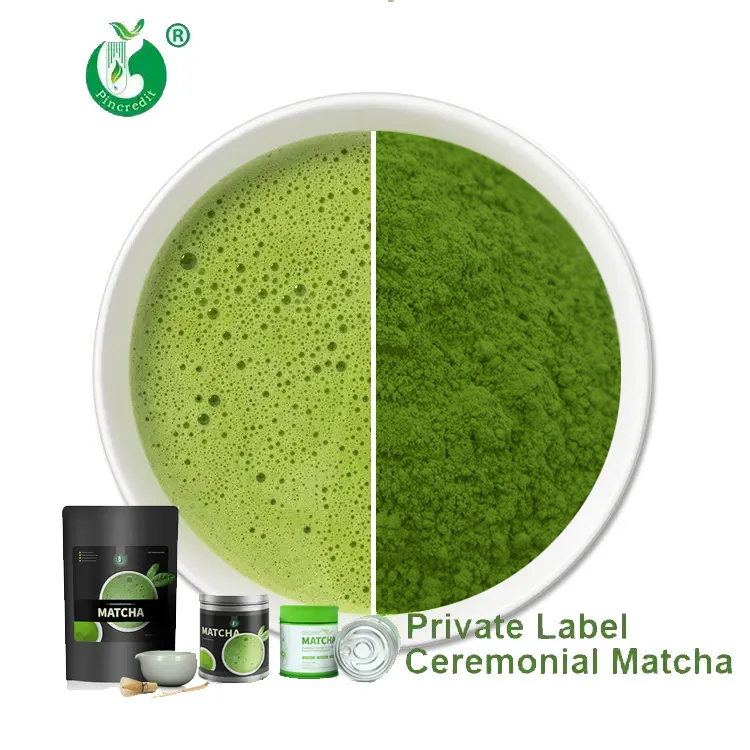
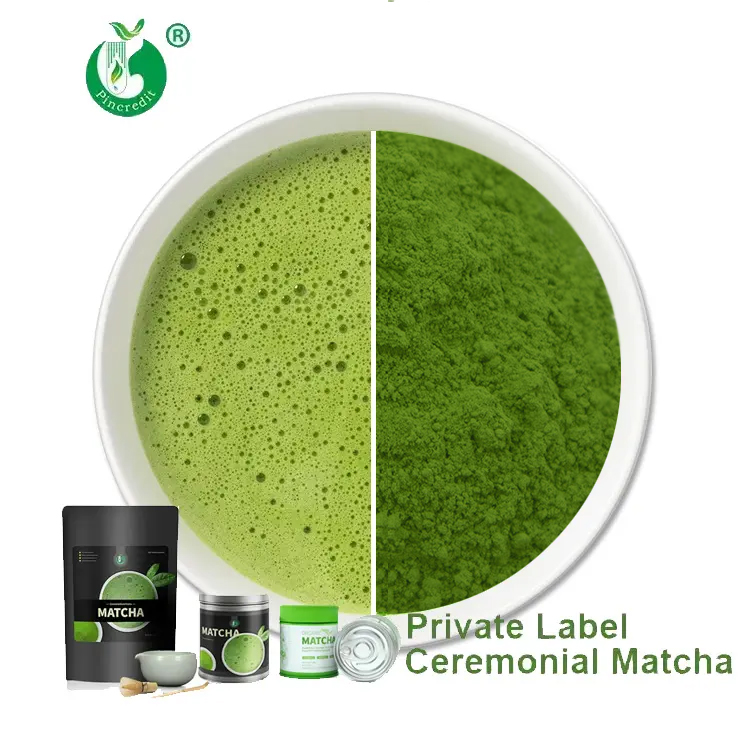
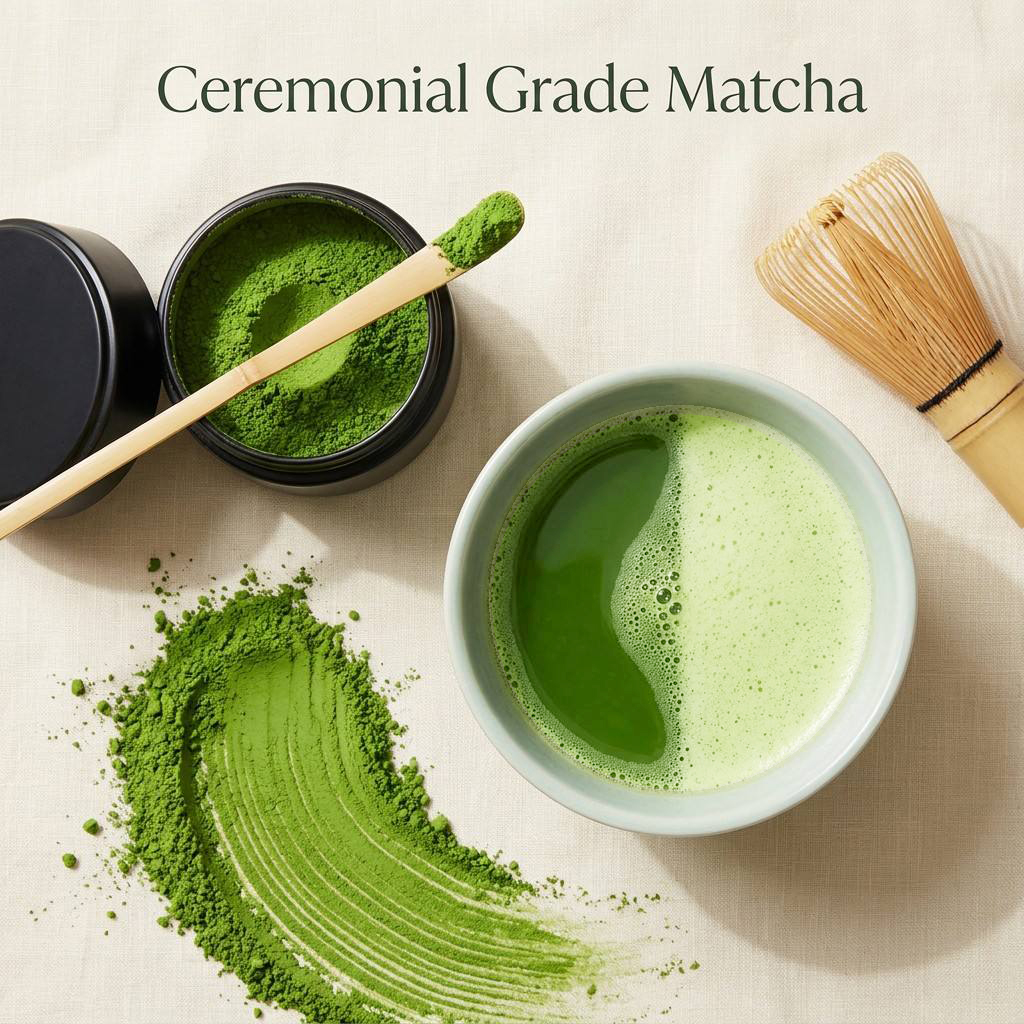
We maintain comprehensive, fully traceable NOP and EU Organic transaction certifications for core botanical lines, including ceremonial matcha, algae fractions, and functional mushroom extracts.
Validated vendor for global consumer packaged goods (CPG) leaders. Our operational infrastructure handles high-volume continuous freight shipments with zero batch-to-batch variation.
Our research lab is supported by granted Chinese patents (Invention Patent ZL 2014 1 0464649.9 and Utility Model 14520048), driving innovative extraction yield efficiencies and reduced thermal degradation.
From nitrogen-flushed double-laminate bulk drums to shelf-ready customized private label tins and standing zipper pouches, we provide turnkey packaging solutions directly from our cleanrooms.
We de-risk client product development cycles by providing authentic pilot-scale testing lots from 1 kg, backed by pre-shipment analytical samples and complete third-party validation reports.
To streamline your qualification pipeline, our phytochemistry regulatory affairs team has assembled direct technical answers addressing the most common vendor-onboarding questions posed by international QA audits:
We employ orthogonal testing to ensure zero taxonomic ambiguity. Raw botanical biomass undergoes microscopic morphological inspection upon gate arrival, followed by high-performance thin-layer chromatography (HPTLC) fingerprint comparison against compendial botanical reference standards (USP/EP). For complex extracts, LC-MS/MS or DNA barcoding is deployed to unequivocally differentiate related species.
Every export lot includes a batch-specific, signed Certificate of Analysis (COA) detailing physical appearance, particle mesh size, loss on drying, ash content, heavy metals (ICP-MS), residual solvents, and microbiological assays. Upon request, we furnish comprehensive regulatory dossiers: complete Technical Data Sheets (TDS), Safety Data Sheets (SDS per GHS), Allergen Declarations, Non-GMO Statements, and BSE/TSE Free Certificates.
Yes. We routinely tailor physical parameters to formulation demands. We can deliver fine micronized powders ranging from 80 mesh up to 1,000 mesh (e.g., ceremonial stone-ground matcha) or wet-granulated agglomerates for direct tableting. We also engineer 100% pure, native, carrier-free extracts without maltodextrin or synthetic anticaking agents, explicitly declaring any necessary technological processing aids.
For products bound for the European Union, our lots undergo multi-residue pesticide screens covering over 500 regulated substances, strictly adhering to BS EN 15662 standards through accredited ISO/IEC 17025 laboratories such as SGS. We strictly honor EC 396/2005 Maximum Residue Limits, guaranteeing that organic and EU-designated ceremonial matcha and herbal powders clear customs smoothly.
We provide full commercial flexibility, quoting EXW, FOB (Shanghai/Qingdao/Shenzhen), CFR, and CIF ports worldwide. Furthermore, we maintain specialized customs clearance expertise to manage Delivered Duty Paid (DDP) freight directly to your manufacturing warehouse, handling all import tariff documentation, FDA prior notices, and agricultural quarantine declarations seamlessly.
Our standardized extracts carry an official shelf-life ranging from 24 to 36 months when stored in original unopened double-polyethylene bags enclosed within high-density fiber drums. We retain representative control samples from every single shipped batch in our climate-controlled archive for a minimum of 5 years to conduct retrospective stability testing or support any buyer inquiries.
Contact our technical sourcing desk today to request batch-specific Certificates of Analysis, complete regulatory compliance dossiers, or a custom laboratory sample tailored to your target bioactive specification.