Verified Botanical Extracts & Functional Phytochemicals
Engineered via advanced extraction matrices, molecular purification columns, and low-temperature vacuum dehydration to maintain native bioactive potency and HPLC/UV standardized assays.
Standardized Phytochemical Extraction at Global Scale
Headquartered in Xi'an, Shaanxi Province—China's primary botanical innovation corridor—Xi'an Vexli Bio-Tech Co., Ltd. merges traditional herbal biodiversity with multi-patented industrial extraction engineering.
Stringent Multi-Standard Certifications
Full regulatory governance adhering to ISO 22000, HACCP, USDA Organic, EU Organic, Halal, and Kosher certifications. Batches regularly undergo BS EN 15662 multi-residue pesticide screens via SGS and Eurofins.
Patented Bio-Separation Technology
Backed by Invention Patent ZL 2014 1 0464649.9 and Utility Model Patent No. 14520048, our proprietary low-temperature extraction reduces thermal degradation, capturing fragile polyphenols and bioflavonoids intact.
Global DDP Fulfillment Capabilities
Comprehensive export logistics covering FOB, CIF, CFR, FCA, and full door-to-door DDP clearance across North America and Europe. Every consignment ships with batch-specific COAs, MSDS, and IATA/IMDG safety reports.
Engineering Phytochemical Purity: The Flavonoid Extraction Matrix
A comprehensive review of solvent dynamics, macroporous resin fractionation, and thermal protection protocols governing the industrial manufacturing of plant secondary metabolites.
Selective Hydro-Ethanolic Solvent Extraction
Flavonoid aglycones and glycosides exhibit distinct polarity thresholds. Our countercurrent extraction circuits utilize customized food-grade ethanol-to-water ratios (typically 40% to 75% v/v) at controlled temperatures (45°C–55°C). This suppresses polyphenol oxidase (PPO) and peroxidase (POD) activity, preventing enzymatic oxidation while preserving complex molecular architectures such as epigallocatechin gallate (EGCG), rutin, and quercetin derivatives.
Macroporous Adsorption Resin Fractionation
Crude extracts contain ballast components including non-functional saccharides, mineral salts, and heavy organic pectins. Vexli implements cross-linked polystyrene macroporous resins (e.g., AB-8, D101, HPD-series) engineered with specific pore diameters (100–300 Å). Through tailored desorption flow rates and pH gradient elution, flavonoid fractions are selectively isolated, elevating targeted active assay levels up to 98% purity on a dry basis.
Low-Temperature Vacuum Evaporation & Spray Dehydration
Thermal stability is a critical bottleneck in polyphenol processing. Our dual-effect thin-film vacuum falling concentrators operate under strict negative pressure (-0.08 to -0.095 MPa) with boiling points depressed to below 50°C. Subsequent micro-mist spray drying with filtered dehumidified inlet air ensures minimal thermal dwell time (<3 seconds), locking in color, native molecular bonds, and maximum antioxidant free-radical scavenging capacity (ORAC).
Comprehensive Analytical Specifications of Key Phytochemicals
Standardized parameters validated via High-Performance Liquid Chromatography (HPLC) and Ultraviolet-Visible Spectrophotometry (UV-Vis).
| Target Bioactive Compound | Botanical Source | Standard Assay Range | Primary Test Protocol | Critical Physicochemical Quality Marker |
|---|---|---|---|---|
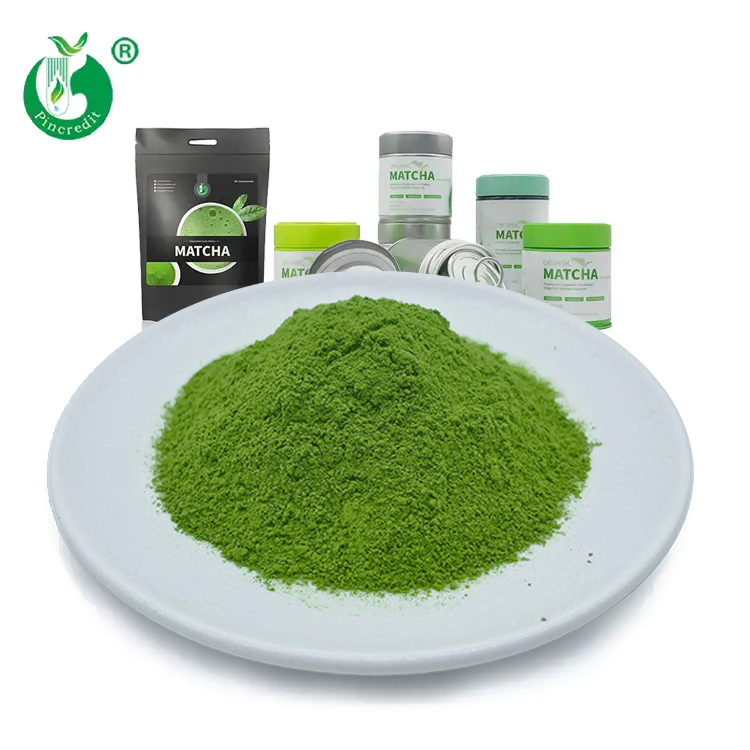
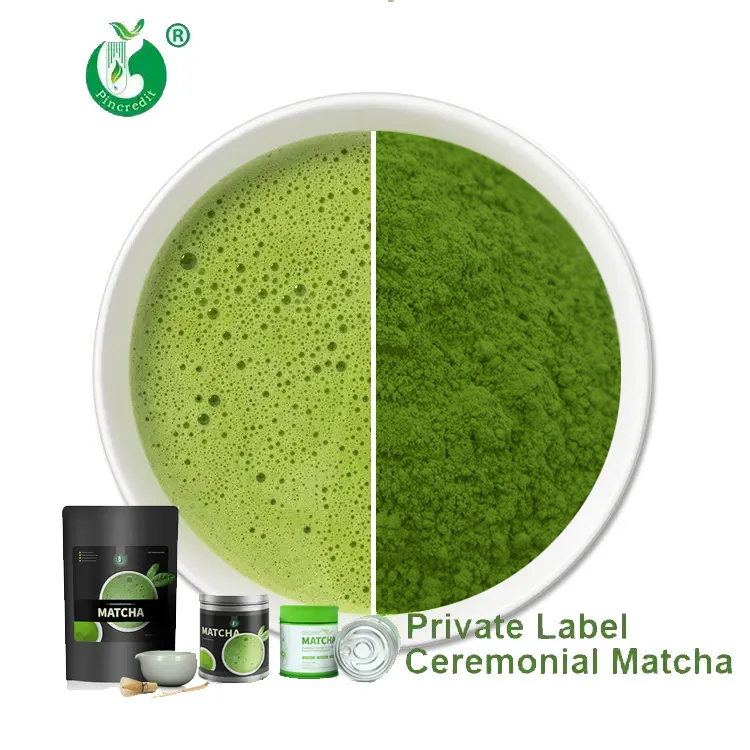
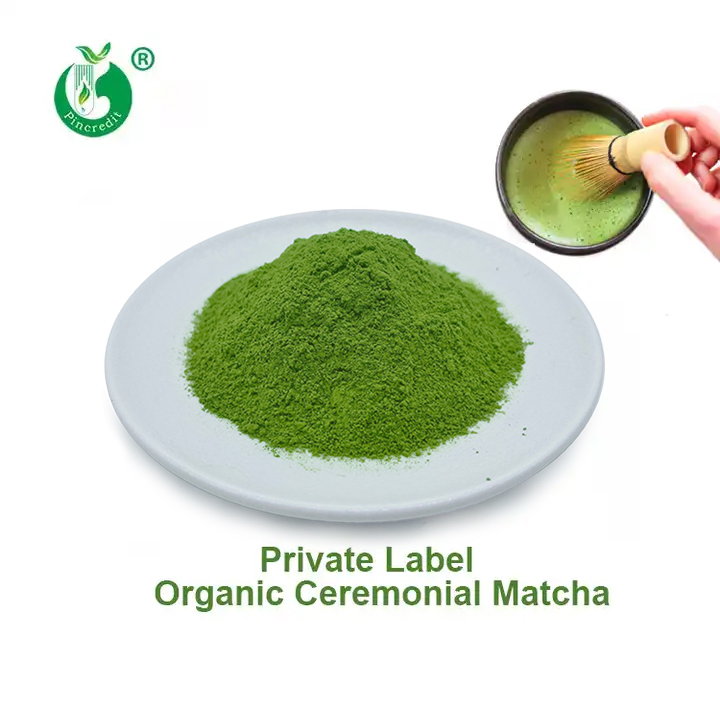
| EGCG & Green Tea Catechins | Camellia sinensis (Matcha) | 15.0% – 98.0% Total Polyphenols | HPLC / ISO 14502-1 | Low caffeine content (<0.5%), heavy metal Pb <1.0 ppm |
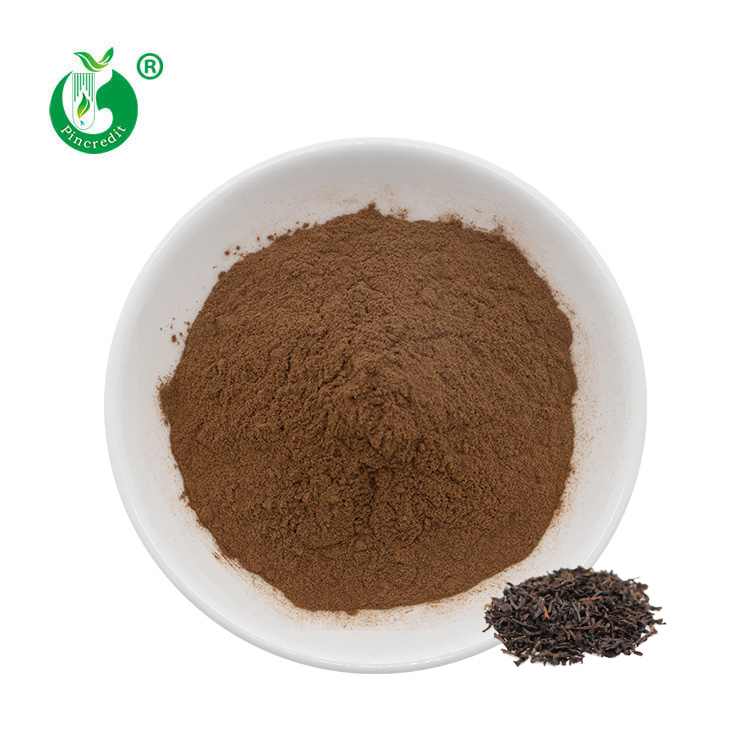
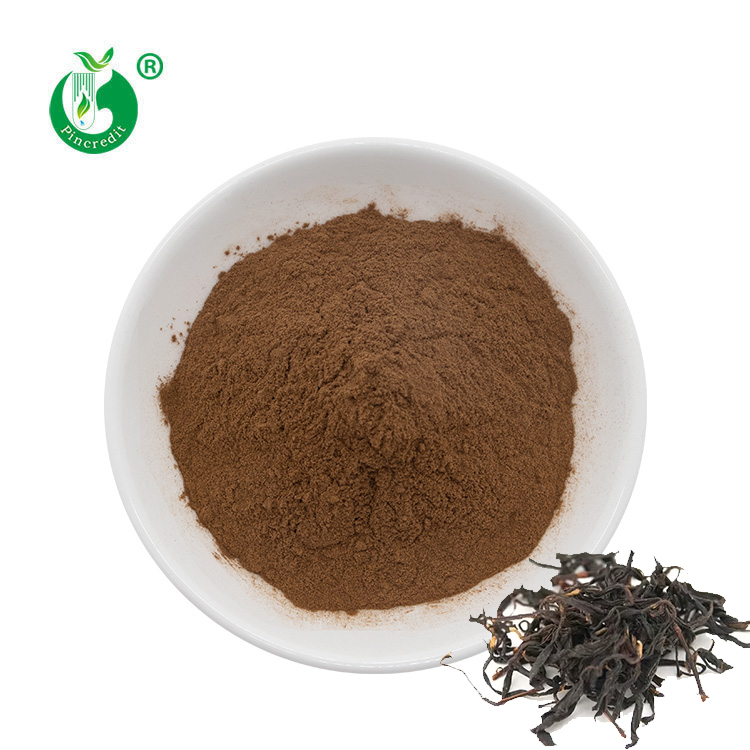
| Theaflavins & Thearubigins | Camellia sinensis (Black Tea) | 10.0% – 40.0% Total Theaflavins | HPLC / UV-Vis Standard | 100% cold-water instant solubility, crystal-clear dispersion |
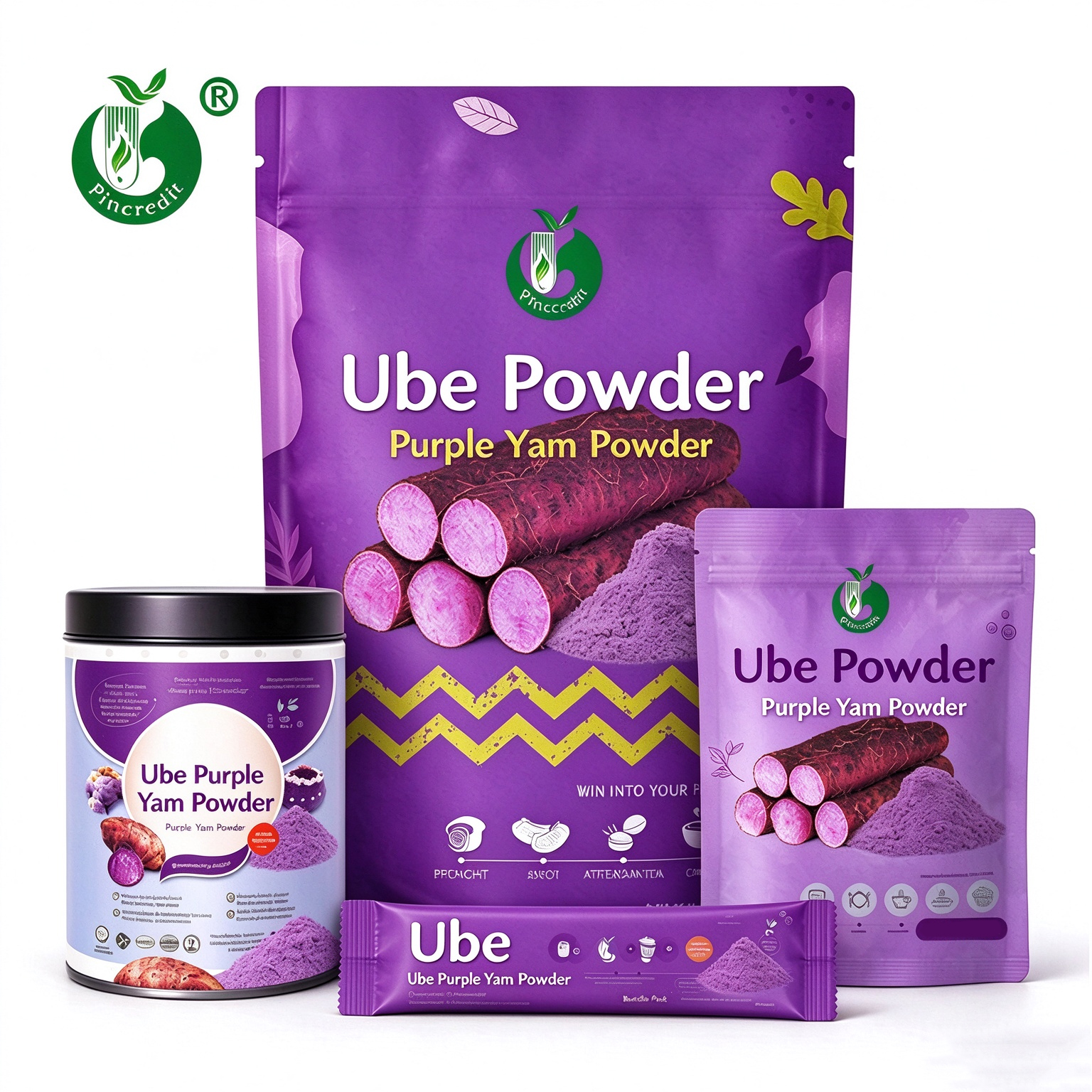
| Anthocyanins / Anthocyanidins | Dioscorea alata (Purple Yam) | 5.0% – 25.0% Standardized | UV-Vis / pH Differential Method | Eurofins pesticide compliant, zero synthetic dye adulteration |
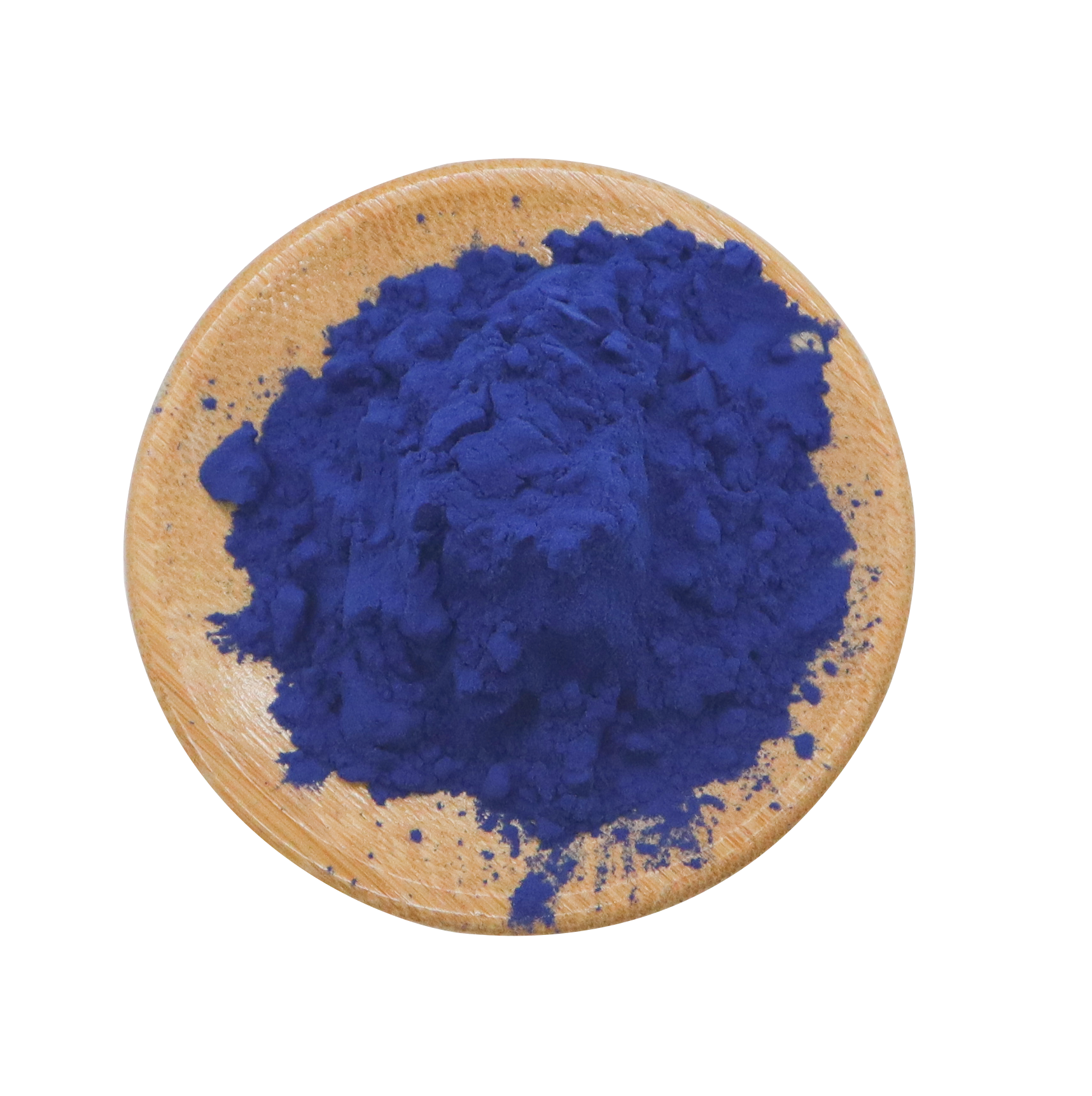
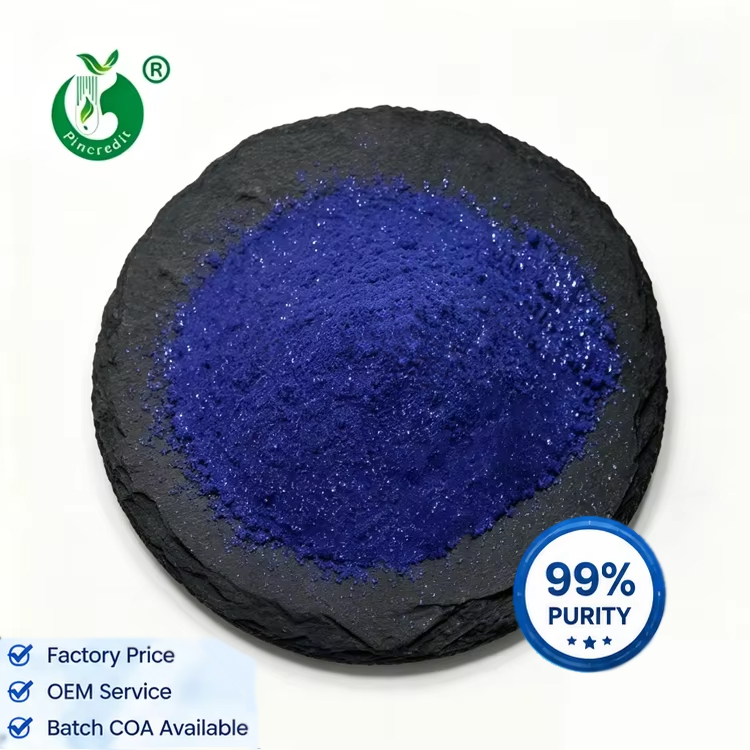
| C-Phycocyanin (Phycobiliprotein) | Arthrospira platensis (Spirulina) | Color Value E18, E25, E30+ | UV-Vis (OD620 / OD280 nm) | Thermal stability in neutral pH, protein integrity preservation |
| Bis(tripeptide-1) Copper (GHK-Cu) | Bio-synthesized Peptide | ≥ 99.0% Purity | HPLC (Reversed-Phase C18) | Free copper ion control <0.1%, residual acetic acid <5% |
Emerging Procurement Trends in Botanical Extracts (2025–2030)
Global supply chain executives are recalibrating sourcing strategies. Enterprise buyers are shifting from spot-market trading to certified, technologically audited Tier-1 Chinese manufacturers.
Clean-Label Traceability & DNA Identity
Brand owners no longer accept generic certificates. The 2025+ regulatory landscape demands high-resolution DNA barcoding and HPTLC fingerprinting to prove unadulterated botanical provenance and complete freedom from undeclared carrier bulking agents such as maltodextrin.
Zero-Pesticide Mandates (BS EN 15662)
With EU Maximum Residue Limits (MRLs) tightening on chlorpyrifos, anthraquinone, and nicotine in botanical teas, enterprise procurement programs require pre-harvest farm tracing and comprehensive gas/liquid chromatography tandem mass spectrometry (GC-MS/MS, LC-MS/MS) screening.
Green Solvent & Carbon Neutrality Audits
Conventional hydrocarbon extraction (hexane, chloroform) is facing widespread bans across the European Union and North America. Modern procurement contracts stipulate closed-loop ethanol extraction, subcritical water extraction, and solvent recovery efficiencies exceeding 95%.
Supply Consolidation via Direct Exporters
Forward-thinking purchasing teams are bypassing fragmented intermediaries. Direct engagement with integrated manufacturing partners—controlling everything from Shaanxi wildcrafted harvesting to finished Class-D clean packaging—cuts out 20–30% in speculative brokerage markup.
Macro Trends Reshaping Botanical Secondary Metabolites
From metabolic longevity formulation to natural color conversion in food systems, botanical flavonoids continue to capture market share from synthetic compounds.
The Longevity & Cellular Vitality Surge
Cellular bio-hacking and healthy lifespan extension are fueling compound annual growth rates (CAGR > 11.2%) for polyphenol-based sirtuin activators. High-purity bioflavonoids are increasingly formulated alongside NAD+, NMN, and NR to optimize NAD+ biosynthetic salvage pathways, creating powerful synergies against oxidative stress and biological aging.
Total Phaseout of Artificial Colorants
With EFSA and FDA mounting scrutiny over synthetic food dyes (such as Red 40 and Blue 1), industrial food processors are turning to phycocyanin-rich spirulina extracts, butterfly pea flower matrices, and purple yam anthocyanins to deliver clean-label violet, ultramarine, and crimson shades with functional biological stability.
Nano-Encapsulation & Bioavailability Enhancements
Unformulated flavonoids often exhibit limited oral bioavailability due to rapid phase II glucuronidation in the liver. Emerging application trends demand phospholipid-complexed (phytosome) extracts, micro-emulsions, and cyclodextrin inclusion complexes that boost plasma bio-absorption by up to 300% without synthetic excipients.
How R&D and Sourcing Teams Evaluate a Botanical COA
Avoid commercial risks and sub-potent raw materials. This technical verification checklist highlights the analytical discrepancies commonly observed in overseas plant extract procurement.
1. HPLC vs. UV-Vis Spectrophotometry
UV-Vis measures total light absorbance across specific wavelengths, often causing significant false-positive inflations due to baseline interference from tannins and degradation products. High-Performance Liquid Chromatography (HPLC) separates individual molecules via stationary phase retention time, providing an accurate, verifiable purity quantification for target actives.
2. Mesh Granulometry & Dissolution Flow
A powder's mesh size directly governs dissolution kinetics in beverage compounding and blend uniformity in capsule tooling. Vexli produces fine powders ranging from 80-mesh (ideal for fast tableting flowability) up to 450-mesh ultrafine micro-powder (crucial for smooth, zero-sediment suspension in ready-to-drink formulations).
3. Heavy Metal ICP-MS & Microbiology Control
Regulatory adherence requires validation via Inductively Coupled Plasma Mass Spectrometry (ICP-MS) against global pharmacopeia limits: Lead (Pb ≤ 1.0 ppm), Arsenic (As ≤ 1.0 ppm), Cadmium (Cd ≤ 0.5 ppm), and Mercury (Hg ≤ 0.1 ppm). Pathogen screens must prove non-detection of Salmonella, E. coli, and Staphylococcus aureus.
Frequently Asked Questions for Global Buyers
Clear, direct answers regarding commercial thresholds, regulatory documentation, analytical testing, and international freight handling.