Laboratory-verified marker purity, non-solvent trace residues, and USDA/EU organic certified production batches.
Bridging traditional botanical medicine and modern molecular nutrition through precise physical separation.
Quantitative verification through HPLC, GC, and UV-Vis spectrophotometry ensures assay values are exact molecular representations rather than crude gravimetric estimations.
Stringent monitoring for ethylene oxide (ETO), polycyclic aromatic hydrocarbons (PAH4), and multi-residue pesticides matching strict European Pharmacopoeia and FDA guidelines.
Preserving fragile secondary metabolites, thermosensitive catechins, and pigments through rapid low-temperature continuous falling film concentration systems.
As the international dietary supplement, functional food, and clean-label cosmetic sectors shift toward higher bio-efficacy, procuring raw plant derivatives has progressed beyond primitive spot-market commodities. Today's procurement leadership focuses on standardized herbal extracts characterized by verified chemical markers, crystalline consistency, stable particle sizing, and comprehensive regulatory documentation.
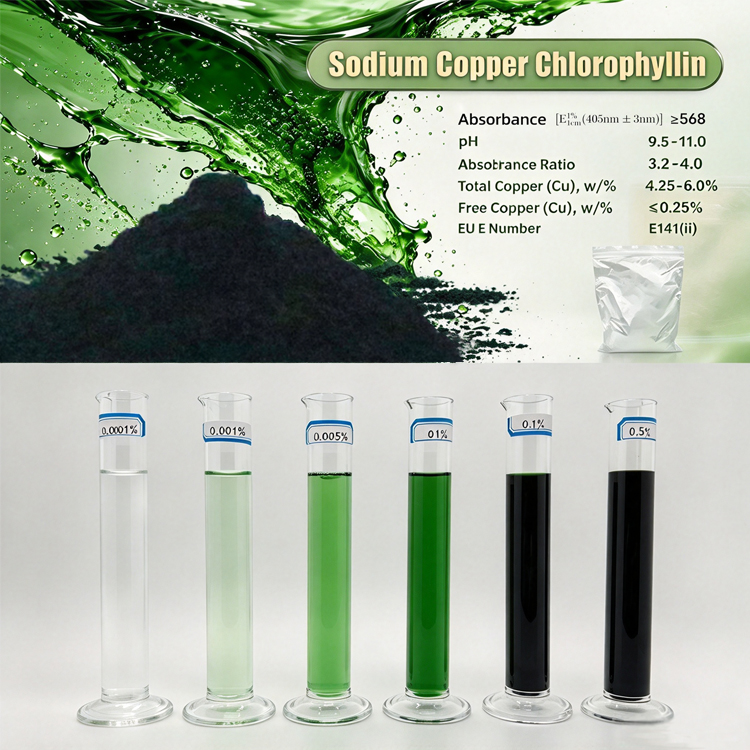
Global brands are phasing out opaque '10:1' or '20:1' extraction ratios in favor of strictly quantified biomarker percentages (e.g., Mogroside V, Sodium Copper Chlorophyllin, or specific polyphenol fractions). Ratio designations frequently conceal solvent variability and carrier bulking, while HPLC standardization delivers true batch consistency.
Regulatory authorities in North America and the European Union have tightened thresholds for persistent contaminants. Modern China manufacturing operations deploy supercritical CO2, ultrasonic cavitation, and ultrafiltration, reducing organic solvent residues below 5 ppm and eliminating heavy metal complexes at the extraction phase.
China's Shaanxi, Zhejiang, and Guangxi botanical manufacturing corridors have transitioned from simple pulverization facilities to advanced chemical engineering facilities. Xi'an Vexli Bio-Tech operates at the center of this transformation, combining natural regional biomass cultivation with validated laboratory controls. Standardized extracts ensure finished capsule disintegrations, beverage clarities, and topical bioavailability match the demanding clinical parameters set by formulators worldwide.
| Analytical Parameter | Crude Plant Powders | Standardized Extracts (Vexli Standard) | Procurement Impact |
|---|---|---|---|
| Active Ingredient Assay | Unpredictable (0.2% - 1.5% natural drift) | Guaranteed Target (e.g. 10%–99% HPLC verified) | Predictable functional dosage in formulation |
| Microbial Profile | High bio-burden; requires harsh gamma-irradiation | Controlled aseptic spray drying (<1,000 cfu/g) | Longer shelf-stability; no flavor degradation |
| Solubility & Clarification | Insoluble sediment; leaves gritty suspension | Instant water or ethanol dispersion profile | Essential for functional beverages & clear RTD |
| Residual Solvents | Varies across uncalibrated extraction vats | Controlled according to USP <467> & EP guidelines | Frictionless customs and food safety clearance |
Understanding these parameters is essential for purchasing directors evaluating long-term supply resilience. Standardized extracts not only mitigate batch recall risks but also drastically reduce testing overhead and formulation reformulation cycles for downstream manufacturers.
Operating from Xi'an, Shaanxi Province—the historical center of China's pharmaceutical botany—Xi'an Vexli Bio-Tech Co., Ltd. combines geographic agricultural advantages with advanced analytical manufacturing. Our operations address the traditional pain points of international botanical import: delivery uncertainty, assay adulteration, and compliance discrepancies.
Holder of invention patent ZL 2014 1 0464649.9 and specialized utility model patents for high-yield botanical fractionation devices, ensuring elevated active yields and minimal thermal degradation.
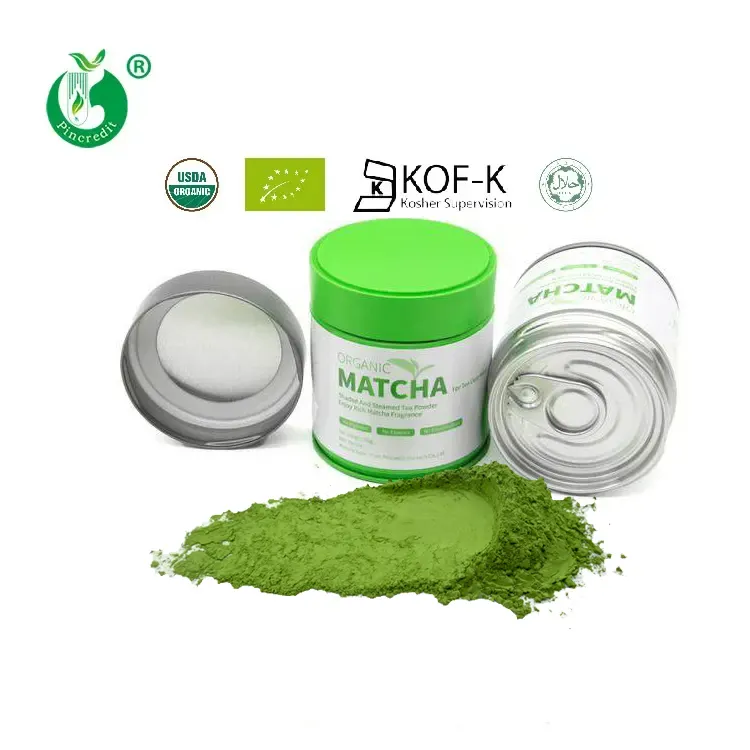
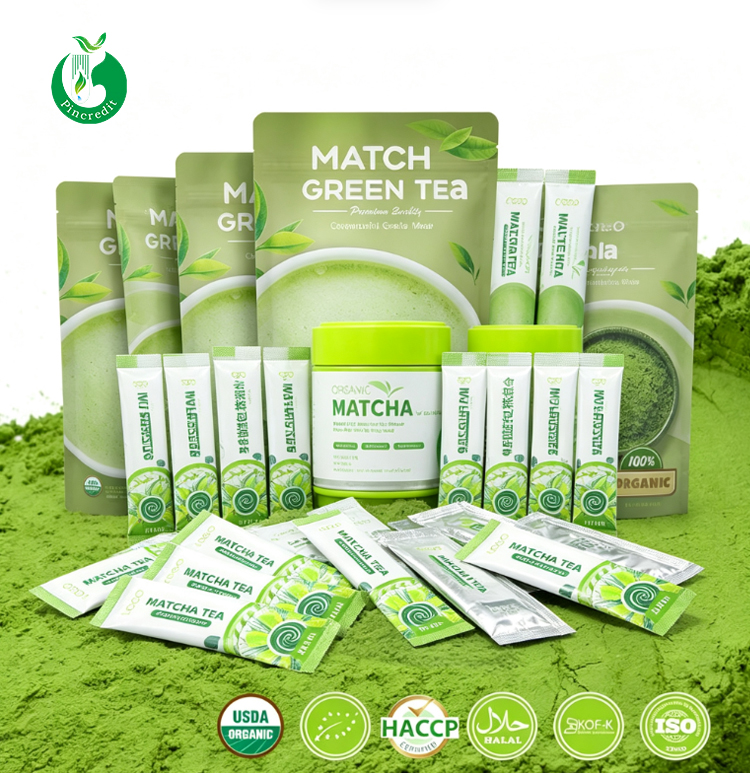
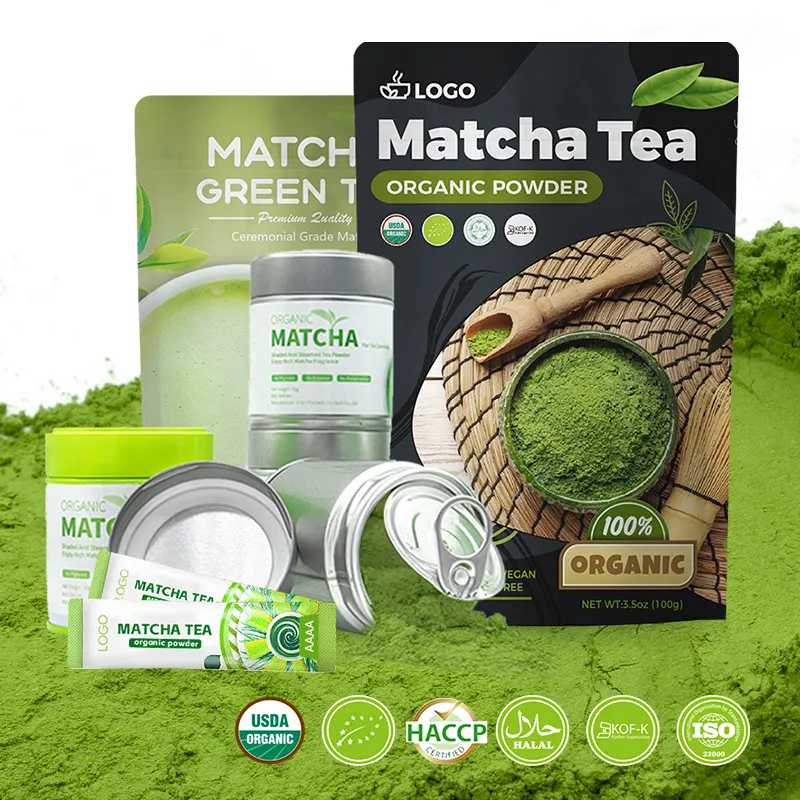
Facilities fully certified under ISO 22000, HACCP, Halal, and Kosher systems, with dual USDA & EU Organic accreditation on key products including matcha, spirulina, and mushroom extracts.
Bridging trial agility and commercial volume. R&D departments can validate formulations with 1 kg pilot lots prior to transitioning seamlessly into multi-metric ton container shipments.
Direct technical answers addressing verification, regulatory paperwork, customs compliance, and supply operations.
Each release batch undergoes strict chromatography. Active constituents such as NMN, Mogroside, or Polyphenols are measured using High-Performance Liquid Chromatography (HPLC) calibrated against authenticated international reference standards. A lot-specific Certificate of Analysis (COA) is issued detailing retention times, assay percentages, and water activity.
Standard documentation packages include the batch COA, Technical Specification Sheet, Safety Data Sheet (MSDS), Allergen Statement, Non-GMO Attestation, BSE/TSE Free Declaration, and IATA DGR / IMDG non-hazardous transport classifications to prevent port customs delays.
Raw biomass is sourced directly from monitored agricultural cooperatives. Batches destined for regulated markets undergo multi-residue pesticide screening in accordance with European Standard BS EN 15662. Heavy metals (Lead, Arsenic, Cadmium, Mercury) are quantified via Inductively Coupled Plasma Mass Spectrometry (ICP-MS).
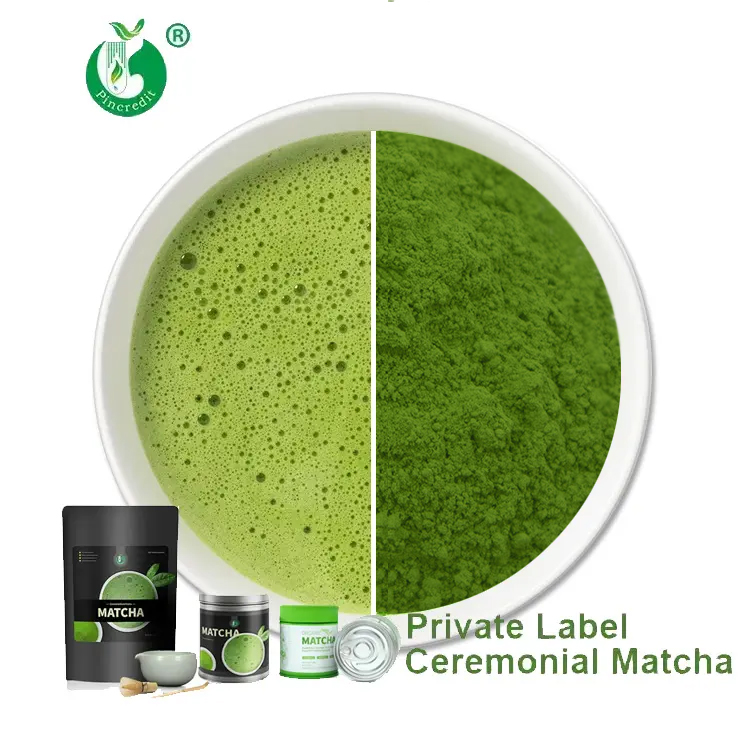
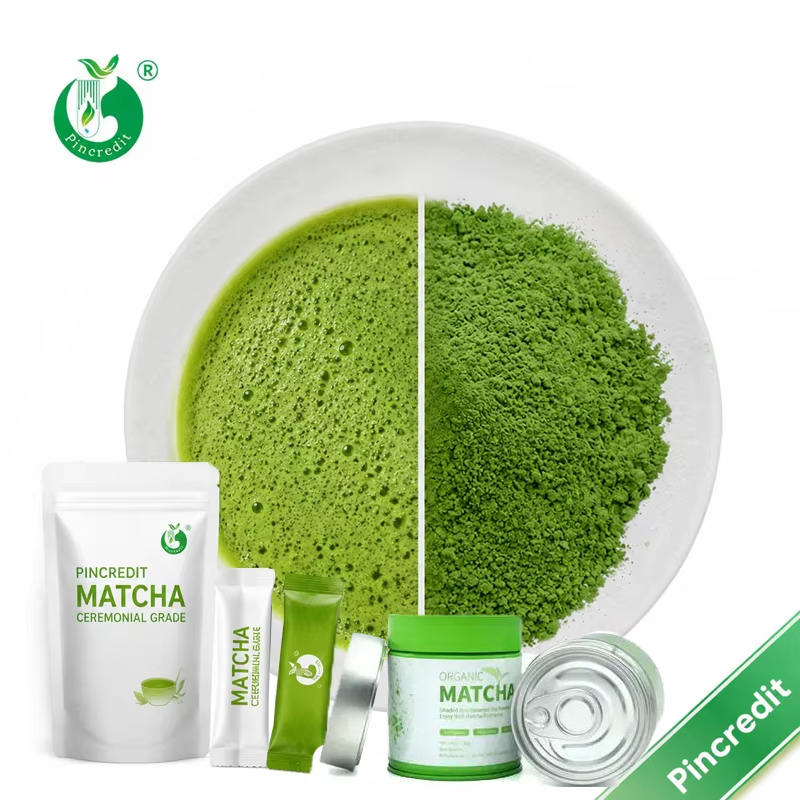
Yes. Beyond supplying industrial bulk drums (25 kg fiber drums with double-lined polyethylene bags), our cleanrooms accommodate private label retail filling, including custom tin canisters, nitrogen-flushed stand-up pouches, custom-designed sachets, and specialized mesh pulverization from 80 up to 1000 mesh.
Submit your target specification, CAS number, or required botanical marker assay. Our technical sales group provides comprehensive specification dossiers, batch test documentation, and trial samples promptly.