Featured Concentrated Botanical Extracts & Bio-Actives
Direct factory supply featuring origin-sourced herbs, standardized solvent extractions, and certified analytical assay integrity validated by third-party testing.
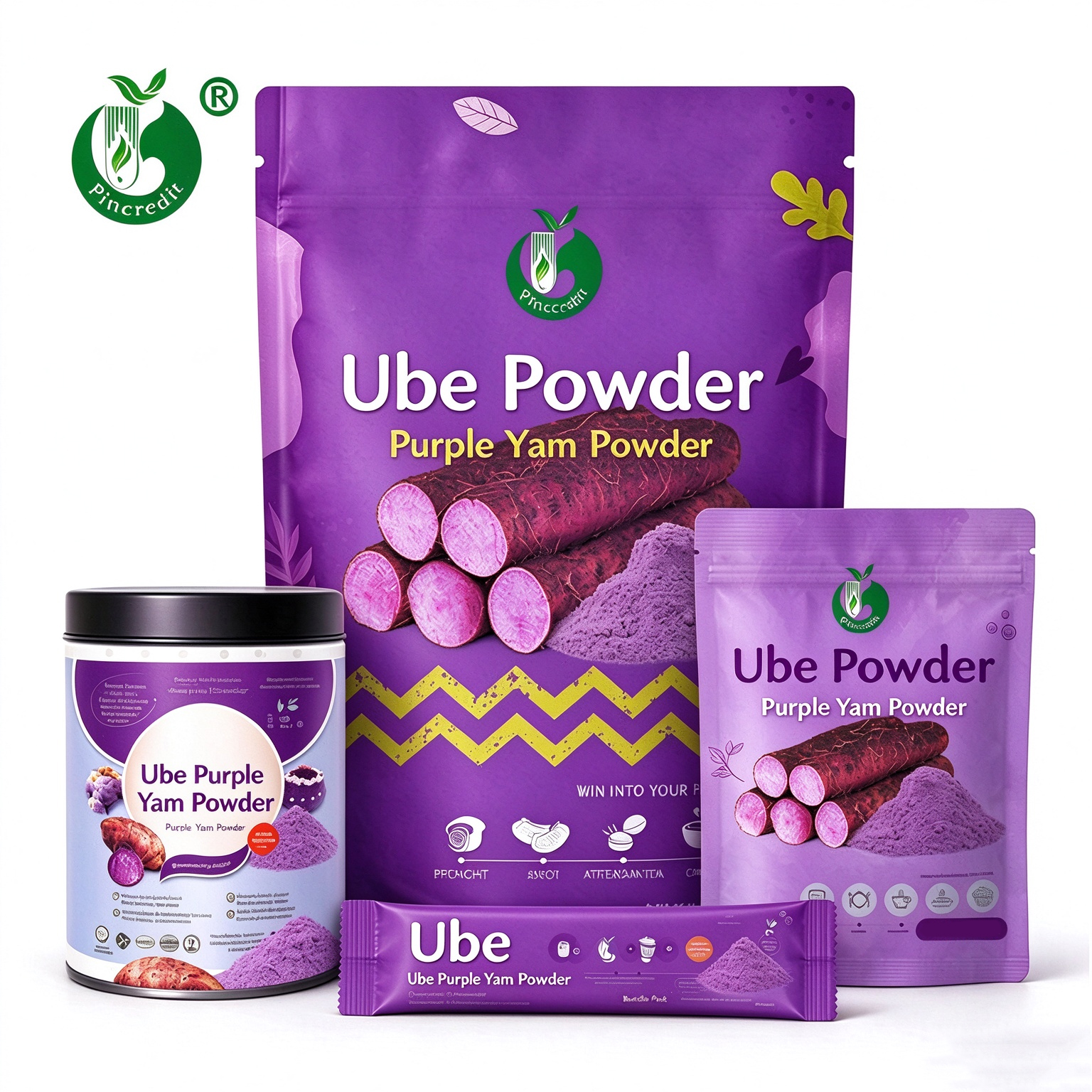
OEM Service Eurofins Tested Purple Yam Powder Manufacturer Bulk Price EU Standard Dioscorea Alata Ube Powder for Baking Drinks
Anthocyanin-rich botanical powder processed via low-temperature flash drying. Retains vivid violet chromaticity, high gelatinization, and pristine microbiological compliance.
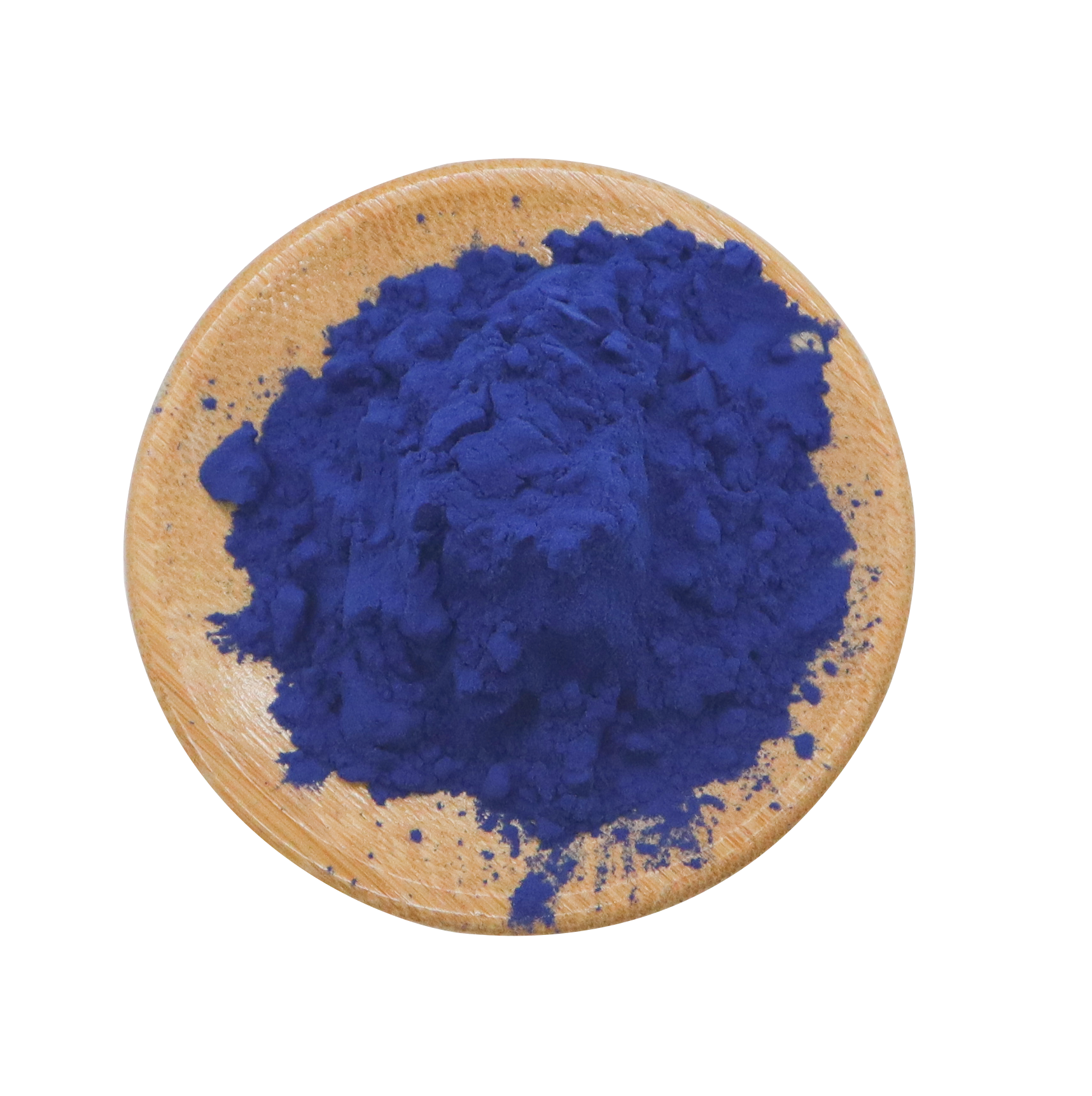
Natural Pigment Blue Spirulina Extract E25 Phycocyanin Powder
Premium water-soluble phycobiliprotein (Color Value E25). 100% clean-label pigment derived from Arthrospira platensis, non-GMO, and free of synthetic carriers.
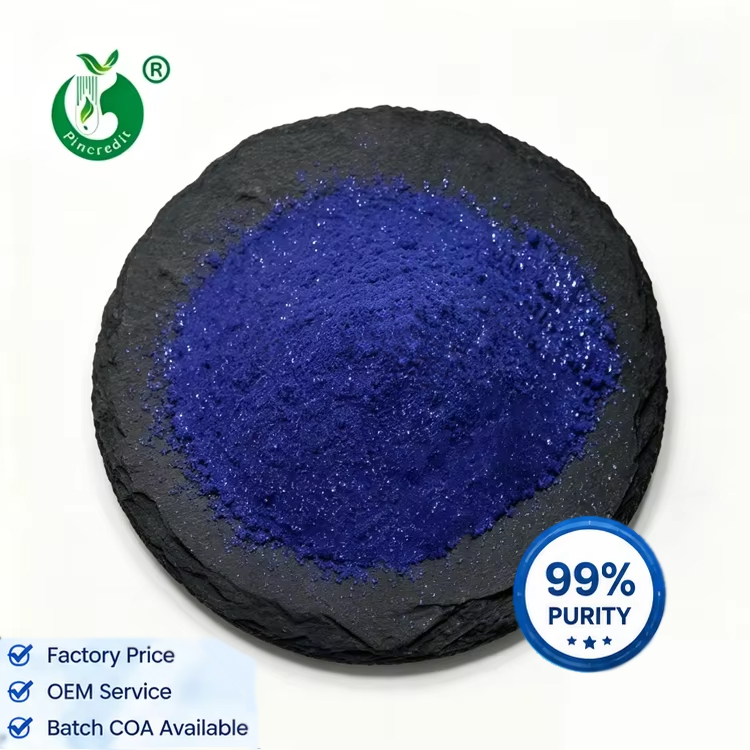
Pincredit Manufacturer Wholesale Price Cosmetic Grade 99% Raw GHK-Cu Blue Copper Peptide Powder
Ultra-pure tripeptide-copper chelate complex designed for advanced anti-aging dermal matrices, extracellular remodeling, and collagen I/III synthesis acceleration.
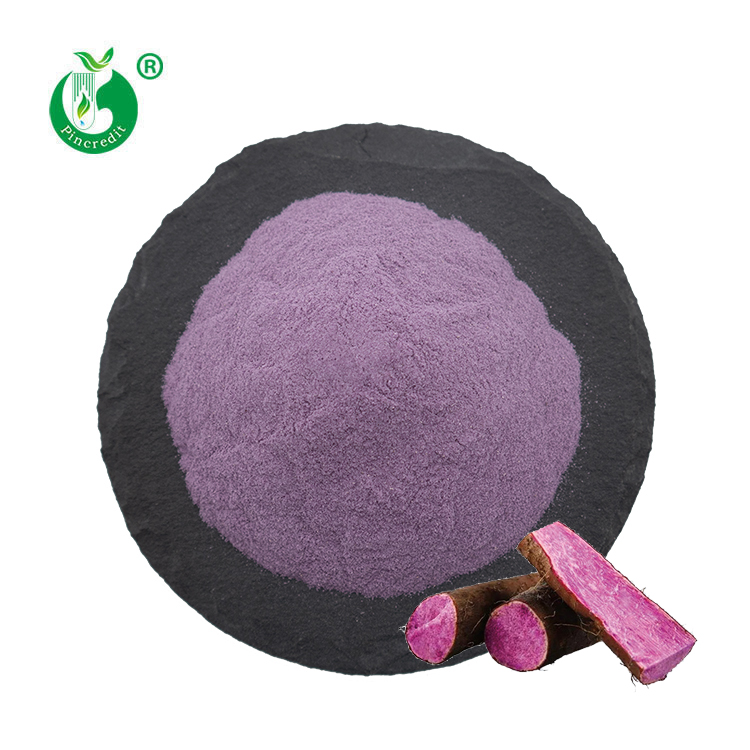
Pincredit Supply EU Standard Powdered Ube Manufacturer Bulk Price High Quality Ube Purple Yam Powder
Fully complies with EC 396/2005 pesticide limits. Smooth mouthfeel, 200 mesh particle distribution, optimal stability across acidic dairy and thermal baking matrices.
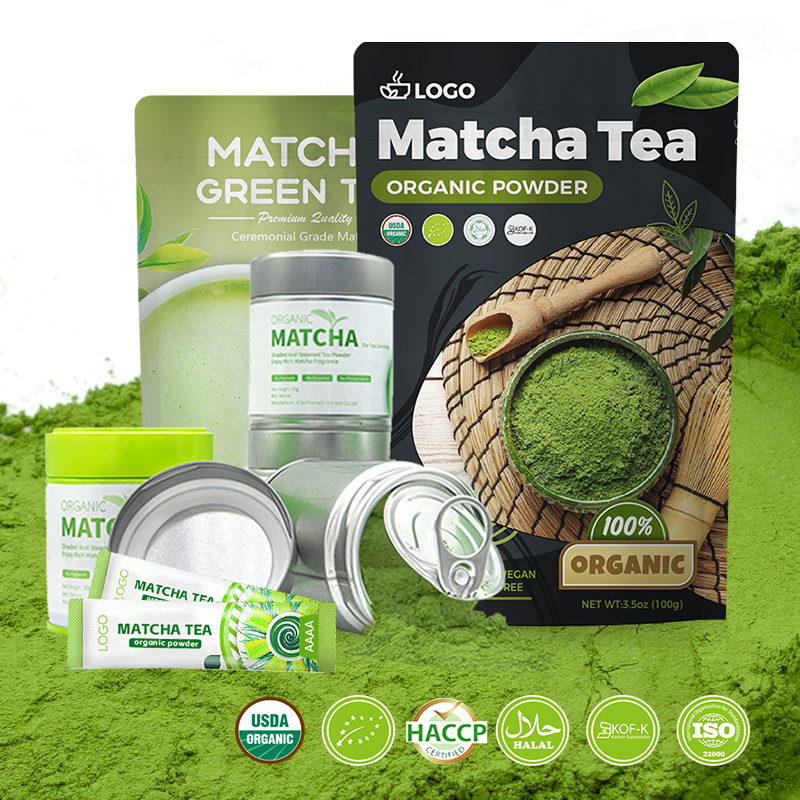
Pincredit Free Sample Private Label Organic Green Tea Ceremonial Matcha Powder
Spring harvest, shade-grown Camellia sinensis stone-milled to >1000 mesh. High L-theanine and polyphenol density with zero bitterness for luxury retail branding.
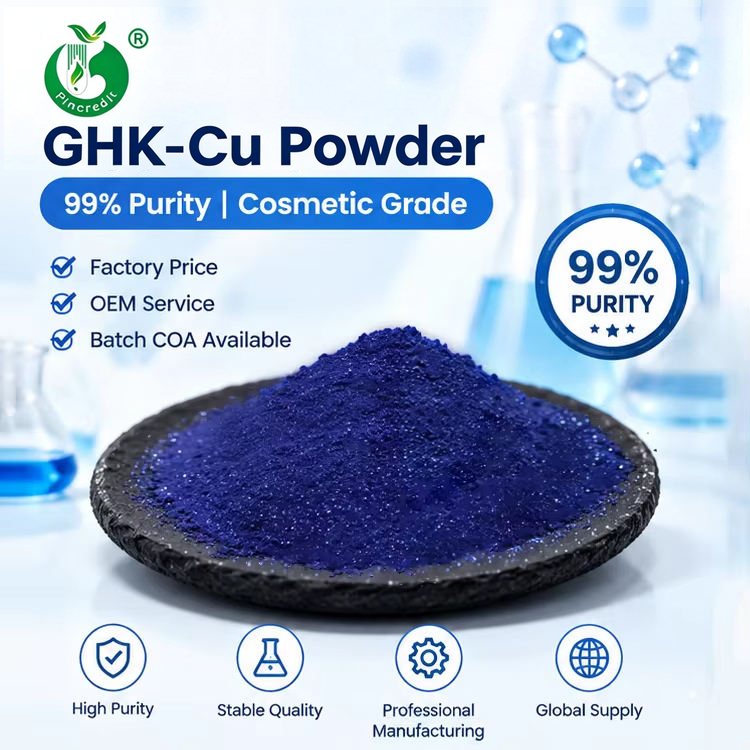
Pincredit Factory Direct Price CAS 89030-95-5 Cosmetic Grade 99% Blue Copper Peptide GHK-Cu Powder
Pharmaceutical-grade peptide synthesized under stringent cGMP conditions. Certified CAS: 89030-95-5 with documented MS, HPLC, and heavy metal testing profiles.
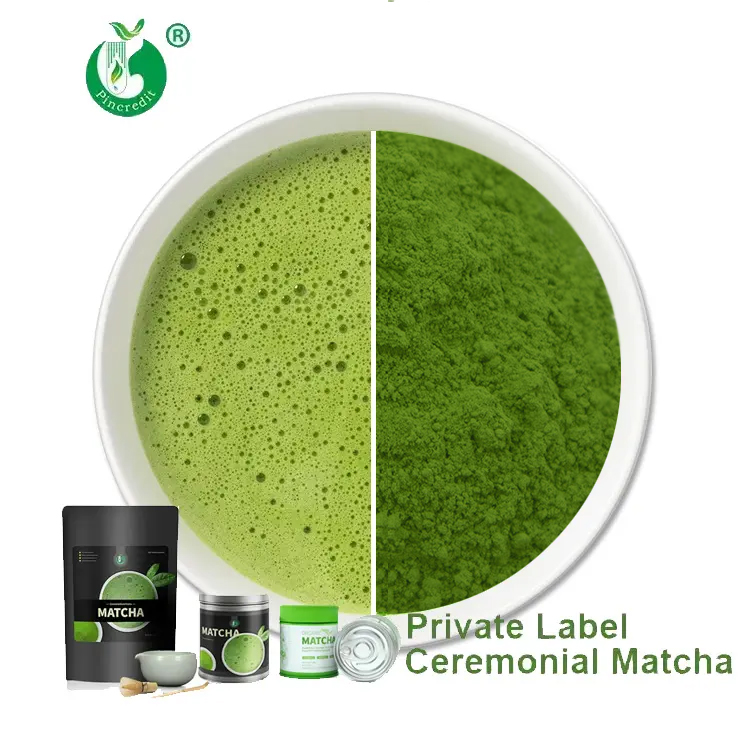
Private Label Organic Pure Matcha Free Sample Bulk Price Ceremonial Grade Matcha Powder
Electrostatically sorted microfine green tea powder. Verified radiation-free, pesticide tested under BS EN 15662, ideal for single-origin luxury functional tea launches.
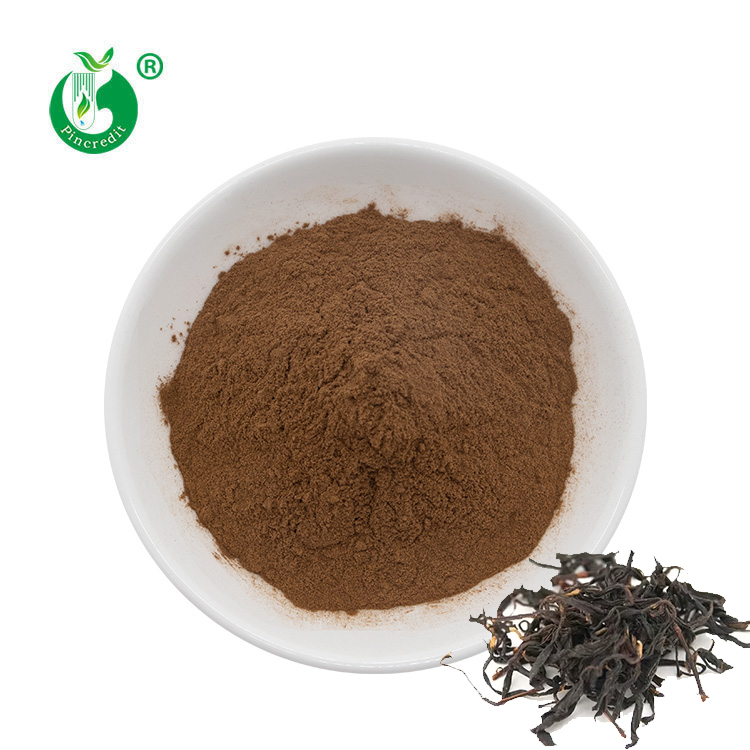
Pincredit Supply Instant Black Tea Powder in Bulk
Instant cold-water soluble concentrated tea extract. Preserves rich theaflavins and thearubigins without sediment, engineered for RTD beverages and premixes.
The Paradigm Shift in Plant Extraction: Precision Phytochemistry & China's Supply Ecosystem
The global pharmaceutical, food supplement, and personal care industries have crossed a critical threshold. Brand owners and chemical procurement teams are moving away from unstandardized crude plant powders and variable plant-to-extract ratios (such as generic 4:1 or 10:1 extracts) toward molecularly targeted, analytical-grade active phytochemicals. China has emerged as the definitive global epicenter for concentrated botanical extraction, fueled by the rich medicinal biodiversity of regions like the Qinling Mountains in Shaanxi Province, along with decades of continuous capital investment in modern chemical separation infrastructure.
As international regulatory bodies—including the United States FDA, the European Food Safety Authority (EFSA), and the Therapeutic Goods Administration (TGA)—increase scrutiny over adulteration, botanical misidentification, solvent residues, and persistent pesticide contamination, procurement officers need more than a generic commercial intermediary. They require a fully verified manufacturer capable of delivering transparent phytochemistry, multi-step quality release controls, and dependable batch consistency. As an audited high-tech manufacturing leader headquartered in Xi'an, Xi'an Vexli Bio-Tech (Pincredit) bridges agricultural origins with global regulatory standards through advanced vacuum concentration, high-performance liquid chromatography (HPLC) standardization, and strict cGMP protocol compliance.
Core Procurement Insight: The modern botanical standard requires transitioning from "ratio-based" procurement to "chromatographic marker-quantified" specification sheets. Never evaluate wholesale plant extract solely on dollar per kilogram; calculate formula efficacy on active moiety yield, residual solvent thresholds (USP <467>), and pesticide residue compliance (BS EN 15662 / USP <561>).
Modern extraction plants do not merely "boil and grind." High-yield phytochemistry requires controlled selective fractionation. Thermolabile polyphenols, fragile linear peptides such as GHK-Cu, bioactive chromoproteins like spirulina-derived phycocyanin, and volatile terpenoids each require specific thermal and hydrodynamic conditions. Implementing low-temperature continuous countercurrent extraction, specialized macroporous adsorption resin columns, ceramic membrane separation, and sterile spray drying enables our Xi'an processing facility to supply ingredients that retain bio-potency without thermal degradation or chemical contamination.
Strategic Sourcing Trends & Phytochemical R&D (2025–2030)
Key shifts shaping corporate botanical ingredient procurement, clean-label compliance, and functional compound performance.
Stringent Regulatory & DNA Traceability
Adulteration via synthetic adulterants or cheaper species substitutions is a major risk for retail brands. Future procurement protocols prioritize DNA barcoding validation, ISO/IEC 17025 accredited laboratory assays, and multi-spectral isotopic ratio checks to guarantee species origin and confirm zero synthetic spike-ins.
Target: 100% Botanical AuthenticityClean-Label Natural Chromophores
With FDA and EFSA restrictions on synthetic petrochemical food dyes (e.g., Red 40, Blue 1, Titanium Dioxide), multinational food and beverage enterprises are actively securing supply chains for heat-stable, light-resistant natural colorants. This drives strong demand for Phycocyanin E25, concentrated Ube (Dioscorea alata), and Butterfly Pea Flower powders.
Shift: Artificial Red/Blue ReplacementMicroencapsulation & Dispersibility
Traditional botanical extracts often struggle with poor water solubility, hygroscopic clumping, and bitter astringency. The future centers on sub-micron pulverization (>450 mesh), natural liposomal complexation, and cyclodextrin microencapsulation. These deliver instant dispersion in cold beverages without sediment or flavor masking issues.
Focus: Bioavailability OptimizationInside the Factory: Extraction Infrastructure, R&D, and Quality Release
Xi'an Vexli Bio-Tech Co., Ltd. (operating the Pincredit brand) operates in Shaanxi's central botanical manufacturing corridor. Instead of functioning as an unverified broker sourcing through secondary spot markets, our group coordinates an audited network of 25 dedicated GMP extraction workshops alongside our Xi'an analytical center. We manage the supply chain from raw material intake to final export customs clearance.
Proprietary Patents & Technological Differentiation
Our commitment to process refinement is demonstrated by our intellectual property portfolio, which includes:
- Invention Patent (ZL 2014 1 0464649.9): High-efficiency selective extraction and purification process for protocatechuic aldehyde from Salvia miltiorrhiza (Danshen), eliminating harmful solvent degradation.
- Utility Model Patent (No. 14520048): Specialized continuous vacuum plant extraction system engineered to minimize thermal exposure and prevent active polyphenol oxidation.
Technical Specification Audit: Analytical Methods & Acceptance Criteria
| Analytical Parameter | Testing Methodology | Industry Standard vs. Factory Spec | Impact on Formulation Safety |
|---|---|---|---|
| Phytochemical Assay | HPLC-DAD / LC-MS/MS | Standard: ±10% variance Our Factory: ±2% batch-to-batch guarantee |
Prevents formulation underdosing or excessive active compound spikes in finished products. |
| Pesticide Multi-Residue | GC-MS/MS & LC-MS/MS (BS EN 15662) | Standard: General screening Our Factory: >500 compound Eurofins panel |
Guarantees unhindered clearance under European Regulation (EC) No 396/2005. |
| Heavy Metals (Pb, As, Cd, Hg) | ICP-MS (Inductively Coupled Plasma) | Standard: Total heavy metals < 20ppm Our Factory: Lead < 0.5ppm, Cadmium < 0.1ppm |
Full compliance with California Proposition 65 and European Pharmacopoeia (EP 5.1.8). |
| Residual Solvents | Headspace Gas Chromatography (GC) | Standard: Class 2 solvents < USP limits Our Factory: Water or 100% Cane Ethanol Only |
Eliminates toxic volatile organic compound (VOC) exposure across dietary supplements. |
| Physical Particle Size | Laser Diffraction (Malvern Mastersizer) | Standard: 80–100 Mesh Our Factory: Micro-milled up to 450–1000 Mesh |
Guarantees rapid cold-water dispersion, suspended cloud stability, and clean mouthfeel. |
Quality Lab & Analytical Capabilities
Every shipment is matched to an explicit, lot-numbered Certificate of Analysis (COA). Our testing laboratory is equipped with High-Performance Liquid Chromatographs (HPLC), Gas Chromatographs (GC), UV-Vis Spectrophotometers, and Class 100 aseptic microbiological incubators. We quantify marker compounds (such as catechins, EGCG, theanine, total anthocyanins, and pure copper peptide content) to protect your brand from supply chain inconsistencies.
B2B Procurement Whitepaper: How to Audit a Chinese Plant Extract Manufacturer
When selecting a manufacturing partner in China, international procurement directors face a crowded landscape of export agents, state corporations, and specialized factories. To safeguard your product formulations, your supply team should follow this technical audit checklist before releasing purchase orders:
1. Demand Method-Specific Assays
A specification claiming "50% Polysaccharides" measured by UV spectrophotometry can easily be falsified using maltodextrin or starch fillers. Demand HPLC assay protocols or enzymatic hydrolysis testing to verify true bioactive polysaccharide fractions.
2. Review Raw Harvest Traceability
Inquire whether the raw botanical is wild-crafted, plantation-grown, or GAP-certified. Wild-harvested materials often carry elevated risks of environmental heavy metal absorption, while unmonitored commercial farming may introduce illegal pesticide residues.
3. Check Transport Classification
Fine powders can be flagged by international air (IATA DGR) and sea (IMDG) freight carriers as potential dust-explosion hazards or chemical hazards. Ensure your supplier provides valid Shanghai or DGM transport identification safety reports.
Our operations simplify this process. We provide comprehensive technical dossiers with every commercial batch, including formal Allergen Declarations, Non-GMO Attestations, BSE/TSE Certificates, and Flowability / Bulk Density profiles tailored for tablet compression, capsule filling, or liquid suspensions.
Frequently Asked Questions for Sourcing Directors
Direct answers covering sample verification, MOQ flexibilities, analytical standards, and international logistics.
What is the standard Minimum Order Quantity (MOQ) across your ingredient lines?
Our baseline factory MOQ for most high-value botanical extracts, standardized pigments (such as Phycocyanin E25), and cosmetic peptides (GHK-Cu) begins at just 1 kg. For bulk spray-dried food powders (like Ube Yam powder or instant tea powders), our typical production run starts at 25 kg (standard fiber drum). Large bulk sweeteners, such as organic allulose, require a 50 kg to 500 kg threshold. We maintain this low MOQ structure to help corporate R&D teams pilot test formulations before committing to multi-ton procurement contracts.
How do you verify botanical purity and prevent synthetic adulteration?
We use a three-tier quality control architecture. First, raw plant materials undergo botanical identity testing via Thin-Layer Chromatography (TLC) and microscopic structural analysis. Second, our laboratory uses HPLC-DAD and GC to confirm chemical profiles against authenticated reference standards. Third, we regularly send representative batch lots to third-party testing centers, including Eurofins and SGS, for multi-residue pesticide screens (BS EN 15662) and elemental heavy metal analysis (ICP-MS).
Can you manufacture custom particle sizes (mesh) and bulk densities for capsules?
Yes. Powder physical characteristics directly affect high-speed encapsulation and tableting equipment. Using dynamic air-classifier milling (ACM) and vibrating sieves, we calibrate particle size from standard 80–100 mesh to ultra-fine 450–1000 mesh. We also adjust bulk and tapped density using controlled fluid-bed agglomeration (granulation) to ensure free-flowing, dust-free manufacturing on automated production lines.
What documentation accompanies commercial ingredient consignments?
Every commercial consignment includes:
1. Lot-specific Certificate of Analysis (COA) detailing physical, chemical, and microbiological results.
2. Complete Safety Data Sheet (SDS) compliant with GHS standards.
3. Technical Product Specification Sheet and Shelf-Life Stability Statement.
4. Non-Animal, Non-Irradiation, and Non-GMO Declarations.
5. Official Transaction Certificates (TC) for organic items, alongside Halal and Kosher compliance sheets.
Which Incoterms and global freight modalities do you support?
We accommodate a wide range of global international shipping needs: FOB (Tianjin/Shanghai/Qingdao), CFR, CIF, EXW, and door-to-door Delivered Duty Paid (DDP) by air express or sea freight. DDP shipping handles customs clearance and import duties, delivering product directly to corporate receiving docks across North America, Europe, Australia, and the Middle East.
How can our R&D team obtain verified laboratory evaluation samples?
We supply complimentary evaluation samples (typically 50g to 100g) for qualified brand formulators, contract manufacturers, and procurement specialists. Samples are pulled directly from commercial production lots and ship alongside matching lot-specific COAs via FedEx, DHL, or UPS Priority for quick analytical and benchtop validation.
Accelerate Your Formulation With Precision Botanical Extracts
Send us your required active assay, target mesh size, application specs, and regulatory destination. Our technical sales engineers in Xi'an will reply within 12 business hours with matching specifications, batch COAs, and tiered factory pricing.