Natural Colorant
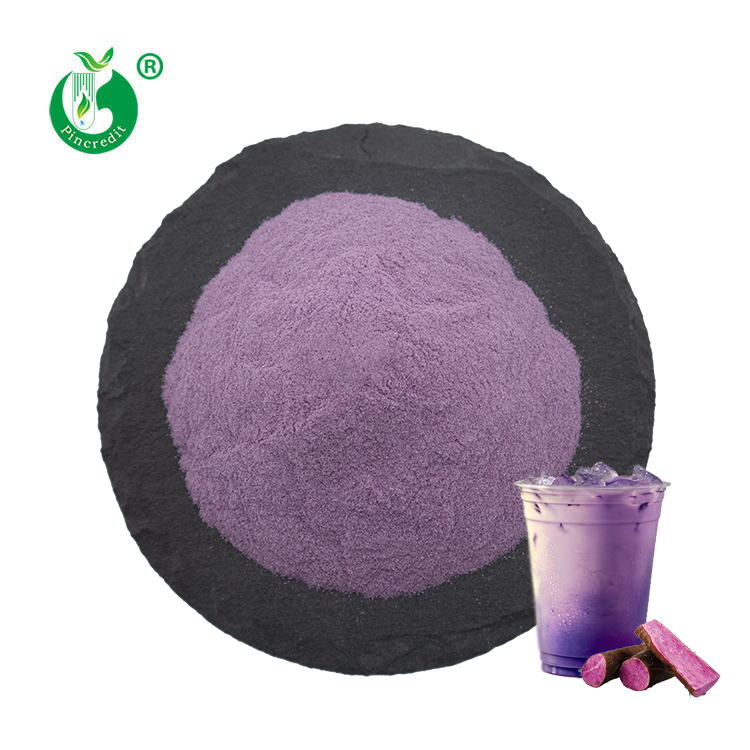
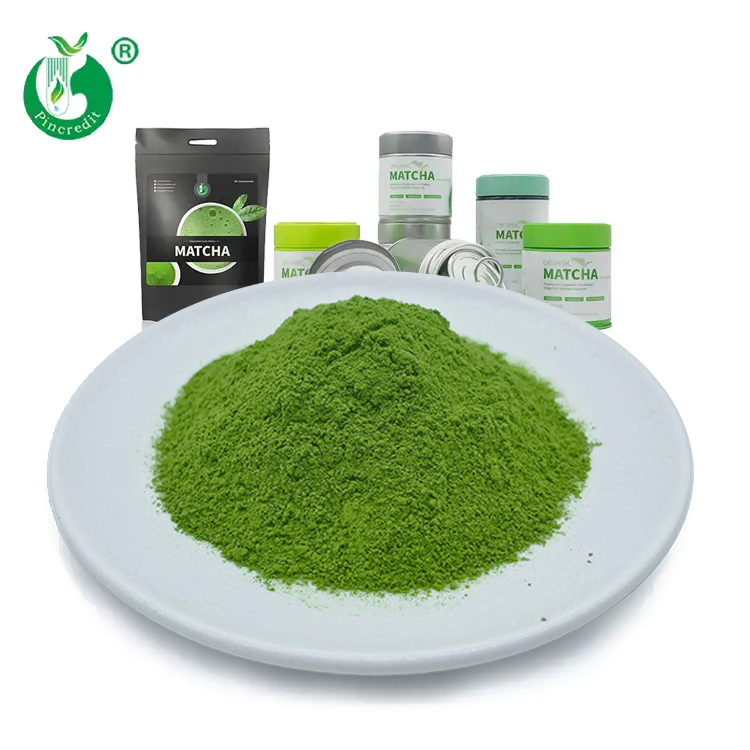
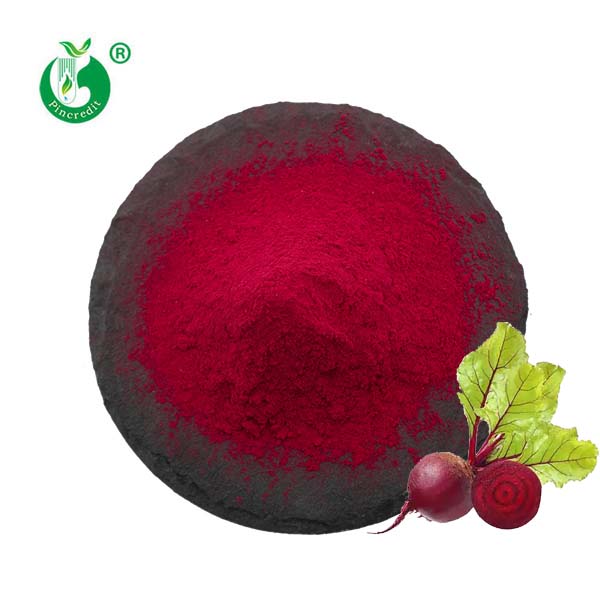
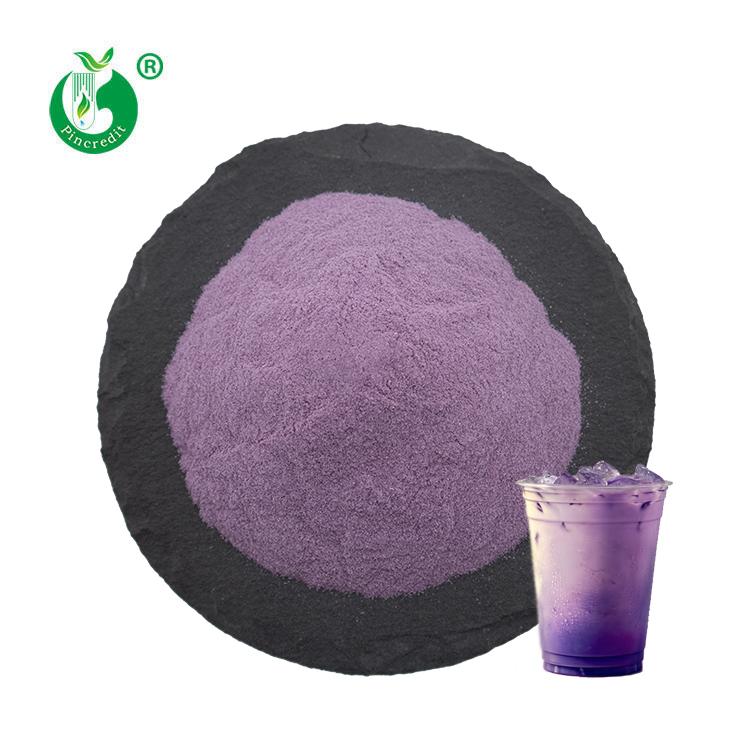
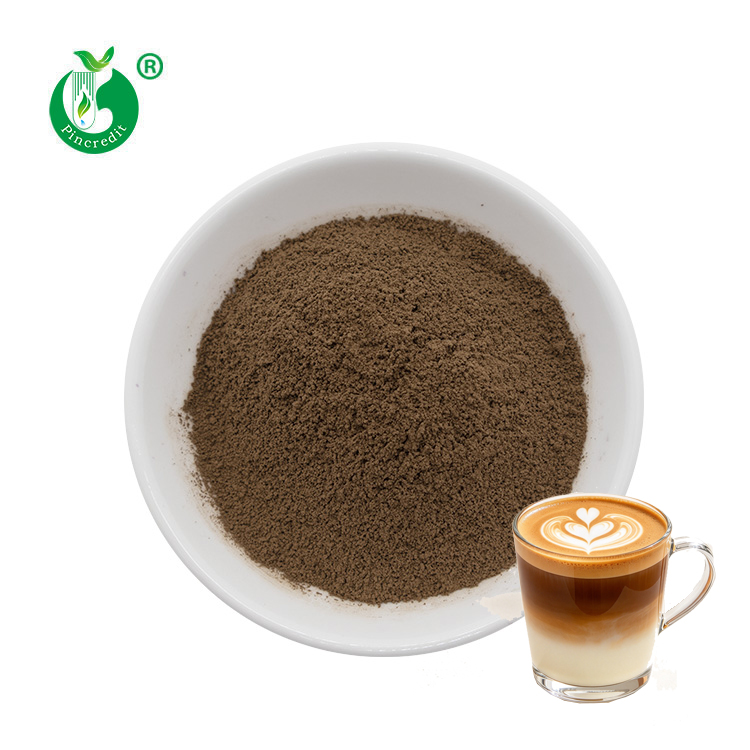
Natural Dioscorea Alata Ube Powder
Mesh Particle Size:80–200 Mesh
Solubility Index:≥95% in Water
Certifications:Halal, Kosher, ISO
Directly manufactured under rigorous cGMP protocols using food-grade and ethanol-assisted solvent extraction systems. Verified assay, batch traceability, and full pharmacopeia validation.
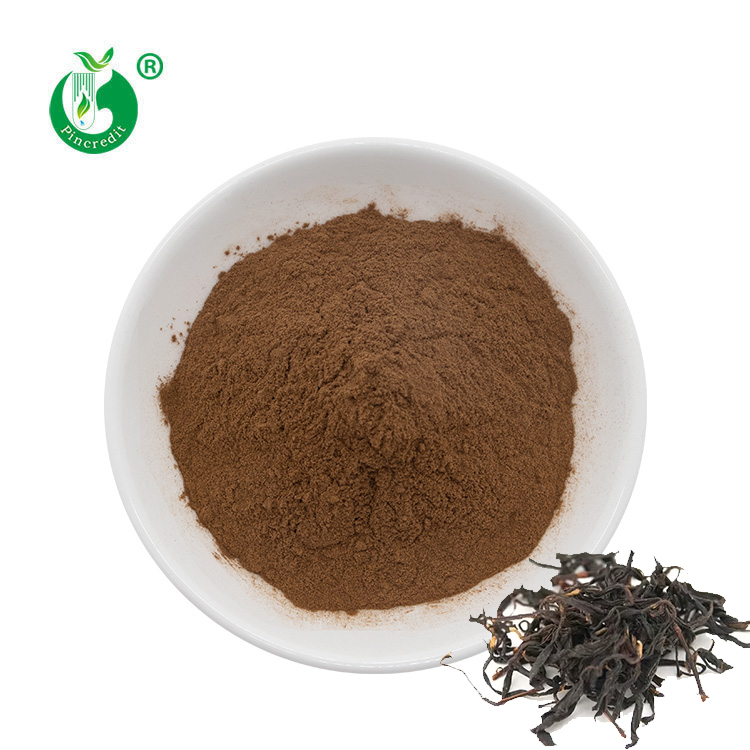
An exhaustive technical evaluation of ethanol solvent concentration dynamics, countercurrent solid-liquid mass transfer, and vacuum recovery parameters for B2B procurement chemists.
In industrial phytochemistry, alcohol-based extraction (specifically ethanol aqueous mixtures) constitutes the benchmark solvent platform for isolating lipophilic, polyphenol, and terpenoid secondary metabolites from botanical matrices. Unlike pure aqueous maceration, which primarily yields polar polysaccharides and hydrosoluble tannins, adjusting the ethanol-to-water ratio across gradients ranging from 30% v/v to 95% v/v selectively dictates the partition coefficient ($K_p$) of target active compounds. This enables precise fractionation while suppressing non-desirable water-soluble starches and high-molecular-weight impurities that otherwise complicate downstream spray-drying and clarification processes.
Chinese botanical extract facilities capitalize on regional herbal abundance (such as Salvia miltiorrhiza, Ginkgo biloba, milk thistle, and medicinal mushrooms) coupled with advanced closed-loop multi-stage dynamic extraction tanks. The engineering integrity of an alcohol-based extraction batch rests upon three non-negotiable chemical engineering stages: dynamic percolation kinetics, vacuum falling-film desolventization, and macroporous adsorption resin chromatography.
By modulating the dielectric constant through varying ethanol-water blends (e.g., 50% EtOH for flavonoid glycosides versus 90% EtOH for diterpenes like tanshinones), our facilities achieve maximum bioactive enrichment. Solid-to-liquid ratios are rigorously stabilized between 1:8 and 1:12 to ensure peak saturation kinetics without solvent wastage.
Thermally fragile actives degrade under prolonged heating. Chinese state-of-the-art exporters implement multi-effect continuous falling film evaporators operating under rigorous vacuum conditions (-0.085 to -0.095 MPa) at bath temperatures strictly beneath 50°C. This guarantees total solvent stripping while preventing thermal caramelization.
Following primary ethanol recovery, extracts are fractionated using non-ionic macroporous resins (e.g., AB-8, D101). Targeted secondary metabolites are adsorbed while mineral salts and free mono-saccharides pass directly through. Desorption via controlled ethanol wash steps yields assay purities surpassing 98% HPLC.
| Extraction Solvent Matrix | Target Bioactive Classes | Efficiency vs Aqueous (%) | USP <467> Residual Solvent Limits | Primary Industrial Applications |
|---|---|---|---|---|
| Food-Grade Ethanol (95% v/v) | Lipophilic triterpenoids, phytosterols, essential essential oils, tanshinones | +340% mass recovery | Class 3: <5,000 ppm (Vexli std: <500 ppm) | Softgels, lipid nutritional blends, active cosmeceuticals |
| Hydro-Ethanol (50–70% v/v) | Flavonol aglycones, saponins, phenolic acids, catechins, curcuminoids | +220% targeted assay | Class 3: <5,000 ppm (Vexli std: <300 ppm) | Tablets, hard gelatin capsules, antioxidant functional drinks |
| Ethanolic Maceration with Ultrasonic Assist | Polysaccharide-peptide conjugates, anthocyanins, volatile esters | +185% speed / -40% heat exposure | Class 3: <5,000 ppm (Vexli std: <200 ppm) | Instant tea powders, rapid-suspension barista formulations |
| Pure Demineralized Water (Baseline) | Water-soluble polysaccharides, simple sugars, inorganic minerals | Baseline benchmark (100%) | Solvent-free (0 ppm residual risk) | Nutritional gummies, instant water-soluble colorants |
Key transformative market shifts impacting global botanical supply chains, solvent regulations, clean-label compliance, and analytical authentication.
International regulatory authorities (EFSA, FDA, Health Canada) are imposing stringent crackdowns on neurotoxic Class 1 and Class 2 solvents such as methanol, hexane, and benzene. Modern procurement directives universally favor bio-fermented grain-derived ethanol systems that ensure complete absence of mutagenic trace impurities, aligning with non-GMO and clean-label dietary supplement guidelines.
Escalating global carbon taxation and corporate ESG mandates are forcing Chinese extraction manufacturers to adopt automated closed-circuit solvent recovery loops with ≥98.5% recovery efficiency. This drastically lowers VOC environmental emissions, cuts processing energy consumption, and insulates bulk procurement pricing from volatile raw petrochemical fluctuations.
Global brands are aggressively phasing out non-specific UV-Vis total assay specifications in favor of HPLC-DAD, LC-MS/MS, and DNA barcoding. High-tier Chinese exporters are now mandated to furnish chromatographic fingerprints proving precise isomer ratios and guaranteeing the complete exclusion of adulterating synthetic fillers or low-grade exogenous spiking.
Leveraging the raw botanical richness of the Qinling Mountains with world-class analytical chemistry, enterprise patents, and audited multinational compliance.
Our 1,250 m² production site and central laboratory in Xi'an have undergone exhaustive on-site supplier verification audits conducted by SGS. Audits validate complete procedural control over incoming raw botanical quarantine, solvent storage safety, cleanroom air handling, and finished goods release.
We hold intellectual property credentials including Invention Patent ZL 2014 1 0464649.9 (Method for extracting and purifying protocatechuic aldehyde from Salvia miltiorrhiza) and Utility Model Patent No. 14520048 for continuous high-efficiency botanical extraction engineering.
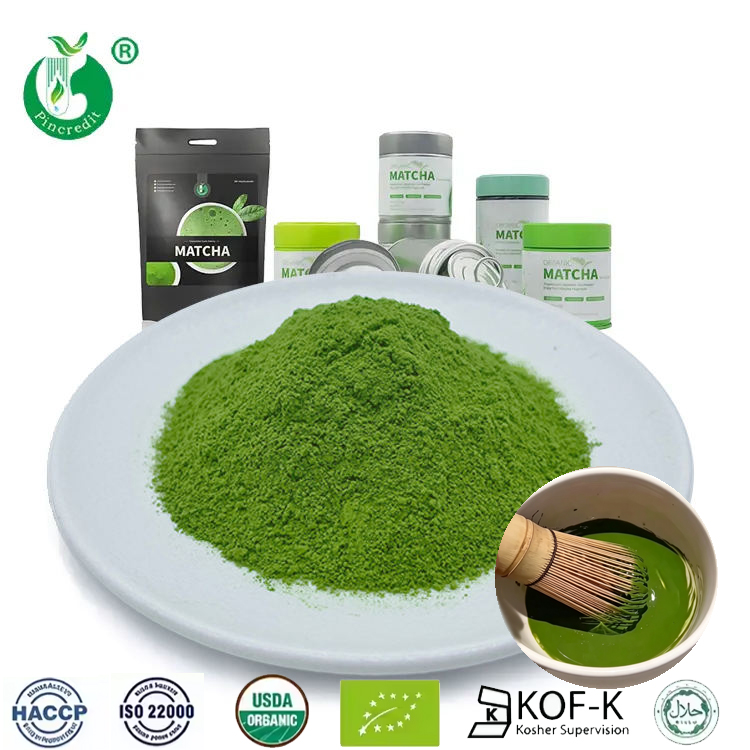
Formulate with absolute regulatory peace of mind. Vexli products are backed by ISO 22000 and HACCP food safety management systems, Halal, Kosher, alongside USDA Organic and EU Organic certifications for our matcha, mushroom extracts, and superfoods.
We maintain an unbroken audit and fulfillment record with enterprise multinational corporations and Fortune 500 nutraceutical giants. Our export operations generate over US$29.5 Million annually across demanding jurisdictions in North America, Western Europe, and Oceania.
Equipped with state-of-the-art HPLC, Gas Chromatography (GC for residual solvents), UV-Vis Spectrophotometers, and Muffle Furnaces. Every single batch is quarantined until complete release testing confirms assay, heavy metals (Pb, As, Cd, Hg), and microbial boundaries.
From 1 kg pilot batches to multi-ton FCL shipments, we provide custom particle sizing (80–1200 mesh), customized compound blending, spray granulation, and turn-key retail packaging (jars, foil sachets, standing pouches) with export DDP clearing directly to your distribution center.
Crucial analytical parameters every procurement director, QA chemist, and regulatory specialist must cross-examine before approving release.
Detailed technical answers to common queries submitted by contract manufacturers, formulators, and global import managers.
Xi'an Vexli Bio-Tech exclusively utilizes premium fermented food-grade grain ethanol (corn/cassava fermentation origin, 95% to 99.5% purity) compliant with national food additive standards (GB 1886.31). We strictly prohibit synthetic industrial alcohol derived from petrochemical cracking to guarantee zero contamination from benzene or methanol.
Following column chromatography and multi-effect falling film evaporation, our extract slurry is vacuum-dried or spray-dried under controlled negative pressure. This engineering step volatilizes residual ethanol molecules well below the conservative USP <467> and EP limits of 5,000 ppm. Our standard commercial finished powders consistently test below 300–500 ppm via Headspace-GC.
Yes. We supply free R&D evaluation samples (50g to 200g) for verified pharmaceutical, nutraceutical, and food manufacturing enterprises. Each sample comes accompanied by a lot-matched Certificate of Analysis (COA) and a comprehensive Technical Data Sheet (TDS) so your formulation chemists can verify solubility, bulk density, and color.
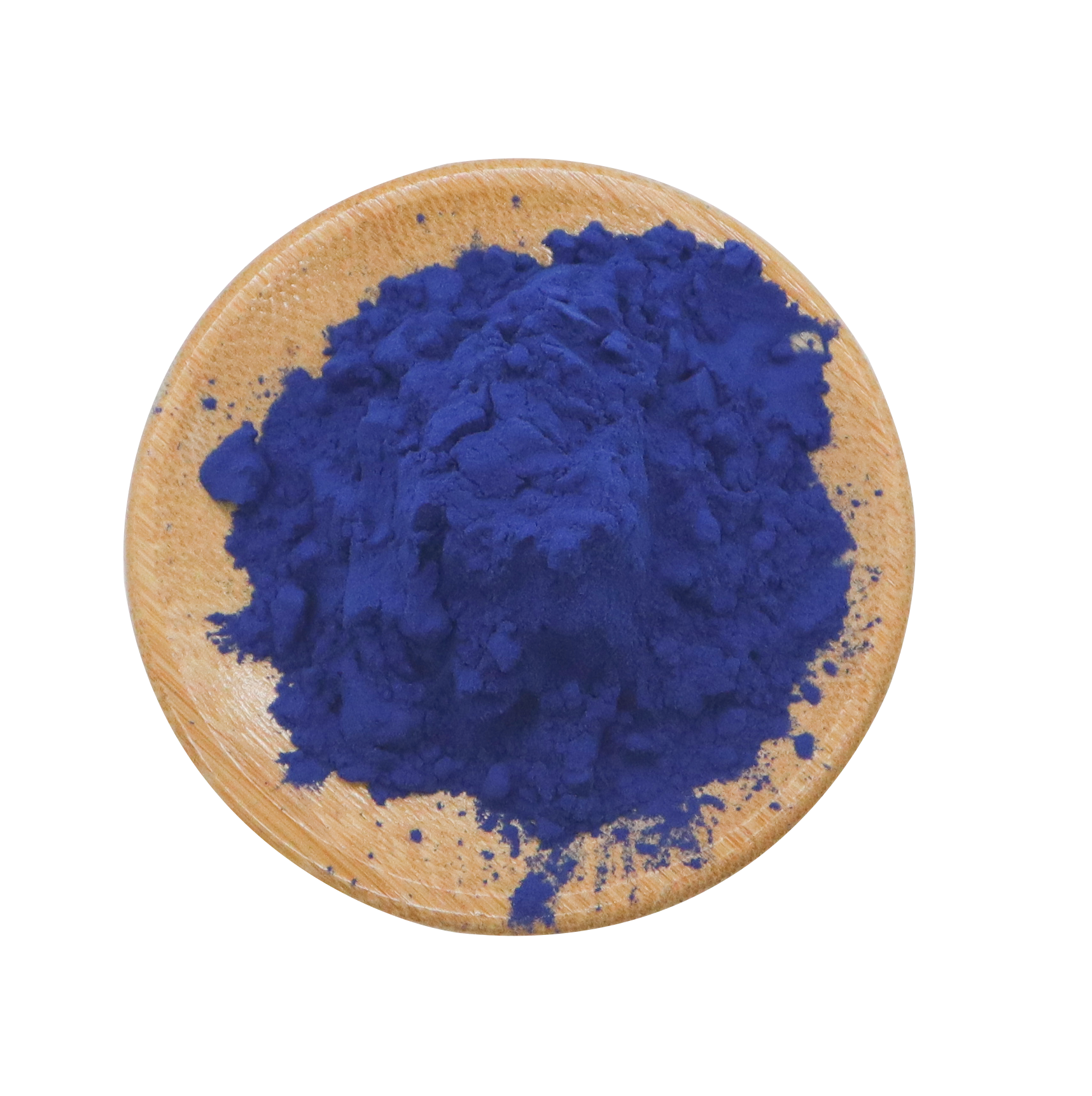
For active stock powders (such as matcha, blue spirulina, and standard botanical extracts), our minimum order quantity starts at just 1 kg to support agile pilot production. For custom-formulated alcohol extracts, customized mesh grinds, or bespoke OEM retail blends, MOQs typically range from 25 kg to 100 kg with an average dispatch lead time of 7 to 12 working days.
We support FOB, CFR, CIF, EXW, FCA, and full turnkey DDP (Delivered Duty Paid) with all customs duties cleared directly to your doorstep in the United States, European Union, and Australia. Shipments include commercial invoices, packing lists, batch COA, Certificate of Origin (COO), Form A, phytosanitary declarations, and non-dangerous transport safety certs.
We implement strict incoming raw material quarantine utilizing High-Performance Liquid Chromatography (HPLC) coupled with Diode Array Detectors (DAD) and Thin-Layer Chromatography (TLC) botanical identification profiling. By verifying secondary metabolite retention times and characteristic chiral peaks against reference standards, we guarantee 100% natural, unadulterated botanical extraction.
Connect immediately with our phytochemistry engineering desk. Request custom specifications, HPLC chromatographic data, lot-specific COAs, and competitive tier-one factory export pricing tailored to your procurement volume.