Organic Ceremonial Grade Matcha Powder
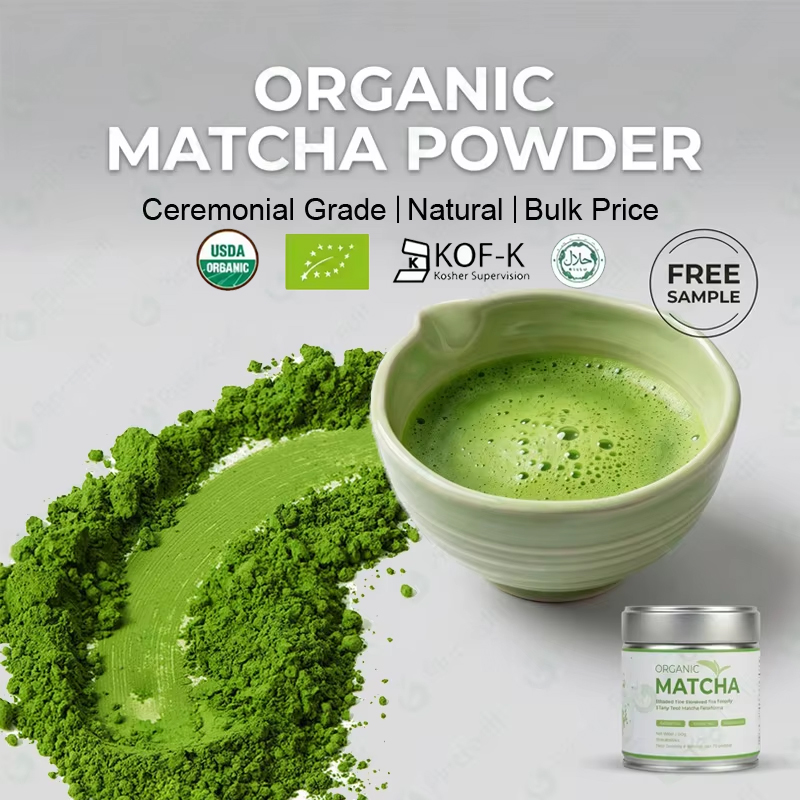
Traditional shade-grown Camellia sinensis stone-milled to ultra-fine microscopic suspension. Offers vivid chlorophyll green color and rich L-theanine without bitterness.
Manufactured to rigid European standards, non-irradiated, solvent-safe, and tested for low heavy metals and zero pesticide adulteration across every batch.
Traditional shade-grown Camellia sinensis stone-milled to ultra-fine microscopic suspension. Offers vivid chlorophyll green color and rich L-theanine without bitterness.
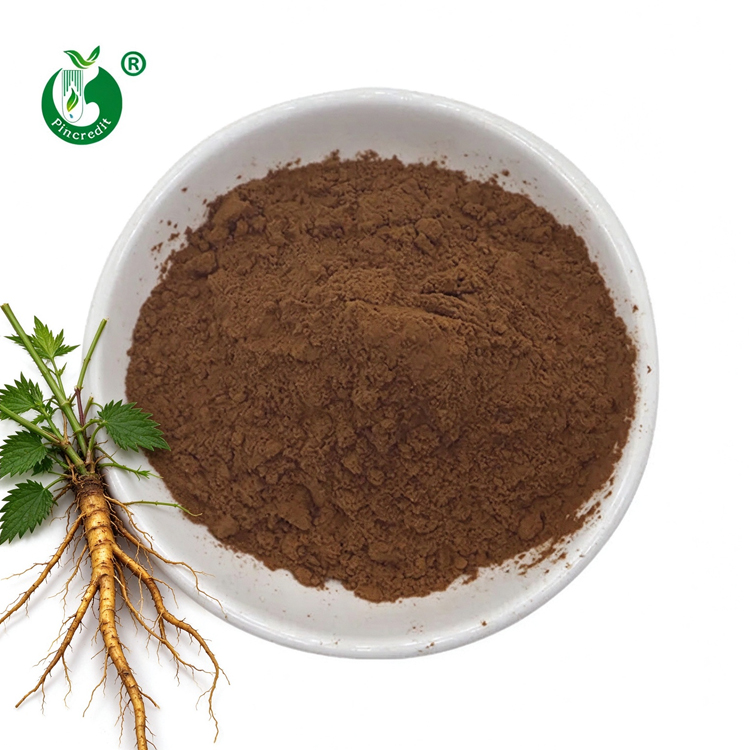
High-ratio concentrated botanical active validated for targeted β-sitosterol and plant lignans. Widely applied in functional supplements and urinary tract dietary capsules.
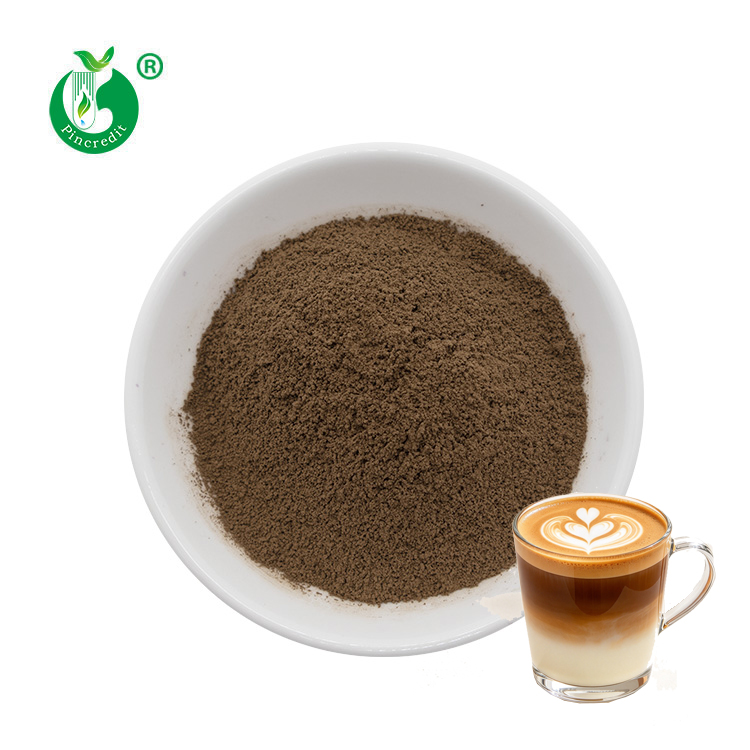
Deep slow-roasted green tea providing a rich smoky-brown hue, natural pyrazines, and pleasant nutty profile with significantly low caffeine density for beverages and baking.
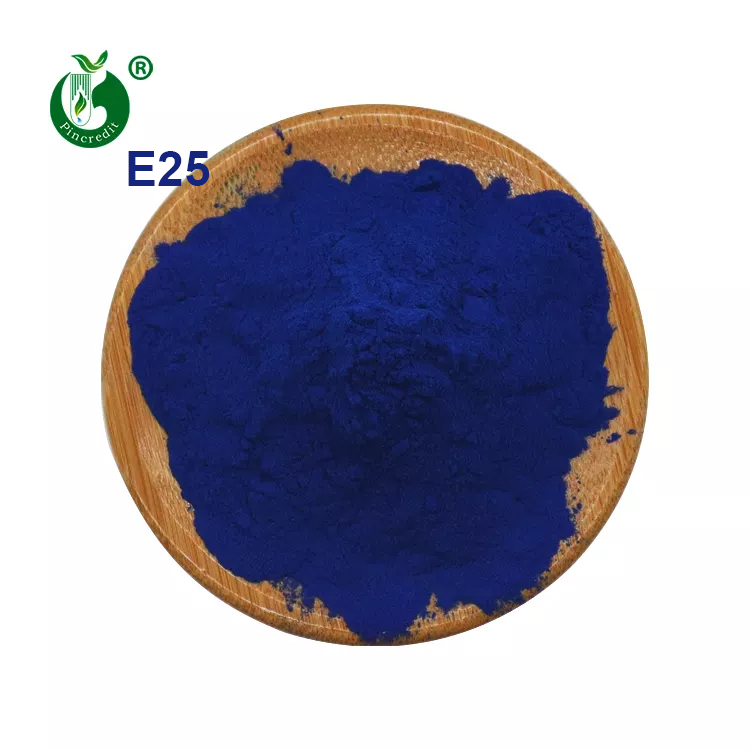
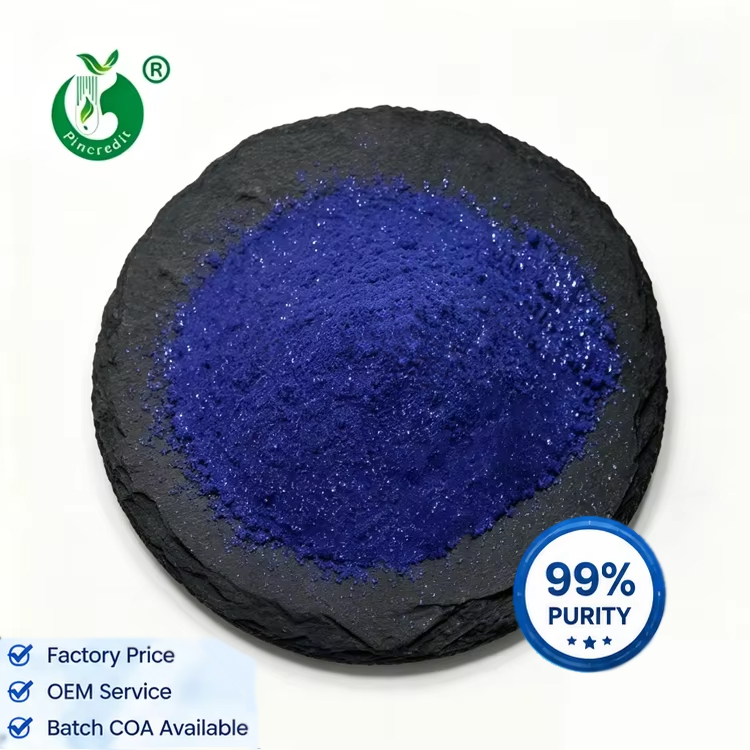
The premier natural blue pigment alternative to synthetic Brilliant Blue FCF (FD&C No.1). High color potency E25 protein pigment yielding clean, intense sky-to-sapphire hues.
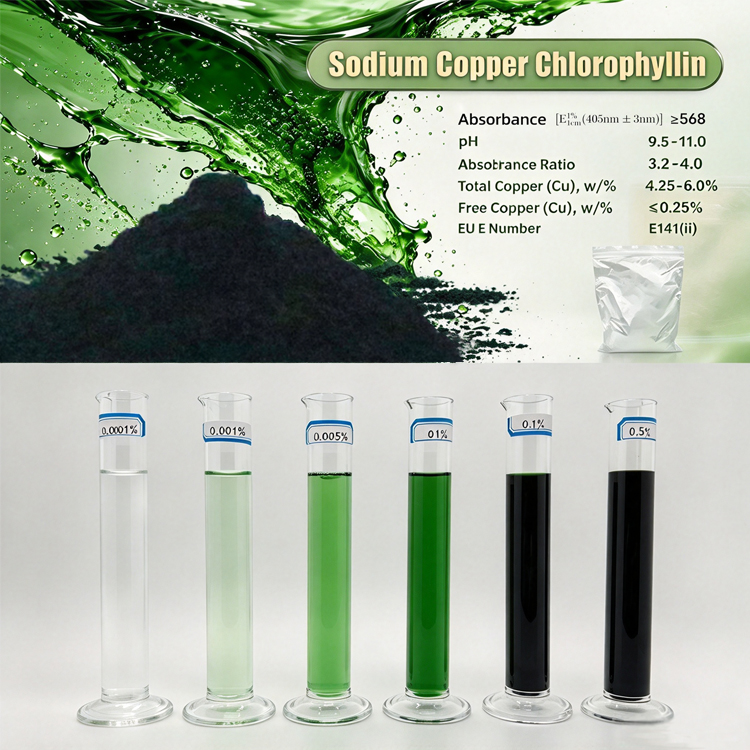
Semi-synthetic porphyrin salt isolated from pristine mulberry foliage. Features superb chemical heat and light stability in high-moisture matrixes, liquid syrups, and tablet coating.
Biomimetic tripeptide chelated with copper (II) ions creating an intense natural blue therapeutic powder. Exceptional cell repair efficacy, anti-glycation, and collagen remodeling properties.
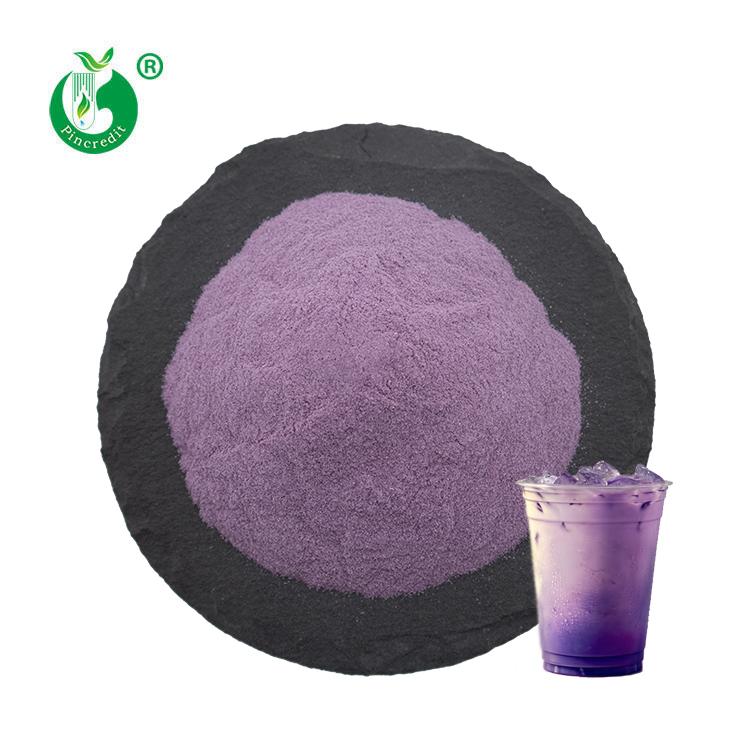
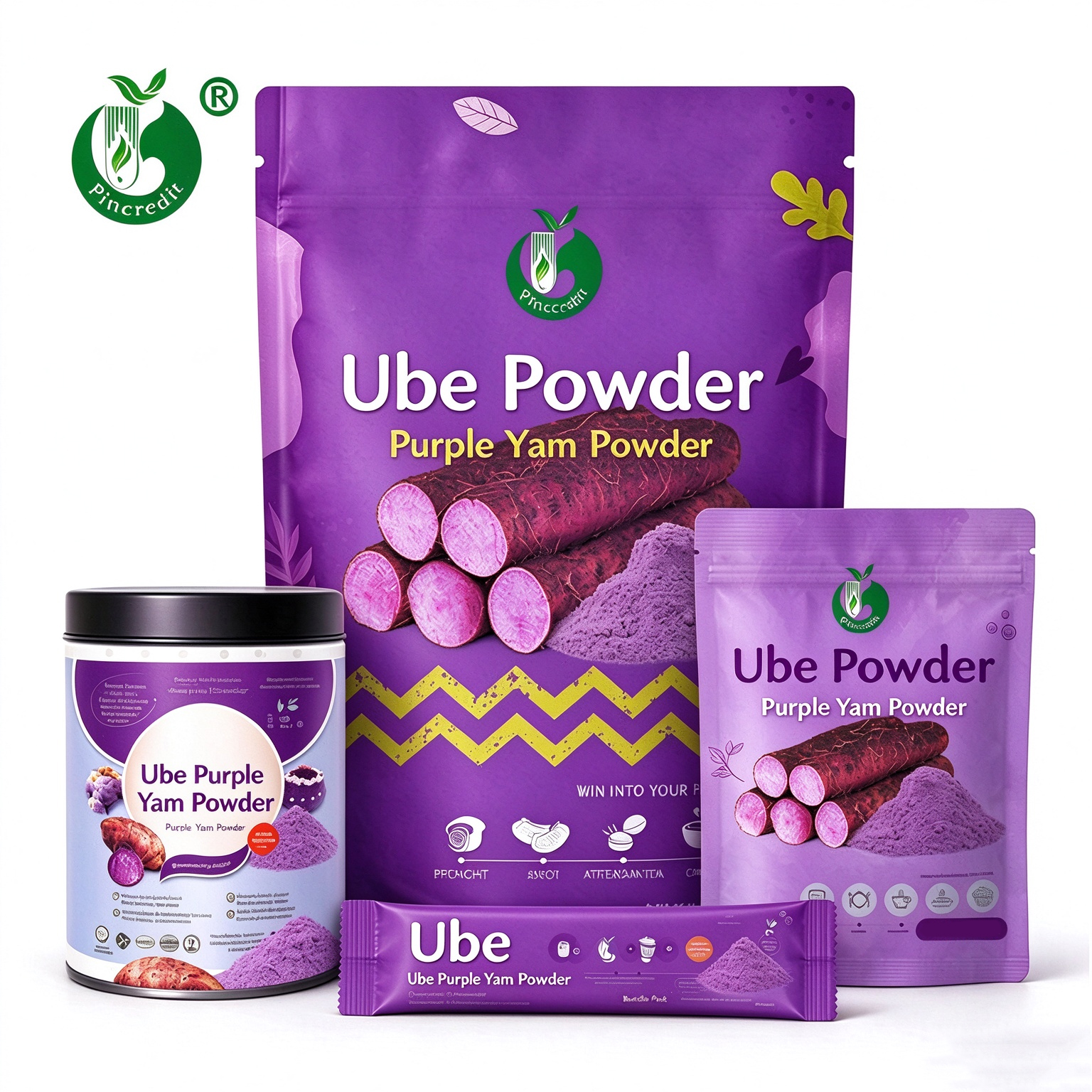
Dehydrated purple yam with preserved bioactive anthocyanins. Formulated specifically for milk tea syrups, boba pearls, and artistic pastry glazes without chemical color enhancements.
Eurofins lab-certified purple yam bulk powder matching stringent European directives for aflatoxins, polycyclic aromatic hydrocarbons (PAHs), and heavy metals for industrial beverage makers.
Global formulation shifts are fundamentally disrupting the food chemistry landscape. Here is how forward-thinking sourcing executives are re-engineering their botanical ingredient pipelines.
The global sunsetting of artificial dyes—such as Red 40 (Allura Red), Yellow 5 (Tartrazine), and Blue 1—under the EU Food Improvement Agents (FIAP) framework and California AB 418 has made clean-label non-synthetic pigments a mandatory risk mitigation step. Procurement teams are replacing artificial dyes with spirulina phycocyanin, anthocyanin-rich purple yam, and chlorophyllin derivatives to safeguard market access.
B2B ingredient buyers are abandoning vague bulk naming conventions. Commercial contracts now mandate exact Color Value (E1% 1cm) quantification via calibrated UV-Vis spectroscopy. Rather than assessing simple price per kilogram, procurement directors calculate effective active cost-in-use, demanding verified absorbance ratios to ensure batch-to-batch chromatic stability across industrial beverage bottling runs.
Tier-1 multinationals now require on-site supplier verification and batch-traceable multi-residue pesticide profiles (BS EN 15662:2018). Spot-market brokers are being phased out in favor of origin-integrated extraction manufacturers possessing Class 100,000 cleanrooms and audited documentation for heavy metal thresholds (Pb < 2ppm, As < 1ppm, Cd < 1ppm, Hg < 0.1ppm).
A chemist-level operational comparison designed to guide procurement transitions from synthetic petro-chemical coloring to precision botanical pigments.
| Analytical Parameter | CE-Certified Phycocyanin (E25) | Chlorophyllin Sodium Copper | Anthocyanin-Rich Purple Yam | Conventional FD&C Dyes |
|---|---|---|---|---|
| Botanical Origin | Arthrospira platensis (Microalgae) | Morus alba (Mulberry Leaves) | Dioscorea alata (Root Tuber) | Petroleum derivatives (Coal tar) |
| EU / US Clean Label Status | Clean Label (Coloring Foodstuff) | Approved Food Additive (E141ii) | 100% Whole Food Ingredient | Requires Warning Labels (EU) |
| Thermal Stability Range | Stable up to 60°C (Micro-encapsulated) | Superior up to 105°C continuous | Stable under UHT baking cycles | Thermal resistant to 120°C+ |
| pH Operational Window | pH 4.5 – 8.0 (Peak blue at 6.0) | pH 6.5 – 11.0 (No sedimentation) | pH 3.0 – 7.0 (Pink to violet spectrum) | Broad pH independent |
| Standard Testing Method | UV-Vis (Absorbance at 620 nm) | Spectrophotometry (Abs 405 nm) | HPLC Cyanidin-3-Glucoside | Thin-layer chromatography |
| Antioxidant Bioactivity | High ORAC & anti-inflammatory | Proven internal odor reduction | High polyphenol & prebiotic fiber | Zero biological utility |
How cutting-edge chemical engineering and biological extraction technologies are overcoming traditional hurdles in stability, solubility, and bio-potency.
Thermal degradation and photo-bleaching have historically restricted the shelf-life of phycocyanin and plant carotenoids in liquid RTD beverages. Modern manufacturing overcomes this via lipid-core microencapsulation, preventing chromophore denaturation at low pH and extending chromatic shelf-life beyond 18 months at ambient temperatures.
By eliminating toxic petrochemical solvents such as hexane and chlorinated hydrocarbons, low-temperature closed-loop supercritical fluid extraction protects heat-sensitive botanical active groups. This process ensures zero toxic solvent residue, guaranteeing absolute compliance with USP <467> and EP 5.4 guidelines for high-purity active substances.
As wild harvests face climate unpredictability and ecological vulnerability, enzymatic bioconversion and precision microbial fermentation are becoming standard for producing high-demand target molecules such as pure GHK-Cu peptides, resveratrol, and rare phyto-glycoproteins with verified carbon-neutral footprints.
Combining botanical cultivation advantages with precision engineering and global compliance infrastructure.
Headquartered in Xi'an, Shaanxi Province, our botanical extraction network encompasses direct harvesting alliances across key microclimates in China. Direct raw material access provides unmatched raw botanicals traceability, minimizing seasonal price volatility for our contractual long-term enterprise partners.
Our extraction facilities and partner workshops have completed comprehensive on-site assessments by SGS, the world's leading testing company. We operate in continuous compliance with ISO 22000, HACCP, USDA Organic, EU Organic, Halal, and Kosher regulatory benchmarks.
Backed by official Invention Patent (ZL 2014 1 0464649.9) and proprietary Utility Model Patents (No. 14520048), our multi-stage resin separation and low-temperature vacuum crystallization lines preserve active chromophores while stripping residual heavy metals and foreign impurities.
Every commercial batch is accompanied by an authenticated lot-specific Certificate of Analysis (COA). Our quality control laboratories deploy high-performance liquid chromatography (HPLC), gas chromatography (GC) for residual solvents, and UV-Vis spectrophotometers for immediate testing verification.
We eliminate inventory liabilities with an accessible 1 kg MOQ on standard catalog products, scaling to full 20-foot container volumes for enterprise brand partners. We provide end-to-end contract customization: specialized mesh milling (80–1000 mesh), customized blending, and sterile retail packaging.
Exporting to over 30 countries across North America, Europe, and Oceania, our logistics department provides comprehensive multimodal shipping coverage (FOB, CIF, CFR, DDP) supported by certified IATA DGR and IMDG non-hazardous flight and marine cargo handling clearances.
Technical, logistical, and compliance parameters clarified to streamline your vendor audit process.
Color Value (E1% 1cm) is measured using high-precision UV-Vis spectrophotometers calibrated to exact specific wavelengths (e.g., 620 nm for Phycocyanin, 405 nm for Chlorophyllin) in standardized buffer solutions. We calculate the specific optical density of a 1% concentration solution through a 1 cm optical quartz path, ensuring verified chromatic strength before dispatch.
All agricultural raw materials, including our organic matcha and purple yam, undergo independent multi-residue pesticide screening conducted by SGS and Eurofins conforming to BS EN 15662:2018 protocols. We monitor and screen against over 500 chemical active substances to enforce compliance with strict European Commission maximum residue limits (MRLs).
Yes. We routinely supply complimentary 20 g to 100 g pilot samples alongside complete lot-specific Certificates of Analysis, MSDS, and specification sheets to authorized brand R&D teams. This allows formulation chemists to test dissolution rates, verify heat stability, and confirm exact sensory profiles prior to placing bulk orders.
For standard raw ingredients, our MOQ begins at 1 kg. Custom contract manufacturing—including tailored mesh pulverization (e.g. 450 mesh), custom additive stabilization, retail tin filling, or foil pouch packaging—carries dynamic low MOQs depending on the specific packaging components, typically starting at 50 kg to 100 kg.
Shipments are accompanied by an authenticated Certificate of Analysis, Phytosanitary Certificate, Certificate of Origin, Packing List, Commercial Invoice, Non-Dangerous Goods Declaration (IATA DGR / IMDG Code certification), and Organic Transaction Certificates (COI) when applicable, ensuring prompt import customs release.
Natural pigments such as Blue Phycocyanin and liquid Chlorophyllin are packaged in food-grade, multi-layer aluminum barrier foil pouches flushed with inert nitrogen and sealed with desiccant packs. For temperature-sensitive bulk consignments, temperature-monitored refrigerated freight (reefer containers) or express cold-chain logistics are deployed.
Accelerate your clean-label product formulation. Submit your exact technical specifications, target color value, mesh requirement, or destination market parameters directly to our technical application engineers.